


Shelf Clock
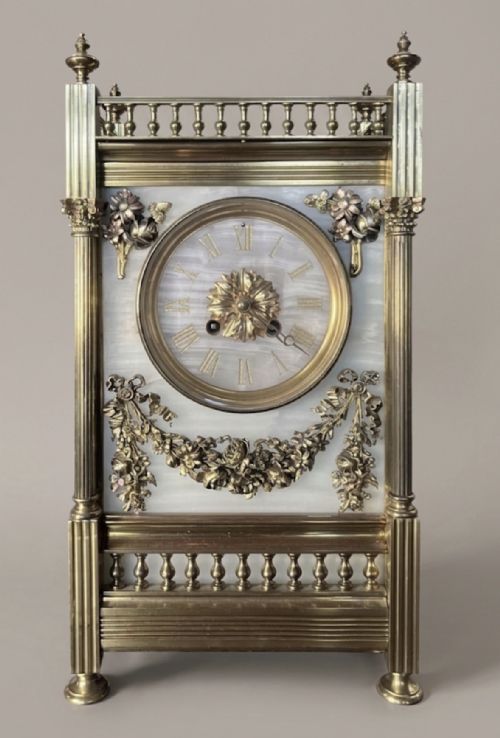
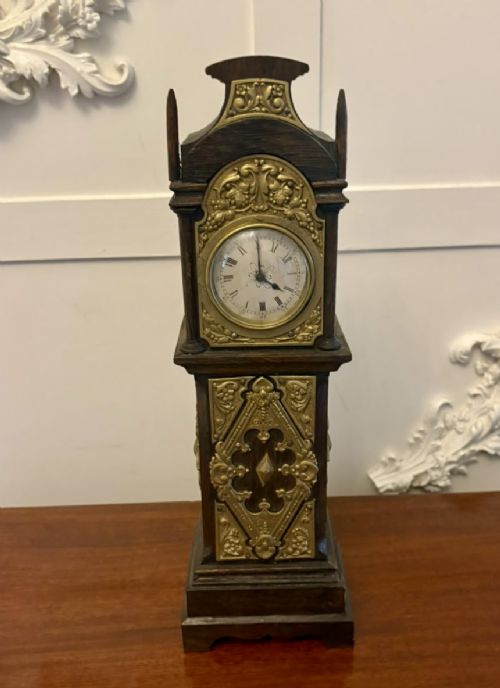
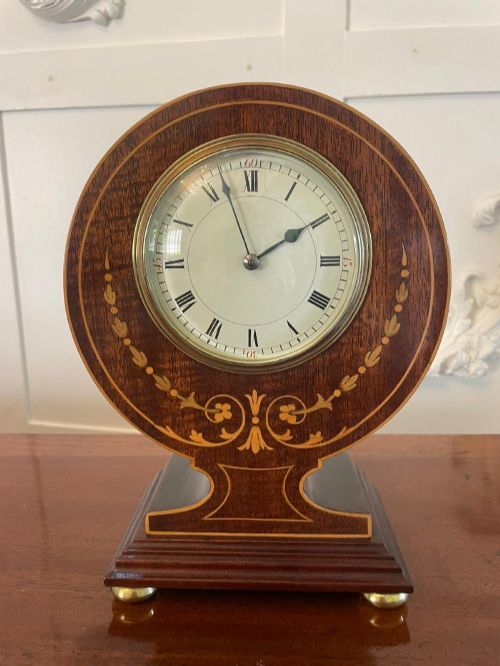
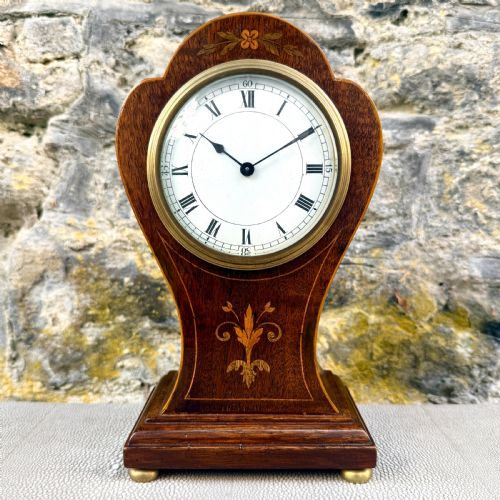
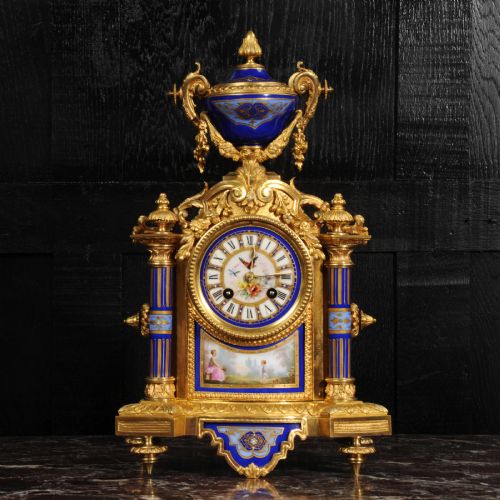
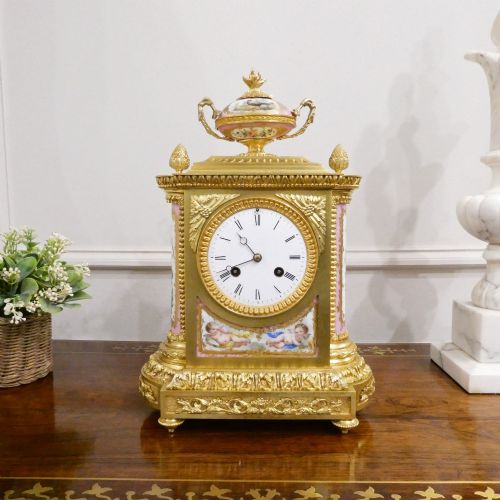
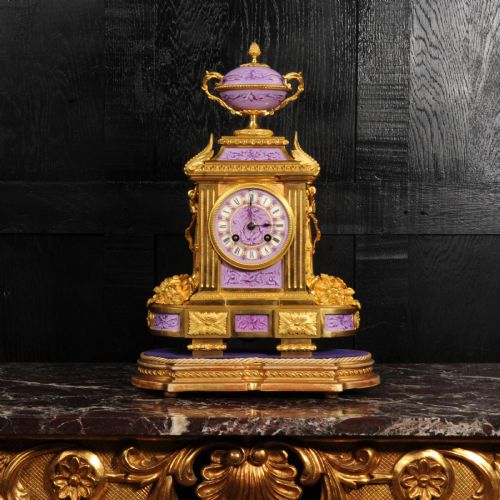
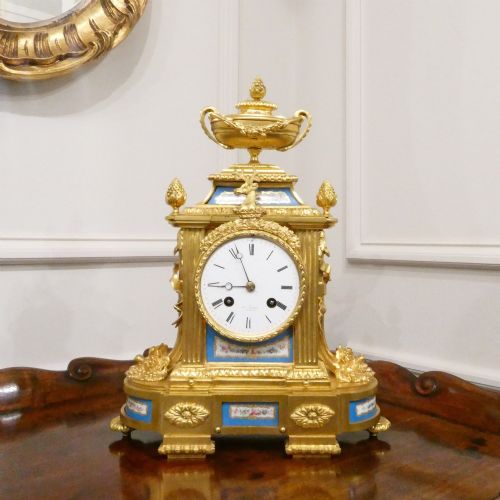
These shelf clock examples range from nineteenth-century French gilt bronze designs to early twentieth-century oak Art Deco pieces, chosen for domestic timekeeping and interior display.
Shelf Clock
When you search for a shelf clock, you encounter domestic timepieces designed to sit on mantelpieces, brackets, and furniture surfaces rather than hang on walls or stand on floors. The selection on this page centres primarily on nineteenth-century and early twentieth-century examples spanning the Victorian, Edwardian, and Art Deco periods.
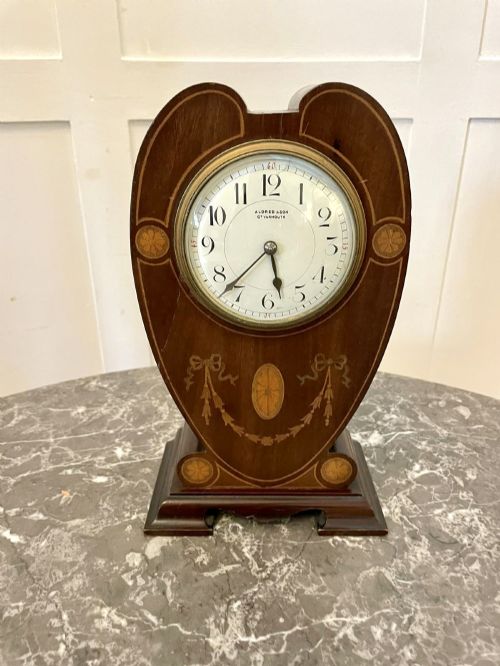
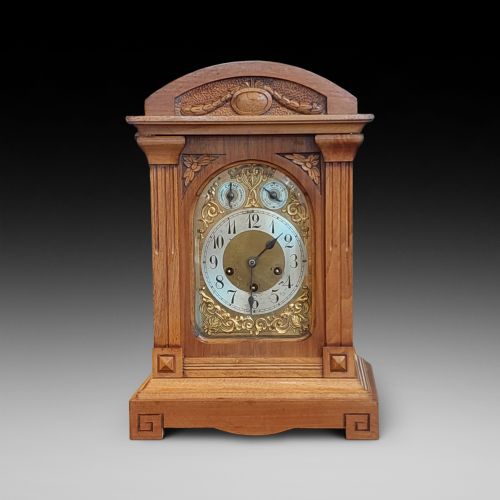
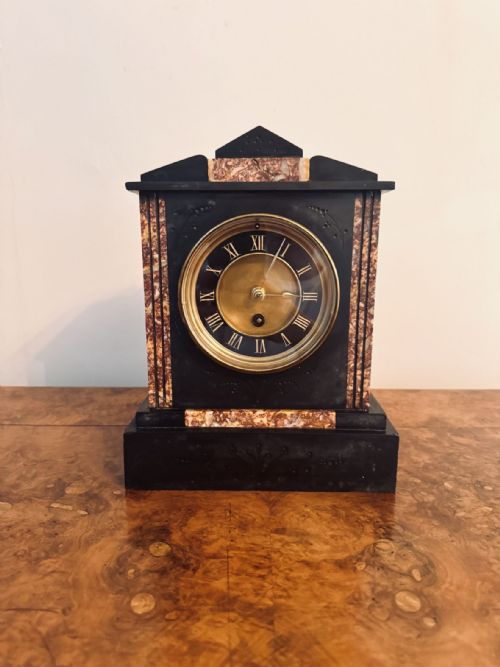
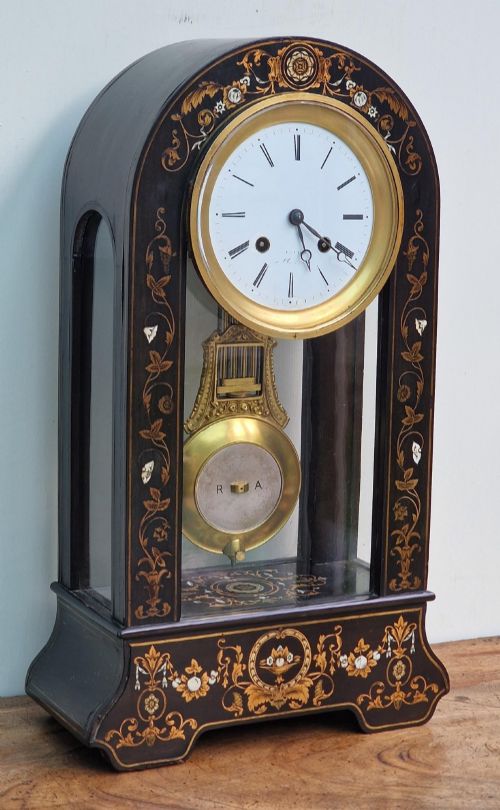
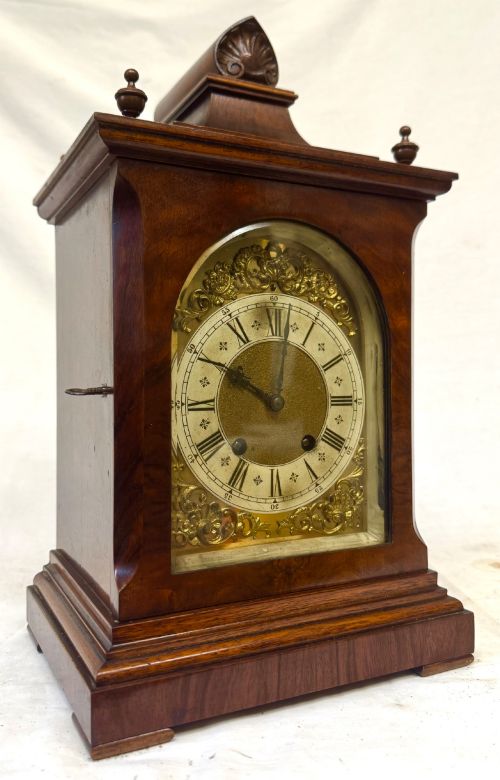
You will meet various distinct forms within these listings, including architectural marble cases, striking bracket clocks, four glass models, and inlaid mahogany or walnut bodies. Origin spans British workshops alongside French and German makers.
Stylistic influences range from French Rococo Revival and Louis XVI to Neoclassical and Amsterdam School designs, demonstrating how makers adapted classical motifs for domestic interiors across generations.
How They Were Made
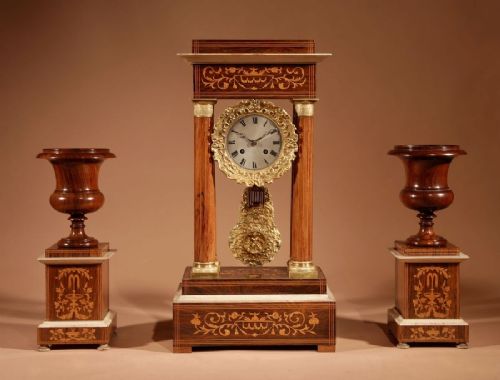
Cabinetmakers utilised timber carcasses of mahogany, oak, walnut, and ebonised wood, frequently incorporating decorative marquetry, brass inlay, or lacquer work. These wooden housings were shaped into architectural facades, balloon profiles, and bracket forms.
Foundries cast ormolu, gilt bronze, brass, and chrome components to frame porcelain plaques, enamel dials, and glass panels. Movement mechanisms incorporated striking trains, regulating systems, and pendulum suspensions housed within marble, onyx, or metal cases.
Listings feature movements ranging from standard eight-day striking mechanisms to fourteen-day German systems and specialised Bulle electric clocks.
What Varies in Quality
The distinction between tiers rests in the precision of the movement, the integrity of the materials, and the execution of the decorative mounts. Cases built from solid hardwoods with fine marquetry or heavy gilt bronze castings represent superior manufacturing standards.
Signatures on dials or movements by established clockmakers elevate an example above anonymous mass-produced equivalents. The harmony between the original case, the dial, and the functioning mechanism determines the overall integrity of the piece.
Japy Freres·Jean-Baptiste Delettrez·H.A.C.·Lenzkirch·Achille Brocot·Henry Marc·Charles a Orleans·Samuel Marti·Howell and James·Charles Pratt·Sega
The Shelf Clock Glossary
- Ormolu
- Gilded bronze achieved through a mercury amalgamation process on metal mounts, common in French clock cases. This technique creates a durable golden finish.
- Bracket clock
- A portable spring-driven clock originally designed to sit on a wall bracket to aid sound projection. Later versions functioned independently on shelves and tabletops.
- Four glass clock
- A style featuring glass panels on all four sides to expose the mechanical movement. These designs emerged during the nineteenth century.
- Garniture
- A set comprising a central clock accompanied by matching side ornaments such as urns or candelabra. Such sets unified nineteenth-century mantel displays.
- Regulator
- A precision clock designed for high accuracy, often featuring a simplified dial arrangement. These movements prioritise timekeeping exactness over complicated striking trains.
Shelf Clock: Frequently Asked Questions
Where did people place a shelf clock?
These clocks sat primarily on mantelpieces above fireplaces, on dedicated wall brackets, or upon tabletops within formal rooms and parlours.
Placement depended on the acoustic properties of the room and the desire to display decorative cases made of marble, bronze, or inlaid wood.
How do I wind an antique shelf clock?
Winding requires a matching key inserted into designated holes on the dial face to tension the internal springs or weights.
Care must be taken not to overwind the mechanism, ensuring the movement runs reliably for its designated eight-day or fourteen-day duration.
What is the difference between a timepiece and a striking clock?
A timepiece measures and displays hours and minutes without producing audible hour strikes or chimes.
A striking clock incorporates an additional gear train and hammer mechanism to sound the hours or quarters on bells, gongs, or wires.
How do I identify a French nineteenth-century clock?
French examples often utilise heavy gilt bronze, ormolu, or painted porcelain panels bearing signature marks from makers like Samuel Marti or Japy Freres.
Stylistic cues lean toward Louis XVI, Empire, or Rococo Revival motifs integrated into marble or architectural metal cases.