
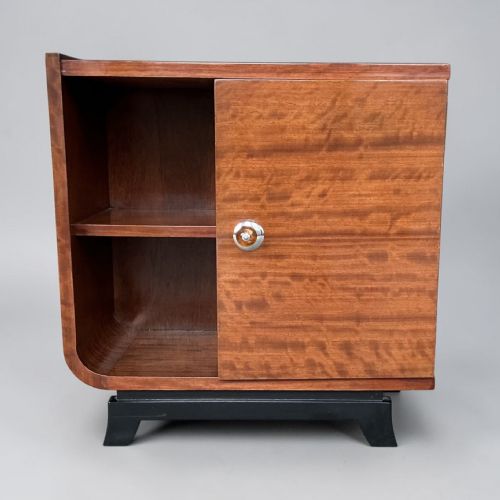
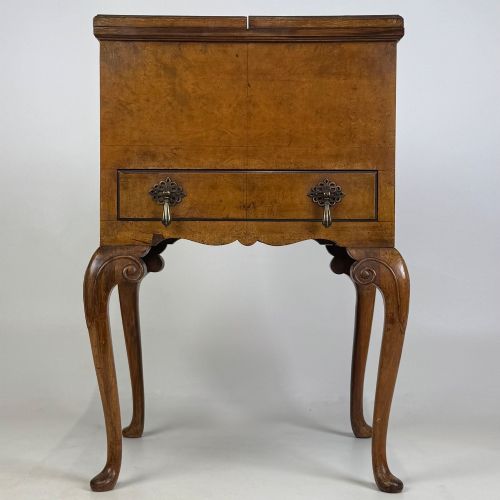
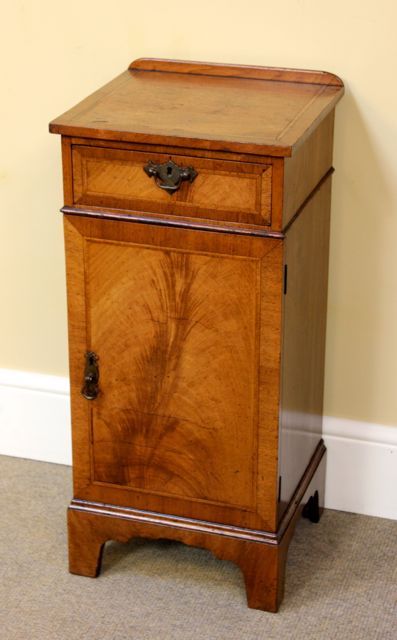
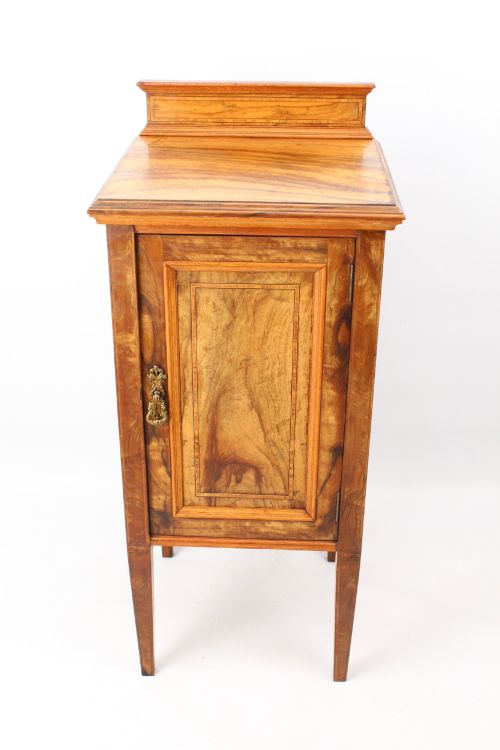
Small Walnut Cupboard
A small walnut cupboard brings rich grain and practical storage to compact spaces, combining historic character with everyday usefulness.
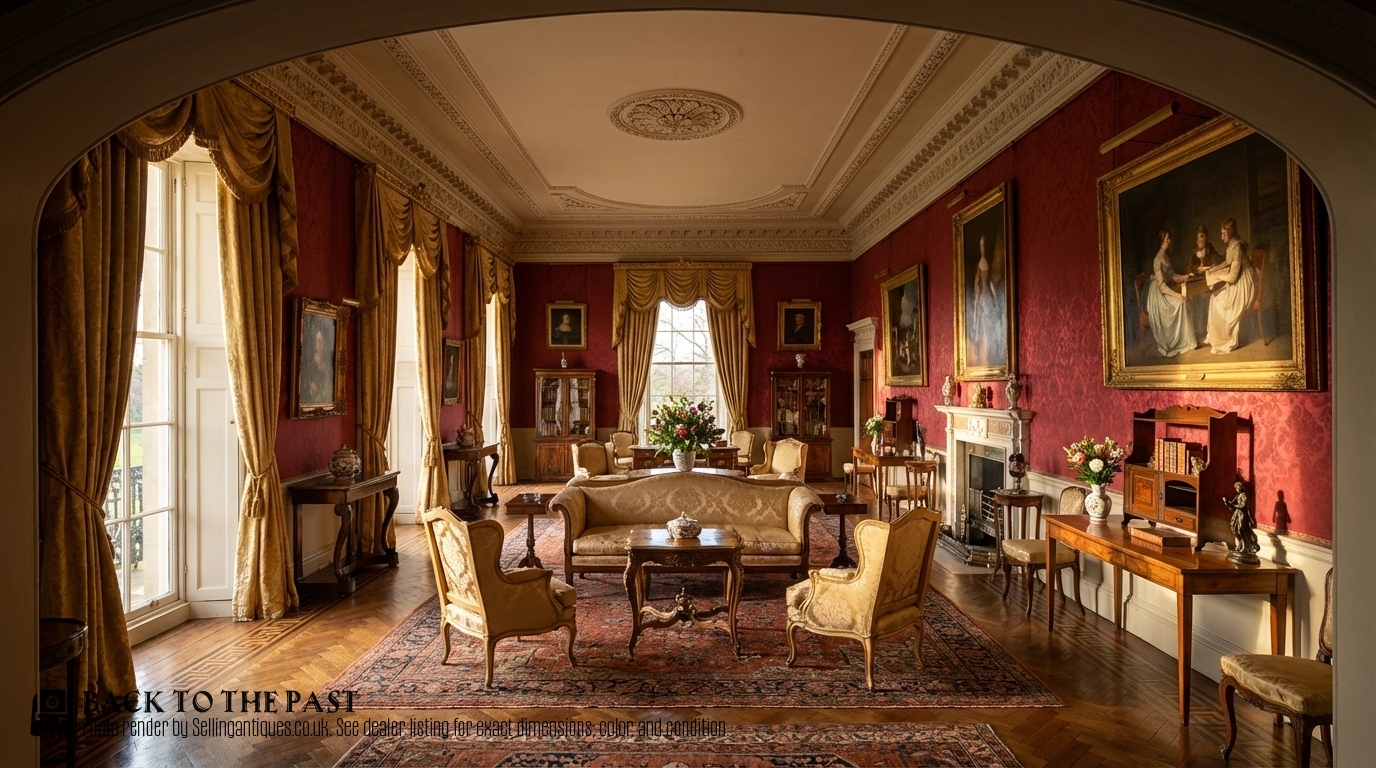
What these pieces are
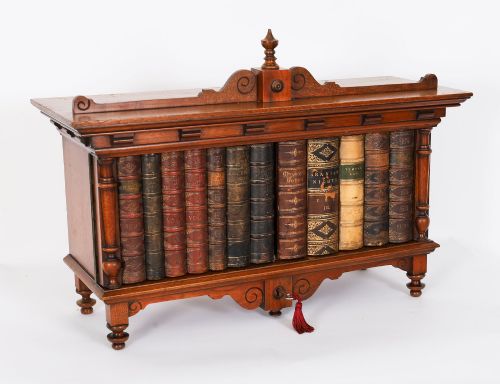
A small walnut cupboard encompasses a wide range of compact storage forms, from bedside cabinets and pot cupboards to wall-mounted display pieces and collectors cabinets. These items appear across the nineteenth century, the Victorian era, the Edwardian period, and into the nineteen-twenties.
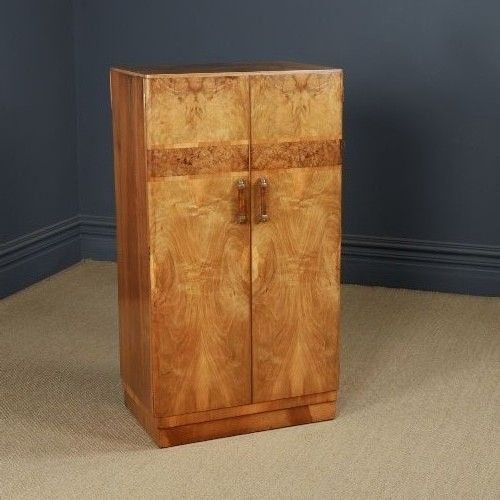
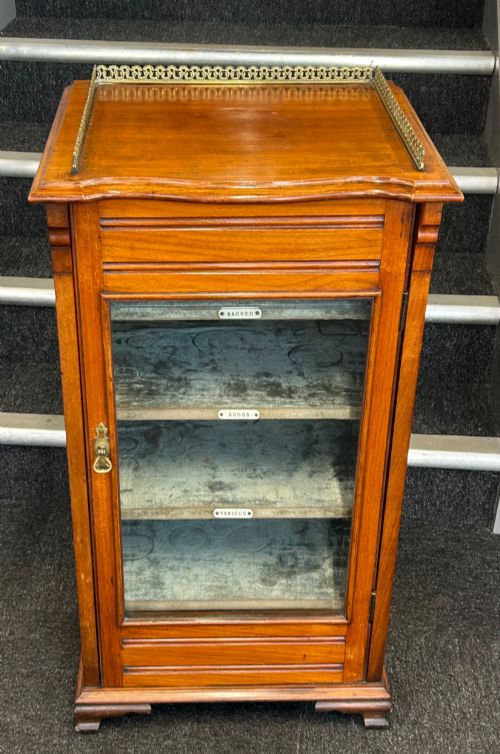
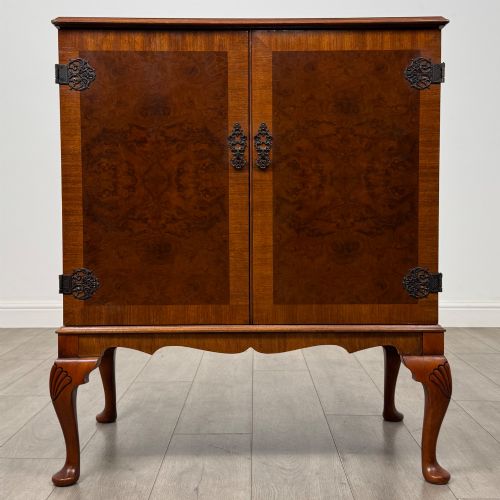
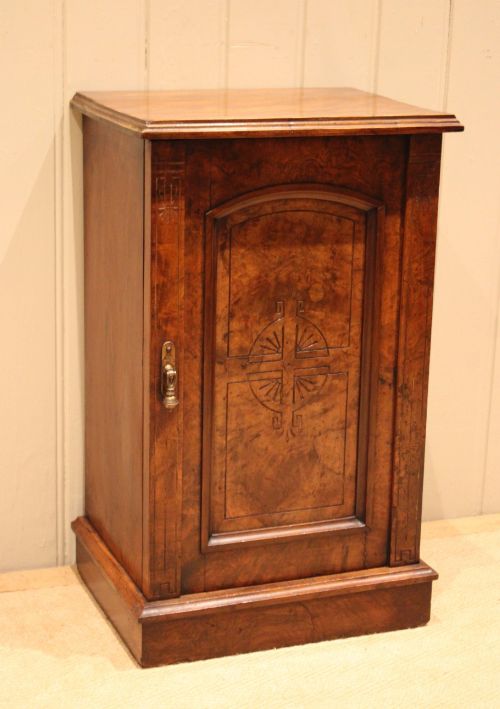
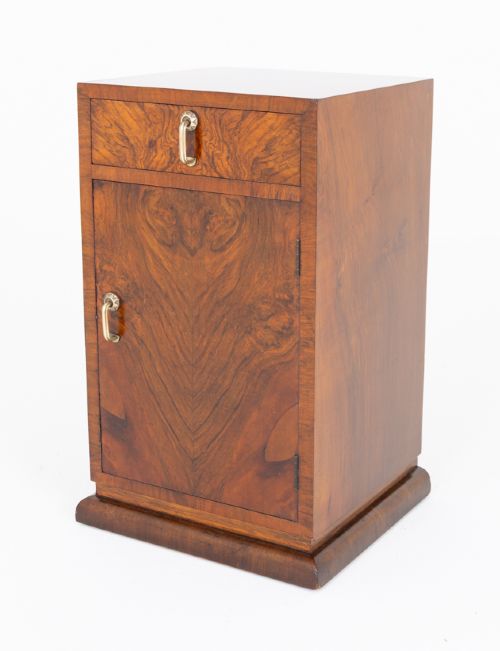
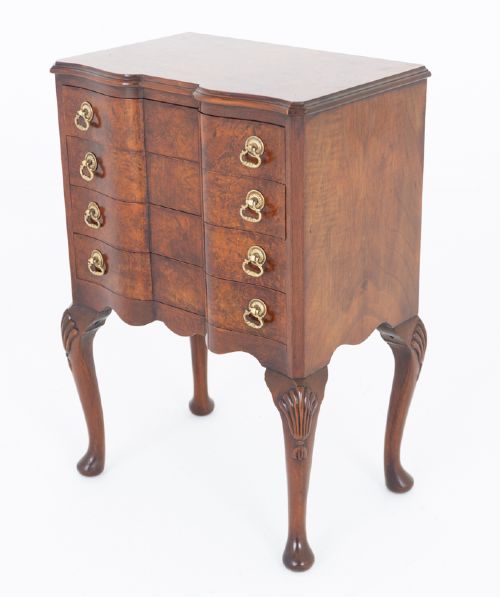
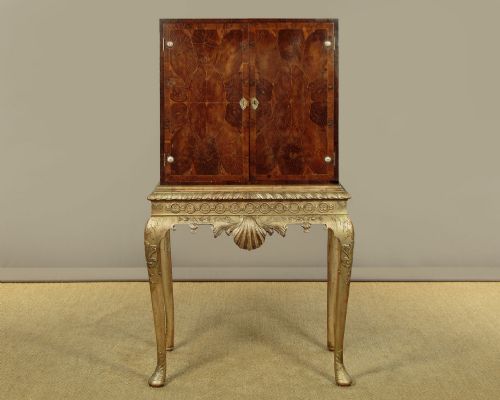
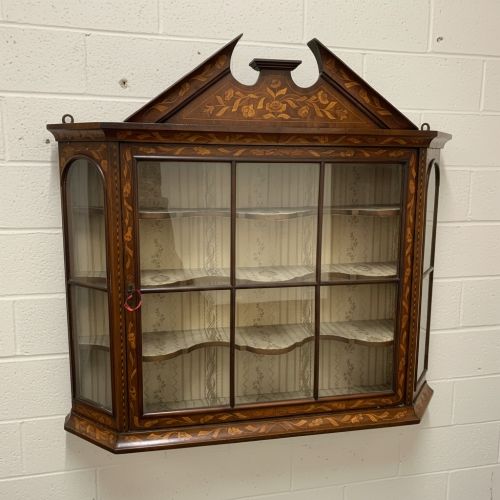
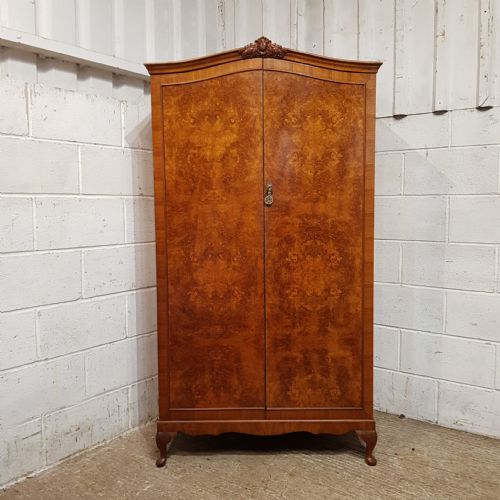
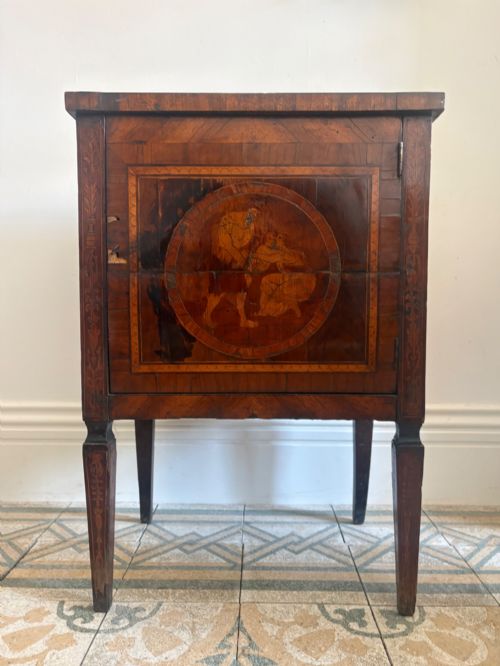
The versions most frequently met on this page are bedside cabinets and corner cupboards, often rendered in rich burr walnut veneer. Makers across different decades adapted these small proportions for domestic settings, incorporating shelves, drawers, and glazed or mirror doors.
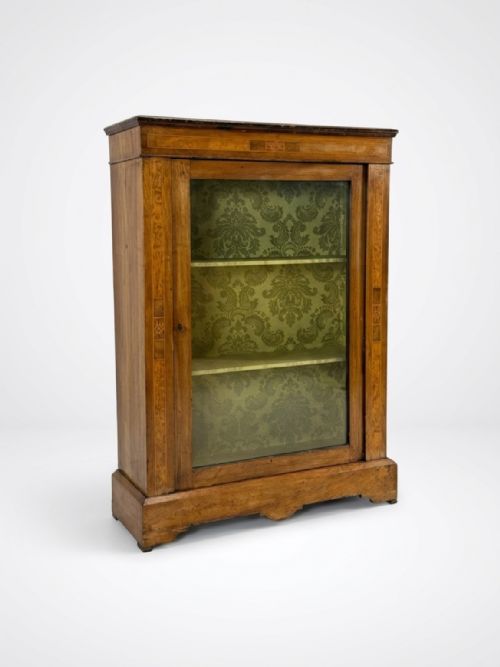
Stylistic influences span from Queen Anne revival and the Aesthetic Movement to Art Deco designs. Pieces range from straightforward side tables with cupboard bases to elaborate French or Italian pier cabinets mounted with ormolu.
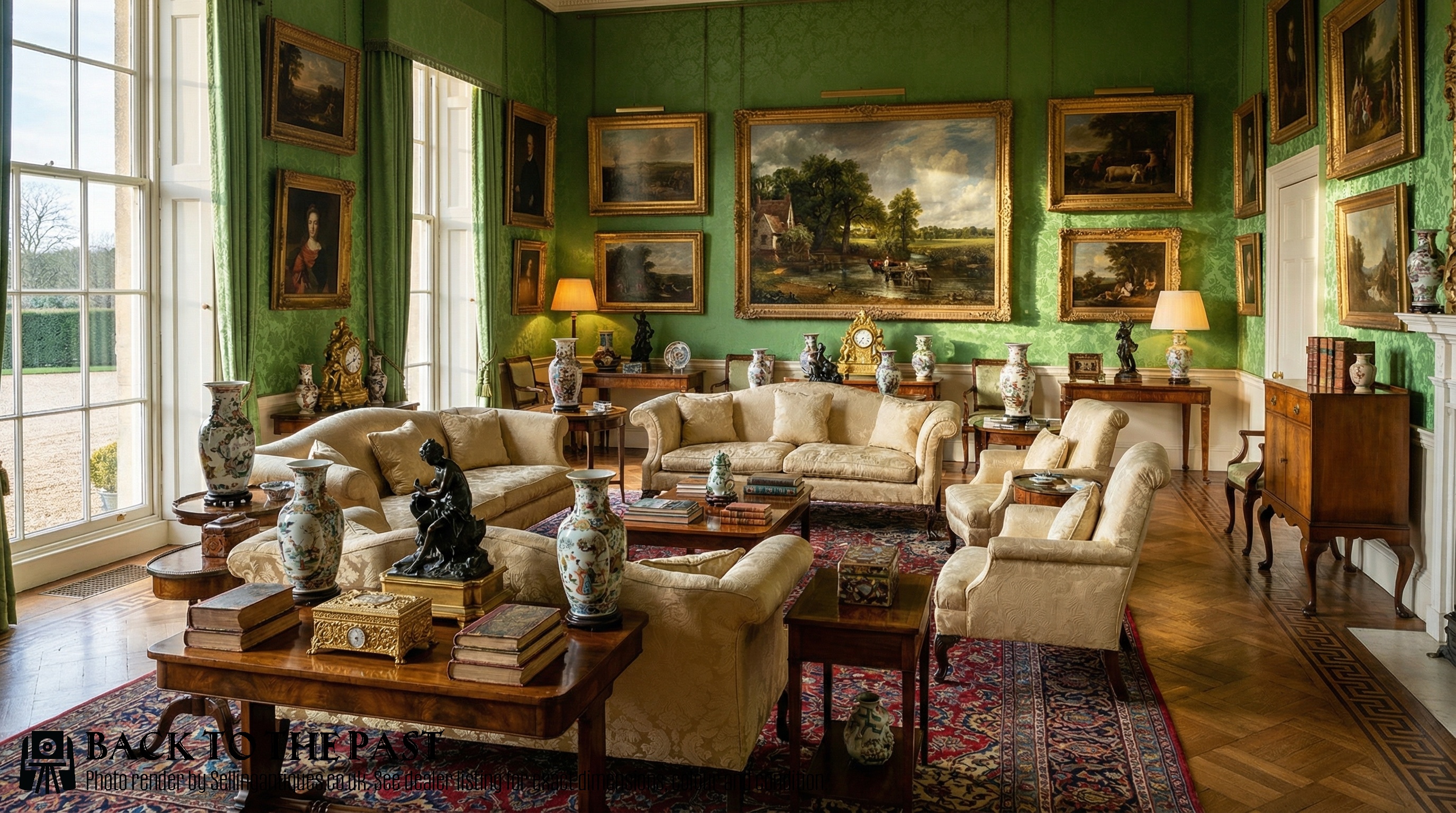
How they were made
Cabinet makers utilised solid walnut alongside burr walnut veneer to create patterned surfaces on doors and drawer fronts. Wood inlay added decorative contrast, while mahogany occasionally appeared in underlying structures or secondary timbers.
Metal fittings such as brass hinges and ormolu mounts secured doors and accented corners. Glass panels and mirrors were integrated into doors for display cabinets and hanging wall cupboards.
Retail Price Guide 2026
Typical UK retail prices for small walnut cupboard, calculated from the Sellingantiques database of over a million retail prices indexed since 2003. This retail price guide relies exclusively on Sellingantiques data; no external sources or auction records are used, so the figures do not describe the wider market.
Some nineteenth century cabinets hid chamber pots behind grand veneered doors, proving that Victorian domestic life valued both discretion and decorative flair.
What varies in quality
The visual impact of the timber figure dictates much of the distinction between standard examples and superior ones. Dense burr walnut veneer and careful book-matching demonstrate higher craftsmanship.
Refinement in secondary details, such as precise wood inlay, original ormolu mounts, and well-fitted brass hardware, separates simpler utility furniture from more ambitious decorative cabinets.
The Small Walnut Cupboard Glossary
- Burr walnut
- A veneer sliced from the knotty growths of walnut trees, prized for its swirling, highly figured grain patterns. It forms the decorative surface on many Victorian and Edwardian cabinets.
- Ormolu
- Gilded bronze mounts applied to furniture for decoration, commonly seen on nineteenth-century pier cabinets and French pieces. These metal ornaments enhance the formal appearance of the woodwork.
- Pier cabinet
- A narrow cabinet designed to stand against the wall space between windows, often featuring glazed or mirrored doors. These items maximise display opportunities in smaller rooms.
- Campaign style
- Furniture constructed for portability, typically featuring recessed brass handles and reinforced corners. Such pieces reflect military or travel origins adapted for domestic use.
- Pot cupboard
- A small bedside cabinet originally designed to house a chamber pot, now serving as a general bedside table with enclosed storage. They represent one of the most common domestic forms.
Frequently Asked Questions
What is a pot cupboard?
A pot cupboard is a small bedside cabinet featuring an enclosed door and interior shelf. Historically, these pieces housed a chamber pot out of sight.
Today, buyers utilise them as practical bedside tables or small storage units in living spaces.
How do I identify a Victorian piece?
Victorian cabinets often display heavier proportions, dark walnut timber, and traditional joinery methods. Many incorporate solid brass hardware and carved details characteristic of the nineteenth century.
Comparing the construction inside drawers and back panels helps confirm the period of manufacture.
Where should I place a corner cupboard?
Corner cupboards fit neatly into unused room angles, saving floor space while providing display or storage capacity. Hanging versions attach directly to walls above other furniture.
Free-standing corner units anchor empty junctions in hallways, dining rooms, or bedrooms.
What is burr walnut?
Burr walnut is a specialised wood veneer sourced from the irregular growths on walnut trees. It creates complex, swirling patterns across the front of cabinet doors.
Cabinets featuring this material usually indicate a higher standard of decorative design.