



Vintage Hallway Hooks
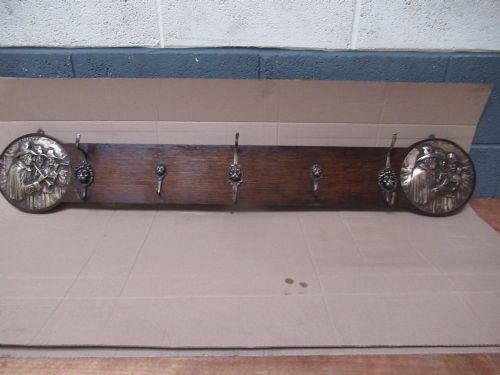
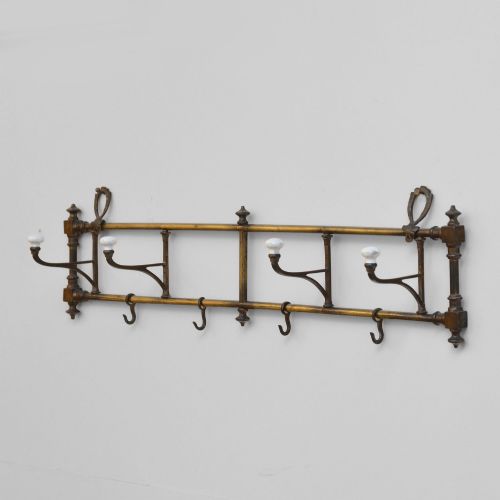
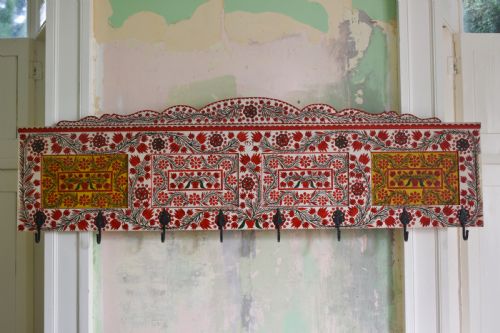
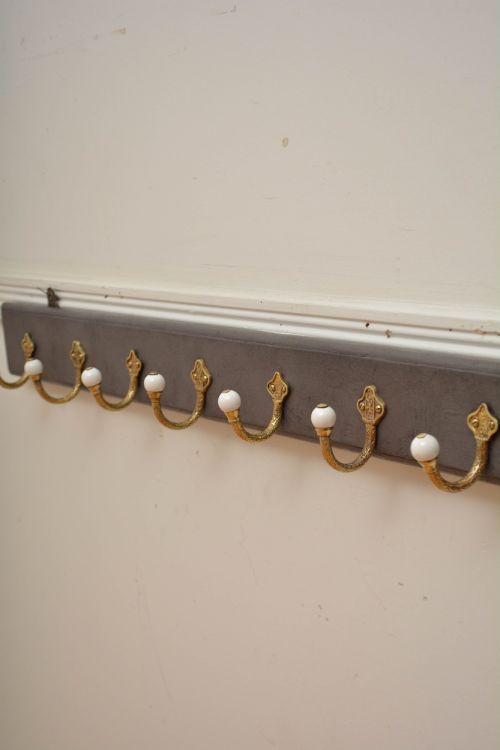
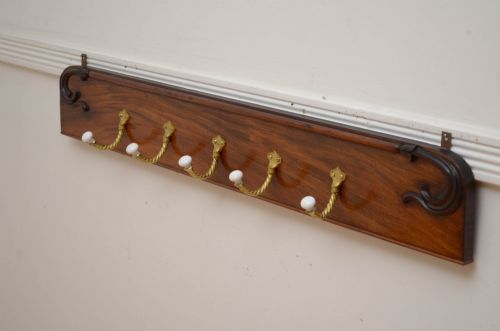
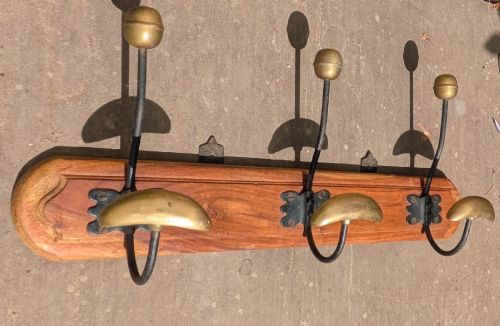
These vintage hallway hooks bring practical entryways to life, offering sturdy iron, brass, and ceramic fixtures mounted on robust timber backboards.
Vintage Hallway Hooks
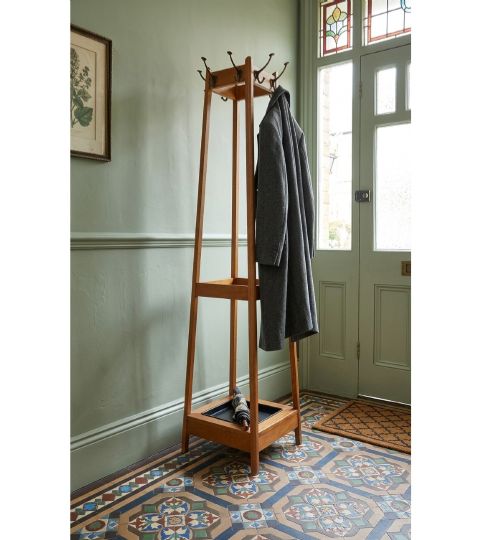
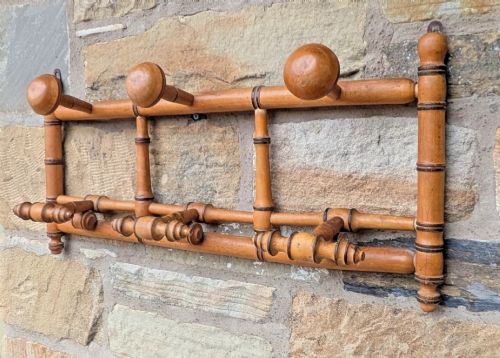
When you search for vintage hallway hooks, you encounter a practical variety of wall-mounted racks, standalone stands, and individual fixtures designed to organise entrance spaces. The selection ranges from compact Victorian brass sets to expansive Edwardian coat racks and larger hall stands.
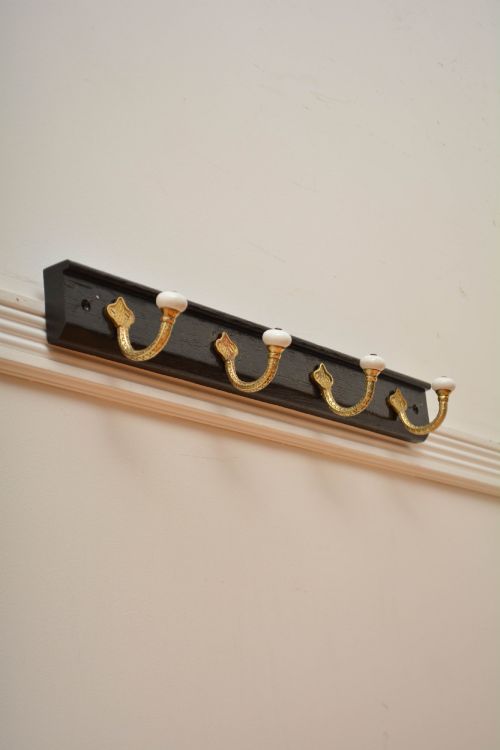
Most items you meet on this page comprise solid timber backboards fitted with cast metal hooks, frequently accented with ceramic knobs or porcelain terminals. These functional objects span periods from the nineteenth century through the early twentieth century, reflecting domestic reception needs of past eras.
How they were made
Carpenters utilised dense hardwoods such as oak, mahogany, walnut, and pine for the backboards and structural frames, often finishing them with ebonisation or polishing. These timbers provide the rigid support necessary to bear heavy coats and hats.
Foundries cast the hooks in brass, bronze, and iron, sometimes incorporating chased surface details or mounting plates. Ceramic and porcelain elements were then integrated as ball ends or decorative inserts on the metal prongs.
Vintage Hallway Hooks Retail Price Guide 2026
Typical asking prices for vintage hallway hooks among the pieces listed under this phrase on Sellingantiques today, from the lower quarter to the upper quarter. They describe what is for sale here now, not the wider market.
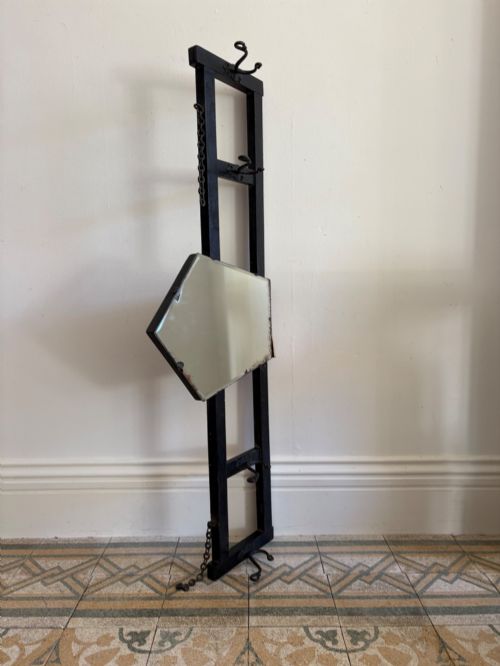
Several pieces include integrated mirrors and key cabinets, ensuring guests could check their appearance and homeowners could misplace their keys centuries before digital invention.
What varies in quality
The distinction between ordinary and superior pieces rests on the weight and casting quality of the metalwork, alongside the selection of timber. Heavy cast brass or bronze plates with crisp detailing signify better manufacture than thin, pressed alternatives.
Originality of the components determines the standing of a rack. Assemblies that retain their matching set of ceramic-tipped hooks on an untouched period backboard hold greater integrity than composite pieces assembled from disparate parts.
Jas. Shoolbred
The Vintage Hallway Hooks Glossary
- Backboard
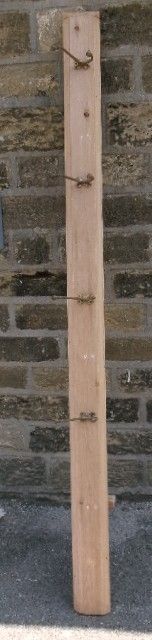
- The horizontal timber plank or panel to which individual coat hooks are screwed. It distributes the weight evenly across the wall fixings.
- Ebonised
- Wood treated with a dark stain or chemical process to imitate ebony. This finish is frequently found on nineteenth-century hall furniture.
- Hat and coat stand
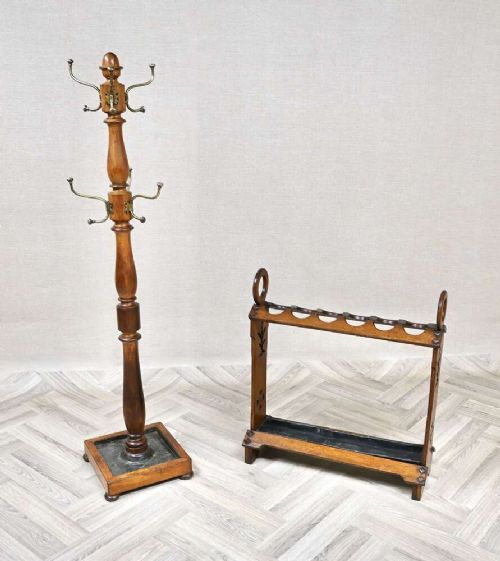
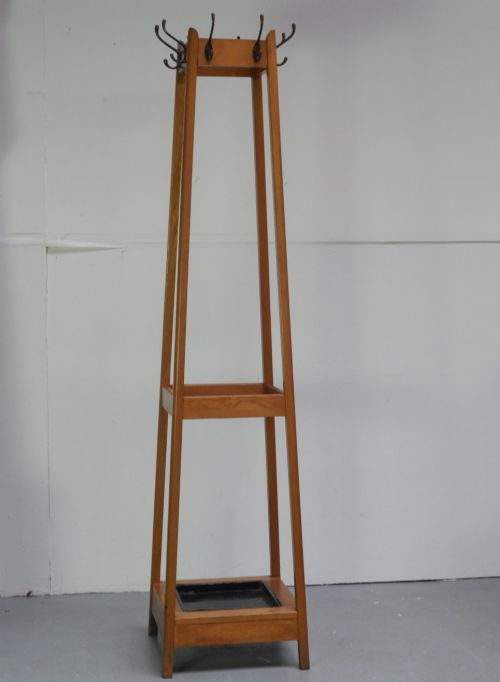
- A larger freestanding piece or substantial wall-mounted rack featuring upper pegs for hats and lower hooks for heavier garments. These often incorporate umbrella rings or mirrors.
- Cast brass
- Molten brass poured into a mould to form hooks and mounting plates. This technique creates durable hardware with distinct surface textures and relief patterns.
Vintage Hallway Hooks: Frequently Asked Questions
How do I mount a vintage coat rack safely?
Secure the backboard directly into wall studs or utilise appropriate heavy-duty masonry anchors depending on your wall type. Because these timber racks carry considerable weight when loaded with garments, proper anchoring into the structure of the wall is essential.
Check that the fixing holes align with the original screw points where possible to preserve the timber. Distributing the load evenly across multiple mounting plates prevents the rack from pulling away from the wall under daily use.
What is the difference between a coat rack and a hall stand?
A coat rack consists primarily of a wall-mounted wooden board fitted with multiple hooks for hanging garments. These are designed for compact entryways where floor space is limited.
An oak or walnut hall stand is a larger, often freestanding piece of furniture that combines coat hooks with umbrella wells, glove boxes, and central mirrors. They served as comprehensive reception furniture in traditional entrance halls.
How do I care for antique brass and wood?
Clean the wooden backboards using a soft cloth and quality beeswax, avoiding harsh chemical sprays that can strip the historic finish. Preserving the natural oils in woods like mahogany and oak maintains their deep lustre.
Dust the cast brass hooks gently and avoid aggressive metal polishes that remove the aged patina. Allowing the metal to retain its natural darkened highlights preserves the character of the piece.
Are these hooks strong enough for heavy winter coats?
Victorian and Edwardian cast brass and iron hooks were engineered for heavy wool overcoats, capes, and wet weather gear. Their robust metal construction easily handles substantial daily outerwear.
Ensure the backboard itself is firmly attached to the wall before hanging heavy garments. The structural limitation usually lies in the wall fixings rather than the metal hooks.