
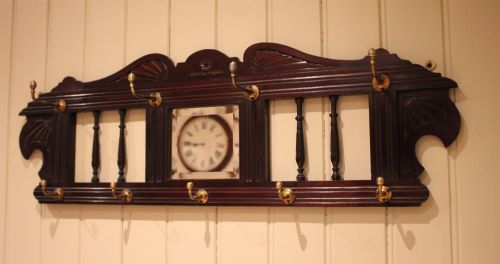
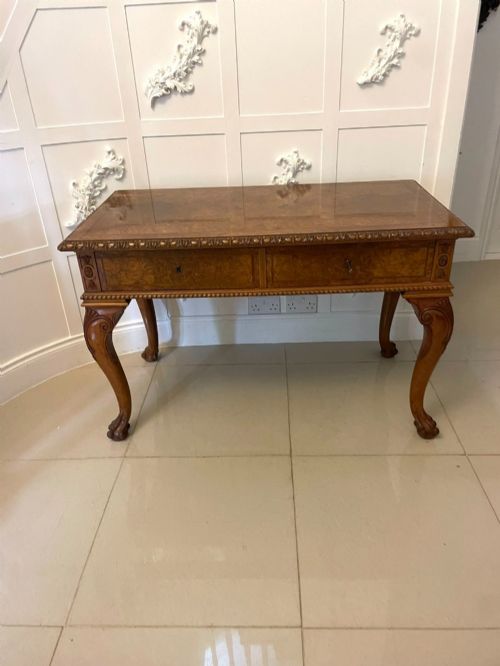

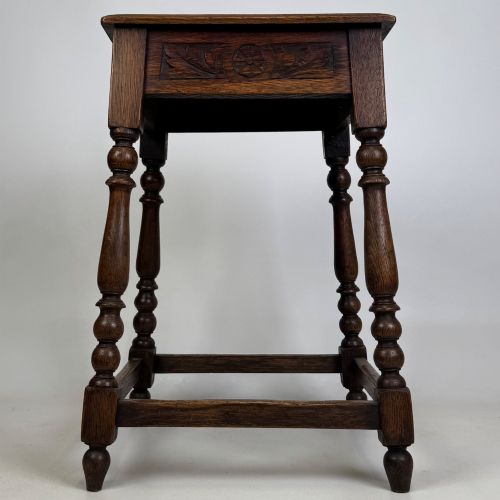
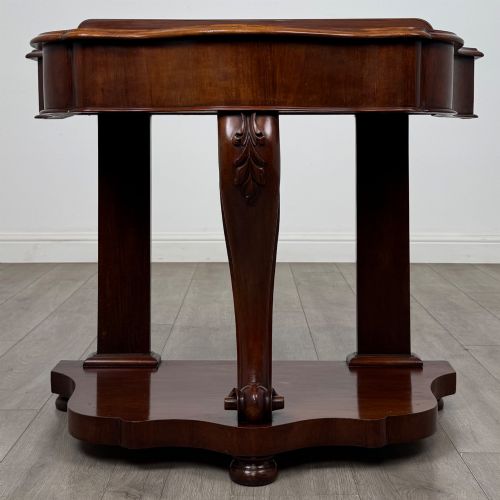
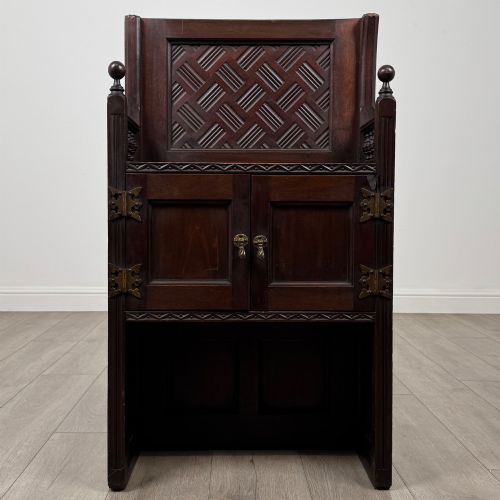
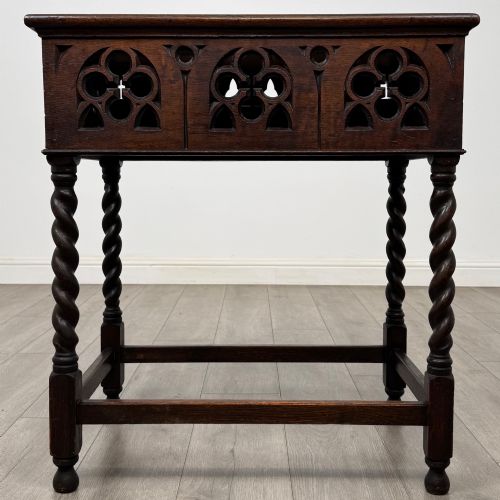
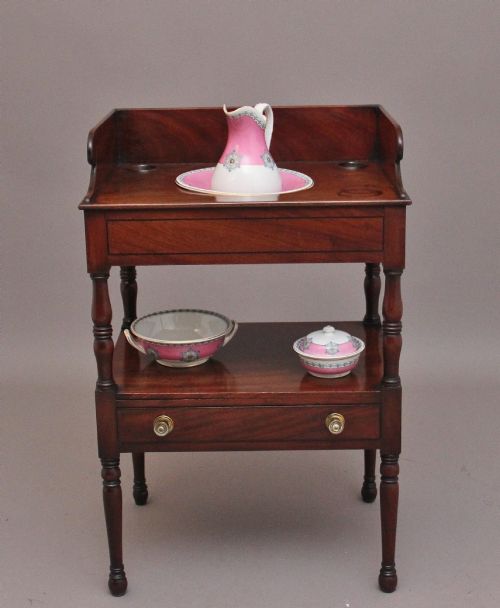
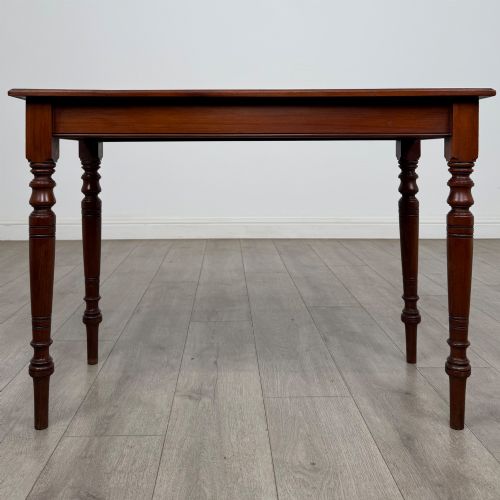
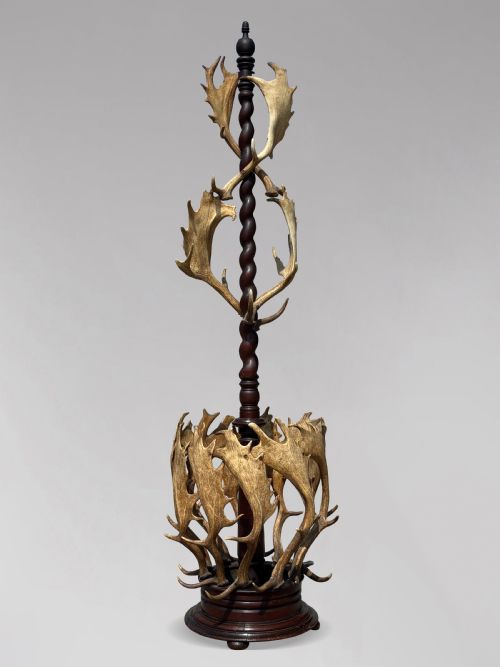
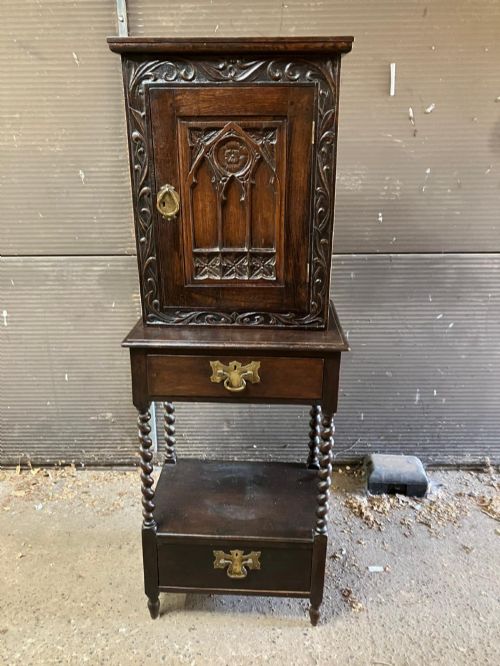
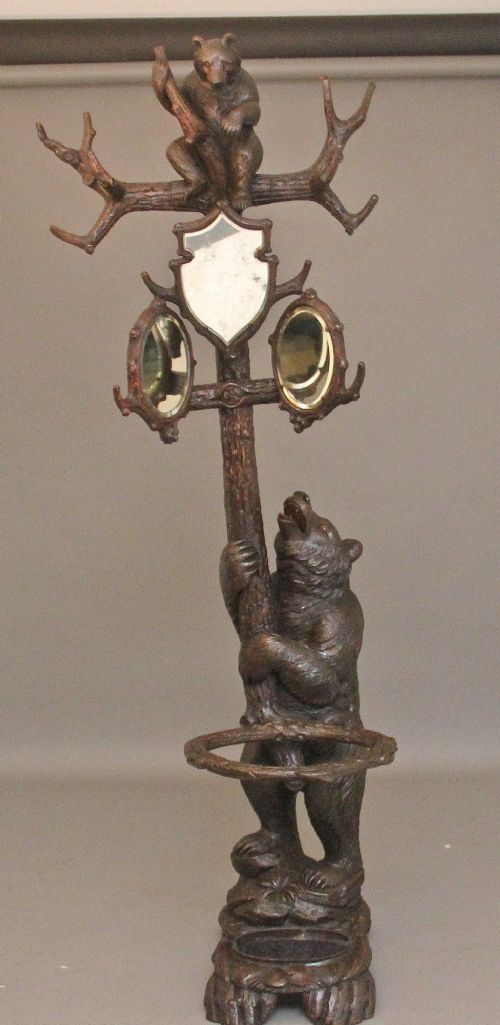
Carved Wood Hall Stand
A carved wood hall stand greets visitors with practical utility and strong regional character, anchoring the hallway.
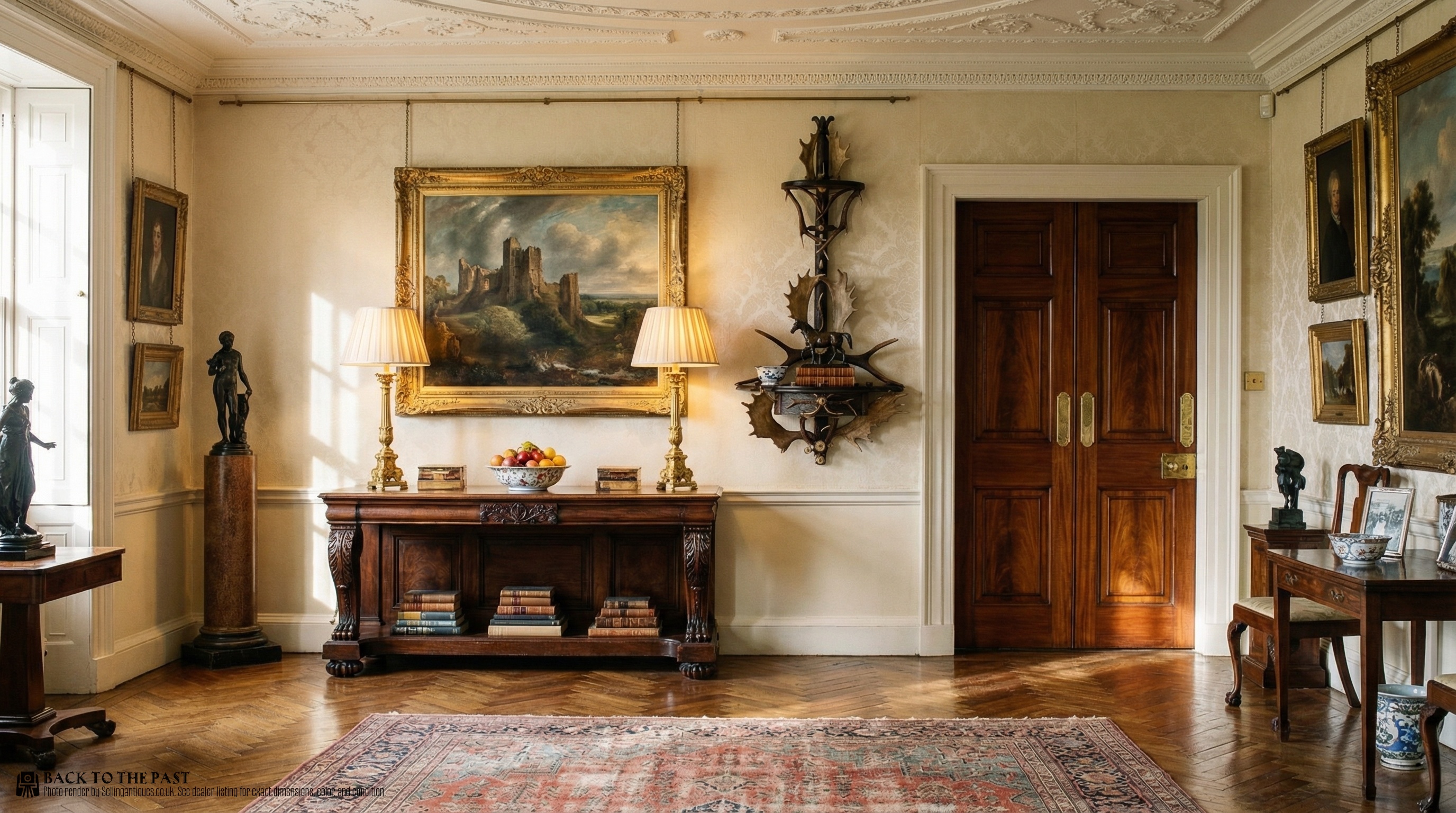
Carved Wood Hall Stand
A carved wood hall stand combines storage for coats, hats and umbrellas with architectural presence in an entrance hall. The pieces on this page emerge predominantly from the nineteenth and early twentieth centuries, spanning Victorian, Edwardian and Arts and Crafts periods.
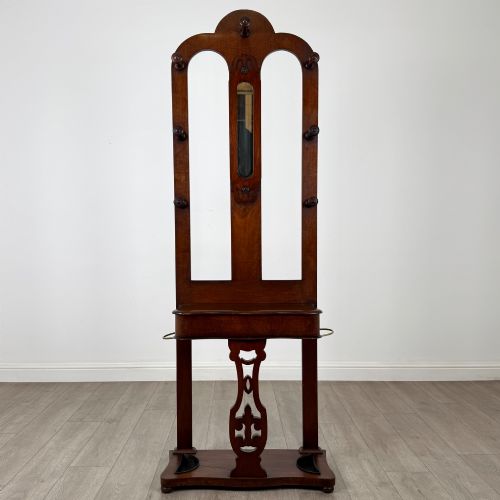
Most examples appear in oak, mahogany or walnut, frequently incorporating integrated mirror panels, brass or metal hooks, and drip pans for wet sticks and umbrellas. Distinct regional styles include Black Forest bear carvings in lindenwood alongside British country house interpretations.
Beyond standard hall stands, related forms such as coat racks, umbrella stands and hall cabinets serve similar duties in greeting guests and keeping entryways tidy. Each survivor demonstrates the domestic priorities of its era, balancing heavy timber construction with daily utility.
How they were made
Cabinetmakers built these pieces using solid hardwoods like oak, mahogany and walnut, selected for structural strength to bear the weight of heavy winter garments. Surfaces received deep chisel work, creating relief panels and figurative elements such as Black Forest bears or foliate motifs.
Ironmongers and brass founders supplied the functional hardware, attaching cast metal hooks, hanging rails and drip trays that integrated cleanly into the woodwork. Glaziers fitted bevelled mirror glass into carved wooden frames, completing assemblies designed to withstand heavy daily use.
Listings feature oak, mahogany and walnut pieces spanning the Victorian and Edwardian eras alongside distinct Black Forest lindenwood carvings.
What varies in quality
The depth and conviction of the carving separate standard workshop production from finer sculptural examples, particularly evident in the rendering of animal forms and foliate details. Timber selection dictates the baseline character, with dense quartersawn oak and well-figured walnut holding superior patination.
Structural integrity depends on the original joinery surviving intact beneath heavy loads of coats and sticks, alongside the retention of matching drip trays and original brass hooks. Proportion and architectural balance also distinguish ambitious country house commissions from more utilitarian domestic items.
J. Parker of Woodstock·Fischel
The Carved Wood Hall Stand Glossary
- Black Forest
- A style of wood carving originating from the mountain regions of Central Europe, known for realistic animal figures such as bears holding card trays or umbrella rings.
- Drip pan
- A metal tray inserted at the base of a stick stand to catch rainwater from wet umbrellas and protect the wooden floor below.
- Lindenwood
- A pale, fine-grained wood favoured by traditional carvers because it cuts cleanly in any direction without splitting.
- Bergere
- A type of woven cane panelling occasionally incorporated into the side panels or backing of hallway furniture.
- Parnassian
- A term relating to classical poetic inspiration, occasionally referenced in the grander architectural pediments of large Victorian hall furniture.
Carved Wood Hall Stand: Frequently Asked Questions
Where should a hall stand go?
Place the piece directly inside your main entrance where visitors can immediately shed coats, hats and walking gear upon arrival.
Ensure there is sufficient clearance for doors to swing past the protruding pegs and umbrella trays without striking the woodwork.
How do I maintain the wood?
Feed the dry timber periodically with traditional beeswax to preserve the natural lustre and protect the carved surfaces from atmospheric changes.
Avoid placing the furniture directly against damp external walls or beside intense heat sources that could cause the timber to warp.
Are the mirrors original?
Many surviving pieces retain their original bevelled glass plates, which often display light foxing and tiny oxidation spots appropriate to their age.
Replacement mirrors generally look overly bright and flat compared to the soft, distorted reflections of nineteenth-century silvering.
Can they hold heavy coats?
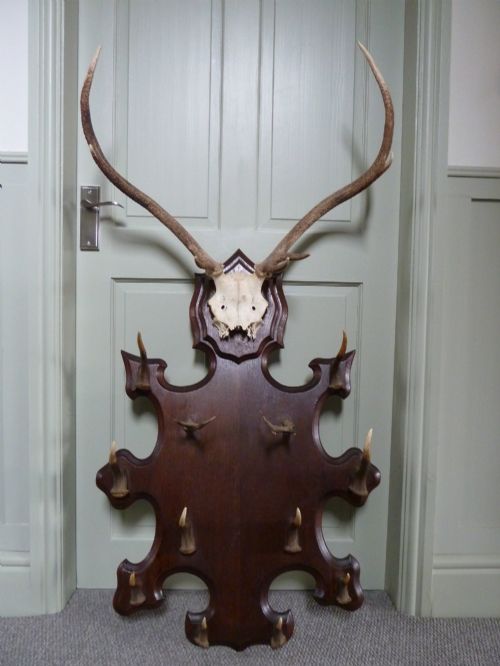
Original brass and iron coat hooks are securely screwed into deep timber backboards designed to bear the substantial weight of winter garments.
Distribute heavier winter overcoats evenly across the lower and middle pegs to maintain proper balance across the standing frame.