





Victorian Tavern Table
A victorian tavern table anchors a room with hard-wearing utility, built from timber and cast iron to endure generations of heavy public use.
Victorian Tavern Table
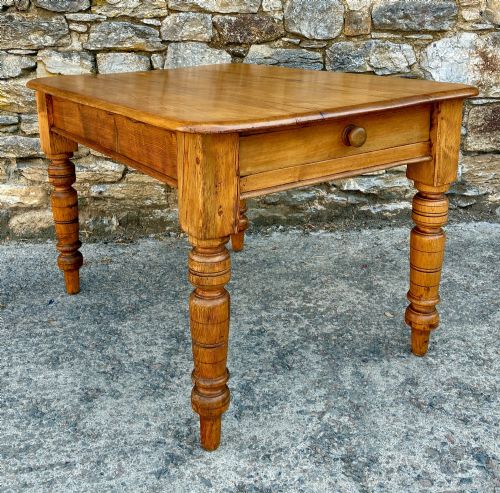
A victorian tavern table brings the robust character of nineteenth-century public houses and rural vernacular spaces directly into domestic rooms. These pieces typically take the form of sturdy pub tables, cricket tables, or compact dining tables designed for commercial hospitality.
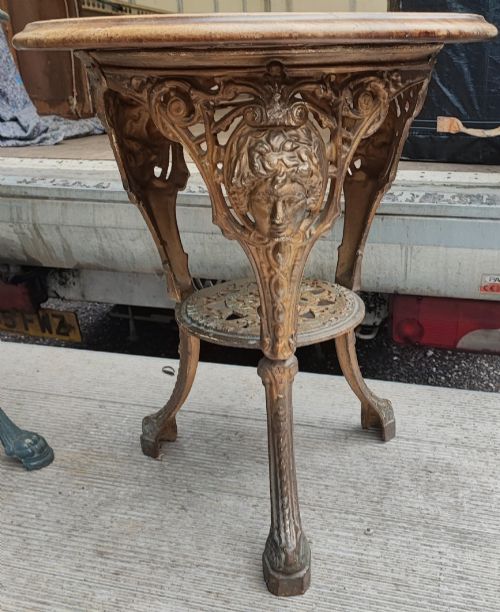
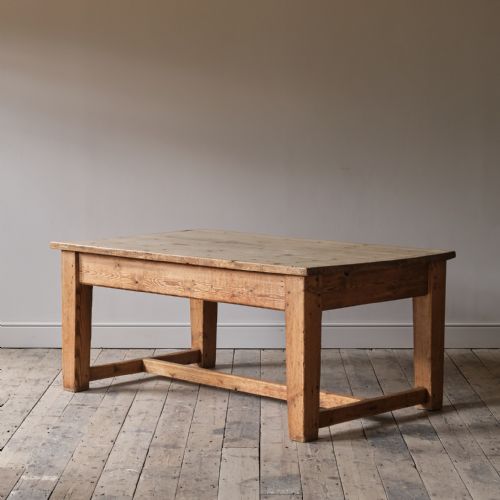
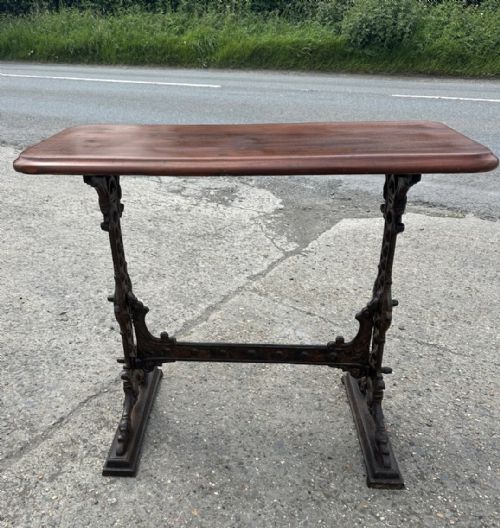
The version most commonly met on this page pairs a heavy cast iron base, often in the Britannia pattern, with a solid mahogany, pine, or oak top. Alternatively, purely wooden formats rely on thick elm or pine planks supported by chunky legs and trestle frames.
Originating across nineteenth-century Britain, these tables reflect the practical demands of inns, taverns, and country homes. Their forms range from small round three-legged cricket tables to long refectory formats built for communal dining.
How they were made
Makers utilised durable domestic timbers such as pine, oak, elm, and mahogany for the tops, selecting woods that could withstand daily scrubbing and heavy use. Solid planks were joined and mounted to heavy structural frames using traditional timber joinery.
Foundries cast iron into ornate or stable pedestal bases, providing the substantial weight required to keep tavern tables firmly planted on uneven floors. Some examples incorporate copper elements or retain remnants of original painted finishes on the timber bases.
Victorian Tavern Table Retail Price Guide 2026
Typical asking prices for victorian tavern table among the pieces listed under this phrase on Sellingantiques today, from the lower quarter to the upper quarter. They describe what is for sale here now, not the wider market.
Listings feature nineteenth-century pieces spanning from 1850 to 1890, constructed predominantly from pine, cast iron, oak, and mahogany in vernacular styles.
What varies in quality
The distinction between standard utility furniture and superior examples lies in the integrity of the original components and the character of the timber. Tables that retain their original cast iron bases paired with untouched mahogany or pollard oak tops demonstrate higher desirability.
Construction heft and surface patination dictate the standing of a piece, with sturdy framing and untouched natural wear separating utilitarian workshop output from finer vernacular survivals. Original painted surfaces on pine bases add significant regional interest.
The Victorian Tavern Table Glossary
- Britannia
- A popular Victorian cast iron pub table base design usually depicting the seated figure of Britannia. This heavy metal support provided immense stability in busy public houses.
- Cricket table
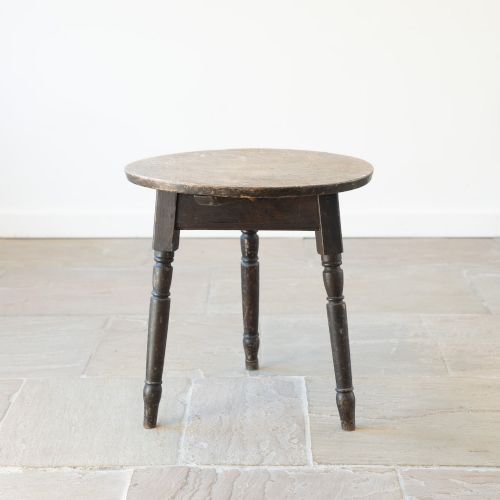
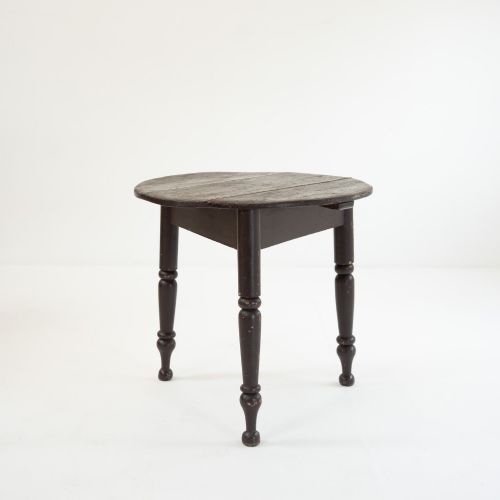
- A small, lightweight wooden table traditionally featuring three splayed legs and a round top. The design ensured the table remained stable on uneven flagstone floors.
- Refectory table
- A long, narrow dining table traditionally built for communal dining halls. Nineteenth-century interpretations adapt this substantial format for domestic tavern and farmhouse use.
- Pollard oak
- Oak timber harvested from pollarded trees, yielding a tightly clustered, decorative grain pattern. This dense wood was selected for high-status table tops.
- Vernacular
- Architecture or furniture built by local craftsmen using regional materials and traditional methods without academic design pretension. These pieces reflect local working-class and rural utility.
Victorian Tavern Table: Frequently Asked Questions
What is a Britannia table?
A Britannia table is a specific nineteenth-century pub table design featuring a heavy cast iron pedestal base moulded with the figure of Britannia. These bases provided robust weight to prevent tipping in crowded drinking establishments.
The tops paired with these cast iron structures are typically solid mahogany, pine, or copper, combining industrial metalwork with traditional timber surfaces.
How do I identify a cricket table?
A cricket table is distinguished by its circular wooden top and three splayed legs, a configuration that prevents rocking on uneven floors. They appear in pine, elm, and oak across nineteenth-century listings.
Their compact scale makes them versatile as occasional or side tables while retaining authentic vernacular character from rural domestic spaces.
Were these tables used outdoors?
Some tavern furniture was adapted for outdoor or garden use, pairing cast iron bases with copper or weather-resistant timber tops. These garden variants handled the damp conditions of pub courtyards and beer gardens.
Survival of original copper components indicates outdoor or semi-sheltered placement during their working life.
What woods were used for tavern tables?
Makers constructed these tables from sturdy domestic timbers including pine, oak, elm, and mahogany, depending on regional availability and function. Pine and elm served well for utilitarian farmhouse and kitchen settings.
Hardwoods like oak and mahogany provided greater durability for public house dining and heavy commercial hospitality use.