
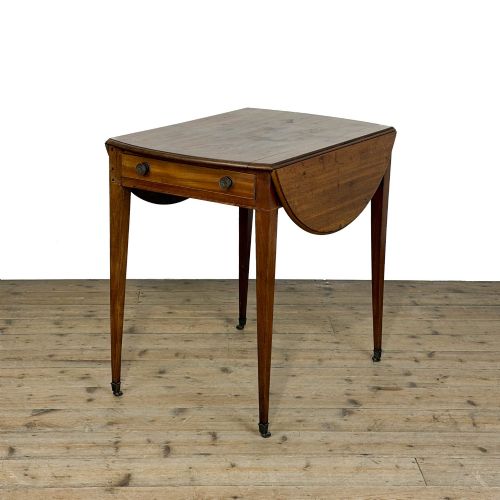
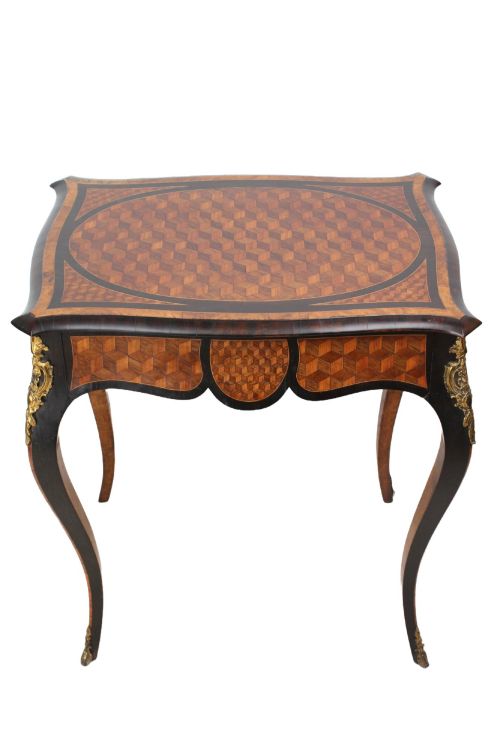
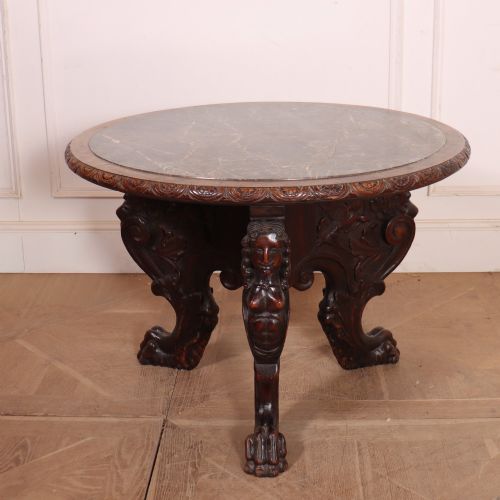
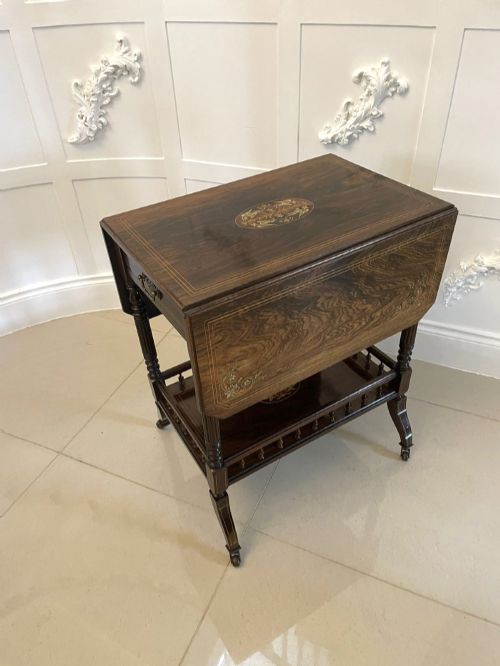
Victorian Occasional Side Table
A victorian occasional side table brings nineteenth-century utility and timber figure to a room, serving as a versatile stand for lamps or books.
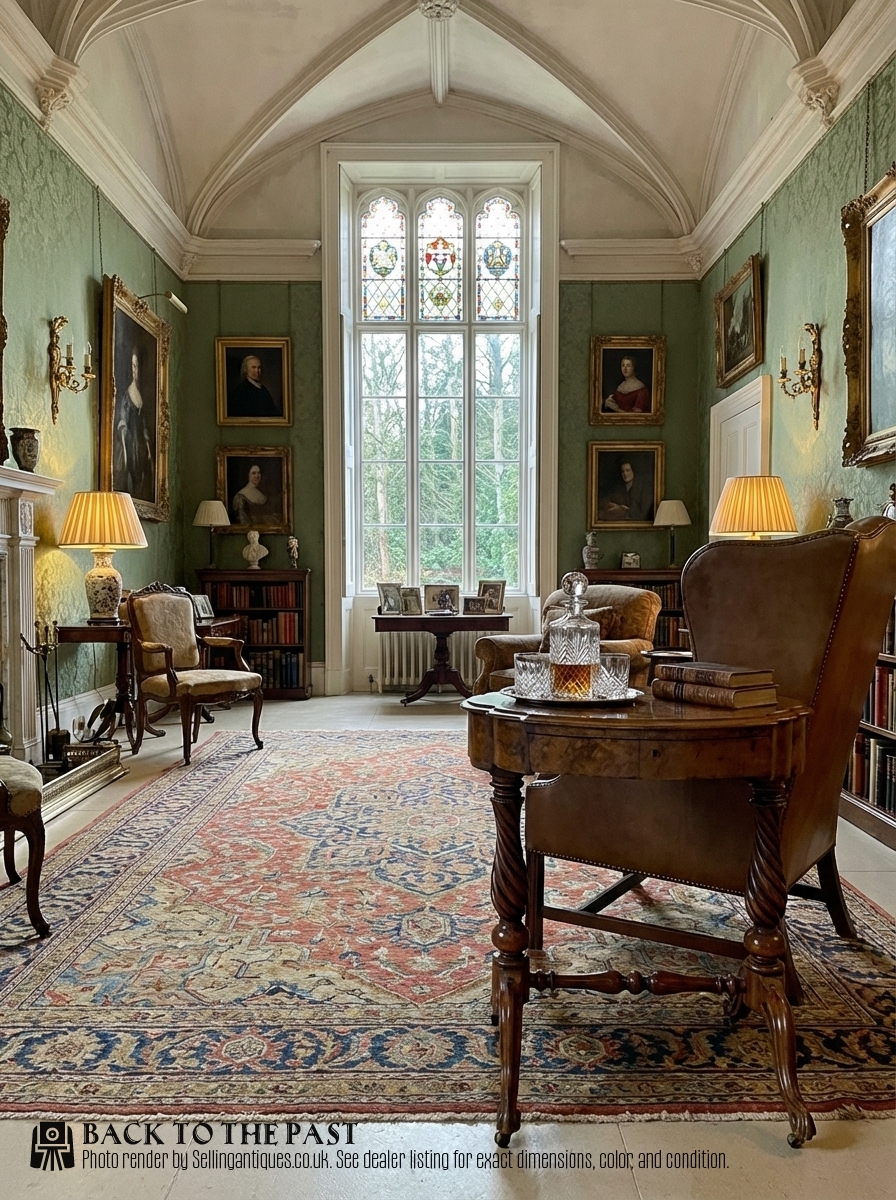
Forms and Origins
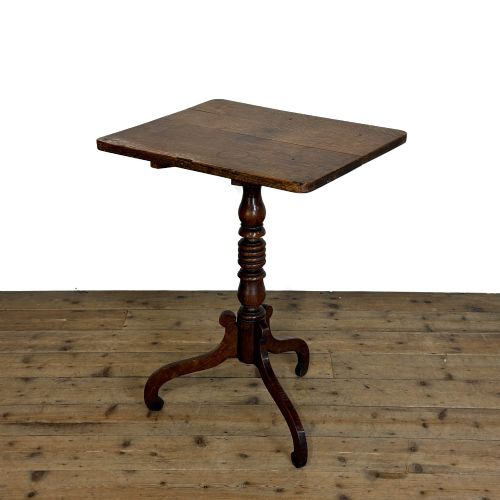
A victorian occasional side table encompasses a diverse group of nineteenth-century small tables designed for specific rooms and tasks. The selection includes dedicated side tables, work tables, sewing tables, and lamp stands, spanning parlour and library settings.
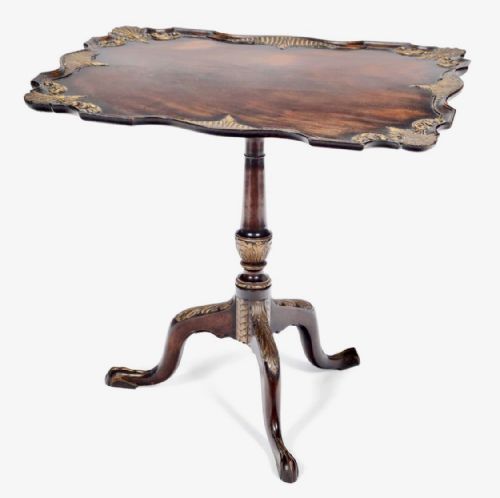
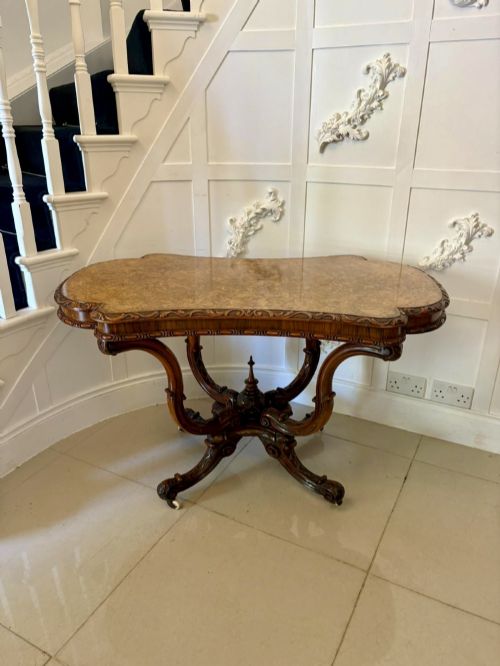
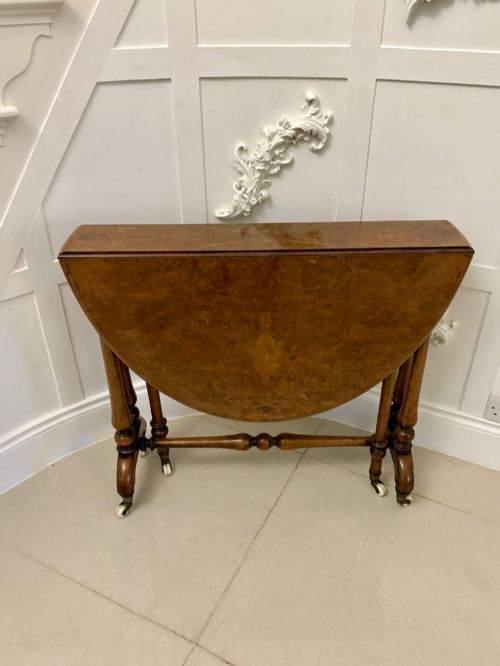
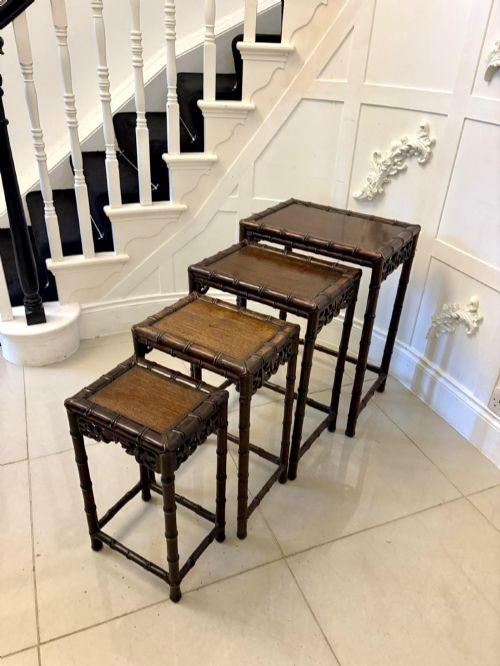
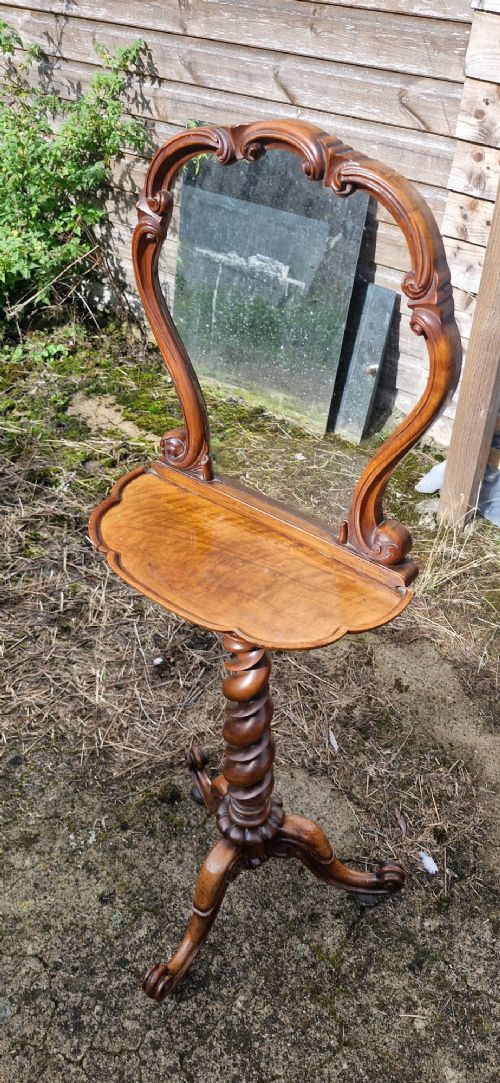
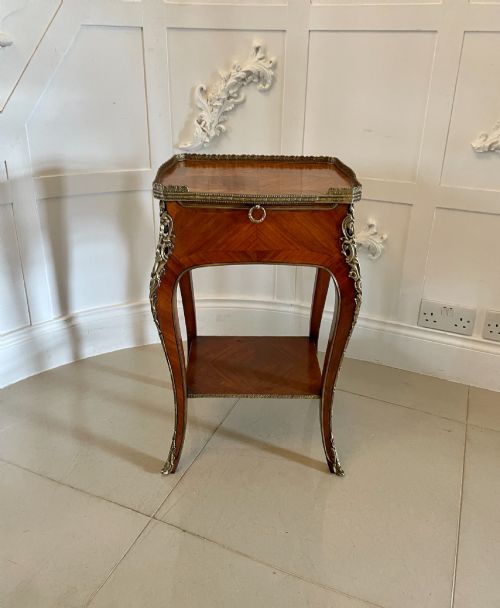
Burr walnut, mahogany, and oak dominate the construction, often supplemented by satinwood, rosewood, and exotic hardwoods. Examples range from simple rectangular tops to shaped, octagonal, demi-lune, and tilt-top formats.
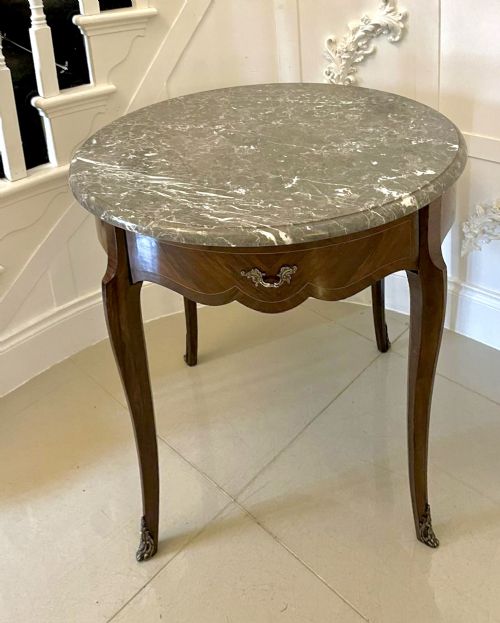
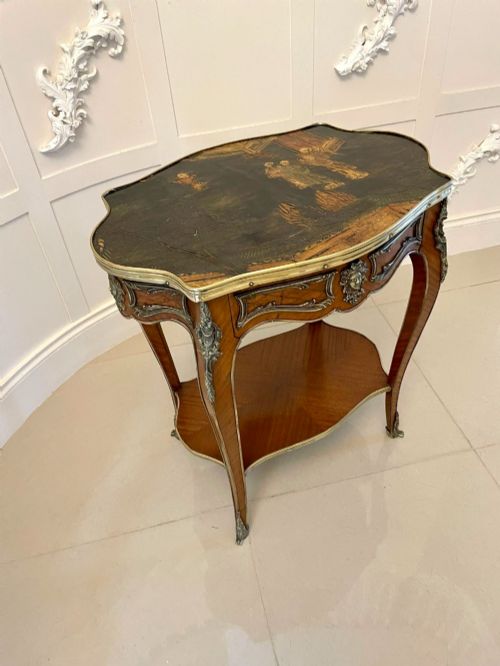
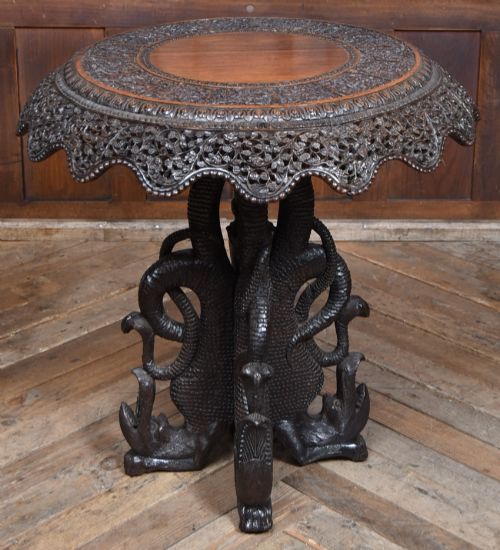
The archive and current listings demonstrate regional and imported variants alongside standard English cabinetwork. Pieces appear from French, Italian, Indian, and Asian workshops, introducing materials like bamboo, rattan, marble, and japanned finishes to the victorian aesthetic.
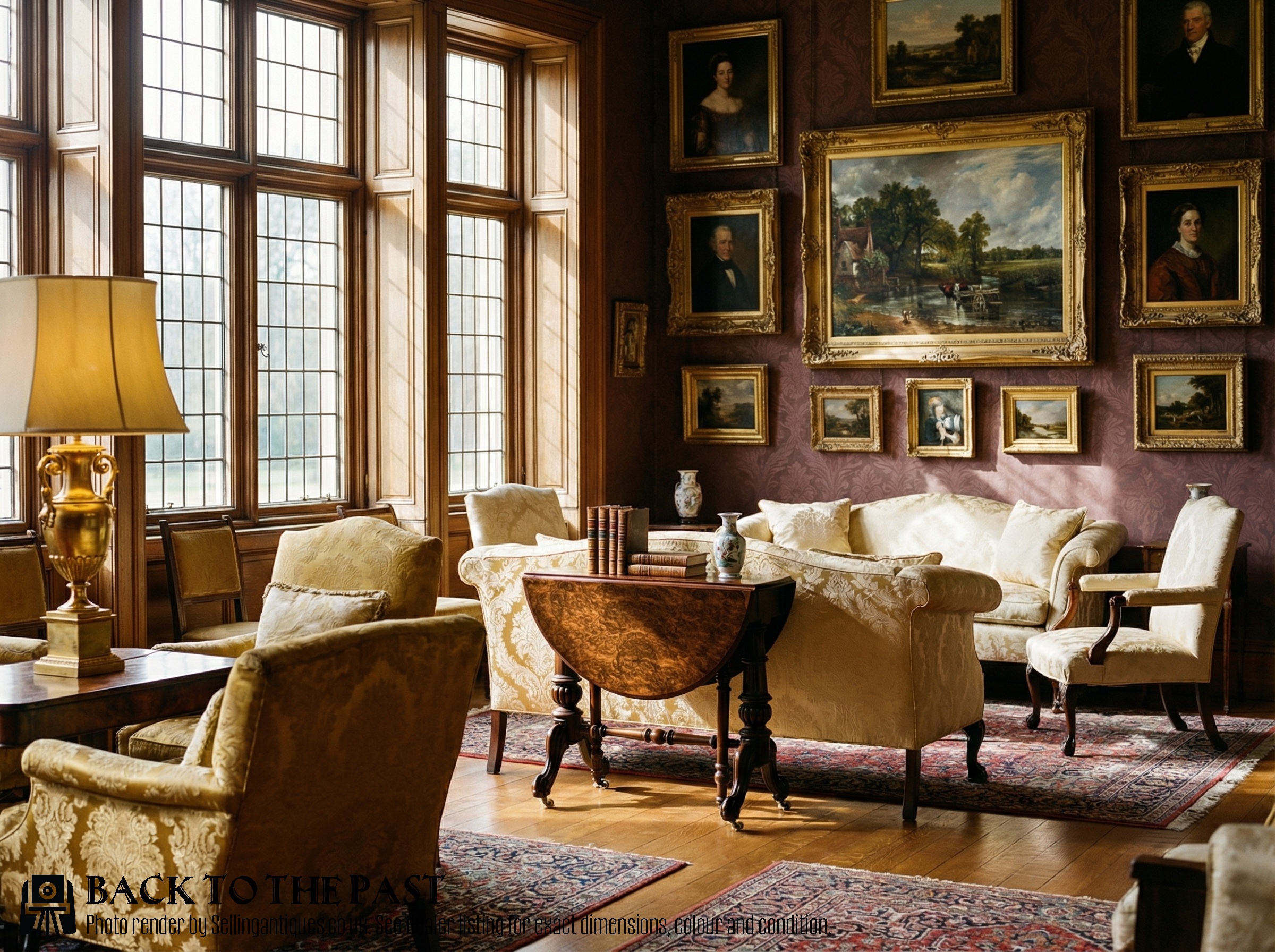
Judging Quality
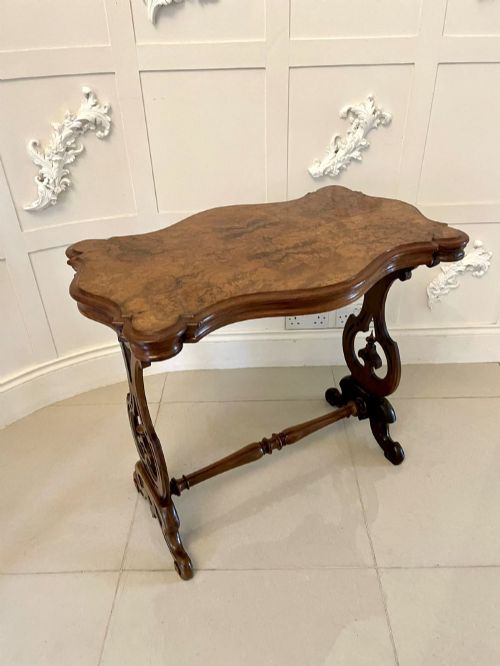
The distinction between tiers rests upon timber selection and the precision of cabinetmaking. Superior examples exhibit tightly figured burr veneers, crisp carving on legs and friezes, and balanced proportions that maintain stability.
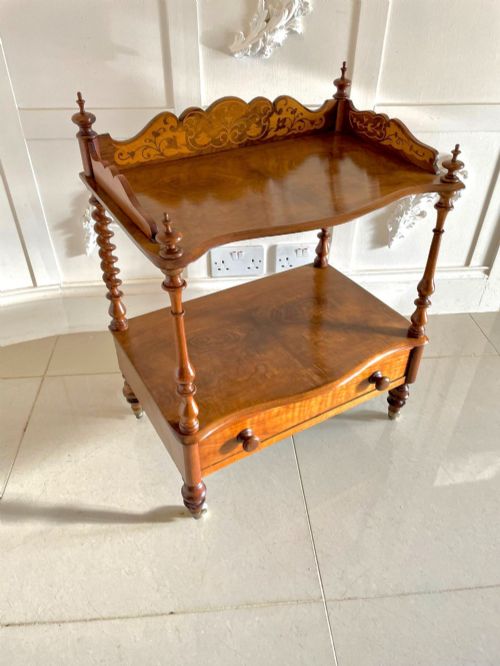
Subtlety of detail separates standard production from finer workshop output. Intricate inlay work, well-turned barley twists, and original brass hardware or castors elevate a piece, whereas crude joints and plain, unfigured secondary timbers indicate simpler manufacture.
Retail Price Guide 2026
Typical UK retail prices for victorian occasional side table, calculated from the Sellingantiques database of over a million retail prices indexed since 2003. This retail price guide relies exclusively on Sellingantiques data; no external sources or auction records are used, so the figures do not describe the wider market.
The archive records forms from standard English side tables to Indian teak folding tables and bamboo work stands.

Maple and Company
The Victorian Occasional Side Table Glossary
- Burr Walnut
- Timber taken from the warted growth of a walnut tree, yielding a highly swirled and mottled grain pattern. Cabinetmakers favoured this veneer for decorative table tops.
- Work Table
- A small nineteenth-century table equipped with drawers or a fabric bag for storing sewing materials and needlework. These pieces combine decorative presence with compartmentalised utility.
- Demi-Lune
- A half-moon shape used for console and side tables designed to sit flush against a wall. This format suits narrow hallways and smaller drawing rooms.
- Tilt-Top
- A table mechanism featuring a hinged top that tips vertically when not in use. This clever design allowed tables to be stored against room perimeters.
- Stretcher Table
- A table reinforced by horizontal rails connecting the legs near the base. These members provide structural rigidity and decorative turning.
Frequently Asked Questions
What is a victorian occasional side table?
A victorian occasional side table is a movable nineteenth-century small table intended for light domestic duties. These pieces were designed to be shifted about a room as needed.
They function as lamp stands, wine tables, or bedside surfaces. Their compact dimensions make them adaptable to modern interiors.
How do I date a side table?
Dating relies on timber choices, construction methods, and stylistic cues recorded in the wood. Early examples often feature heavy mahogany or rosewood, while later decades embraced lighter satinwood and ebonised finishes.
Examine the secondary woods inside drawers and the type of fixings used. Hand-cut dovetails and original brass castors point firmly to nineteenth-century manufacture.
Were these tables used for sewing?
Many tables catalogued as work or sewing tables incorporate internal storage. These specific variants include fitted drawers or suspended fabric bags for domestic needlework.
Victorian households utilised these multi-purpose items in drawing rooms and parlours. They kept sewing implements close at hand while maintaining a tidy surface.
How do I live with one?
A victorian occasional side table requires minimal maintenance beyond regular dusting with a dry cloth. Avoid placing timber surfaces in direct sunlight or near heat sources to protect the veneers.
Their small footprint allows them to sit beside armchairs or in awkward corners. They provide practical surface area without dominating a room.