



19th Century Workbox
These 19th century workbox pieces are fitted containers for sewing tools and needlework, offering both practical utility and refined tabletop display.

What 19th century workbox items are
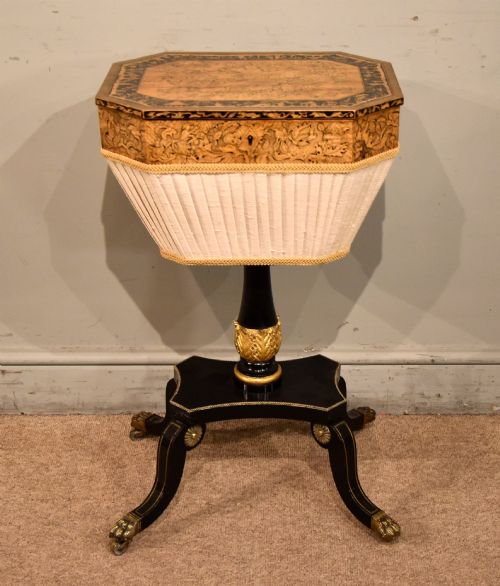
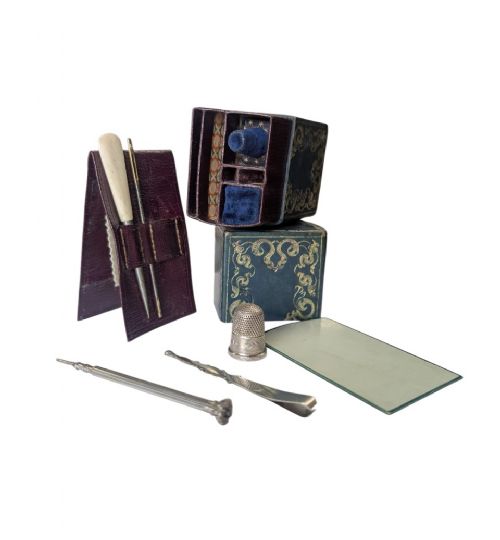
A 19th century workbox is a portable container designed to hold needles, threads, and sewing implements. The selection includes examples from the Regency and Victorian periods, along with pieces dated around 1800 and 1880.
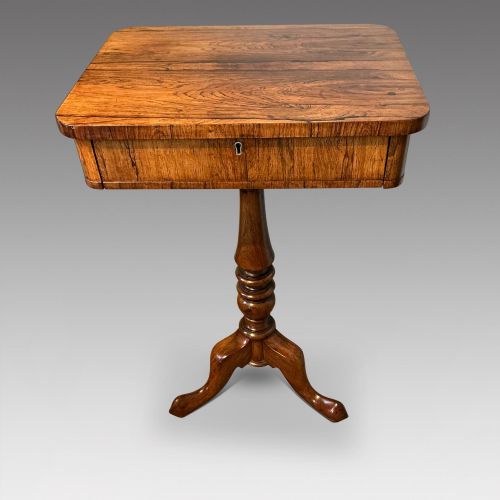
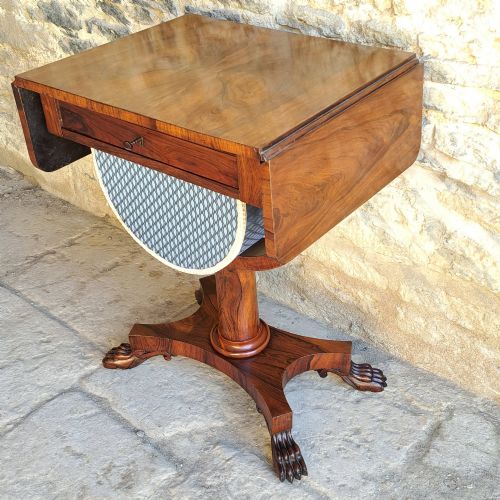
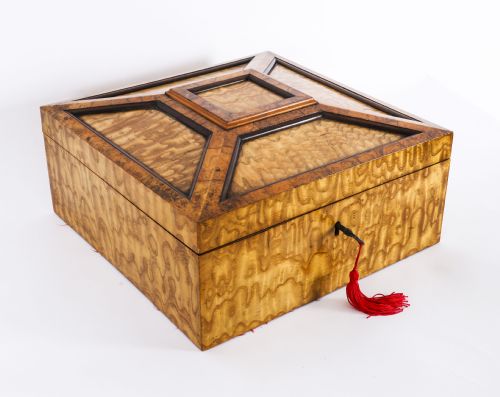
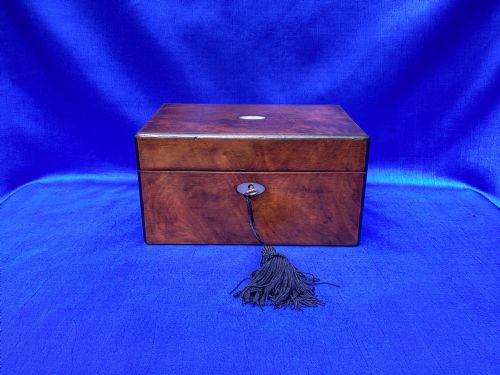
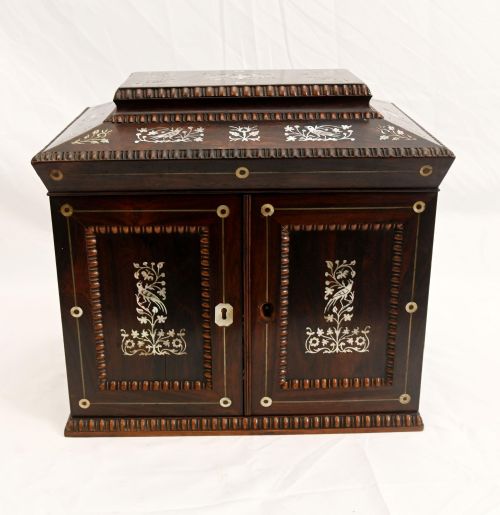
The forms span various box types such as sewing boxes, work boxes, decorative boxes, and caskets. Buyers on this page regularly encounter wooden table boxes and decorative lidded containers.
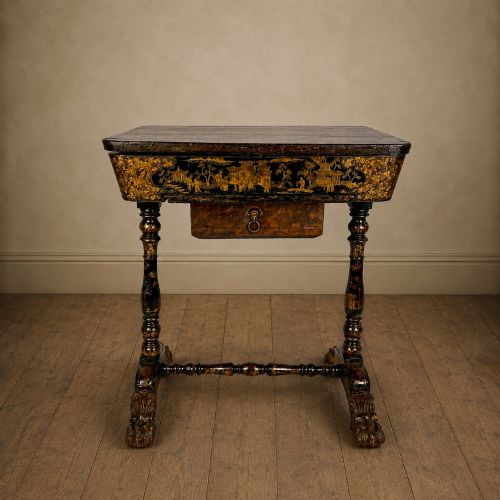
Origins and regional styles represented in the stock include Tunbridge Ware and Chinoiserie. These items served domestic interiors as functional repositories for needlecraft.
How they were made
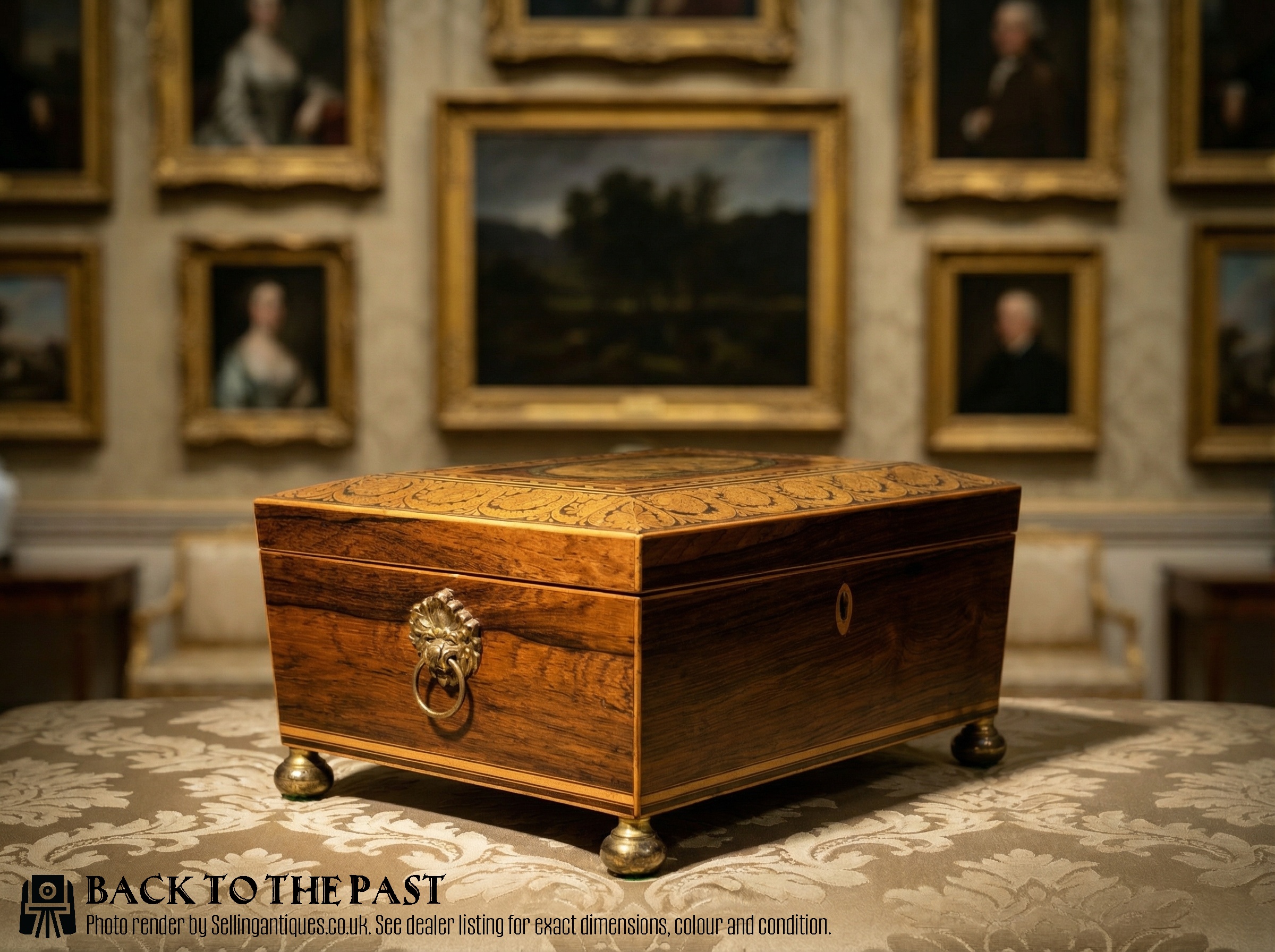
Cabinetmakers constructed these boxes using a variety of woods including rosewood, birdseye maple, walnut, oak, burr yew, and general wood substrates. Surfaces were finished with decorative techniques such as yellow japanning, Chinoiserie lacquer, and Tunbridge Ware mosaic patterns.
Fine exterior veneers often incorporated biological materials like tortoiseshell and bone. Hardware and inlay details utilised polished brass, while internal compartments frequently featured fitted silk linings and silver elements.
Retail Price Guide 2026
Typical UK retail prices for 19th century workbox, calculated from the Sellingantiques database of over a million retail prices indexed since 2003. This retail price guide relies exclusively on Sellingantiques data; no external sources or auction records are used, so the figures do not describe the wider market.
Some housemaid workboxes likely endured decades of vigorous dusting before ending up on quiet display.
What varies in quality
The distinction between standard and superior pieces rests upon the precision of the exterior veneer and the complexity of surface decoration. Elaborate Tunbridge Ware mosaic work and fine tortoiseshell application represent the upper tier of execution.
Internal organisation also dictates quality, with fully fitted compartments and intact silk interiors outranking simpler unlined box spaces. The choice of primary timber, from plain woods to figured walnut and burr yew, signals the maker's investment in materials.
The 19th Century Workbox Glossary
- Tunbridge Ware
- Woodworking technique involving small mosaic tiles assembled to form geometric or pictorial surface patterns. This style is closely associated with Victorian production.
- Japanning
- European imitation of East Asian lacquerwork, applied to wood surfaces in colours such as yellow. It creates a smooth, varnished finish.
- Tortoiseshell
- Organic material sourced from turtle shell, prized for its translucent amber and brown mottled patterns. It is used as a veneer on luxury boxes.
- Burr yew
- Timber featuring distorted grain growths that produce intricate swirling patterns. It is sliced into decorative veneers for high-end furniture and boxes.
- Birdseye maple
- Maple timber exhibiting small circular markings resembling bird eyes. This figure occurs naturally in the wood and appears in Regency pieces.
Frequently Asked Questions
What is a 19th century workbox used for?
These boxes functioned as portable storage units for sewing equipment, threads, and needles during the Regency and Victorian eras. Owners kept them on tabletops in parlours and bedrooms for daily needlework tasks.
Today, buyers use them to store modern sewing notions, jewellery, or small keepsakes. They remain decorative tabletop objects that conceal clutter.
How do I tell a Regency workbox from a Victorian one?
Regency boxes often feature cleaner neoclassical lines with timbers like birdseye maple and rosewood. They tend to rely on simple wood grain and restrained brass inlay.
Victorian examples frequently display denser ornamentation, including Tunbridge Ware mosaics or heavy walnut figuring. The later 19th century also introduced specialised forms like housemaid's workboxes.
What materials are common in these boxes?
Makers utilised a diverse range of woods including rosewood, walnut, oak, and burr yew. Exotic and decorative finishes like tortoiseshell and yellow japanning also appear.
Interiors often incorporate silk linings, bone fittings, and silver components. Brass hardware frequently secures the lids and corners.
How should I care for a wooden workbox?
Keep the wood away from direct sunlight and sudden temperature shifts to prevent veneer lifting. Dust the surface gently with a dry, soft cloth.
Protect delicate interior silk linings and tortoiseshell panels from excessive moisture. Wax can be applied sparingly to maintain the finish on solid wood surfaces.