



Victorian Parquetry Box
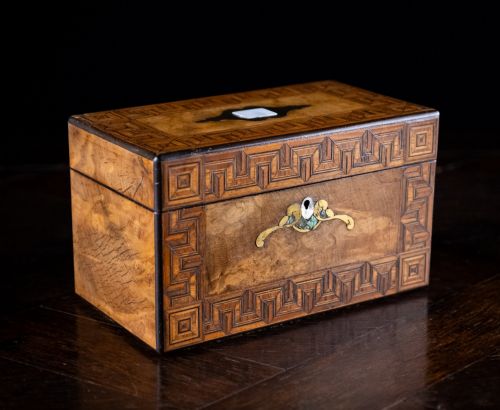
A victorian parquetry box brings intricate geometric wood mosaics and rich walnut or rosewood into daily use for storing letters, tea, or trinkets.
Victorian Parquetry Box
When you search for a victorian parquetry box, you encounter small lidded containers designed for utilitarian and decorative purposes in the nineteenth century. The examples recorded here span functional forms including tea caddies, writing slopes, sewing boxes, stationery chests, and simple keepsake or jewellery caskets.
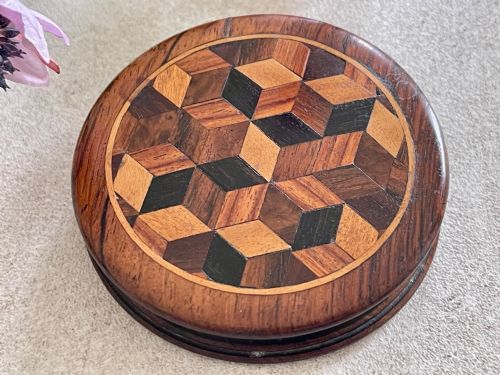
The version you are most likely to meet on this page is constructed from walnut, rosewood, or burr walnut, decorated with geometric wood inlay or Tunbridge Ware mosaic work. These items date predominantly from the Victorian period, with specific pieces attributed to the decades around eighteen-eighty and eighteen-sixty.
Makers such as Henry Hollamby and Edmund Nye produced specialised mosaic and parquetry works during the nineteenth century. Alongside these named makers, many surviving boxes demonstrate anonymous English craftsmanship applied to everyday domestic storage.
Materials and Construction
Cabinet makers utilised wood veneer over solid secondary timbers, selecting walnut, burr walnut, and rosewood for their deep grain patterns and varied natural colouration. Boxwood and brass frequently appeared as contrasting stringing or hardware details.
Parquetry and Tunbridge Ware relied on precise sawing and gluing of countless tiny blocks of specimen woods to form geometric mosaics or pictorial panels. These mosaic veneers were then applied to the exterior surfaces of tea caddies and writing boxes before polishing.
Victorian Parquetry Box Retail Price Guide 2026
Typical asking prices for victorian parquetry box among the pieces listed under this phrase on Sellingantiques today, from the lower quarter to the upper quarter. They describe what is for sale here now, not the wider market.
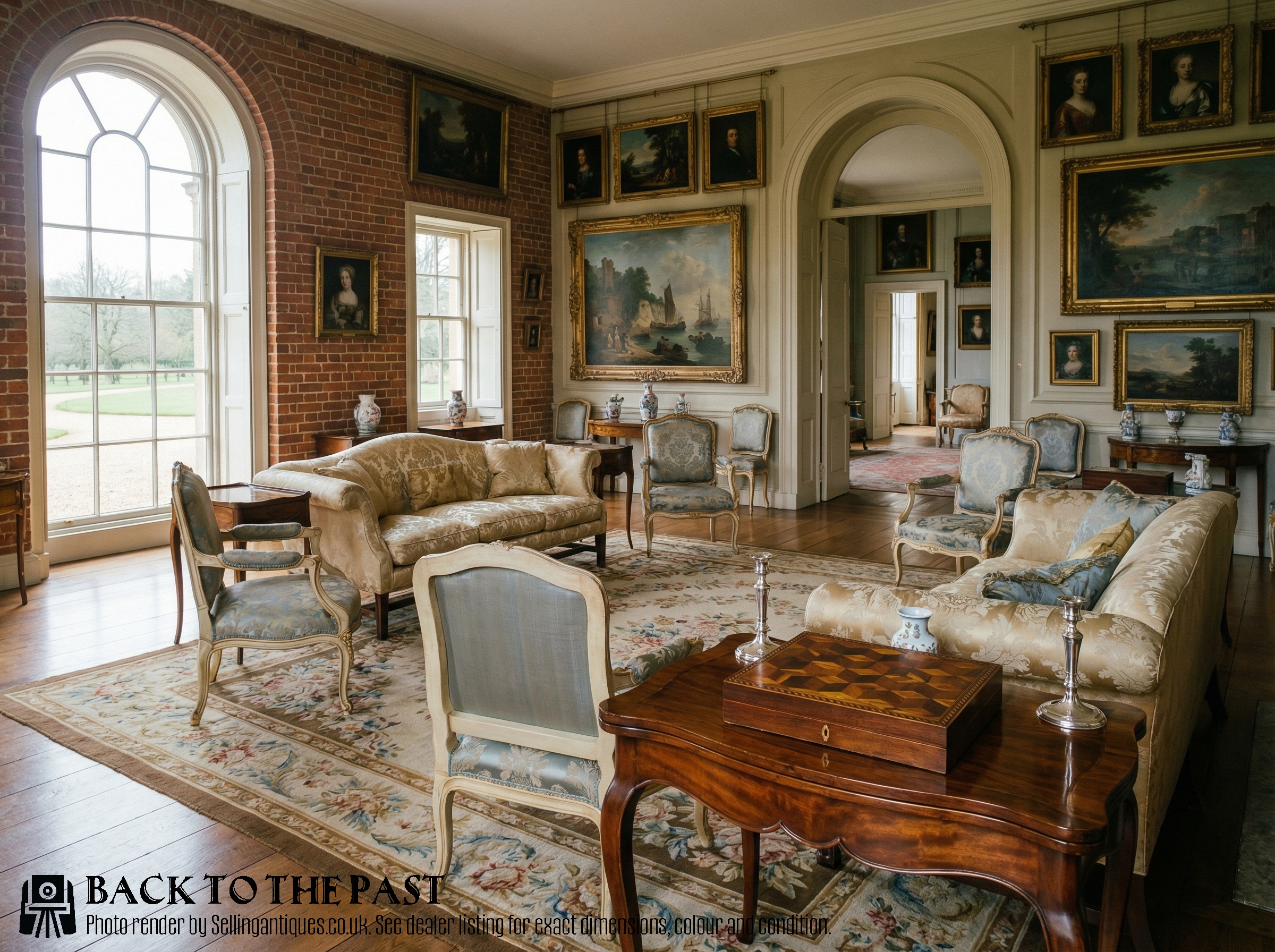
Several boxes even doubled as chess and games tables when opened up for an evening challenge.
Distinctions in Quality
Quality rests upon the complexity and precision of the wood inlay, particularly in Tunbridge Ware where smaller wood blocks and more intricate geometric or pictorial designs demand superior skill. Plain parquetry depends on the careful selection of figured walnut or burr walnut veneers to create balanced patterns.
Interior fittings also divide the standard of execution, separating basic storage boxes from fully equipped writing slopes and fitted sewing caskets complete with original compartments and trays. The integration of materials such as mother of pearl or ormolu mounts further separates standard production from elevated work.
Henry Hollamby·Edmund Nye
The Victorian Parquetry Box Glossary
- Parquetry
- Geometric wood inlay formed by arranging small pieces of veneer into regular patterns such as cubes or triangles. This technique creates a durable and decorative exterior surface for nineteenth-century boxes.
- Tunbridge Ware
- A specialised form of parquetry originating in Kent, employing tiny tesserae of naturally coloured specimen woods to build mosaic designs. Panels often depict flora, buildings, or complex geometric borders.
- Tea Caddy
- A lidded container originally designed to store loose tea leaves securely. Nineteenth-century examples often feature internal compartments and foil linings.
- Writing Slope
- A portable desk that opens to reveal a slanted writing surface and pigeonholes for stationery and ink. These pieces frequently incorporate hidden drawers and leather inserts.
- Specimen Woods
- A collection of native and exotic timbers selected for their contrasting natural colours and grain patterns. Makers utilised these woods without artificial staining to build mosaic pictures and geometric borders.
Victorian Parquetry Box: Frequently Asked Questions
What is a victorian parquetry box used for?
These boxes served practical domestic functions in the nineteenth century, holding precious items like tea, stationery, correspondence, sewing tools, or jewellery.
Today, they function well on side tables or desks as decorative containers for modern keepsakes and small personal accessories.
What woods are typical for these boxes?
Walnut, burr walnut, and rosewood provide the primary carcases and veneers for the majority of nineteenth-century examples.
Boxwood, ebony, and various fruitwoods appear alongside brass and mother of pearl to create contrasting geometric borders and inlay.
How should I care for a wood box?
Keep the wood away from direct sunlight and extreme humidity changes to prevent the delicate veneer and mosaic tiles from lifting.
Apply a minimal amount of appropriate furniture wax occasionally to nourish the historic polish without building up residue.