




Geometric Inlay Box
A geometric inlay box is a small wooden chest decorated with intricate wood mosaic patterns, prized for both desktop organisation and cabinet display.
What a geometric inlay box is
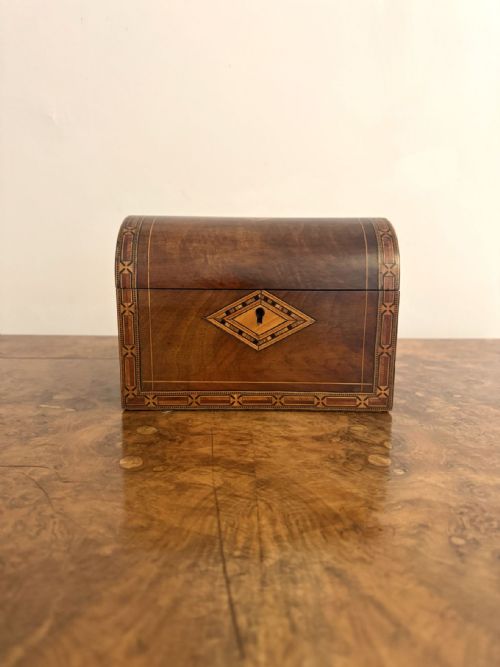
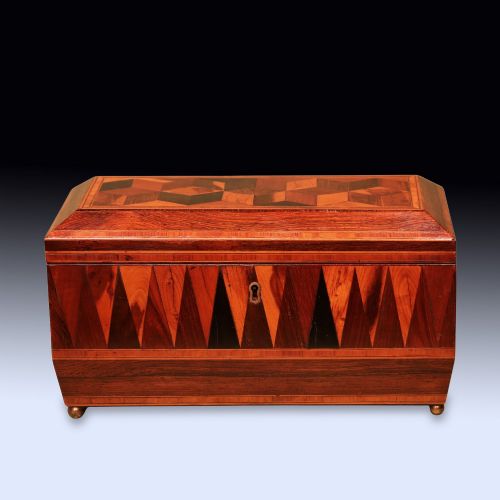
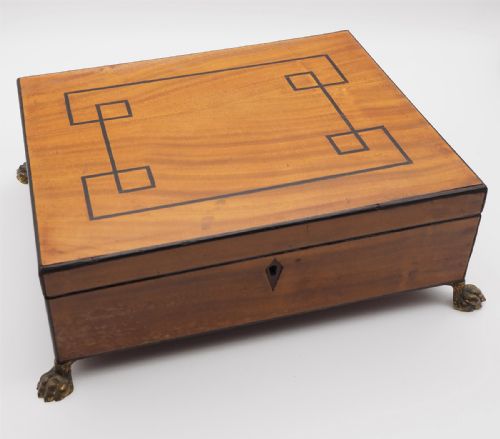
A geometric inlay box appears in forms such as tea caddies, snuff boxes, stationery boxes, and small collectors trinket boxes. These pieces emerge primarily from the Victorian period and the nineteenth century, including specific dates like 1880.
The dominant style is Victorian, often associated with Tunbridge ware manufacture. Buyers most frequently encounter wooden receptacles decorated with precise pictorial or geometric tessellations on this page.
How they were made
Maker construction relies on cabinet timbers such as walnut and rosewood as primary carcase materials. Artisans apply mixed wood veneers alongside boxwood to build up contrasting foundational surfaces.
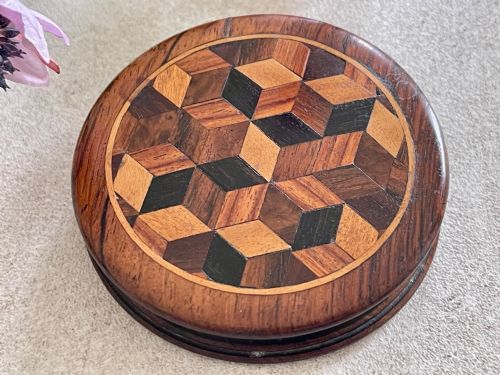
Surface ornamentation incorporates specialised wood inlay techniques using specimen woods to form microscopic mosaic patterns. Metal details such as brass hardware frequently supplement the hinged wooden structures.
Current listings feature nineteenth century walnut and rosewood pieces alongside specific 1880 examples incorporating boxwood and brass.
What varies in quality
Quality separates ordinary turned boxes from masterworks by the sheer density and microscopic precision of the timber mosaic. The finest examples demand immense patience, assembling thousands of tiny wood segments into coherent pictorial or geometric bands.
Edmund Nye
The Geometric Inlay Box Glossary
- Tunbridge ware
- A specialised type of wooden marquetry produced in Kent, featuring tiny mosaic tesserae made from natural woods. Each geometric or pictorial motif is constructed from thousands of vertical wood filaments glued together and sliced across.
- Specimen wood
- Natural timber selected for its distinct colour or grain pattern rather than structural strength. Makers gathered numerous native and exotic varieties to create natural colour palettes without the use of dye.
- Veneer
- A thin slice of superior wood applied over a secondary timber carcase to provide a decorative exterior. Mixed wood veneers allowed Victorian makers to achieve complex geometric arrangements on simple box frames.
- Caddy
- A small lidded container historically used for storing tea leaves. In nineteenth century examples, these often feature internal compartments and secure locking mechanisms.
Frequently Asked Questions
What are geometric inlay boxes used for?
These small wooden chests served practical domestic purposes on writing desks and dressing tables. Victorians utilised them to store correspondence, pin letters, or secure expensive dried tea leaves.
Today, collectors use them to display intricate woodworking craftsmanship on mantelpieces or within glass cabinets. Their small scale makes them ideal for holding modern trinkets while retaining historical presence.
How do I date a Victorian box?
Dating relies on examining the construction methods, secondary timbers, and characteristic decorative motifs used during the nineteenth century. Tunbridge ware pieces often display stylistic markers that align with production decades like the 1880s.
Hardware such as brass hinges and escutcheons also provide clues to the period of manufacture. Makers' labels or stamps inside the lid occasionally confirm the exact workshop origin.
What is Tunbridge inlay?
Tunbridge inlay is a meticulous mosaic technique where thousands of tiny wood blocks are arranged to form detailed geometric or floral patterns. Artisans glued rods of various timbers together before slicing them thinly across the grain.
This method created multiple identical pattern strips that were then applied to the exterior of wooden boxes. The resulting surface mimics the appearance of a detailed painting made entirely from natural wood colours.
Are these boxes made of solid wood?
Most nineteenth century examples feature carcases built from secondary timbers like walnut or rosewood, finished with decorative veneers. Solid construction was generally reserved for smaller items like snuff boxes or miniature trinket containers.
The geometric mosaic ornamentation itself consists of numerous microscopic wood segments glued onto a foundational base board. This composite approach prevented warping while maximising the visual impact of expensive specimen woods.