


Specimen Wood Box
These specimen wood box examples bring together varied timbers and meticulous joinery, offering neat storage for small collections.
Specimen Wood Box
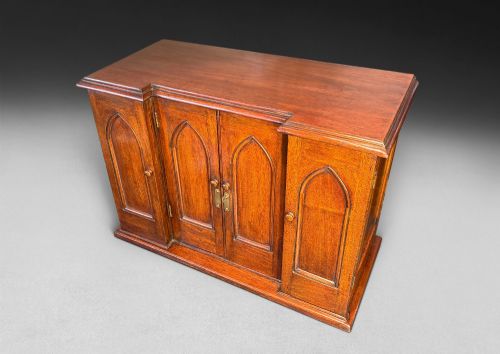
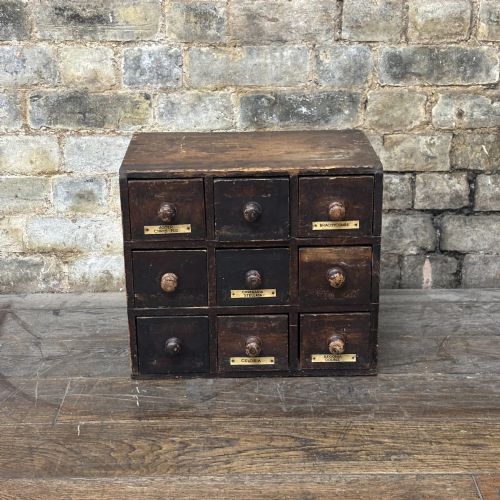
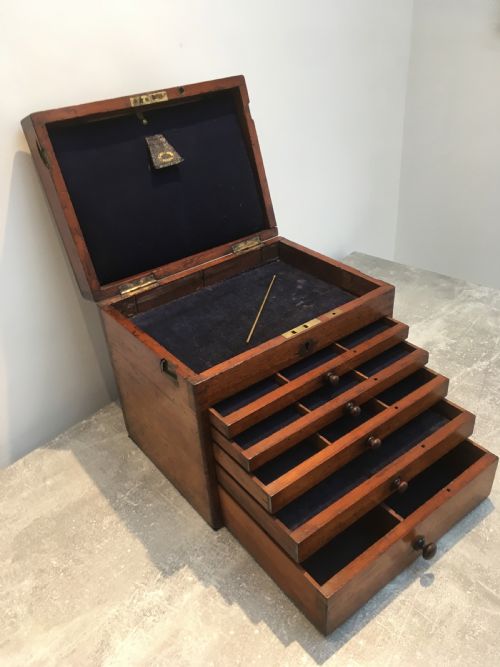
A specimen wood box serves as a desktop or table-top container, often designed with multiple drawers or fitted compartments to house small objects.
The pieces seen here span the nineteenth century, including Victorian, Regency, and Edwardian examples, alongside related collector cabinets and stationery boxes.
Makers utilised distinct timbers, sometimes arranging them in geometric patterns or banding them with herringbone stringing to display the natural colour of the wood.
Materials and construction
Makers constructed the primary carcases in mahogany, oak, pine, or satinwood, applying various contrasting timbers as veneers or inlaid specimens.
Details such as brass handles, glass panels, and paper linings appear across the pieces, supporting specific uses from stationery storage to natural history displays.
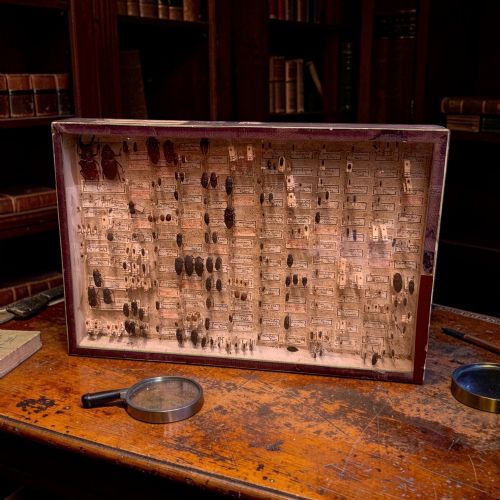
Some nineteenth century boxes held Eurasian jays or microscope slides, doubling as tiny museums.
What separates the standard from the exceptional
The degree of precision in the timber selection and the complexity of the wood mosaics dictate the standing of a piece.
Fitted interiors, signed makers' labels, and untouched patination elevate examples from utilitarian containers to masterwork cabinetry.
Edmund Nye·Ralph Turnbull·Gillows
The Specimen Wood Box Glossary
- Specimen woods
- Timbers selected for their contrasting colours and grain patterns, often arranged in geometric or mosaic designs on box lids.
- Stringing
- A thin inlay of contrasting wood or light-coloured material set into the surface to form decorative borders.
- Tunbridge ware
- Small wooden objects decorated with mosaic patterns made from tiny wood blocks of various natural colours.
- Collector cabinet
- A small piece of furniture fitted with multiple shallow drawers designed to hold natural history specimens or small artefacts.
Specimen Wood Box: Frequently Asked Questions
What were specimen wood boxes used for?
These boxes held small valuable items, correspondence, or natural history specimens such as insects, slides, and minerals.
Their divided interiors and shallow drawers kept delicate items organised and protected on a desk or table.
How do I date a specimen wood box?
Dating relies on the secondary timbers, construction methods, and overall style of the piece, ranging from Regency forms to Edwardian utilitarian designs.
Nineteenth-century pieces frequently show hand-cut dovetails and specific regional timbers that point to colonial or British workshops.
Where were these boxes made?
Makers produced these pieces in British workshops, as well as colonial centres such as Jamaica, Tasmania, India, and New Zealand.
Local timbers from these regions often identify the geographical origin of the specific box.
How do I care for a wood box?
Keep the wood away from direct heat sources and sudden temperature changes to prevent the veneers from lifting or splitting.
Apply a light wax polish occasionally to nourish the timber and maintain the sheen of the surface.