


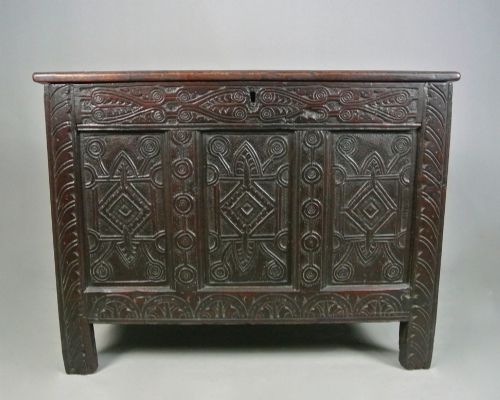
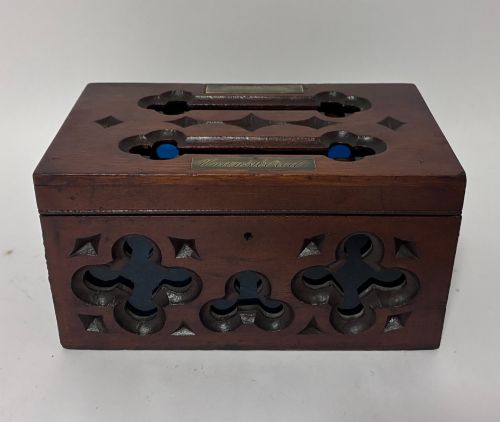
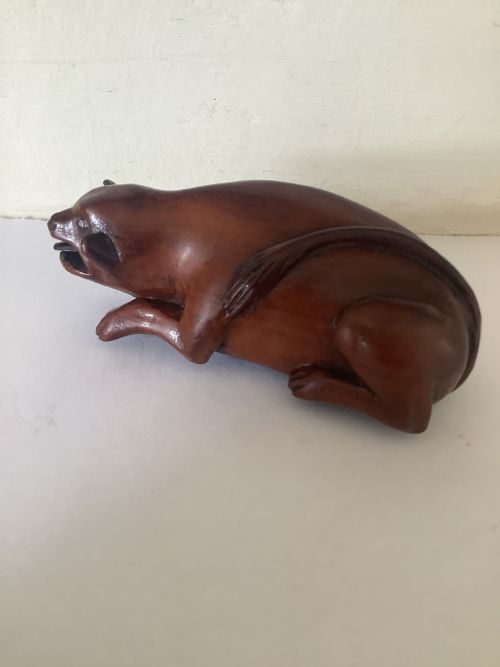
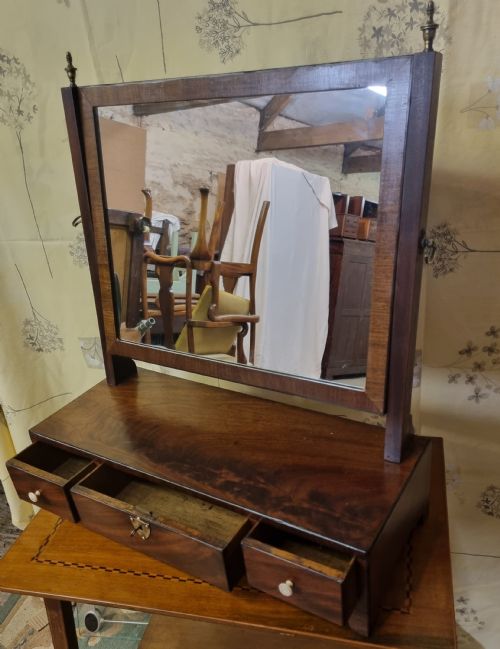
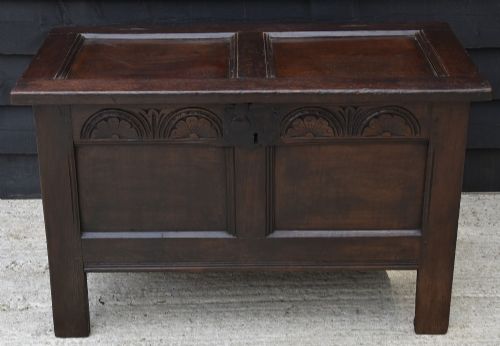
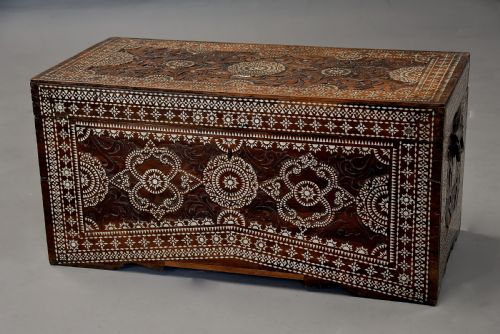
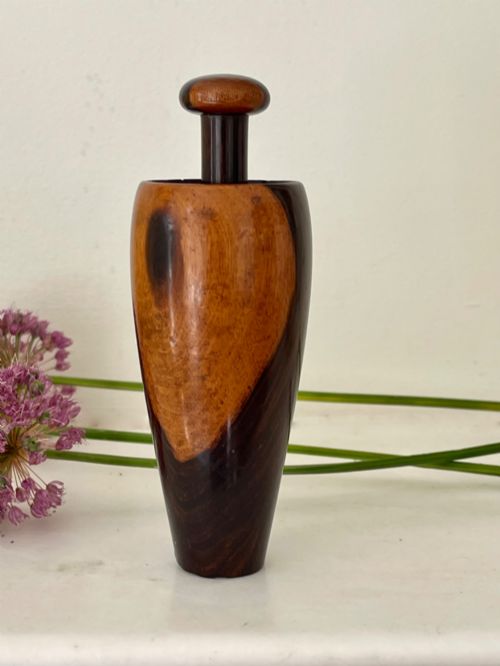
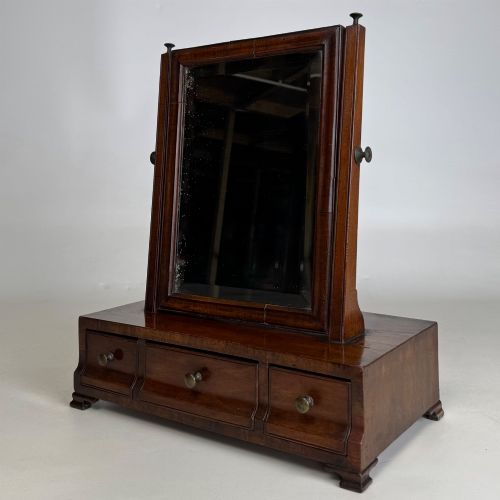
Dark Wood Box
A dark wood box holds small treasures safely and anchors a desk or table with deep, rich tones.
Understanding the Dark Wood Box
The search phrase dark wood box gathers a variety of compact containers intended for storage and display. You will most frequently meet rosewood, coromandel, and walnut pieces from the Georgian and Victorian periods.
Forms range from tea caddies and miniature sideboards to travelling vanity cases, jewellery boxes, and collectors cabinets. African tribal work from around 1900 also appears alongside English Tunbridge Ware.
These vessels served practical purposes for tea, correspondence, and personal ornaments. Their survival reflects the durable timbers selected by makers.
Materials and Construction
Makers utilised dense timbers such as rosewood, walnut, and coromandel wood, often pairing them with contrasting boxwood stringing or intricate mosaic patterns. Brass hardware, including escutcheons and campaign handles, provided functional reinforcement.
Interiors frequently incorporate fitted glass, velvet linings, and smaller compartments tailored for jewellery or tea leaves. Hand carving appears on pieces like the Kuba Culture hand-carved box.
Retail Price Guide 2026
Typical UK retail prices for dark wood box, calculated from the Sellingantiques database of over a million retail prices indexed since 2003. This retail price guide relies exclusively on Sellingantiques data; no external sources or auction records are used, so the figures do not describe the wider market.
A tiny mosaic tea caddy box hides its secrets behind thousands of microscopic wooden tiles.
Judging Quality and Finish
Quality rests on the selection of timber and the precision of decorative elements like Tunbridge Ware mosaic work. Finer examples display harmonious grain patterns and meticulous joinery that withstands centuries of handling.
The sophistication of internal fittings, such as original velvet linings and compartmentalised trays, distinguishes standard utilitarian containers from exceptional pieces meant for wealthy patrons.
The Dark Wood Box Glossary
- Tunbridge Ware
- Woodworking characterised by tiny mosaic tiles forming pictorial or geometric designs. This technique reached high popularity in nineteenth-century England.
- Campaign Box
- A portable container made with flush brass handles and reinforced corners for travel. These items were built for durability on military or colonial journeys.
- Tea Caddy
- A vessel designed to store tea leaves securely when tea was an expensive commodity. Many include internal lids and compartments.
- Escutcheon
- A protective plate surrounding a keyhole. It prevents the surrounding timber from splitting through repeated use of the key.
- Coromandel
- A dense, heavily figured exotic hardwood imported from Asia. It is prized for its dark brown colour and striking contrasting streaks.
Frequently Asked Questions
What were dark wood boxes used for?
These containers served specific domestic functions such as holding loose tea leaves, storing jewellery, or carrying personal grooming items during travel.
Their sturdy construction ensured that valuable or delicate possessions remained protected from dust and damage in daily household life.
How do I date a Victorian box?
Dating relies on examining the timber species, construction methods, and internal hardware styles characteristic of the nineteenth century.
Makers marks, style of brass escutcheons, and specific decorative techniques like Tunbridge Ware mosaic also help narrow the period.
Are these boxes made of solid wood?
Many examples feature fine timbers applied as veneers over a stable secondary hardwood substrate to prevent warping.
Solid construction does occur in specific types, particularly in carved items or smaller travelling pieces where structural strength is paramount.
How should I clean a rosewood surface?
Dust the timber gently with a soft, dry cloth to remove particles without scratching the polished finish.
Avoid applying modern liquid furniture polishes, as silicone and heavy waxes can build up and dull the historic patina over time.