
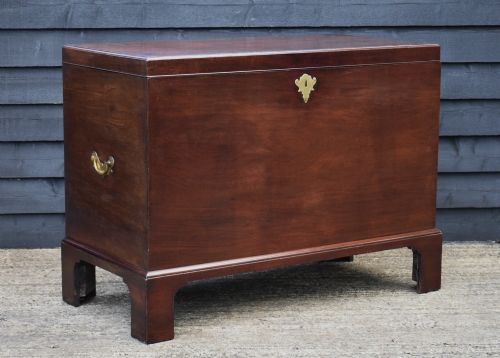
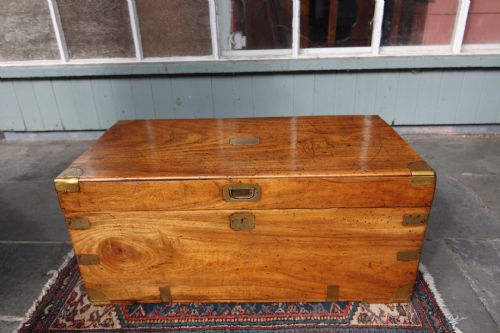
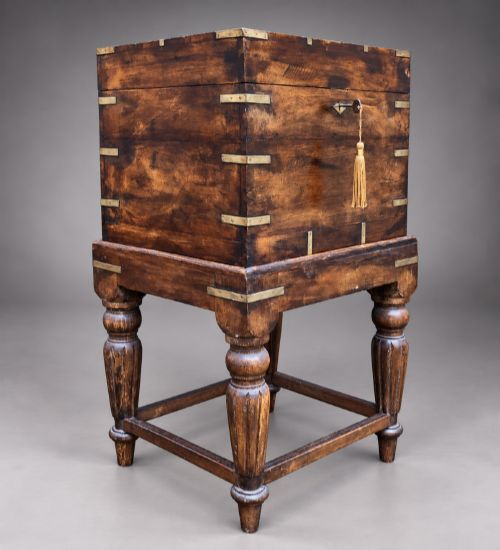
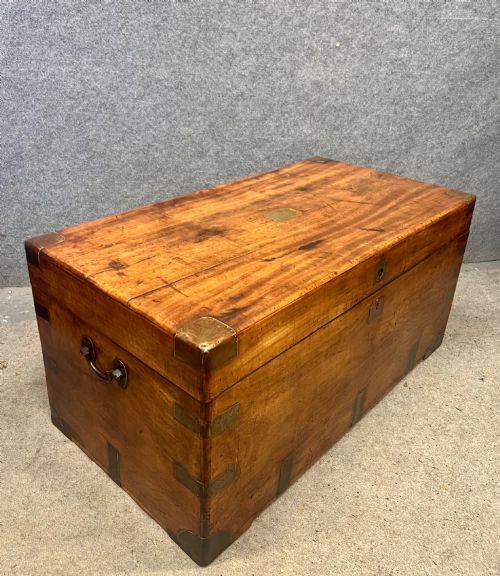


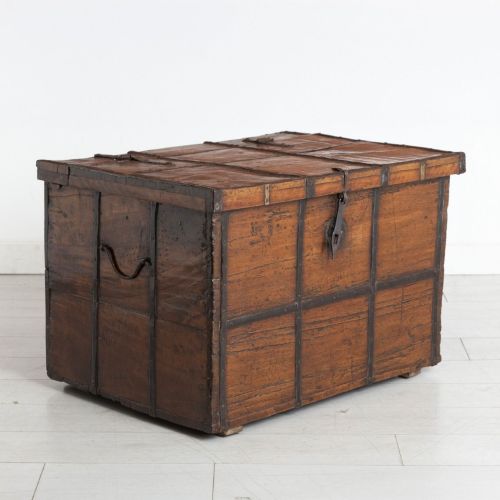
Vintage Campaign Box
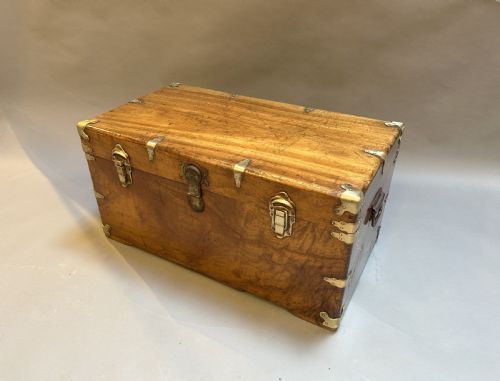
A vintage campaign box is a portable piece of officers' furniture built to travel the globe.
Vintage Campaign Box
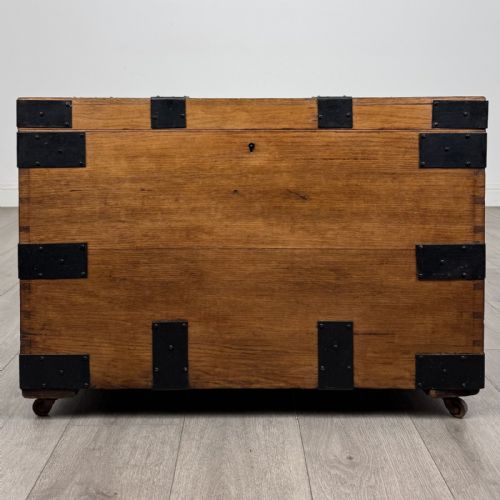
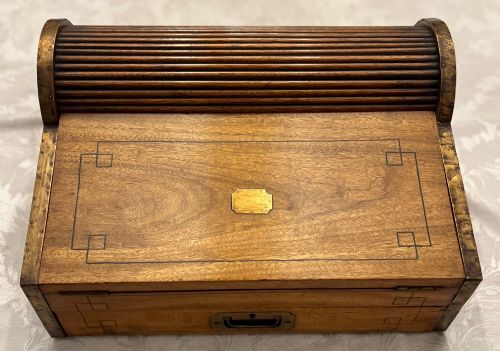
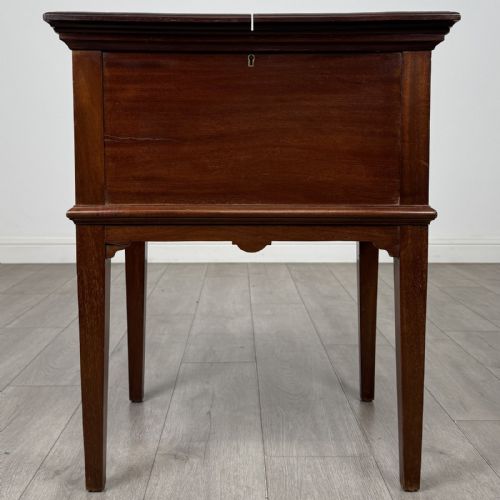
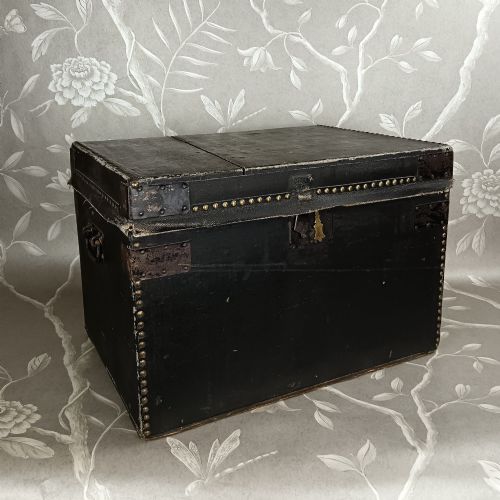
When you search for a vintage campaign box, you encounter robust travelling furniture designed for military officers and colonial administrators on the move. These pieces include sturdy chests, writing slopes, and deed boxes intended to withstand arduous journeys across oceans and continents.
The versions you meet most frequently on this page date from the nineteenth century and the Victorian era, constructed to pack down efficiently or endure rough handling in transit. They range from large camphor wood trunks to compact walnut stationery cases and writing desks.
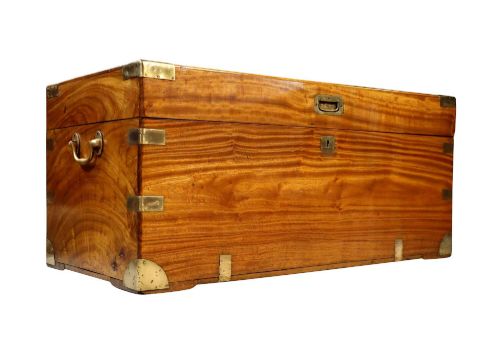
Makers built these items for practicality during deployment, utilising durable timbers that resisted humidity and insect damage. Today, collectors value them for their ingenious compartments, flush-fitting brass hardware, and dense hardwood construction.
How they were made
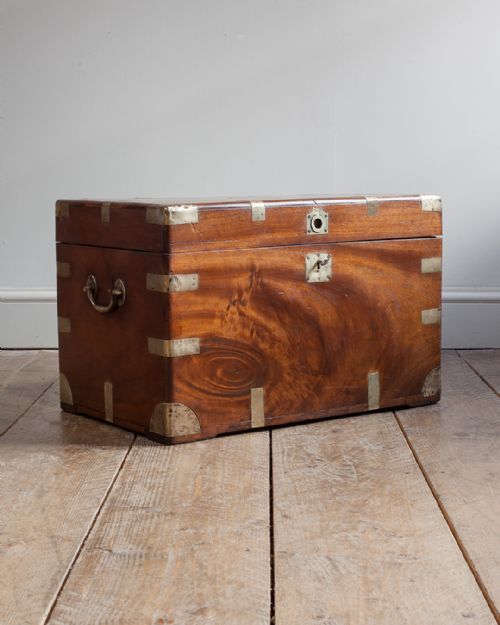
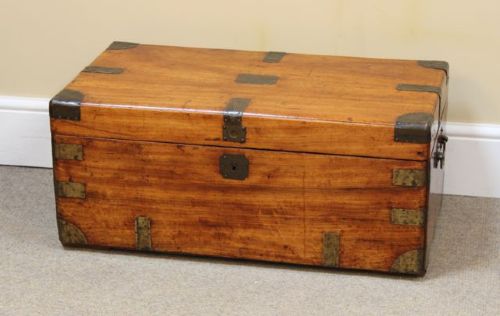
Craftsmen built these portable containers using tough, resilient timbers such as camphor wood, teak, mahogany, and padouk, which tolerated extreme climates without warping. Iron and brass bound the corners, edges, and lids to protect the wood from the inevitable knocks of military transport.
Joinery had to remain tight and stable, often incorporating secret drawers, folding mechanisms, and recessed handles that sat flush to prevent snagging. Linings of leather and fitted interior compartments kept correspondence, valuables, and writing equipment secure during rough voyages.
What varies in quality
The distinction between ordinary utility pieces and the finest examples lies in the precision of the hardware and the selection of timber. Superior items feature heavy, hand-cast brass mounts securely fastened with fine screws, alongside secret compartments and fully operational locks with original keys.
Construction methods also set pieces apart, as master cabinetmakers ensured that joints remained rigid despite the shrinking and swelling of wood caused by changing climates. The figuring of the grain in woods like rosewood, walnut, and padouk further elevates the standing of a piece.
Samuel Pratt·Wm Insall of Bristol·Austin
The Vintage Campaign Box Glossary
- Campaign chest
- A modular chest of drawers or trunk built in sections with recessed brass handles for military transport.
- Writing slope
- A portable slant-topped desk that opens to reveal a writing surface, inkwells, and storage for stationery.
- Camphor wood
- A fragrant tropical timber naturally resistant to insects and moisture, frequently utilised for maritime and colonial trunks.
- Brass bound
- Furniture strengthened on corners and edges with brass straps to survive rough handling during travel.
- Apothecary box
- A small fitted chest containing compartments and bottles for medicines, designed for use on expeditions.
Vintage Campaign Box: Frequently Asked Questions
What is a campaign box?
A campaign box is a portable container constructed for military officers, diplomats, and travellers during the eighteenth and nineteenth centuries. These items were designed to dismantle or withstand rough transport while keeping contents secure.
They include writing slopes, deed boxes, and large chests made from durable woods like camphor and teak. Their defining characteristic is functional portability combined with high-quality cabinetmaking.
Why use camphor wood?
Camphor wood was chosen for campaign furniture because its natural oils repel insects and resist the damp conditions encountered on sea voyages and in tropical postings. This made it the ideal material for protecting uniforms, papers, and personal valuables.
The timber also adds a distinct aromatic quality to the interior of the trunks and chests. Cabinetmakers valued it for its stability and attractive grain when polished.
How do I date a campaign box?
Dating relies on examining the construction methods, materials, and hardware styles of the piece. Nineteenth-century examples often feature machine-made screws alongside hand-cut dovetails and standardised brass mounts.
Earlier eighteenth-century pieces display heavier iron bindings and simpler, entirely hand-forged joints. The type of wood and specific brass corner reinforcement also offer clear clues to the manufacturing era.
How do I clean brass hardware?
Brass hardware should be cleaned gently to preserve the aged patina that collectors appreciate. Avoid harsh chemical polishes that strip away the dark oxidation accumulated over centuries.
A soft cloth and mild soap are usually sufficient to remove surface dust without altering the historical character of the metalwork.