
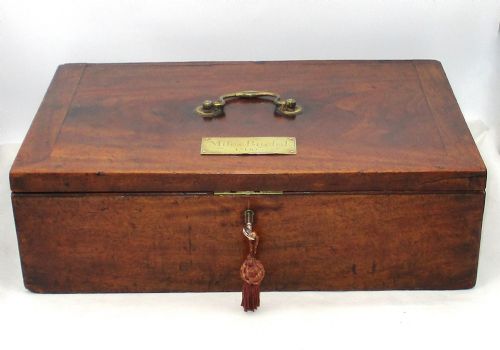
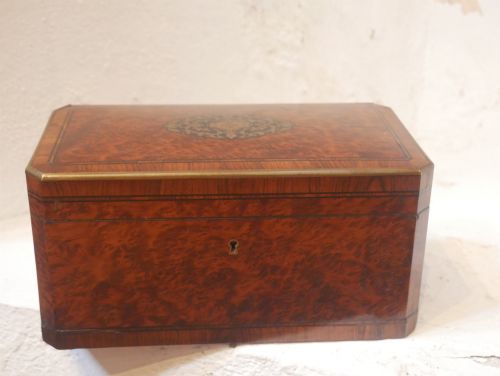
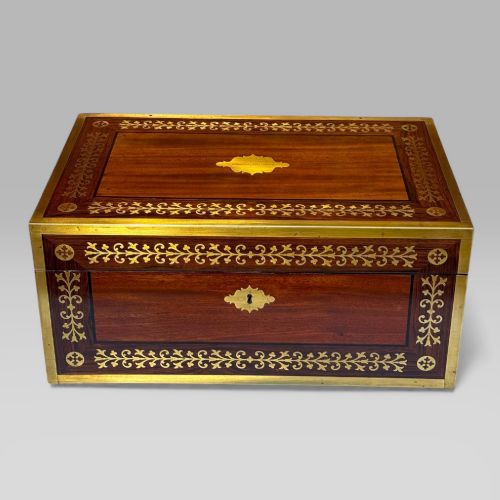
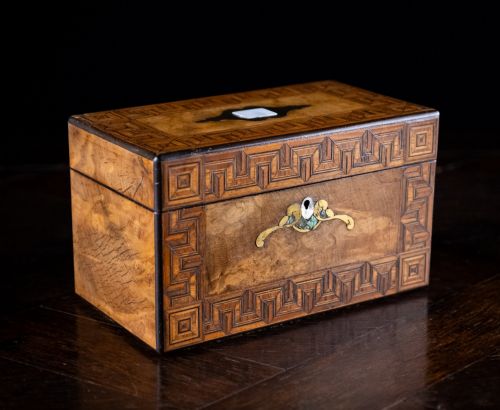
Brass Inlay Box
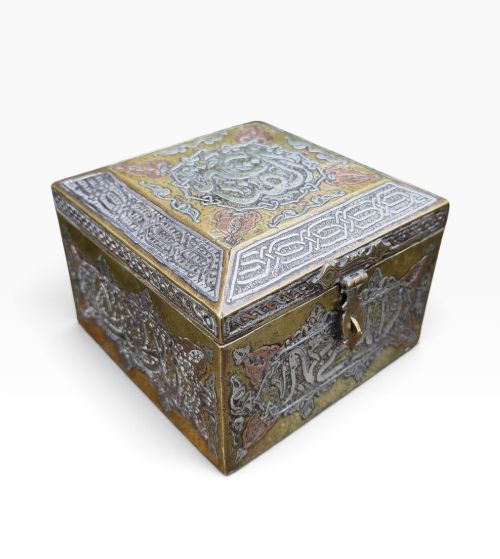
A brass inlay box is a tactile triumph of timber and metal, prized for its sharp geometry and rich contrast.
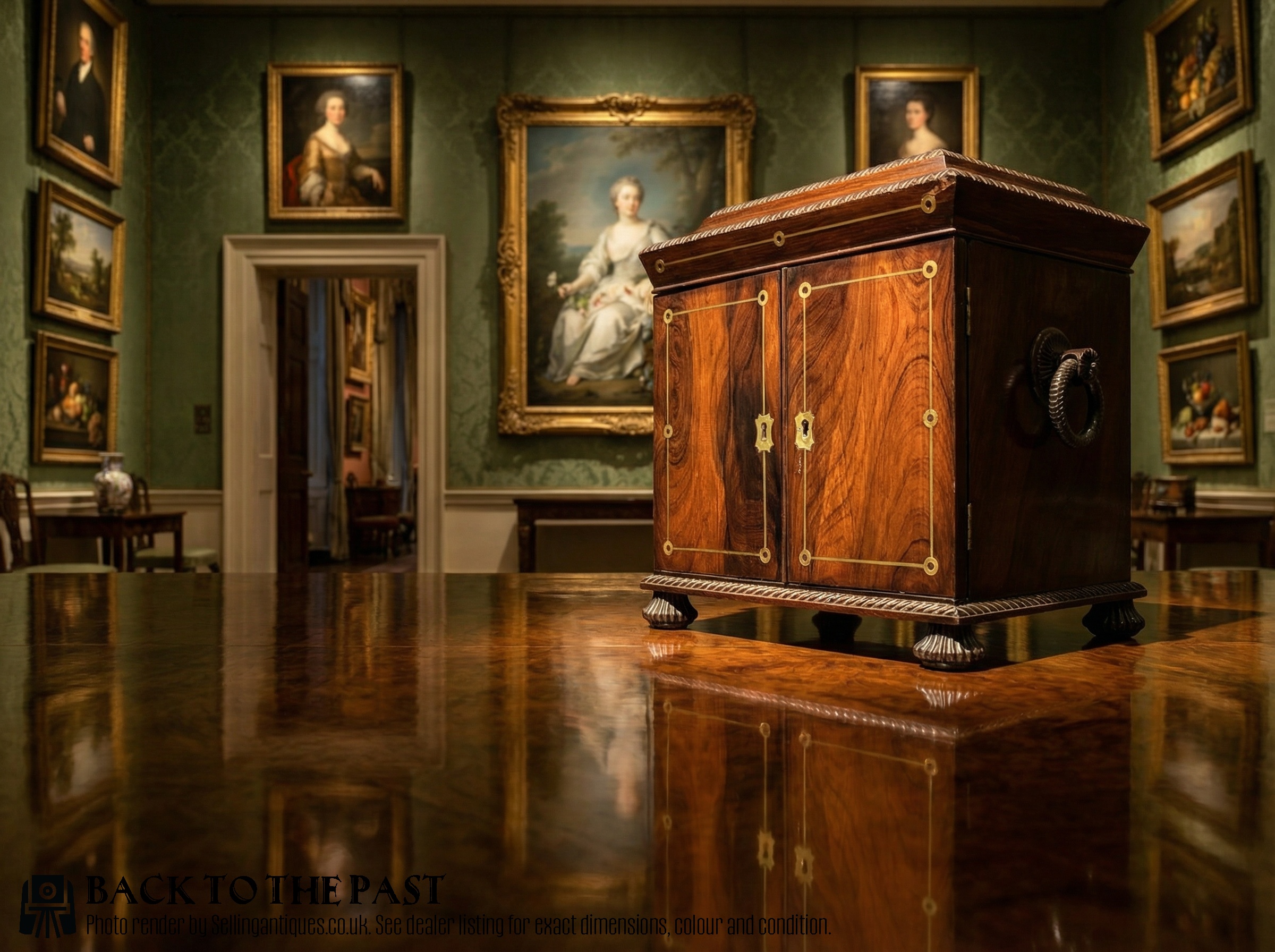
Identifying the brass inlay box
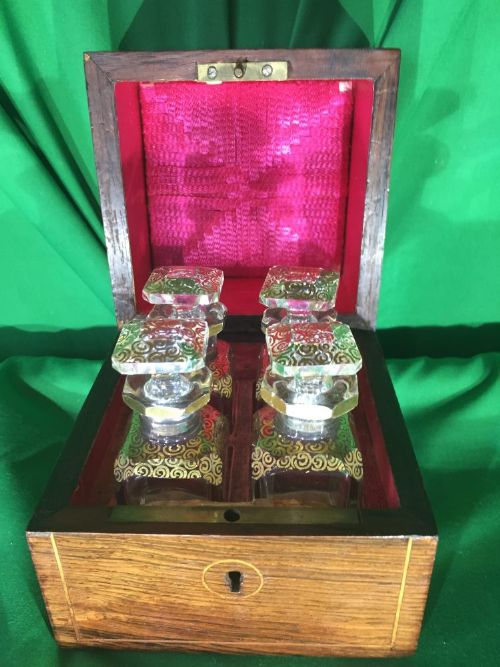
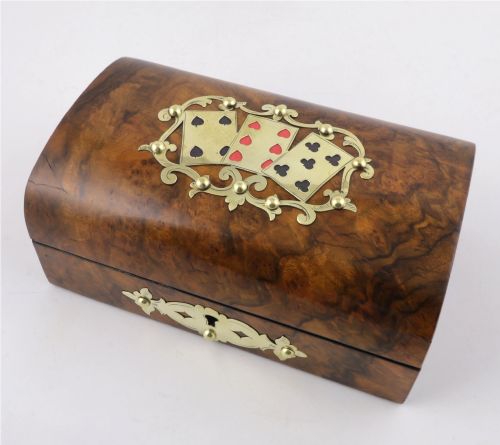
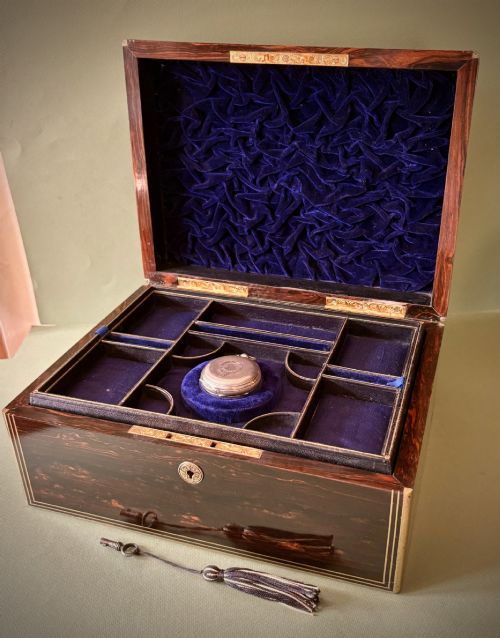
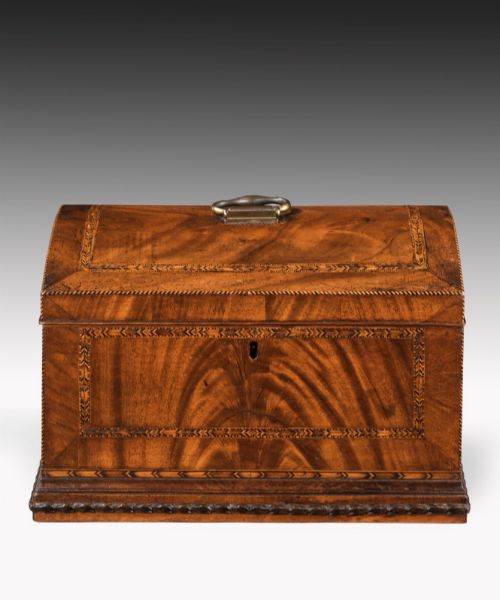
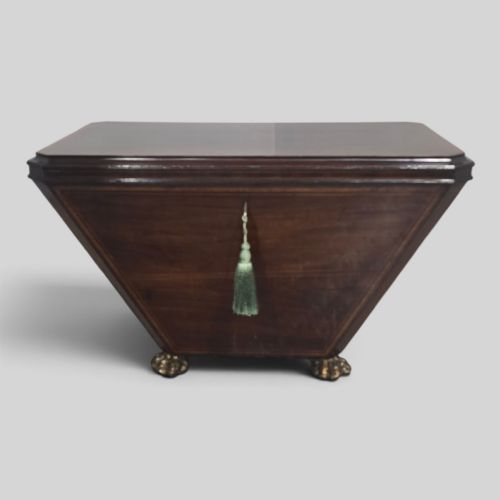
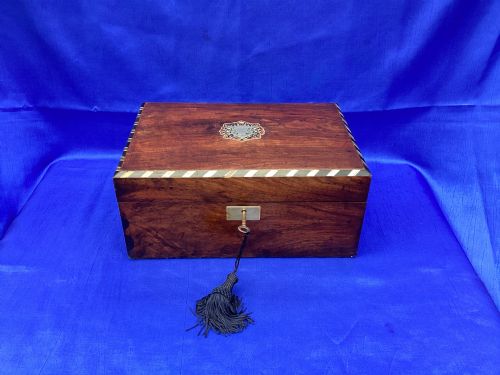
When you search for a brass inlay box, you encounter pieces designed to hold correspondence, jewellery, cards, or tobacco. The selection spans Georgian, Regency, Victorian, and Art Deco eras, capturing centuries of domestic storage.
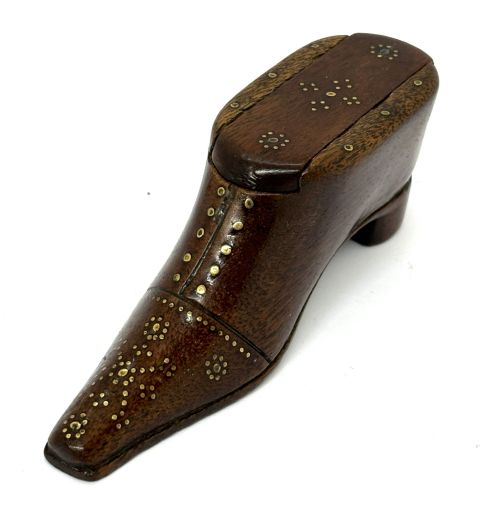
Rosewood and mahogany dominate the material record, frequently paired with cut brass decoration. Forms range from simple table boxes and campaign boxes to sewing boxes and novelty cigarette boxes.
Earlier examples lean towards the Regency period with precise cut brass work, whilst later Victorian and Art Deco pieces introduce alternative timber grounds and distinct functional forms.
Construction and materials
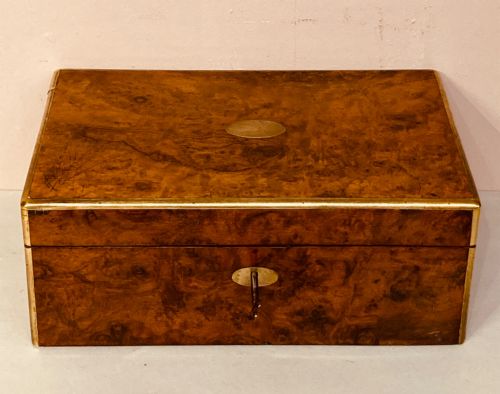
Cabinetmakers constructed the carcases from dense tropical hardwoods such as rosewood, mahogany, and burr walnut. These timbers provided a dark, stable ground that highlighted the bright metallic detail.
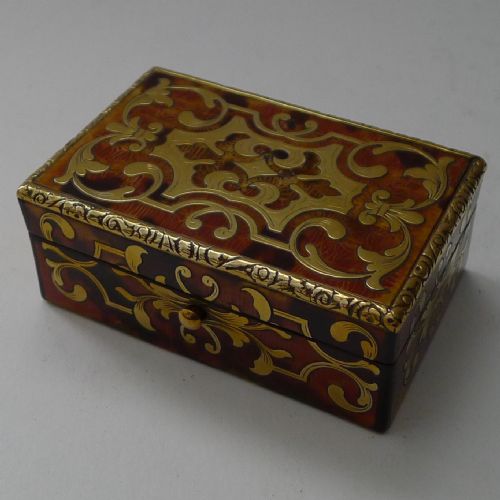
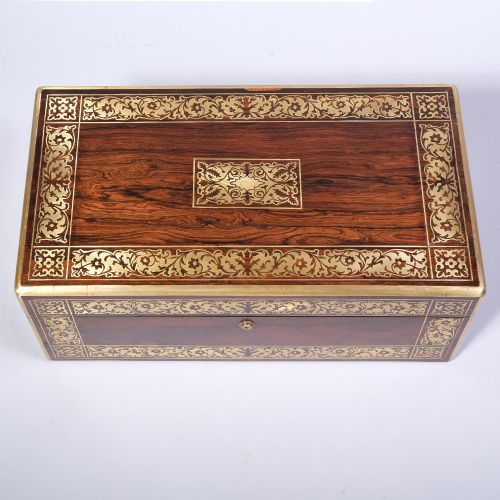
Craftsmen recessed thin sheets of brass directly into the wood surface, occasionally combining the metal with boxwood marquetry or mother of pearl. This technique demanded exact hand-cutting to ensure the brass flush-fit sat perfectly level with the surrounding timber.
Retail Price Guide 2026
Typical UK retail prices for brass inlay box, calculated from the Sellingantiques database of over a million retail prices indexed since 2003. This retail price guide relies exclusively on Sellingantiques data; no external sources or auction records are used, so the figures do not describe the wider market.
Listings feature rosewood, mahogany, burr walnut, and amboyna alongside brass, boxwood, and mother of pearl.
Judging the work
Quality rests in the crispness of the metal cutting and the tightness of the joint between brass and wood. Finer examples display hair-thin margins where the brass meets the grain, whereas lesser pieces reveal visible gaps or heavy adhesive filler.
The choice of timber grain also dictates the standing of a box. Highly figured rosewood and rich burr walnut elevate the object above plain mahogany grounds, reflecting greater expenditure on raw materials at the bench.
The Brass Inlay Box Glossary
- Brass inlay
- The technique of embedding thin strips or sheets of brass into recesses carved into a wooden surface. This creates a flat, decorative pattern across the lid and sides.
- Campaign box
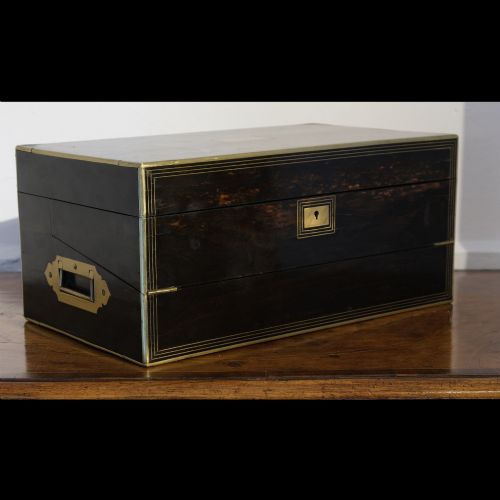
- A portable storage chest designed for travel, typically fitted with flush brass handles and reinforced corners. These boxes prioritized sturdy construction for military or maritime use.
- Marquetry
- The art of applying small pieces of veneer to a structure to form decorative patterns. It frequently accompanies brass work on Regency and Victorian surfaces.
- Regency
- An architectural and decorative style spanning the early nineteenth century. Pieces from this era often feature restrained classical lines paired with bold metal ornamentation.
- Rosewood
- A dense, heavily figured timber with dark brown and purple grain patterns. It served as the preferred dark wood for luxury nineteenth-century boxes.
Frequently Asked Questions
What were brass inlay boxes used for?
These boxes served multiple domestic and travel purposes, acting as secure receptacles for letters, jewellery, sewing implements, and playing cards. Their varied internal fittings accommodated the specific writing or grooming habits of the owner.
Larger specimens sat permanently on library tables or dressing chests, whilst smaller variants accompanied travellers on long journeys or campaigns.
How do I date a brass inlay box?
Dating relies heavily on the timber species, the style of the brass motifs, and the interior construction methods. Regency boxes typically employ cut brass lines on rosewood with fitted velvet interiors, whilst Victorian examples introduce broader brass binding and mahogany.
Hardware such as locks, hinges, and escutcheons also provide clues, as manufacturing techniques shifted from hand-forged iron to mass-produced brass components as the nineteenth century progressed.
How do I care for rosewood and brass?
Maintain the timber by applying a microcrystalline wax sparingly to nourish the grain and prevent the wood from drying out. Avoid liquid polishes that build up residue around the metal edges.
Keep the box away from direct sunlight and sudden temperature changes, which cause the wood and brass to expand at different rates and loosen the inlay.