
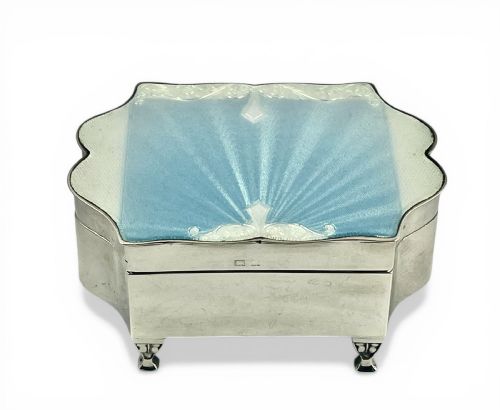
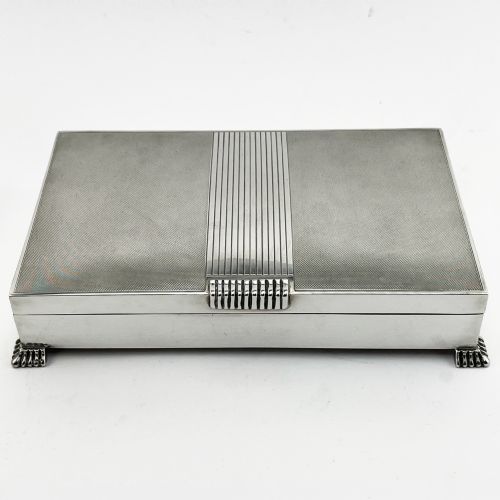


Art Deco Trinket Box
An art deco trinket box brings geometric lines and period glamour to a dressing table, holding small treasures with distinct style.
The Form and Character of an Art Deco Trinket Box
An art deco trinket box gathers the geometric lines, stylised figures and functional elegance of the interwar decades. Buyers searching for an art deco trinket box seek small lidded containers designed to hold jewellery, cigarettes, or dressing table accessories. These boxes reflect the design preoccupations of the nineteen-twenties and nineteen-thirties, favouring symmetry and clean profiles.
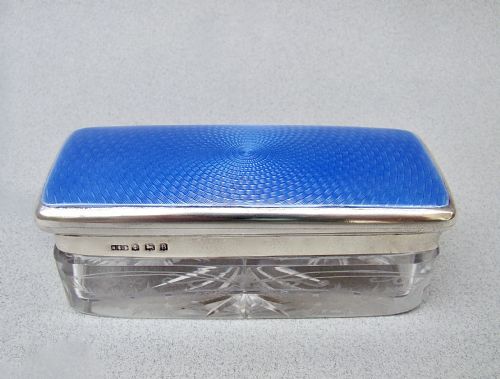
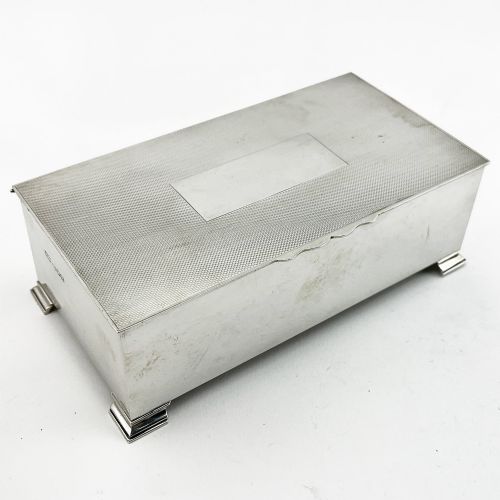
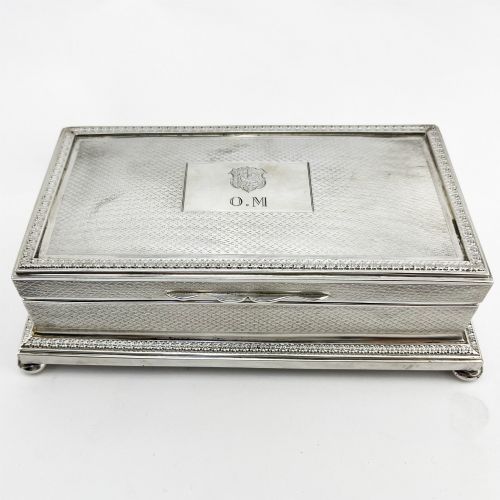
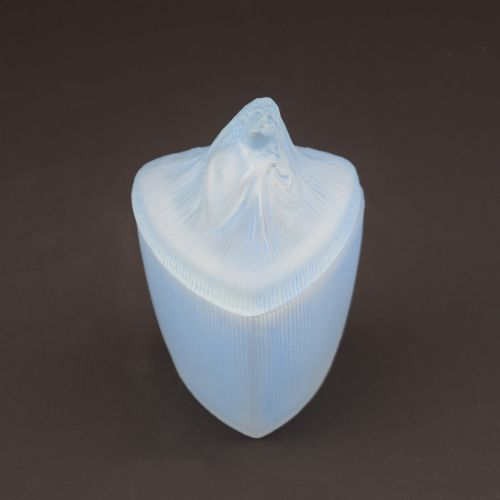
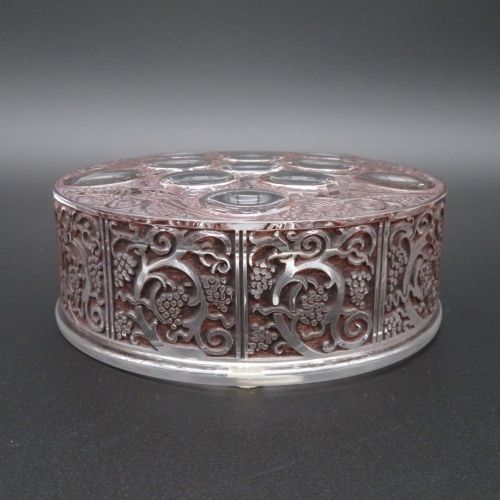
The pieces on this page appear predominantly in the forms of cigarette boxes, dressing table containers, and novelty boxes. Surviving examples range from ceramic half doll figures to streamlined metal containers and silver pieces with enamel work. Buyers meet both utilitarian boxes meant for desks and purely decorative vessels designed for display.
Origins span British silversmiths, continental European potteries, and specialist workshops across the period. Makers utilise materials typical of the era, combining precious metals with exotic woods or novel synthetics. Each piece carries the distinct hallmarks of nineteen-thirties design, whether through an odeon architectural step or a stylised flapper motif.
Materials and Technique
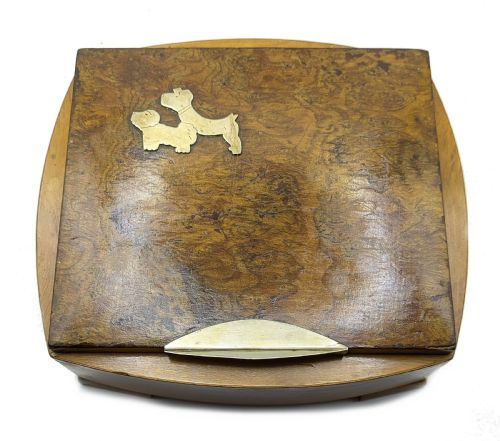
Makers combine traditional cabinetry with industrial metals, using brass, chrome, copper, and solid silver alongside wood carcase structures. Many boxes feature veneers of burr walnut or macassar ebony, polished to a smooth finish that highlights the grain. Trims in bone, white onyx, malachite, and green shagreen add tactile contrast to metal and wooden bodies.
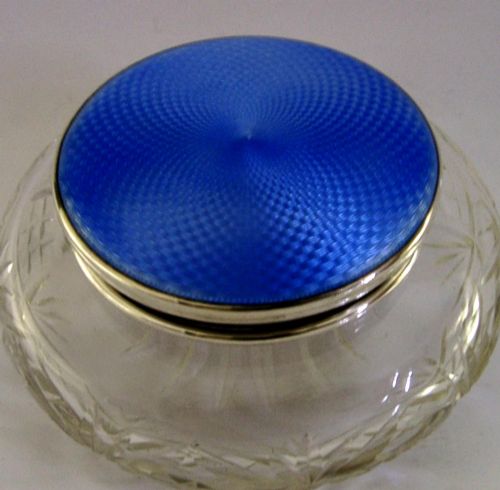
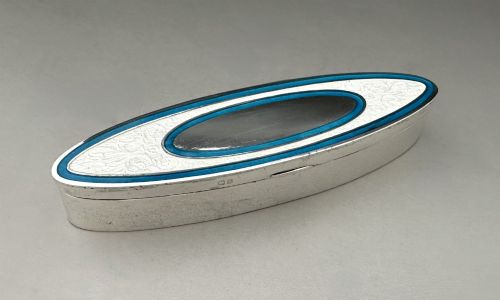
Ceramic examples rely on moulded porcelain and earthenware, often painted by hand with bright glazes depicting flapper girls or bathing belles. Glass boxes employ cut crystal techniques paired with coloured enamel work. Metal containers integrate guilloche enamel lids or hinged mechanisms engineered for daily use on a dressing table or desk.
Retail Price Guide 2026
Typical UK retail prices for art deco trinket box, calculated from the Sellingantiques database of over a million retail prices indexed since 2003. This retail price guide relies exclusively on Sellingantiques data; no external sources or auction records are used, so the figures do not describe the wider market.
Separating the Standard from the Superior
Quality rests on the integrity of the materials and the precision of the construction. Superior boxes show seamless joins in exotic veneers, perfectly fitted hinges that hold their angle, and genuine precious metals rather than thin plating. Lower tiers rely on mass-produced stamped components and painted finishes that wear away with handling.
The artistry of the decoration dictates the standing of a piece. Hand-painted ceramic figures with fine facial details and rich enamel sit far above generic factory-stamped wares. Maker attributions and intact original trims such as shagreen or bone elevate a box from a simple container to a studied example of period design.
William Griffiths·Karl Palda·Mappin and Webb·Goldscheider·Fasold and Stauch
The Art Deco Trinket Box Glossary
- Shagreen
- A type of untanned leather, typically from shark or stingray, historically dyed and finished with a granular surface. It provides a distinctive textured covering for luxury boxes.
- Guilloche
- An intricate decorative technique where a mechanical lathe engraves a precise repeating pattern into metal. Translucent enamel is then applied over the engraving to create shimmering depth.
- Half Doll
- A porcelain upper torso without legs, commonly mounted to the fabric skirts of powder puffs or fitted to the ceramic lids of dressing table boxes during the interwar period.
- Odeon Style
- An architectural aesthetic of the nineteen-thirties characterised by stepped, concentric geometric forms reminiscent of grand cinema entrances and streamline moderne architecture.
Frequently Asked Questions
What did people keep inside an art deco trinket box?
These lidded containers stored small personal items such as rings, cufflinks, brooches, and loose change. Many larger variants served specifically to hold cigarettes or cigars on a desk or dressing table.
Owners also used them for powder puffs and hairpins within bedroom suites. Their interiors often featured wooden linings or plain metal to protect delicate contents.
How do I date an art deco trinket box?
Dating relies on stylistic markers, materials, and maker marks or silver hallmarks stamped into the metal. Pieces from the nineteen-twenties often incorporate softer flapper motifs or geometric enamel work.
By nineteen-thirty, designs shifted towards heavy white onyx, streamlined chrome, and architectural odeon steps. Comparing the construction methods to known dated examples helps narrow the decade.
Where should I place a trinket box at home?
These boxes suit placement on dressing tables, bedside cabinets, or mantelpieces where their tactile surfaces can be admired. Desk placement works well for metal or wooden cigarette and cigar boxes.
Keep them out of direct sunlight if they feature delicate shagreen, enamel, or coloured glass. Displaying them on mirrored trays helps reflect light through translucent materials.
How do I distinguish ceramic half doll boxes?
Half doll boxes feature a moulded porcelain upper body attached directly to a lidded ceramic base or integrated into a powder bowl. The figures depict fashionably dressed flappers or bathing belles from the interwar years.
Makers painted the faces and hair by hand, meaning individual expressions vary significantly between examples. Marks on the base often indicate German porcelain factories from around nineteen-thirty.