

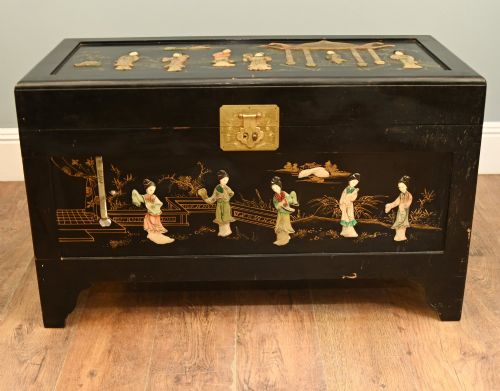
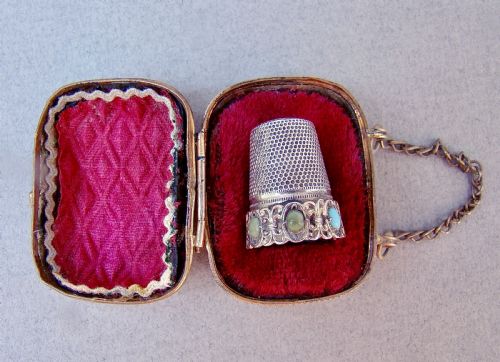


Vintage Stone Box
These vintage stone boxes are practical receptacles hewn from mineral and metal, prized for holding small treasures on a desk or dressing table.
Vintage Stone Box
The pieces appearing on this page span several eras including the nineteenth century, Edwardian period, and twentieth-century modernist designs. Forms vary from white onyx cigar boxes with contrasting lapis lazuli to ornate jewellery caskets combining onyx with ormolu mounts.
How they were made
These items rely on the combination of polished mineral bodies and metal mountings. Stones such as white onyx, green bloodstone, and lapis lazuli provide the solid structure of the container, often shaped into geometric or rectilinear forms.
Metalwork is integral to the construction, utilising sterling silver, silver gilt, and ormolu for hinges, clasps, and decorative borders. Some examples incorporate contrasting stones like malachite as inlay or trim, secured alongside precious metals.
Vintage Stone Box Retail Price Guide 2026
Typical asking prices for vintage stone box among the pieces listed under this phrase on Sellingantiques today, from the lower quarter to the upper quarter. They describe what is for sale here now, not the wider market.
Periods represented among the items span from the nineteenth century through to mid-century modernist designs.
What varies in quality
Quality in these containers rests upon the precision of the stone cutting and the grade of the accompanying metalwork. Finely finished mineral surfaces that display uniform polish without surface fractures elevate a piece.
The integration of mounts distinguishes standard items from superior examples. Heavy ormolu castings, secure silver hinges, and the inclusion of precious gemstones or secondary decorative stones indicate higher craftsmanship.
R E Stone·Andrew Grima·George Betjemann
The Vintage Stone Box Glossary
- Onyx
- A form of chalcedony quartz exhibiting parallel bands of colour. It provides a smooth, polished body for many desk boxes and caskets.
- Ormolu
- A gilded bronze application used for mounts and decorative feet. It offers a bright golden contrast against dark stone surfaces.
- Lapis lazuli
- A deep blue metamorphic rock utilised as an inlay or decorative accent. Its rich colour complements neutral white stone bodies.
- Vesta
- A pocket-sized container originally made for holding matches. These small boxes often feature precious metal construction and stone panels.
Vintage Stone Box: Frequently Asked Questions
What were vintage stone boxes used for?
These containers served various domestic functions, from holding desk accessories like cigars to storing jewellery and trinkets.
Smaller versions were designed for personal use, accommodating items such as pills or matches in a lined or fitted interior.
How do I identify the period of a stone box?
Dating relies on the stylistic markers of the mounts and the prevailing aesthetic of the construction materials. Art Deco pieces often display stark geometric lines in white onyx and lapis lazuli.
Nineteenth-century examples frequently combine natural stone with ornate ormolu mounts, reflecting earlier revivalist tastes and traditional craftsmanship.
Are these boxes made of solid stone?
Most containers utilise panels of polished mineral mounted onto a structural core or fitted with metal frames. This method provides stability to fragile materials while displaying the natural grain and colour of the stone.
Metal components such as silver or ormolu are then applied to form the edges, hinges, and feet of the container.
How should I clean a vintage stone box?
Maintenance requires gentle dusting with a soft, dry cloth to protect the polished mineral surfaces and metal mounts. Moisture and chemical cleaners should be avoided as they can damage softer stones and tarnish silver or ormolu.
Regular handling helps preserve the natural lustre of both the stone and the accompanying metalwork over time.