
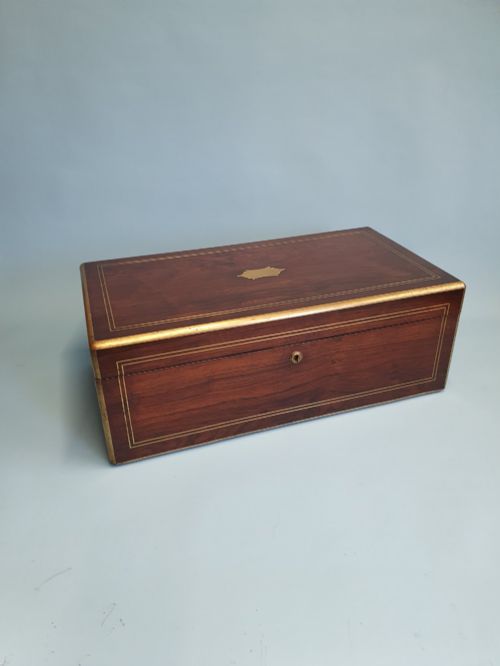


Dark Wood Writing Box
These dark wood writing boxes bring traditional craftsmanship and portable storage into daily use, offering a practical workspace for modern homes.
What a dark wood writing box is
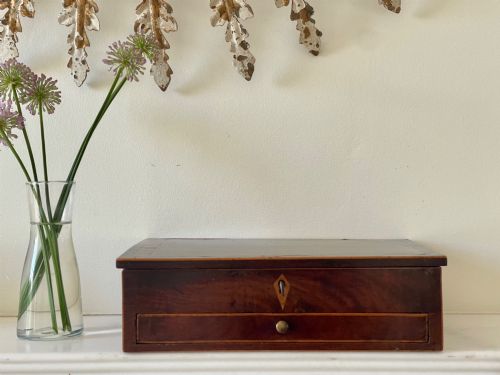
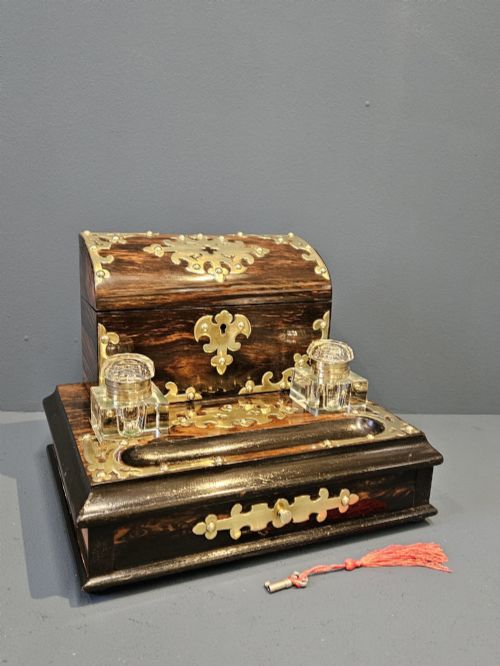
A dark wood writing box functions as a portable desk and storage chest, historically used for correspondence and document safekeeping. These pieces range from simple travel slopes to fitted stationery boxes designed for desk placement.
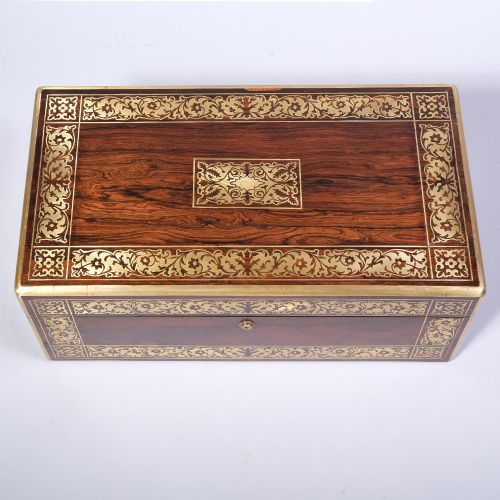
Materials span various deep-toned timbers like rosewood, mahogany, and coromandel, often accented with contrasting inlays. Buyers on this page will frequently encounter nineteenth-century British designs alongside Anglo-Indian variations.
Materials and construction
Cabinet makers utilised dense hardwoods such as mahogany, rosewood, and coromandel to construct these durable containers. These timbers provide the characteristic dark grain and structural strength necessary for travel.
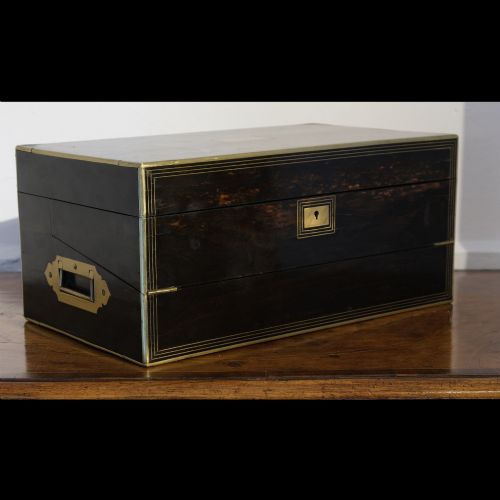
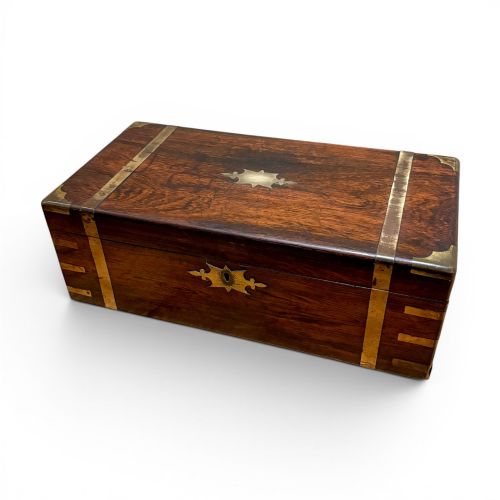
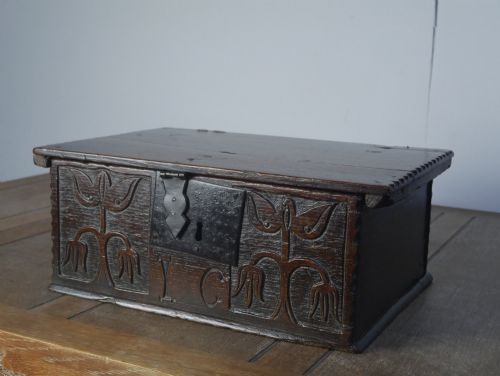
Metal reinforcement using brass bindings protects vulnerable corners and edges from heavy handling. Artisans also incorporated organic elements like mother-of-pearl and bone for decorative inlays and carved surface details.
Retail Price Guide 2026
Typical UK retail prices for dark wood writing box, calculated from the Sellingantiques database of over a million retail prices indexed since 2003. This retail price guide relies exclusively on Sellingantiques data; no external sources or auction records are used, so the figures do not describe the wider market.
Materials recorded on this page include mahogany, rosewood, coromandel, brass, bone, and mother-of-pearl.
Judging quality in dark wood writing boxes
Quality rests upon the selection of the timber grain and the precision of the joinery. Superior examples display carefully matched wood veneers and tight, flush joints that withstand centuries of opening and closing.
The refinement of internal fittings, such as secret drawers, pen trays, and fitted compartments, distinguishes standard utilitarian boxes from finer bespoke commissions. Metalwork integration, including flush-fitting brass inlays and secure hinges, further elevates a piece.
The Dark Wood Writing Box Glossary
- Writing slope
- A portable box with an angled lid designed to provide a comfortable surface for handwriting while travelling. The sloping top often lifts to reveal internal storage compartments for paper and ink.
- Brass bound
- A construction method where brass strips are inset flush into the edges and corners of the wooden box to prevent splitting. This reinforcement was particularly vital for campaign furniture used during military travel.
- Campaign writing slope
- A collapsible or robustly reinforced desk designed for military officers on the move. These pieces prioritise structural durability and compact storage.
- Coromandel
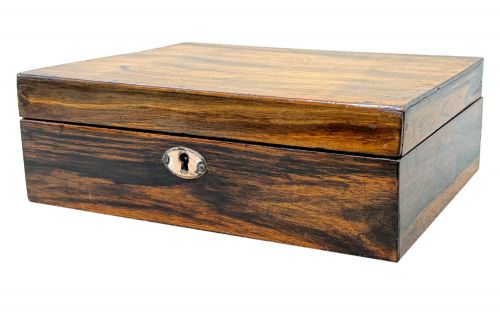
- A dense, heavily figured exotic timber from Southeast Asia featuring dark brown colouring with dramatic black stripes. Cabinet makers reserved this luxurious material for high-end nineteenth-century boxes.
- Stationery box
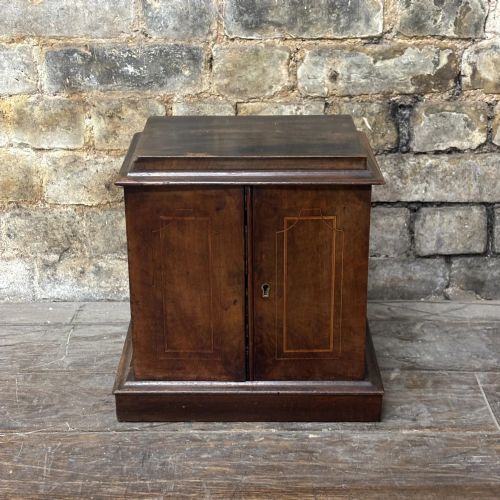
- An upright desktop container designed to hold envelopes, writing paper, and letters rather than fold flat for travel. These often feature tiered internal dividers.
Frequently Asked Questions
How do I care for a rosewood or mahogany writing box?
Keep these wooden boxes away from direct sunlight and radiators to prevent the timber and veneers from drying out and cracking. Maintain a stable indoor humidity level.
Apply a microcrystalline wax occasionally to nourish the dark wood and protect the polish. Avoid using liquid polishes or silicone-based sprays.
Were these boxes used for travel?
Nineteenth-century travellers, military officers, and diplomats relied on these portable desks to maintain correspondence on the move. Brass bindings and robust hardwoods protected the contents during transit.
Heavier stationery boxes were generally intended for stationary use on a library or study desk rather than frequent travel.
How can I tell a Regency box from a Victorian one?
Regency pieces often display restrained classical lines, sometimes featuring brass stringing and specific rosewood or mahogany grains popular in the early nineteenth century. Victorian examples frequently incorporate heavier brass bindings, varied inlays like mother-of-pearl, and distinct campaign hardware.
Construction details and secondary woods inside the box also help distinguish the exact period.