

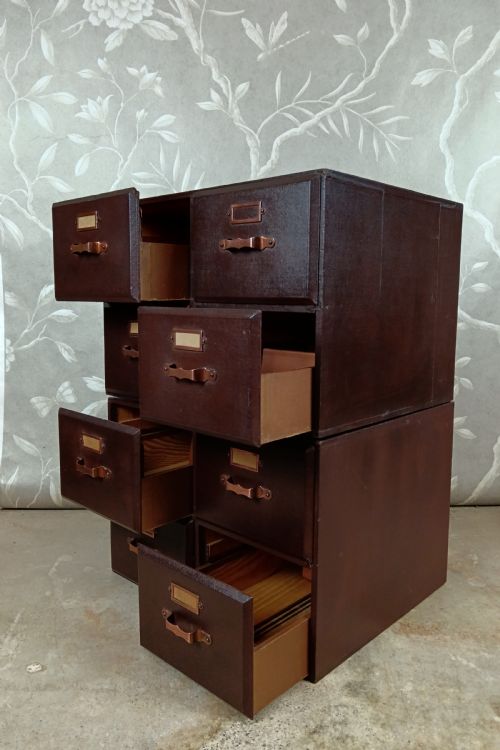


Antique Haberdashery Box
These antique haberdashery box items are small receptacles for sewing gear and trinkets that bring period craftsmanship directly to your dressing table.
What an antique haberdashery box is
An antique haberdashery box serves as a portable repository for sewing implements, threads, and small personal items. Surviving examples encompass specialised receptacles like sewing boxes, needle boxes, and reel boxes.
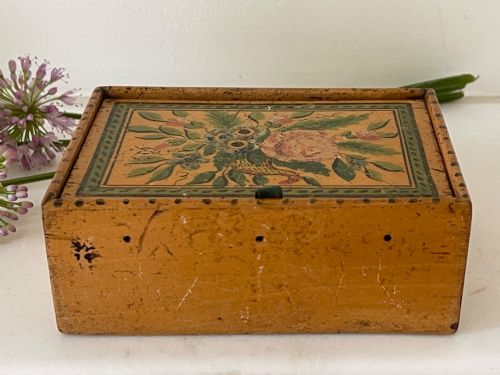
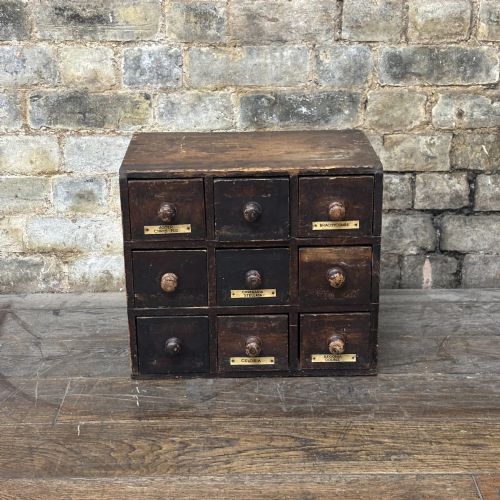
The pieces on this page span several eras including the Georgian, Regency, and Victorian periods. Buyers regularly encounter fitted workboxes alongside smaller snuff boxes and decorative containers.
Makers designed these items from diverse woods and textiles to meet the practical storage needs of past centuries. Each container reflects the domestic habits and decorative tastes of its original era.
How they were made
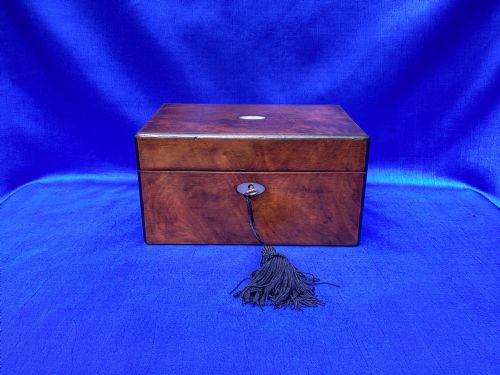
Craftsmen shaped these containers from woods such as rosewood, mahogany, oak, burr yew, and coromandel. Surfaces often display decorative elements including mother-of-pearl inlay, paint, and varnish.
Interiors frequently feature fitted compartments lined with silk or velvet to cradle delicate sewing tools and pins. Metal components like brass hinges, locks, and studs provide structural reinforcement and secure closures.
Retail Price Guide 2026
Typical UK retail prices for haberdashery box, calculated from the Sellingantiques database of over a million retail prices indexed since 2003. This retail price guide relies exclusively on Sellingantiques data; no external sources or auction records are used, so the figures do not describe the wider market.
What varies in quality
Superior examples distinguish themselves through intricate surface decoration such as Tunbridge Ware mosaic patterns and precise mother-of-pearl inlay. The choice of cabinet timber also marks the distinction, with dense exotic woods and figured grains denoting finer manufacture.
Interior fittings reveal the standard of construction, where silk linings and fitted compartments remain intact and well-executed. Simple utility pieces contrast with elaborate combination boxes designed for multiple domestic pursuits.
The Antique Haberdashery Box Glossary
- Tunbridge Ware
- Woodware decorated with tiny mosaic tiles formed from naturally coloured woods to create pictorial or geometric designs. This specialised technique originated in Tunbridge Wells during the nineteenth century.
- Rosewood
- A dense timber featuring dark grain patterns utilised frequently in fine nineteenth-century cabinet work. Its polished surface provides a rich dark reddish-brown appearance.
- Workbox
- A portable container fitted with compartments and trays for holding sewing materials and small crafting tools. These items sat upon tables in private sitting rooms.
- Pincushion
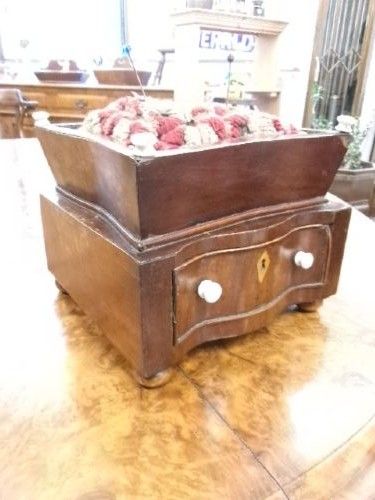
- A small stuffed pad used for holding pins during sewing tasks, often integrated directly into the lid or interior of a workbox.
- Coromandel
- A heavy, durable timber imported from Asia displaying dark brown coloration with contrasting streaks. Craftsmen utilised this luxurious material for high-status decorative boxes.
Frequently Asked Questions
What fits inside an antique haberdashery box?
These containers held sewing tools, threads, pins, and small personal accessories used in daily needlework.
Interior trays and compartments kept spools and needles organised securely.
How do I date an antique workbox?
Dating relies upon timber choices, construction techniques, and decorative styles characteristic of periods like the Georgian or Victorian eras.
Fitted interiors and hardware details also offer clues to the decade of manufacture.
Where were these boxes placed?
Owners kept them on dressing tables, work tables, or desks within domestic sitting rooms.
Their portable nature allowed users to carry sewing tasks between different rooms easily.
Are these boxes still functional?
Many retain their fitted trays and compartments, making them suitable for organising modern sewing supplies or trinkets.
Careful handling ensures that delicate silk linings and wooden surfaces remain preserved.