


Victorian Inlaid Casket
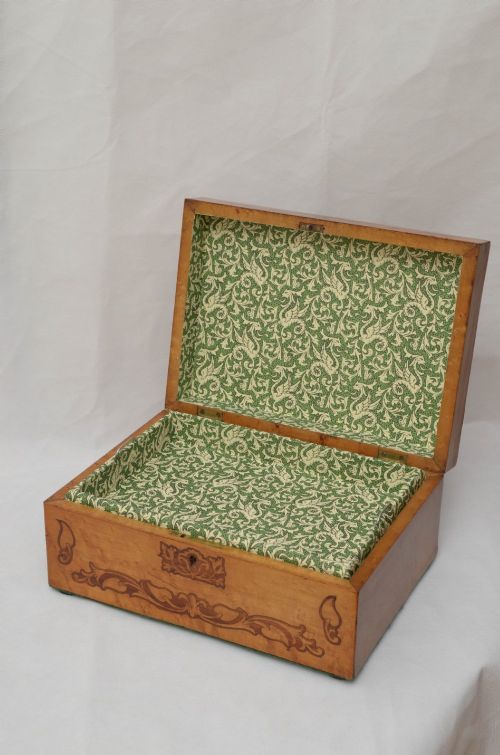
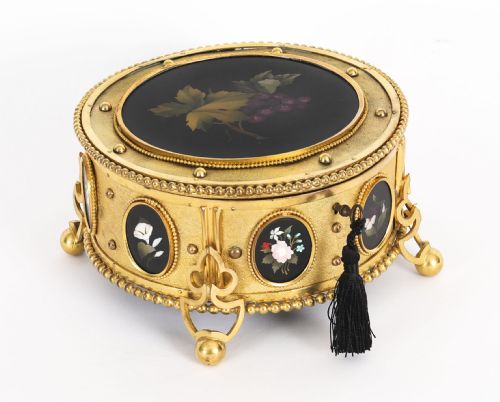
These Victorian inlaid caskets are substantial decorative boxes crafted to hold everything from sewing tools to gloves and jewellery.
What a Victorian inlaid casket is
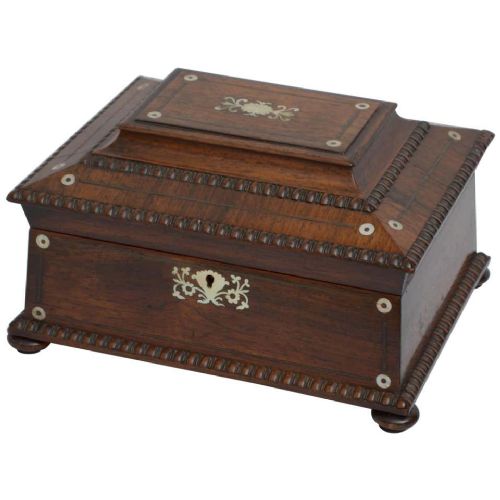
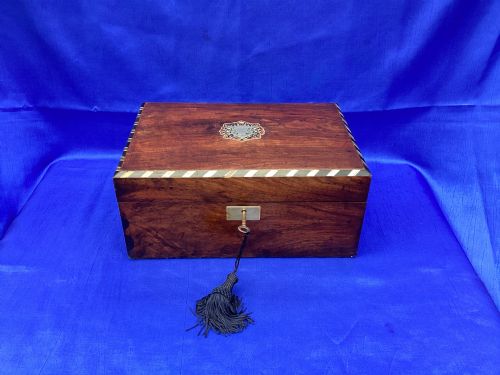
A Victorian inlaid casket is a decorative box built during the nineteenth century to store personal treasures, sewing equipment, and gloves. These pieces range from sarcophagus-shaped sewing boxes to fitted boxes and jewellery caskets.
The versions most commonly met on this page span the period from eighteen-fifty to eighteen-eighty and employ various timbers like rosewood, walnut, and coromandel-wood.
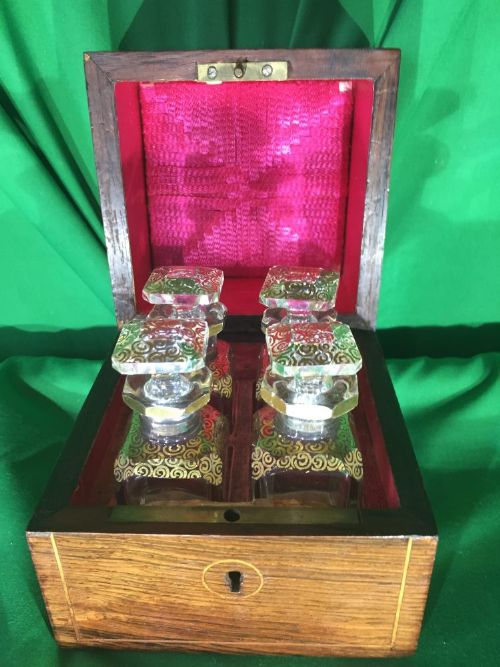
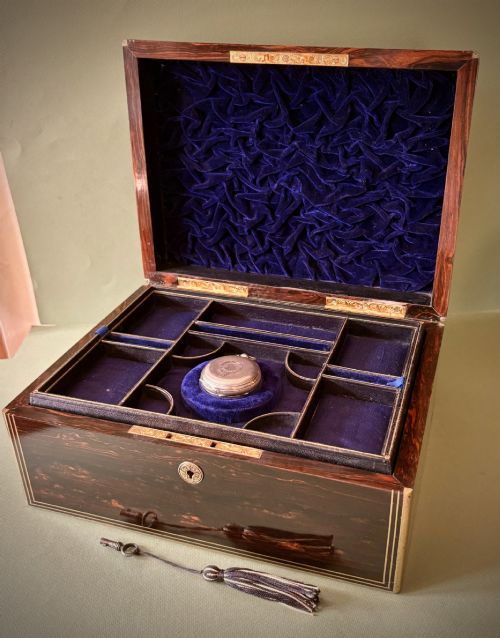
Makers designed these caskets for functional domestic use on dressing tables and desks, lining the interiors with silk and providing fitted compartments for daily necessities.
How they were made
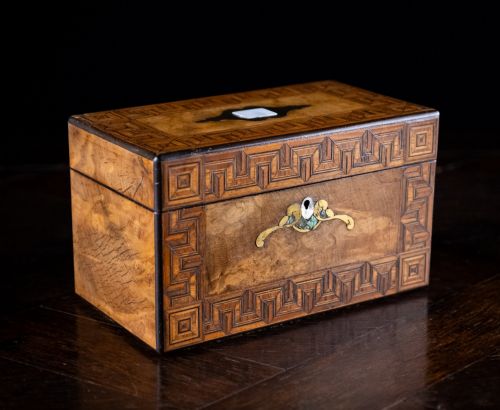
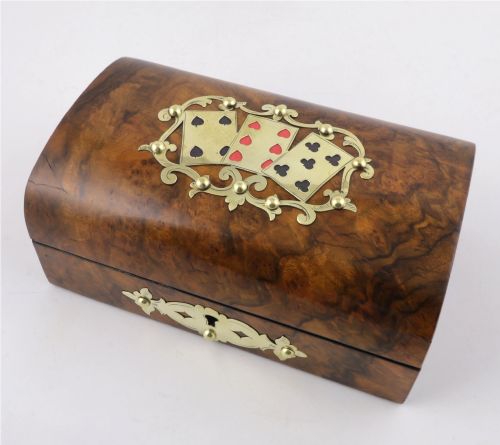
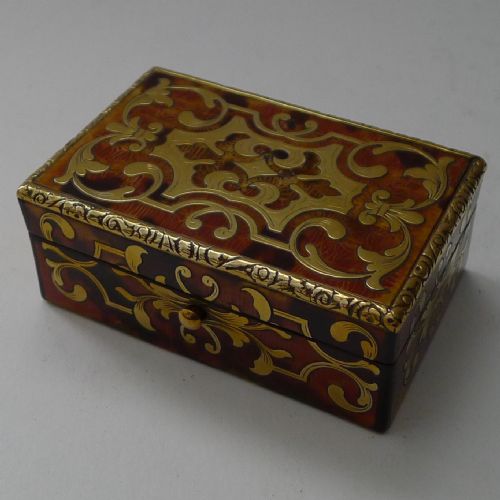
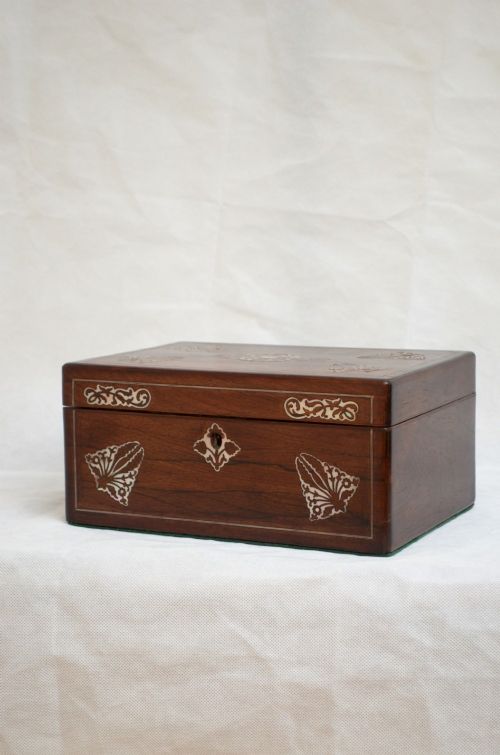
Craftsmen built these caskets using dense timbers such as walnut, rosewood, and coromandel-wood, often applying mixed wood veneers over a secondary wood base. They incorporated marquetry inlay to create intricate decorative patterns across the exterior surfaces.
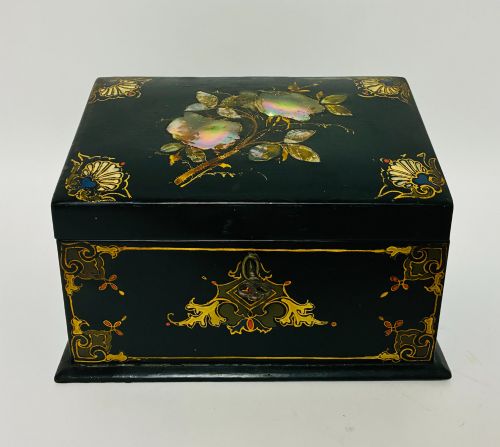
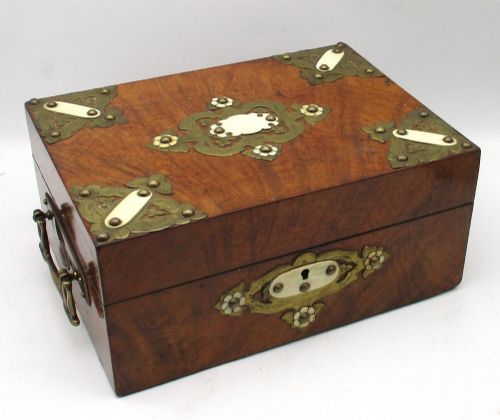
Workers set contrasting materials like mother-of-pearl and brass directly into the wood surfaces to form geometric or floral motifs. Interiors were carefully fitted with compartments and lined with silk to protect delicate personal items.
Retail Price Guide 2026
Typical UK retail prices for victorian inlaid casket, calculated from the Sellingantiques database of over a million retail prices indexed since 2003. This retail price guide relies exclusively on Sellingantiques data; no external sources or auction records are used, so the figures do not describe the wider market.
Materials appearing across these boxes include rosewood, walnut, coromandel-wood, brass, mother-of-pearl, and silk.
What varies in quality
The sophistication of the timber selection and the precision of the marquetry inlay define the upper tier of these caskets. Dense grain patterns in burr walnut and coromandel-wood indicate superior material choice.
The intricacy of the decorative elements, such as detailed mother-of-pearl work and well-fitted silk interiors, separates a standard utility box from a finer decorative piece.
The Victorian Inlaid Casket Glossary
- Coromandel-wood
- A dense, heavily figured timber from Asia used for high-end nineteenth-century boxes. Its dark brown colour and contrasting light streaks made it a favourite for luxury pieces.
- Marquetry Inlay
- The art of applying small pieces of wood veneer to a structure to form decorative patterns. Craftsmen used contrasting timbers to create geometric designs on box lids.
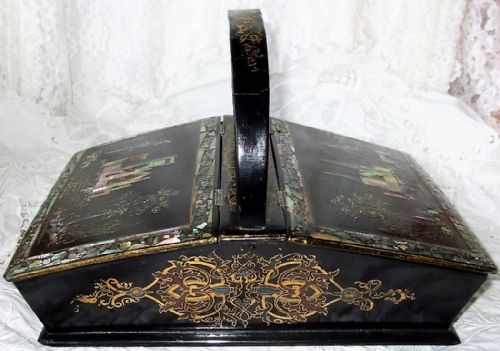
- Sarcophagus Shaped
- A box design featuring a sloping, stepped lid that mimics the traditional shape of an ancient stone coffin. This profile was popular for large nineteenth-century sewing boxes.
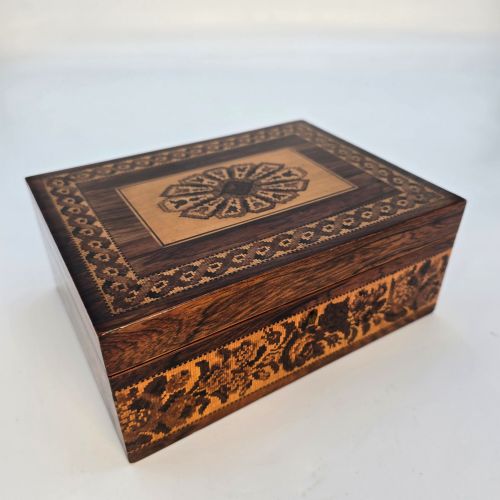
- Tunbridge Ware
- A distinct type of woodworking originating from Kent involving tiny mosaic tiles made from different coloured woods. These tiny pieces form pictorial or geometric mosaics on the surface of small boxes and glove boxes.
Frequently Asked Questions
What did people store in a Victorian inlaid casket?
These boxes served multiple domestic purposes, frequently housing sewing equipment, gloves, and personal jewellery.
Interior compartments and silk linings protected delicate items from dust and damage on dressing tables.
How do I identify a coromandel-wood box?
Coromandel-wood displays a very distinct dark brown colour with dramatic, irregular stripes of lighter yellow or grey.
This imported timber was dense and expensive, marking out the pieces that used it as luxury items of the period.
What is Tunbridge Ware inlay?
Tunbridge Ware refers to intricate mosaic woodwork made by gluing thousands of tiny wood blocks together.
Craftsmen sliced the resulting block to create repeating geometric or pictorial patterns across the box lid.
Are these caskets from the nineteenth century?
The pieces listed originate from the nineteenth century, specifically spanning the decades around eighteen-fifty to eighteen-eighty.
Makers of this era utilised traditional timber construction combined with detailed marquetry and brasswork.