
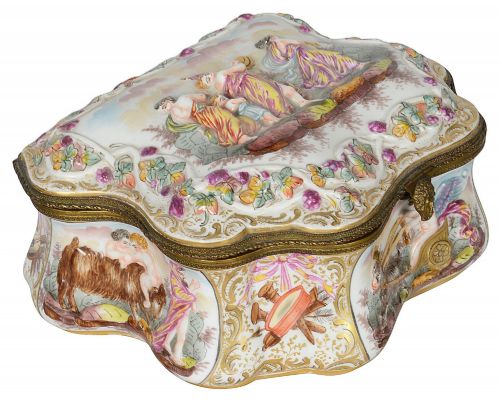


Hand Painted Porcelain Box
A hand painted porcelain box holds small treasures while showing the delicate artistry of past centuries.
Hand Painted Porcelain Box
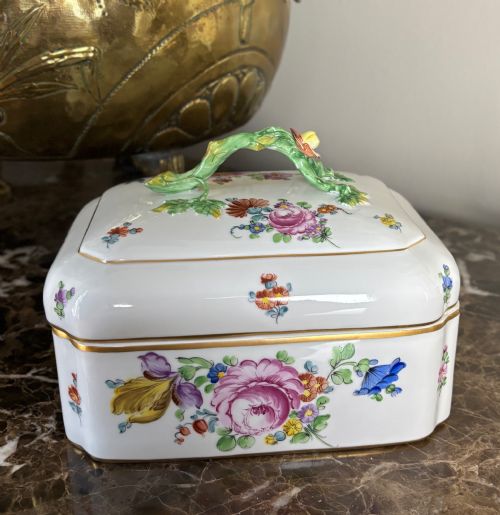
When you search for a hand painted porcelain box, you encounter small decorative containers designed to hold trinkets, jewellery, or powder. The versions most commonly met on this page originate from nineteenth-century France, England, Germany, and Italy.
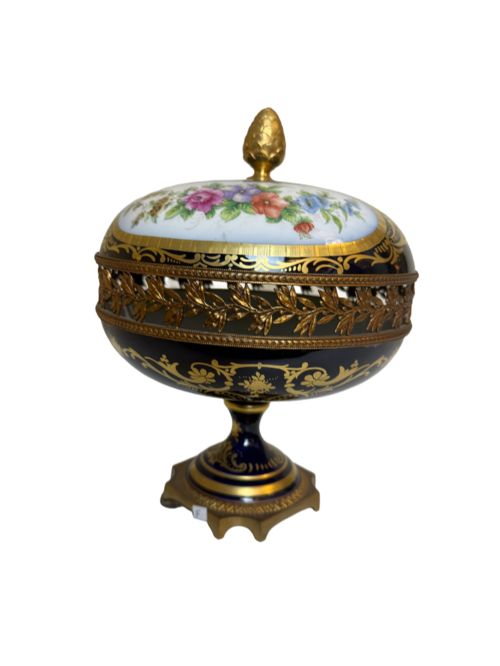
The forms range from round and oval pill boxes to large table caskets and jewellery boxes. Makers often combined porcelain with metal mounts such as ormolu or brass, while other examples appear as sugar boxes and desk accessories.
Earlier pieces from the eighteenth century and Asian traditions also appear, demonstrating the wide geographical spread of ceramic production. Each container served a practical storage purpose while displaying painted surface decoration.
How they were made
Artisans formed these containers using ceramic clay and porcelain, applying coloured glaze and hand-painted details before firing. Many pieces feature gilt metal mounts, ormolu, and bronze trim secured around the ceramic body.
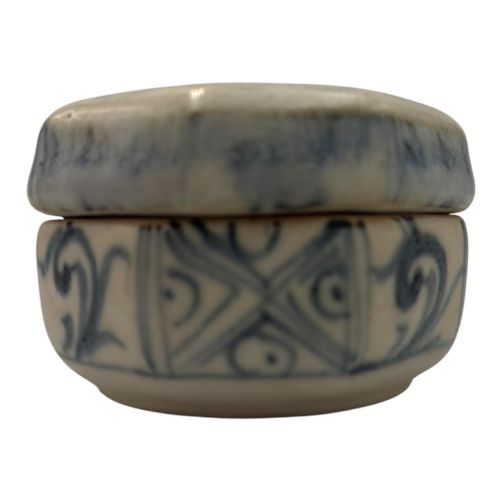
Makers utilised techniques like blue and white underglaze painting, enamel decoration, and overglaze gilding to create detailed pictorial scenes and floral motifs. Wood bodies occasionally incorporated inset porcelain plaques, as seen in English stationery boxes.
Hand Painted Porcelain Box Retail Price Guide 2026
Typical asking prices for hand painted porcelain box among the pieces listed under this phrase on Sellingantiques today, from the lower quarter to the upper quarter. They describe what is for sale here now, not the wider market.
The listings span multiple centuries, ranging from sixteenth-century Vietnamese boxes to twentieth-century Art Deco powder bowls.
What varies in quality
The refinement of the hand-painted decoration determines much of the distinction between pieces, ranging from simple floral touches to intricate figural scenes. The quality of the metal mounts, such as cast ormolu or gilt bronze frames, also sets finer caskets apart from standard wares.
The precision of the porcelain moulding and the clarity of the glaze reflect the skill of the factory or workshop of origin. Comprehensive sets and pieces retaining original fitted boxes demonstrate higher preservation standards.
Samson of Paris·Richard Ginori
The Hand Painted Porcelain Box Glossary
- Ormolu
- Gilded bronze mounts applied to furniture and decorative objects. This technique was frequently utilised on nineteenth-century French porcelain caskets.
- Sucrier
- A small container designed for holding sugar. These often took the form of lidded boxes or bowls in porcelain.
- Capodimonte
- A style of Italian porcelain originating from the Naples factory. Pieces often feature relief moulded decoration.
- Famille Verte
- A Chinese porcelain palette dominated by green enamels. The style developed during the Qing dynasty and appears on export boxes.
Hand Painted Porcelain Box: Frequently Asked Questions
What were porcelain boxes used for?
These containers served various domestic functions depending on their scale and form. Smaller examples held pills, snuff, or trinkets on dressing tables.
Larger caskets stored jewellery, letters, or writing implements. Sugar boxes and bowls functioned within tea service arrangements.
How do I date a porcelain box?
Dating relies on stylistic clues, manufacturing techniques, and factory marks found on the base of the ceramic. Nineteenth-century pieces often display specific revival styles like Rococo or Second Empire.
Material combinations also help narrow the period, such as the use of ormolu mounts on French caskets from the eighteen-sixties and seventies.
How do I care for hand painted porcelain?
Keep these pieces away from direct sunlight to prevent fading of the painted enamels and gilt details. Dust them gently with a soft, dry cloth without applying liquid cleaners.
Take care when handling hinged metal mounts to avoid stressing the joint between the porcelain and the brass or ormolu frame.
Where were these boxes made?
Production centres spanned Europe and Asia, with significant output from French factories in Limoges and Sevres. German workshops in Meissen and Italian manufacturers also produced notable decorative wares.
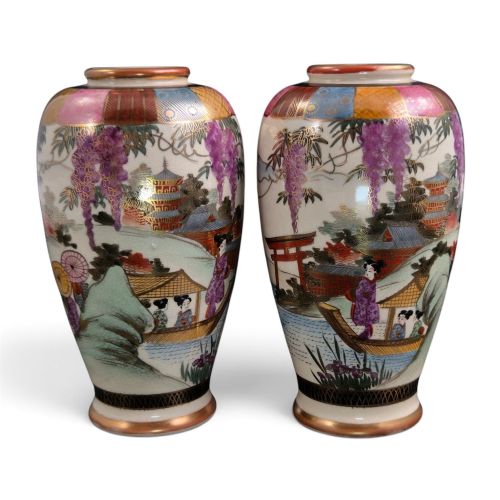
Asian examples include Japanese Satsuma and Imari pieces alongside Chinese blue and white export boxes.