



Antique Italian Trinket Box
These antique italian trinket box examples offer finely crafted receptacles for small treasures, shaped by centuries of European craftsmanship.
Antique Italian Trinket Box
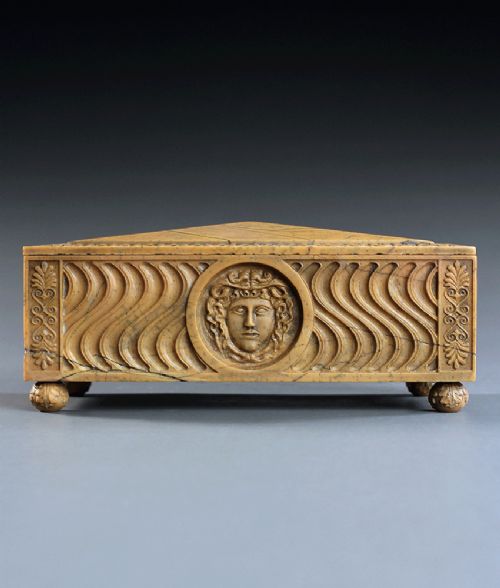
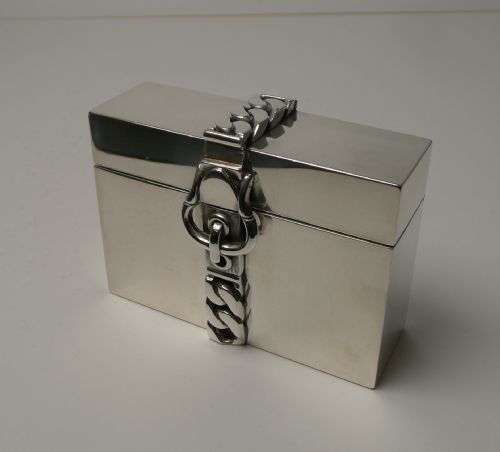
An antique italian trinket box encompasses decorative receptacles designed for personal keepsakes, jewellery, and small valuables. When searching for an antique italian trinket box, buyers encounter various forms including caskets, vanity boxes, and book-shaped containers.
The pieces appearing on this page span the mid nineteenth century through to the mid twentieth century, drawing on Italian regional traditions such as Sorrento marquetry and Grand Tour souvenirs. These items range from small bedside companions to substantial porcelain table caskets intended for display.
Form follows function across these decorative boxes, with many featuring partitioned interiors or velvet linings suited for holding rings and mementoes. The materials and construction reflect the specific period of manufacture, from Victorian adaptations to mid century lacquered pieces.
Materials and construction
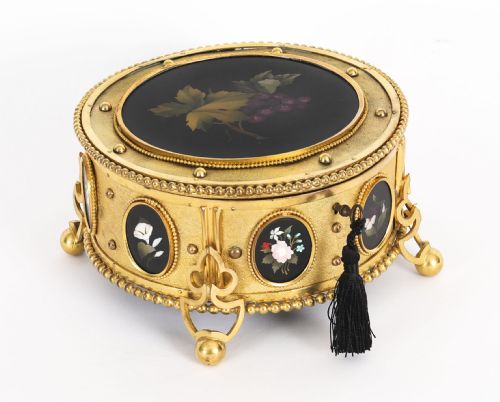
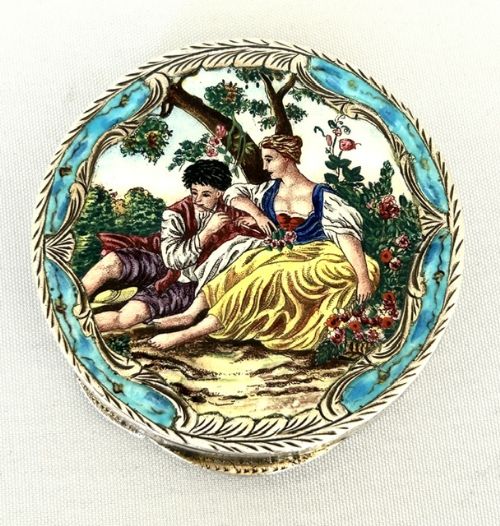
Metalwork and ceramics also define these pieces, combining cast or gilt brass mounts with Capodimonte porcelain plaques and delicate silver and enamel finishes. Lacquer and oak provide structural integrity for vanity and presentation boxes alike.
Joinery and surface decoration demand precise hand skills, whether setting stone mosaics into timber lids or applying vibrant enamel over silver bases. Artisans balanced structural durability with refined decorative detail to produce lasting keepsakes.
Some olive wood boxes hide secret locking mechanisms that require sliding panels in a specific sequence to reveal the inner compartments.
Distinctions in quality
The standard of execution in the decorative elements dictates the tier of the piece, particularly in the precision of pietra dura stone inlay and hand painted enamel scenes. Finer examples display tight marquetry alignment and crisp casting in ormolu mounts rather than rushed assembly.
Materials themselves establish hierarchy, with solid hardwoods, heavy gauge silver, and high relief Capodimonte porcelain commanding greater regard than simpler veneered or moulded substitutes. The integrity of the original interior lining and working hinges also influences the standing of a box.
The Antique Italian Trinket Box Glossary
- Pietra dura
- A pictorial mosaic technique using cut and fitted highly polished coloured stones. This method creates enduring floral or figurative scenes on box lids.
- Sorrento ware
- Woodworking from the town of Sorrento in Italy, characterised by intricate marquetry and micro-mosaic inlay. Items often depict local scenes or geometric patterns on olive wood.
- Grand tour
- A cultural journey of Europe undertaken by upper-class young European men of the 18th and 19th centuries. Souvenirs included architectural models and marble caskets.
- Capodimonte
- Porcelain ware originating from the factory established in Naples by King Charles VII. Pieces are known for sculptural relief decoration and detailed figurative scenes.
- Ormolu
- Gilding technique of applying finely ground, high-carat gold-mercury amalgam to a bronze object. The resulting finish adds bright metallic highlights to decorative boxes.
Antique Italian Trinket Box: Frequently Asked Questions
What were antique Italian trinket boxes used for?
These boxes served as secure storage for rings, brooches, and personal keepsakes on dressing tables or desks. They also acted as decorative objects during the nineteenth century.
Wealthy travellers purchased them as souvenirs during European journeys to store small mementoes. Their presence in a room signalled refined taste and worldly travel.
How do I care for olive wood and marquetry boxes?
Keep wooden boxes away from direct sunlight and heat sources to prevent the olive wood from drying and cracking. Maintain a stable indoor humidity level.
Clean surfaces gently with a dry or slightly damp soft cloth without using harsh chemical polishes. Wax can be applied sparingly to nourish vintage wood.
What is the difference between Pietra Dura and regular inlay?
Pietra dura involves precisely cutting hard stones like jasper, chalcedony, and marble to form pictorial designs set flush into a stone or wooden base. Regular wood inlay uses thin veneers of timber.
Stone inlay yields a cool touch and permanent, fadeless colour derived from natural minerals. It requires skilled stonemasonry rather than woodworking alone.