




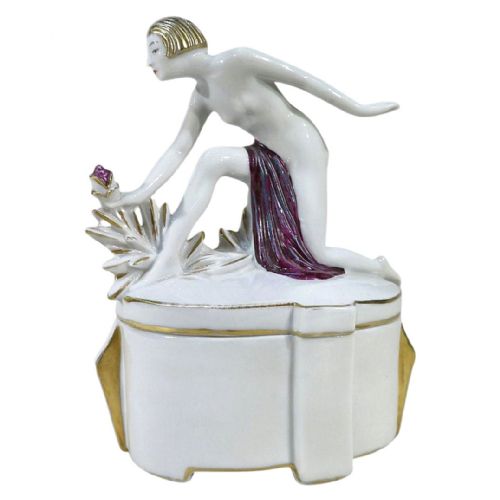

White Porcelain Trinket Box
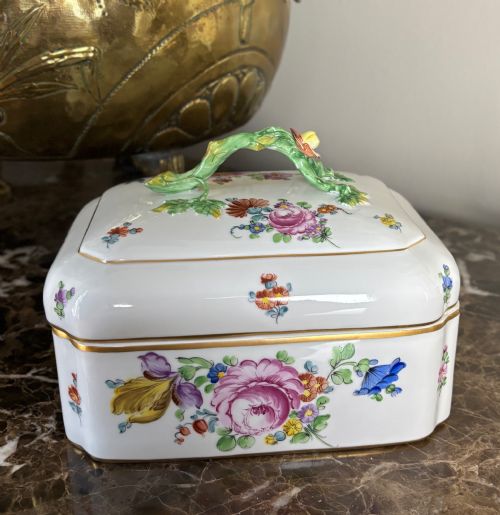
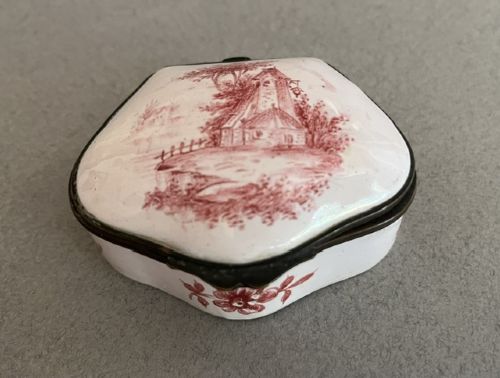
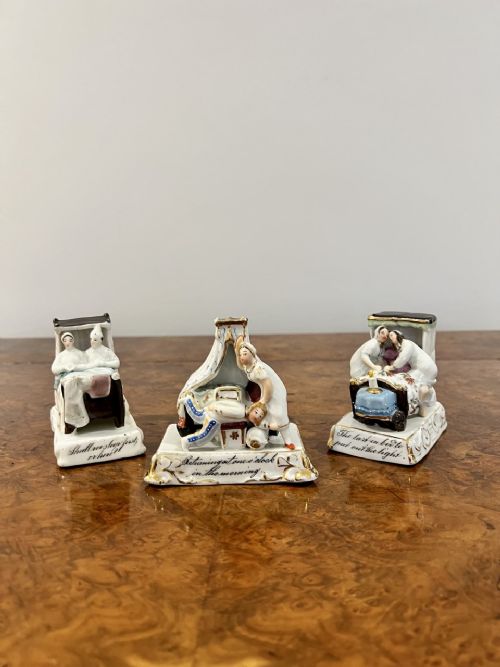
These white porcelain trinket box examples combine fine ceramic bodies with metal mounts, offering practical storage with distinct period character.
White Porcelain Trinket Box
A white porcelain trinket box serves as a receptacle for small valuables, rings, and dressing table items, appearing across eighteenth-century, nineteenth-century, and twentieth-century production. These pieces take various forms including caskets, powder boxes, and sugar boxes.
Nineteenth-century examples frequently display revivalist or continental styles, whilst pieces from the nineteen-thirties lean towards Art Deco figural designs like bathing belles and flapper girls.
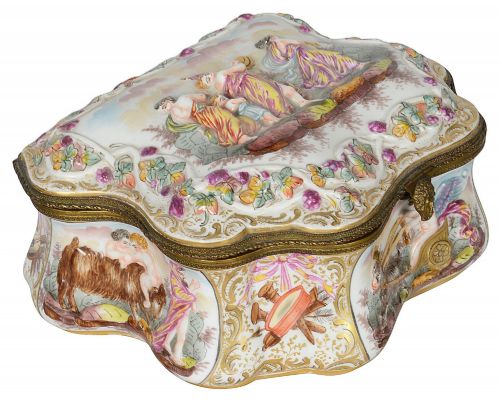
Origins span across French, German, Italian, and English workshops, with manufacturers such as Meissen, Dresden, and Capodimonte represented among the selection.
Materials and construction methods
Makers shaped white porcelain bodies through ceramic casting and moulding, applying glazes and hand-painted motifs before firing.
Mounts, hinges, and closures utilise brass, gilt metal, and gilt bronze, joining the ceramic lids and bases securely together.
Surface decoration incorporates enamel work, gold leaf highlights, and moulded relief figures.
White Porcelain Trinket Box Retail Price Guide 2026
Typical asking prices for white porcelain trinket box among the pieces listed under this phrase on Sellingantiques today, from the lower quarter to the upper quarter. They describe what is for sale here now, not the wider market.
A nineteenth-century French box once carried sweets for a grand Parisian.
Distinctions in quality
Quality rests upon the crispness of the porcelain moulding and the delicacy of the hand-painted details. Finer pieces maintain precise registration between lids and bases.
The sophistication of the metalwork mounts and the weight of the gilt bronze or brass hardware differentiate standard production from superior examples.
Edme Samson Of Paris·Meissen Porcelain·Dresden·Capodimonte
The White Porcelain Trinket Box Glossary
- Bonbonniere
- A small ornamental box intended for holding sweets or confectionary. These pieces often feature hinged lids and decorated porcelain bodies.
- Capodimonte
- An Italian porcelain manufacture known for sculptural relief decoration and table caskets. The factory produced notable wares during the nineteenth century.
- Glaze
- A vitreous coating fused to the porcelain body through firing. This layer provides a smooth, impervious surface.
- Ormolu
- Gilt bronze mounts applied to furniture and decorative objects. The technique enhances the decorative appeal of porcelain caskets.
- Powder box
- A vanity container designed for cosmetic face powder. These items often feature figural lids representing dancers or bathers.
White Porcelain Trinket Box: Frequently Asked Questions
What were white porcelain trinket boxes used for?
These containers held small personal valuables, rings, pins, and cosmetics on dressing tables and desks. Their portable nature allowed owners to keep precious items close at hand.
Larger versions functioned as table caskets for letters or sweetmeats, whilst smaller powder boxes sat upon vanity surfaces during the nineteenth and twentieth centuries.
How do I date a porcelain trinket box?
Dating relies upon stylistic markers, ceramic bodies, and manufacturing techniques. Pieces from the eighteenth century display rococo forms, whilst nineteenth-century examples often embrace revivalist aesthetics.
Twentieth-century pieces, particularly from the nineteen-thirties, typically exhibit distinct Art Deco styling with figural motifs such as flapper girls and bathing belles.
Where were these boxes manufactured?
Production centres were scattered across continental Europe, with notable output originating in France, Germany, and Italy. Major porcelain houses and independent studios contributed to the variety of available designs.
German factories produced significant quantities of figural powder boxes, whilst French and Italian workshops specialised in decorative caskets and bonbonnieres.
How should I care for an antique porcelain box?
Maintenance requires gentle cleaning with a soft, dry cloth to remove dust from glazed surfaces and crevices. Avoid harsh chemical cleaners that might damage the painted enamel or gilt highlights.
Care should be taken with metal hinges and mounts, keeping them dry to prevent tarnishing or corrosion of the brass and gilt components.