


Antique French Pill Box
An antique french pill box offers a diminutive pocket-sized vessel for medicines or snuff, prized for intricate metalwork and delicate porcelain.
Antique French Pill Box
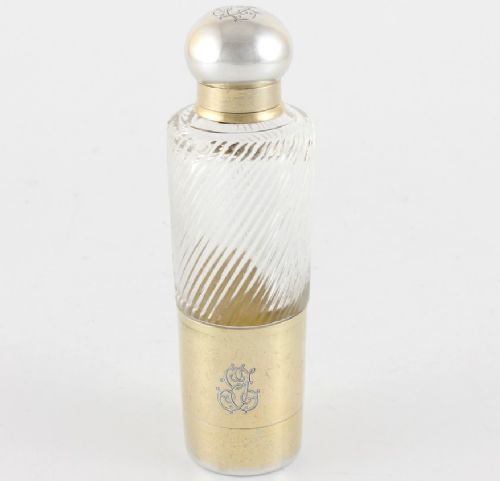
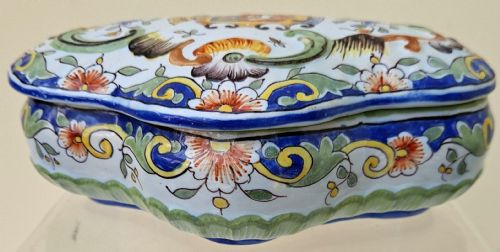
An antique french pill box is a small portable container designed for carrying medicines, lozenges, or snuff in a pocket or purse. The forms span the eighteenth, nineteenth, and twentieth centuries, appearing as round pill containers, small trinket boxes, and miniature etuis.
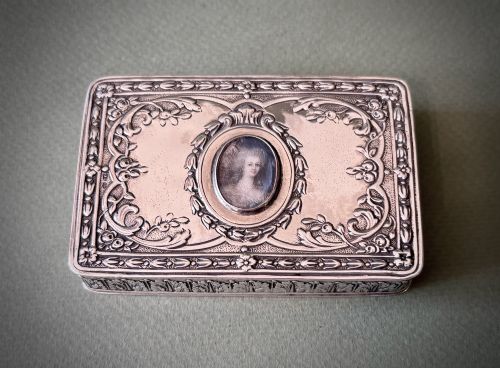
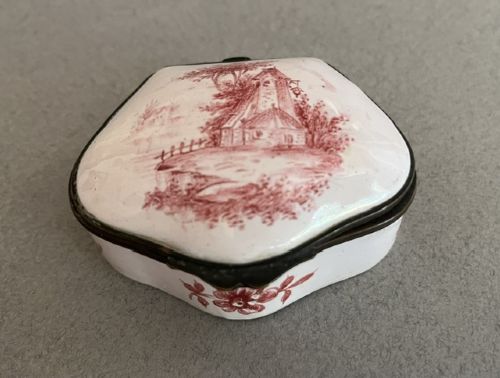
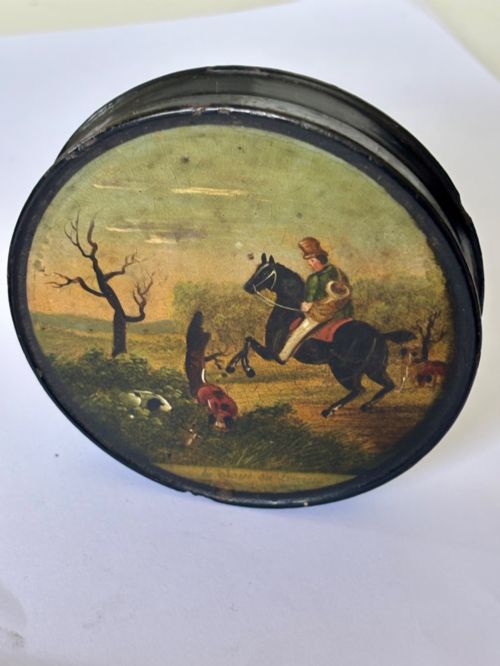
The specimens seen here range from simple wooden and papier-mâché pocket cases to elaborate precious metal designs. The nineteenth-century pieces dominate the selection, bringing together silver, enamel, and porcelain in diminutive formats.
Makers and workshops across France produced these vessels for personal daily use or as travel accessories. Buyers encounter diverse regional styles, from classical revival motifs to crisp art deco geometries.
What varies in quality
The refinement of the surface decoration marks the primary division between standard and superior examples. Hand-painted porcelain details and crisp, deep guilloche engraving show the touch of a master hand.
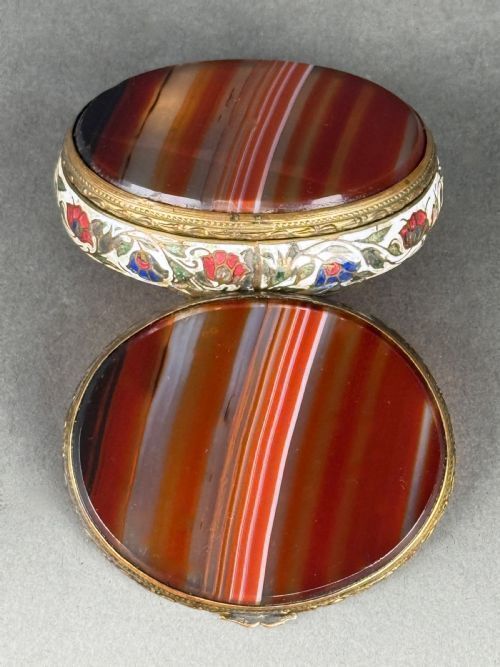
The choice of materials dictates the standing of the piece, with solid gold, heavy silver gilt, and complex champlevé enamel representing the upper tier. Integrity of the hinges and the snugness of the lid closure further separate everyday utility boxes from luxury display pieces.
The documented periods range from the eighteenth century through the art deco era and into the mid-twentieth century.
Edme Samson Of Paris·Hermes, Paris·Van Cleef & Arpels·Charles Murat·Tonnel Paris
The Antique French Pill Box Glossary
- Guilloche
- A decorative engraving technique that etches precise, intricate repeating patterns into a metal surface. This mechanical process is frequently seen under translucent enamel on twentieth-century pieces.
- Champleve
- An enamelling method where troughs are carved into a metal base and filled with coloured glass paste before firing. The metal ridges remain visible to outline the design.
- Etui
- A small ornamental case used for holding needles, cosmetics, or medical instruments. These slender containers often accompany pocket pill boxes in vanity sets.
- Niello
- A black metallic alloy used as an inlay on engraved silver surfaces. This technique creates sharp, high-contrast linear patterns against the polished metal.
- Vermeil
- Sterling silver that has been plated with a thin layer of gold. This treatment provides the rich warmth of gold while utilising a silver core.
Antique French Pill Box: Frequently Asked Questions
What were antique french pill boxes used for?
These small containers served to hold daily medications, breath mints, or scented powders while travelling. Wealthy owners carried them discreetly in pockets or reticules for quick access throughout the day.
They also functioned as status symbols, reflecting personal taste through costly materials like gold and enamel. Many doubled as miniature snuff boxes or keepsake holders for locks of hair.
How do I date an antique french pill box?
Dating relies heavily on hallmarks stamped onto the metal mounts, alongside stylistic clues like shape and decoration. Nineteenth-century pieces often display neoclassical revival motifs, while later twentieth-century examples embrace streamlined art deco lines.
Material composition also helps narrow the period, as papier-mâché and pressed maple point firmly to the early nineteenth century. Advanced synthetic enamels and platinum usually indicate mid-century or later production.
How should I clean my pill box?
Dust enamel and porcelain surfaces gently with a soft, dry cloth to avoid scratching the delicate glaze. Avoid submerging papier-mâché or wooden pieces in water to prevent warping the organic material.
Silver parts may be polished carefully with a specialised cloth, taking care not to rub abrasive cleaners over inset stones or enamel panels.