
19th Century Decorative Box
A 19th century decorative box holds small treasures or serves as a desk centrepiece, combining practical storage with fine craftsmanship.
19th Century Decorative Box
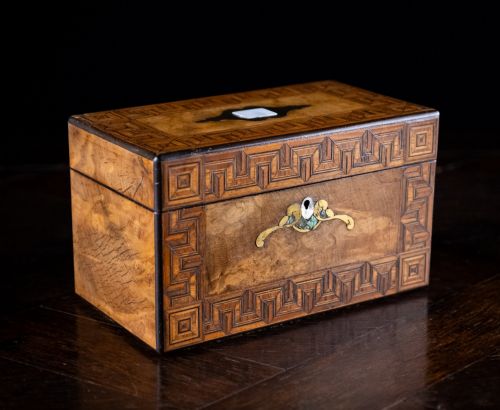
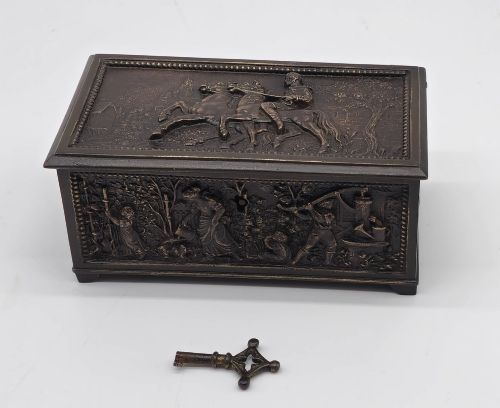
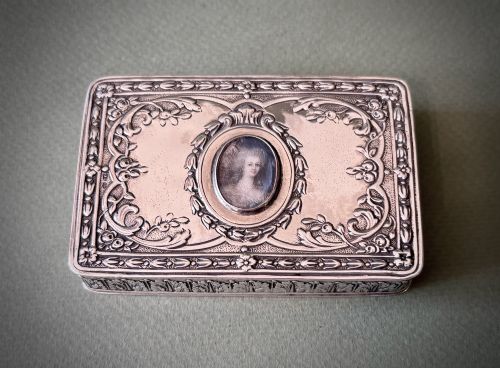
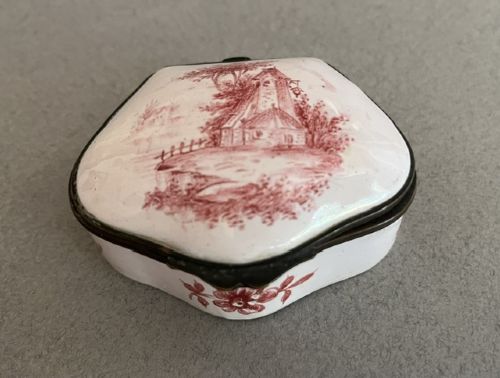
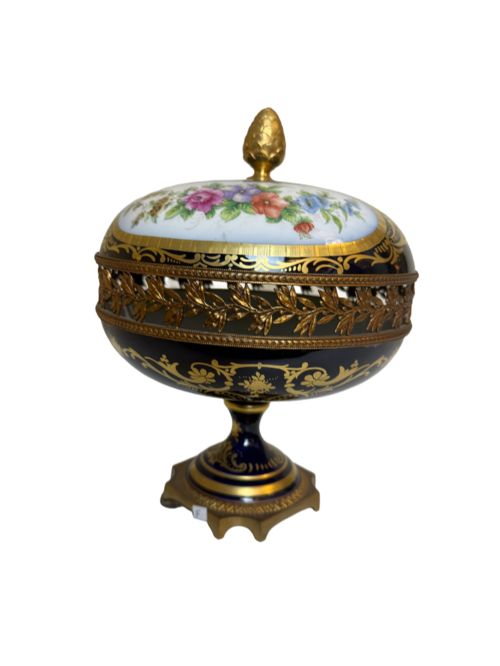
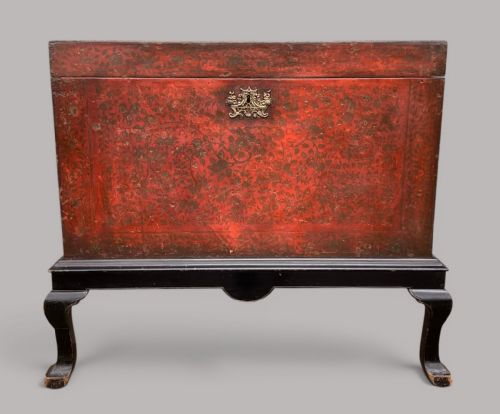
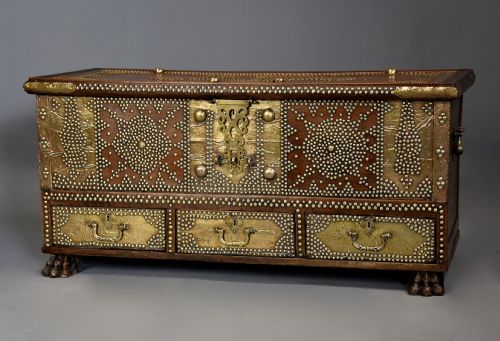
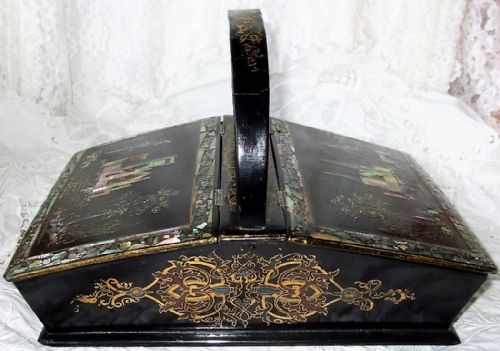
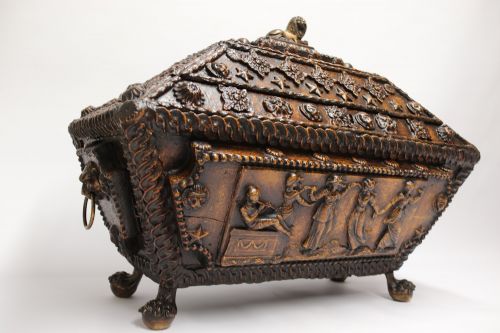
A 19th century decorative box spans tea caddies, writing caskets, trinket boxes and sewing boxes originating from English, French, and Asian workshops. Most pieces on this page date from the Victorian and Regency periods, utilising timbers such as rosewood, walnut, and coromandel.
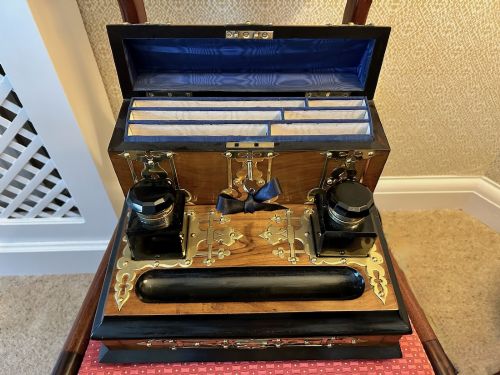
Forms range from small snuff boxes to substantial stationery cabinets and desk stands. Buyers encounter fitted interiors designed for specific domestic uses, including tea storage, needlework, and correspondence.
How they were made
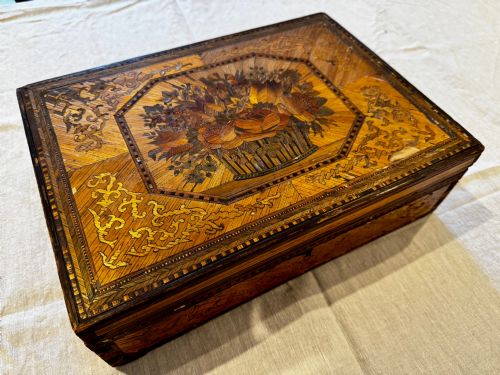
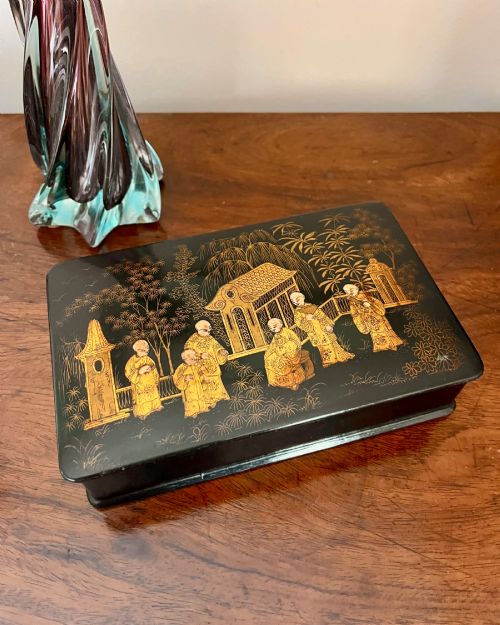
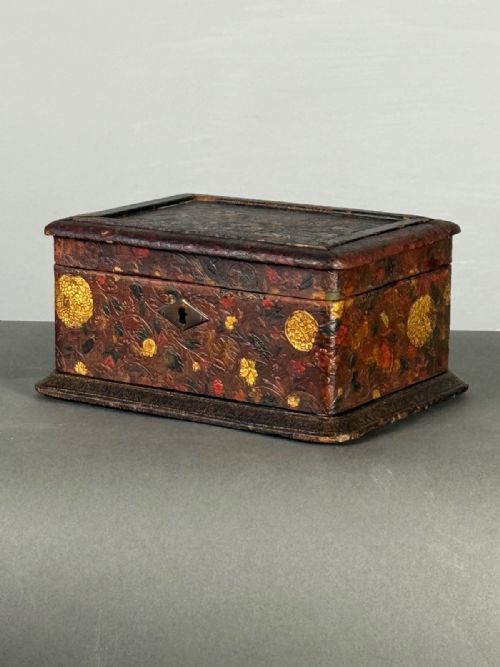
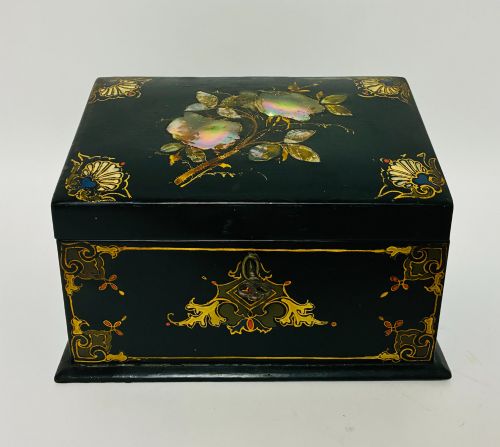
Maker's workshops employed dense timbers like rosewood and mahogany as carcasses, applying burr veneers, brass stringing, and mother-of-pearl inlay to create intricate surface patterns. Other pieces utilise papier-mâché, tortoiseshell, lacquered finishes, and silver mounts.
Techniques relied on precise joinery combined with applied decorative elements such as gesso, parquetry, and hand-painted Chinoiserie motifs.
Some coconut shells found a second life as carved drinking vessels and curious receptacles in the nineteenth century.
What varies in quality
Quality rests in the precision of the parquetry, the depth of the timber grain in burr veneers, and the integrity of inlaid brass and mother-of-pearl. Superior examples retain original fitted interiors, working locks, and interior compartments.
The finesse of hand-painted decoration and the weight of the metal mounts distinguish standard production items from exceptional workshop output.
Susse Freres Paris·Guichard Carries·Tahan of Paris
The 19th Century Decorative Box Glossary
- Tea caddy
- A box designed to store tea leaves, often featuring internal lidded cannisters or mixing bowls.
- Parquetry
- Geometric wood-mosaic work used for decorative surface patterns on box lids and panels.
- Boulle
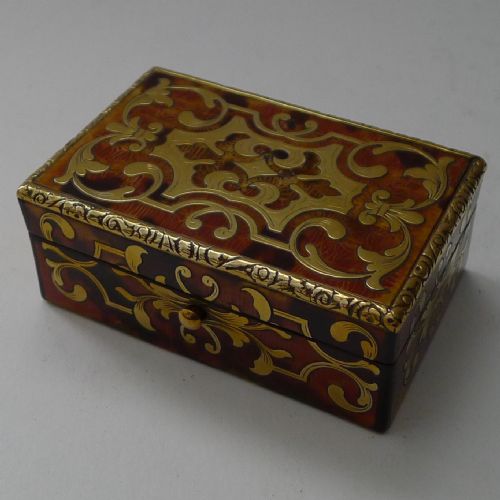
- A form of marquetry utilising brass and tortoiseshell inlay, popular in French decorative arts.
- Tunbridge ware
- Small wooden objects decorated with mosaic patterns created from thousands of tiny tinted wood blocks.
19th Century Decorative Box: Frequently Asked Questions
How do I care for wooden boxes?
Keep wooden boxes away from direct sunlight and sudden temperature changes to prevent the timber and veneers from drying out or splitting.
Apply a microcrystalline wax occasionally to nourish the surface and maintain the sheen of the polish.
Were these boxes used for tea?
Many surviving examples functioned as tea caddies to store expensive imported leaves safely under lock and key.
Inside, you will often find divided compartments or removable metal cannisters designed for different tea varieties.
How do I date a box?
Examine the secondary woods inside the box, the style of the brass hinges, and the construction methods used on the drawers and joinery.
Period characteristics like Regency brass inlay or Victorian papier-mâché provide clear indicators of the era of manufacture.
Can I use them for modern storage?
These boxes adapt easily to modern desks and dressing tables for holding jewellery, stationery, or small keepsakes.
Their robust construction and fitted compartments make them practical daily storage objects.