


1930s Vanity Box
A 1930s vanity box offers a tactile glimpse into the dressing routines of the interwar period.
1930s Vanity Box
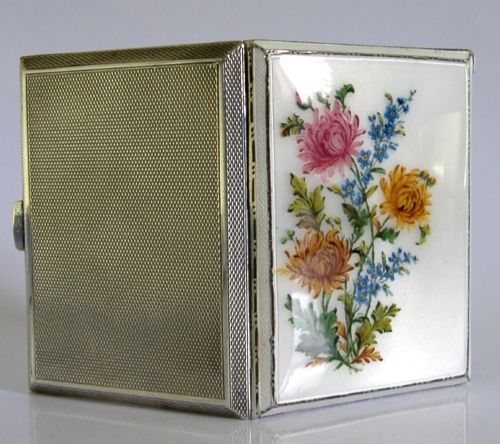
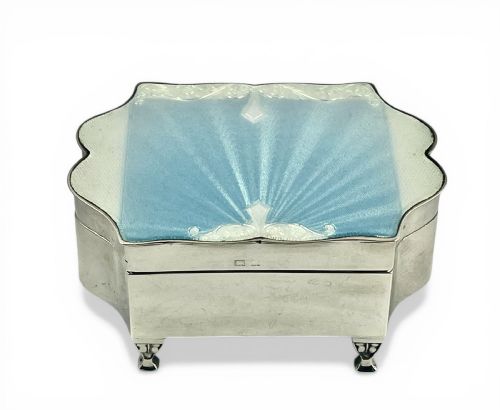
A 1930s vanity box encompasses portable and static receptacles designed for cosmetics, powder, cigarettes, and small trinkets, predominantly styled in the geometric and figural aesthetics of Art Deco.
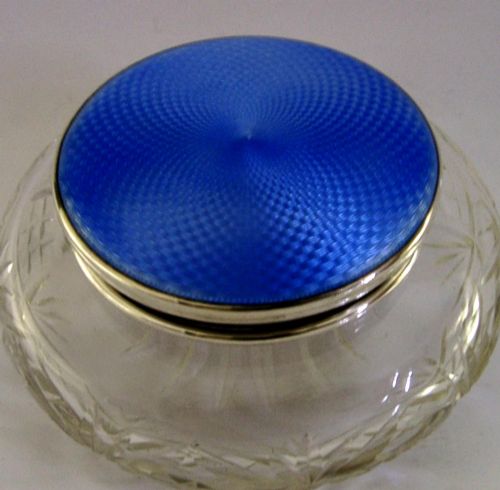
Buyers will frequently encounter ceramic half doll powder jars, porcelain flapper girl figures, and glass or metal jars alongside sterling silver and guilloche enamel compacts.
Origins span English silversmiths in Birmingham, French porcelain houses such as Limoges, and German ceramic workshops, providing a diverse selection of dressing table accessories.
Materials and construction methods
Metals such as sterling silver, chrome, and gilt form the structural cases and lidded jars, often ornamented with intricate guilloche enamel or hand-painted details.
Ceramic and porcelain pieces utilise moulded glazes to create figural powder bowls and half doll toppers, frequently paired with crystal glass bodies or cut glass jars.
Powder boxes topped with porcelain half dolls allowed dressing table accessories to double as fashionable ladies gazing up from their vanity.
Assessing quality in period pieces
The refinement of the enamel work and the crispness of the porcelain moulding dictate the upper tiers of quality, distinguishing standard mass production from finer artisan execution.
Subtleties in the hand-painting, the weight of the sterling silver or glass, and the preservation of original linings or mirrors determine the desirability of individual items.
Evans·Van Cleef and Arpels·Richard Hudnut
The 1930s Vanity Box Glossary
- Guilloche
- An intricate decorative engine-turning technique engraved into metal beneath a translucent layer of enamel. It produces repeating geometric patterns that catch the light.
- Half doll
- A bust-length ceramic or porcelain figure popular in the period, mounted to the lid of a powder box or brush handle. These figures often depict flappers or pierrots.
- Compact
- A small metal case containing a mirror, cosmetic powder sifter, and puff. They frequently incorporate enamel or mesh construction.
- Sterling silver
- A silver alloy containing ninety-two point five percent pure silver by mass. Assay marks on these items indicate the town of testing and year of manufacture.
1930s Vanity Box: Frequently Asked Questions
What were these boxes used for?
These receptacles held loose face powder, rouge, puffs, hairpins, and cigarettes on dressing tables or inside evening bags.
They served as functional containers for personal grooming items during daily routines and social outings.
How do I identify a piece from this decade?
Look for characteristic Art Deco geometric motifs, flapper figure styling, and specific ceramic or glass manufacturing traits.
Silver items frequently bear hallmarks corresponding to the nineteen thirties.
Where were these items manufactured?
Production centred in European workshops, notably English silver foundries in Birmingham, French porcelain manufacturers, and German ceramic studios.
International export houses also distributed these cosmetic accessories widely.
How should I display them at home?
These boxes suit placement on dressing tables, mantelpieces, or inside glass cabinets where their enamel and ceramic details remain visible.
Keeping them out of direct sunlight helps protect delicate coloured enamels and vintage linings.