




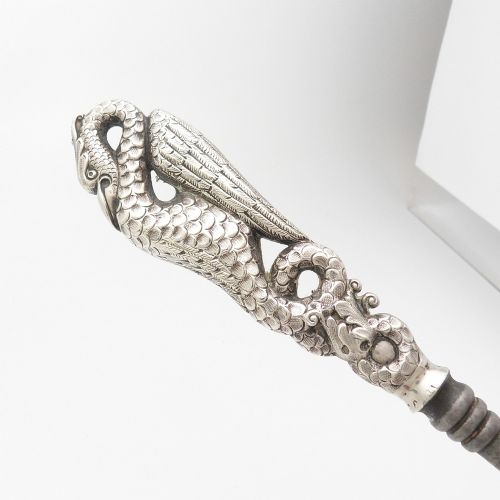

Antique Dressing Table Accessory
An antique dressing table accessory brings personal refinement to daily routines through finely worked silver, glass, and enamel.

Antique Dressing Table Accessory
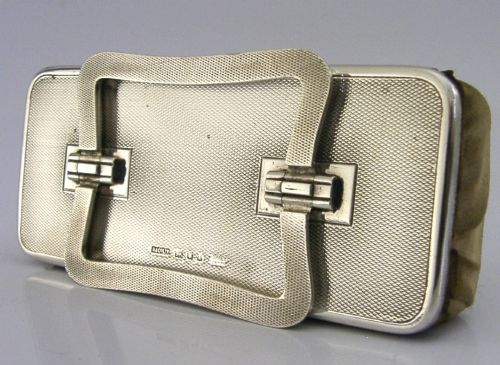
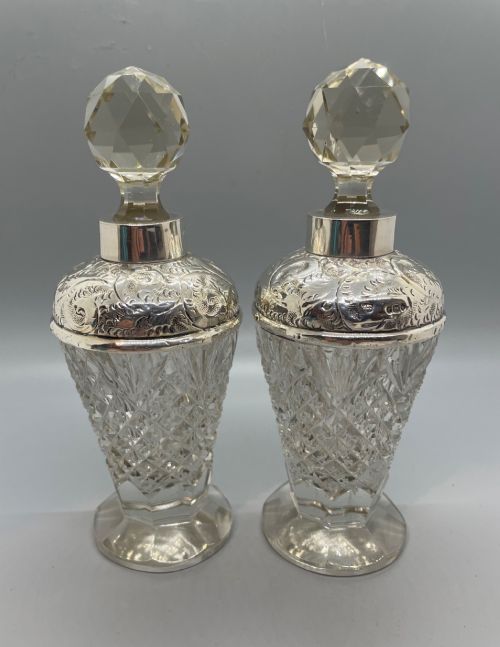
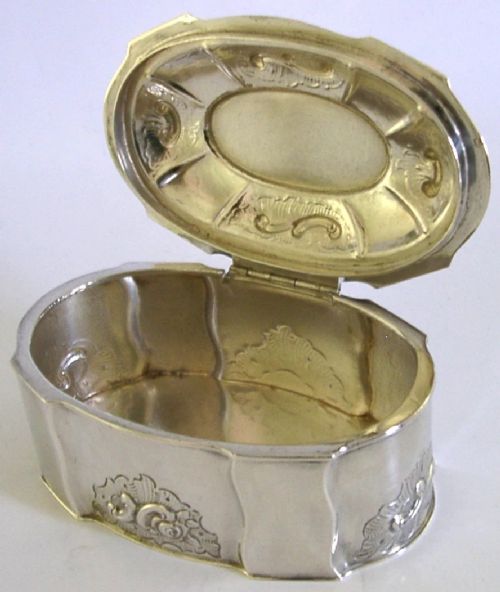
Every antique dressing table accessory serves a specific grooming or vanity function, ranging from scent bottles and trinket boxes to button hooks and hand mirrors. These functional objects transformed bedrooms and boudoirs across the Victorian, Edwardian, and Art Deco periods.
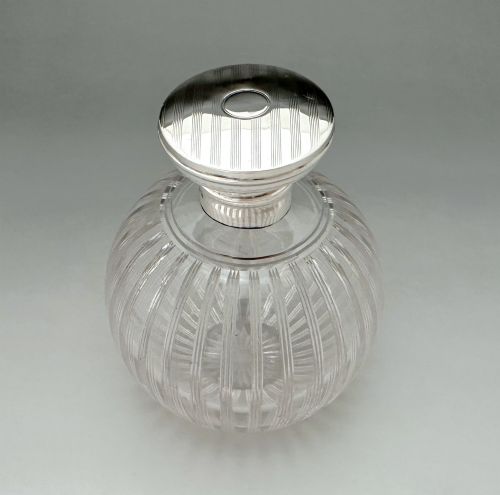
Perfume bottles, atomizers, and jars dominate the selection, often rendered in cut crystal or colourful glass with precious metal mounts. Smaller items such as ring trees, hat pin stands, and sewing sets complete the comprehensive outfit of a historical vanity.
The most common pieces stem from the early twentieth century, specifically the Edwardian era and the 1930s. Art Deco examples introduce geometric enamelling and stylised glass, while earlier Victorian items lean towards heavily embossed sterling silver and substantive travel boxes.
Materials and construction
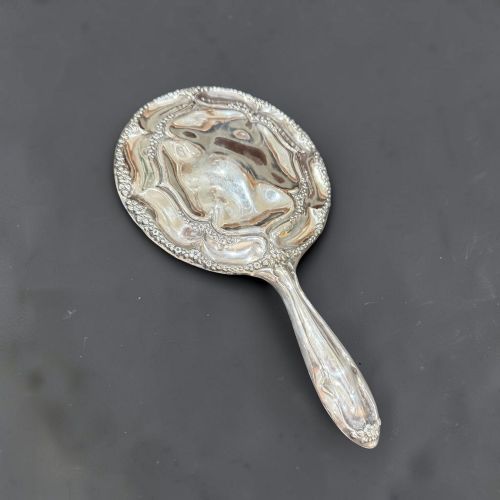
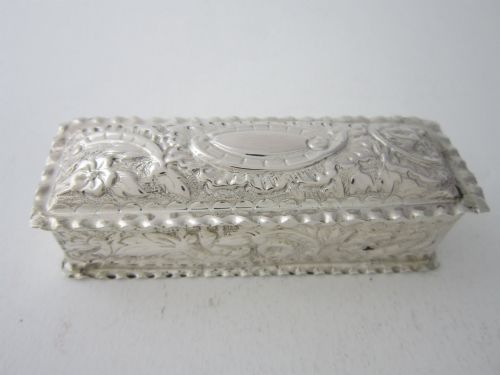
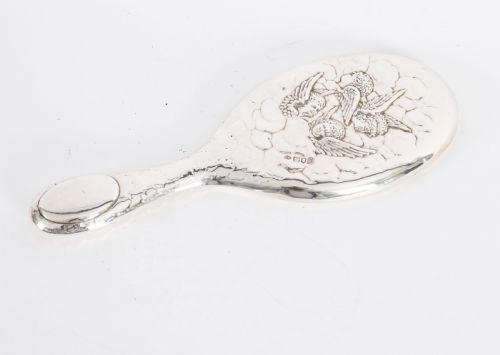
Sterling silver provides the structural mounts, lids, and brush backs, frequently stamped with assay office hallmarks that record the year and maker. Silversmiths employed techniques like repoussé and chasing to decorate surfaces with floral motifs or figural scenes.
Cut glass and heavy crystal form the bodies of scent bottles and powder jars, paired with coloured enamel in translucent or opaque finishes. Artisans applied guilloche engraving beneath layers of enamel to produce geometric shimmering patterns.
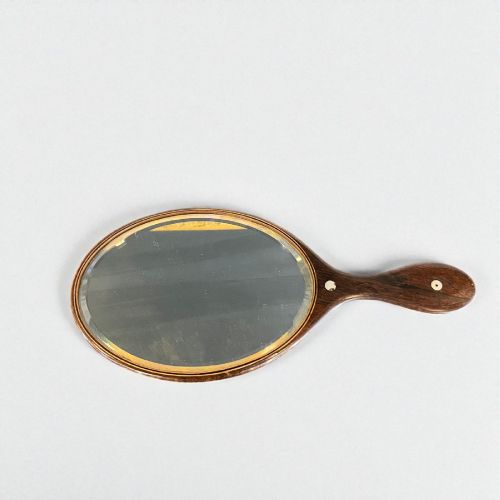
Organic materials such as tortoise shell, horn, and ivory appear as decorative inlays or handle components on brushes and button hooks. Fabric linings in velvet and silk furnish internal compartments for jewellery and small keepsakes.
Antique Dressing Table Accessory Retail Price Guide 2026
Typical asking prices for dressing table accessory among the pieces listed under this phrase on Sellingantiques today, from the lower quarter to the upper quarter. They describe what is for sale here now, not the wider market.
Materials recorded in current stock include sterling silver, cut glass, enamel, fabric, steel, velvet, and tortoise shell.
Assessing quality and craftsmanship
Substance and weight separate exceptional items from standard production, visible in the thickness of the silver and the depth of the crystal cutting. Heavier sterling mounts resist denting and maintain structural integrity across decades of use.
The precision of the enamel work dictates the tier of the piece, particularly where guilloche patterns align perfectly beneath translucent colour. Flawless enamel surfaces without chipping or restoration command greater appreciation among collectors.
Renowned designers and makers elevate simple vanity items into notable works of art through distinctive styling and superior finishing. Pieces bearing clear signatures from prominent glassworks or silversmiths demonstrate higher artistic intent.
Paul Storr·Charles Boyton·Crisford and Norris·Henry Perkins·Jane Brownett Alexander Jones·Karl Palda·Asprey and Co·René Lalique·Fasold and Stuach
The Antique Dressing Table Accessory Glossary
- Guilloche
- A decorative engraving technique producing precise, intricate geometric patterns beneath translucent enamel. This method was widely utilised on Art Deco vanity sets and compacts.
- Repoussé
- Metalworking where a silversmith hammers a design from the reverse side to form raised relief on the front. Victorian silver boxes and mirrors frequently display this ornate technique.
- Hallmark
- A system of official marks stamped on precious metals indicating the standard of purity, assay office, and year of production. These stamps provide definitive dating for British silver accessories.
- Atomizer
- A vanity spray bottle utilising a bulb or pump mechanism to disperse perfume in a fine mist. Art Deco examples often feature vibrant Czech glass bodies.
- Hat pin stand
- A weighted upright holder designed to store long decorative pins used in historical millinery. These stands frequently match other tabletop silver pieces in a dressing table set.
Antique Dressing Table Accessory: Frequently Asked Questions
What are dressing table accessories?
Dressing table accessories are functional items used for personal grooming and cosmetic storage in a bedroom or boudoir. They include scent bottles, powder bowls, brushes, mirrors, and trinket boxes.
Historically, these pieces formed matching sets displayed on vanity surfaces. They combined practicality with decorative elegance using materials like silver, glass, and enamel.
How were scent bottles used?
Scent bottles held liquid perfumes and colognes for daily personal application at the dressing table or during travel. Stoppers created a seal to prevent the fragrance from evaporating.
Many examples feature dabbers attached to the stopper for precise placement of the perfume. Travelling versions often came in fitted cases to protect the glass during transit.
How do I date an antique silver piece?
Dating silver relies primarily on the stamped hallmarks left by British assay offices. A specific letter punch indicates the exact year the item was tested and entered into trade.
Maker marks and standard sterling symbols accompany the date letter to confirm authenticity. Comparing these stamps against historical hallmarking records reveals the precise period of manufacture.
How should I clean antique enamel?
Antique enamel requires gentle care using soft, dry cloths to remove dust without scratching the delicate glass surface. Moisture can seep under compromised edges and discolour the metal beneath.
Harsh chemical cleaners and immersion in water must be avoided entirely to protect the coloured glass and silver mounts. Professional advice should be sought if deep cleaning is necessary.