
Antique Vanity Table Bottle
An antique vanity table bottle brings tactile elegance to a dressing surface, offering hand-cut crystal and precious metal mounts for everyday scent storage.
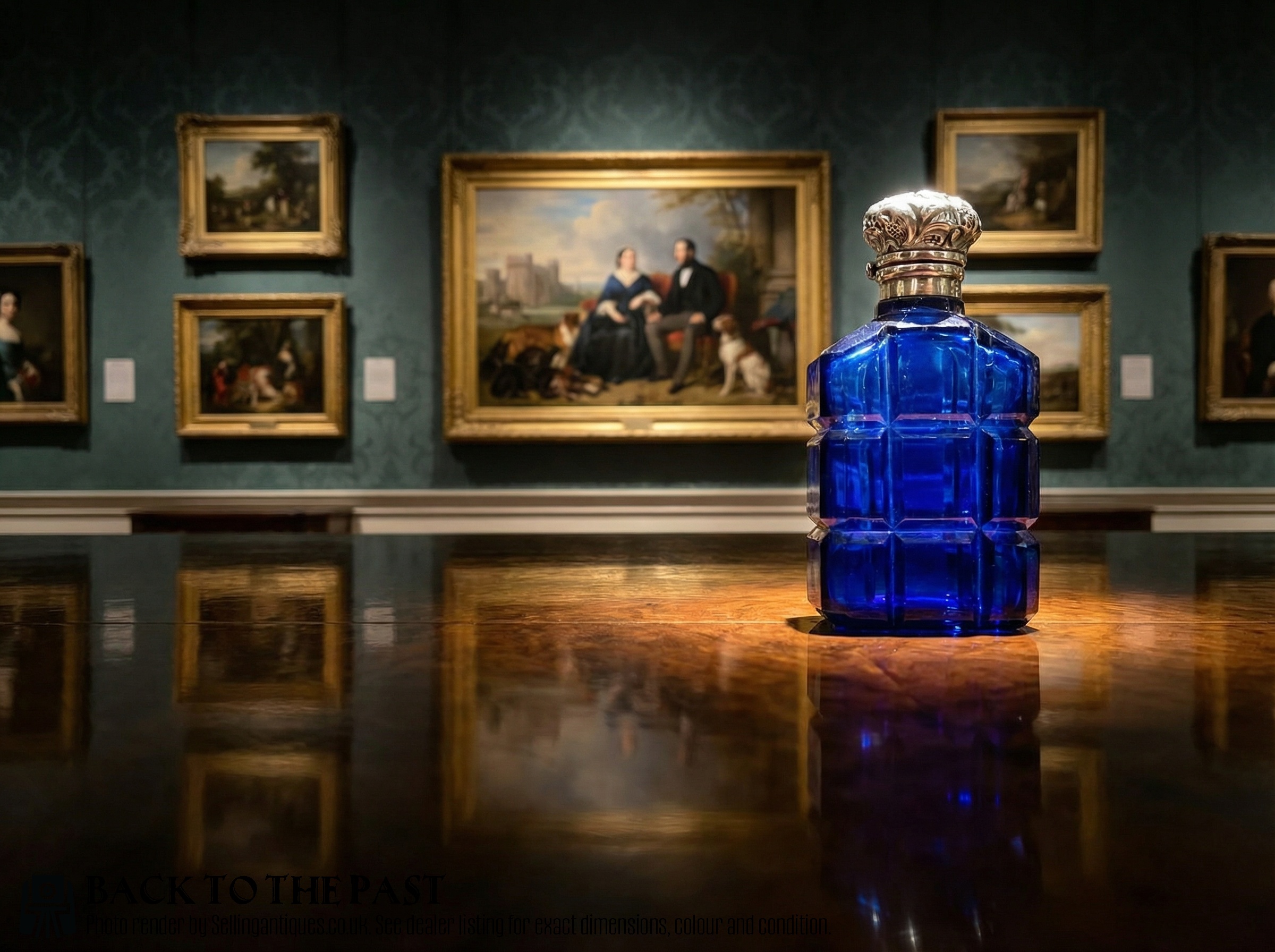
Antique Vanity Table Bottle
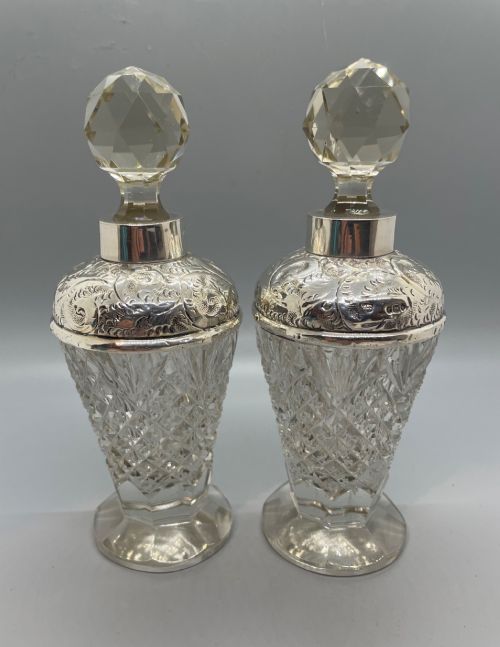
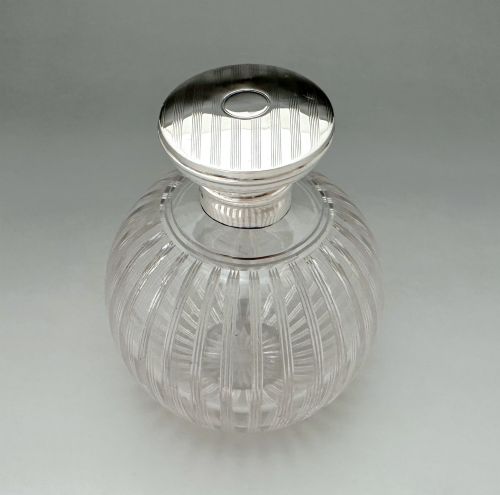
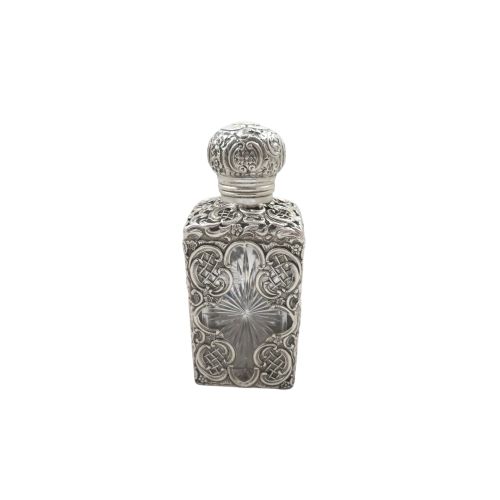
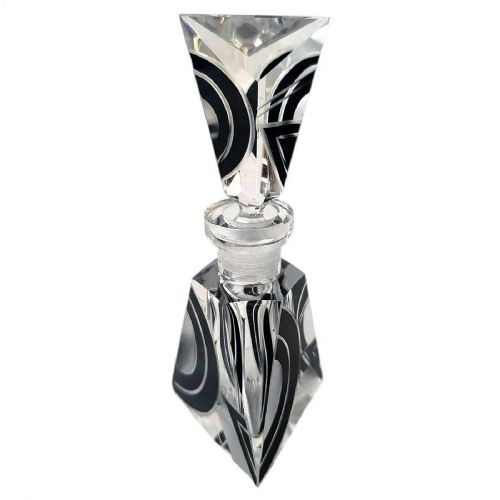
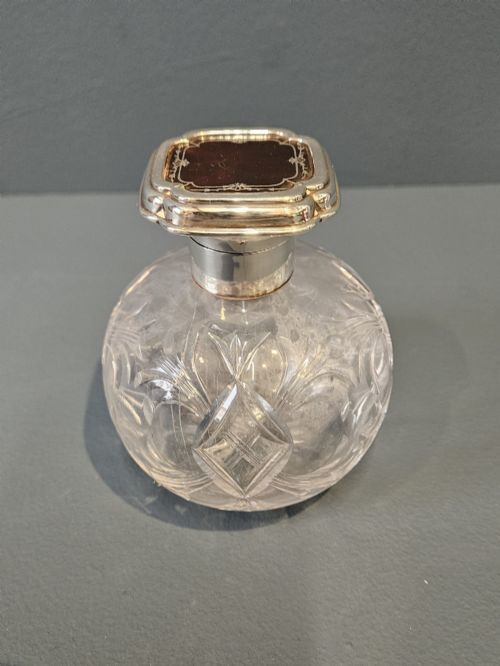
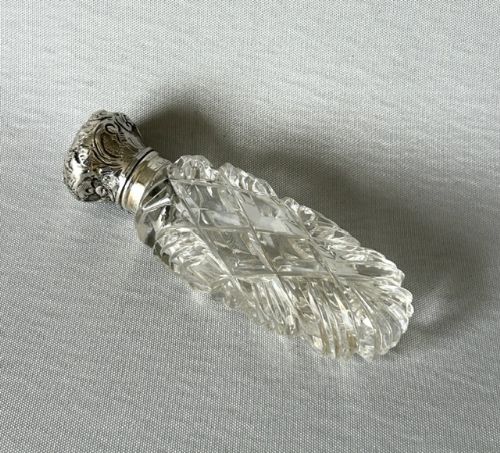
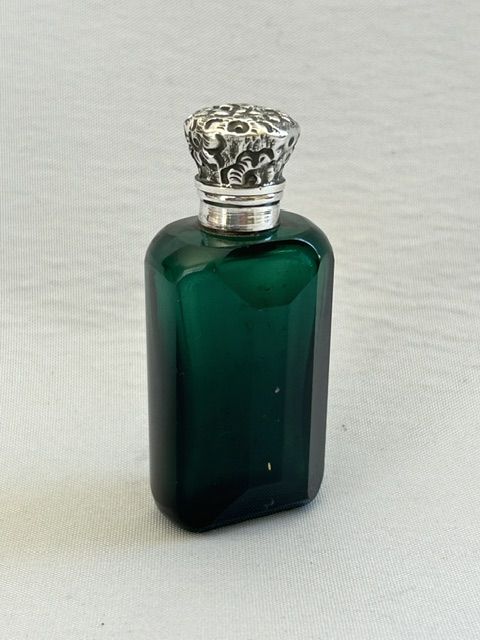
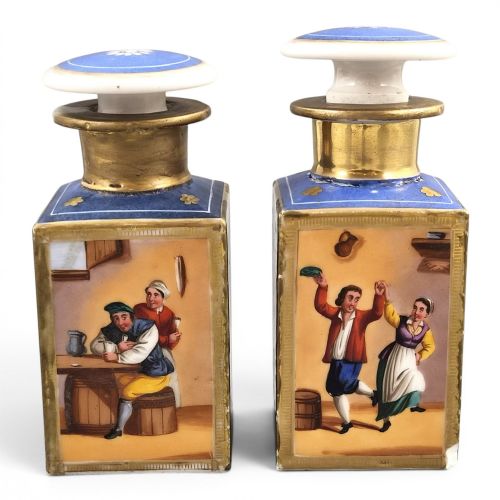
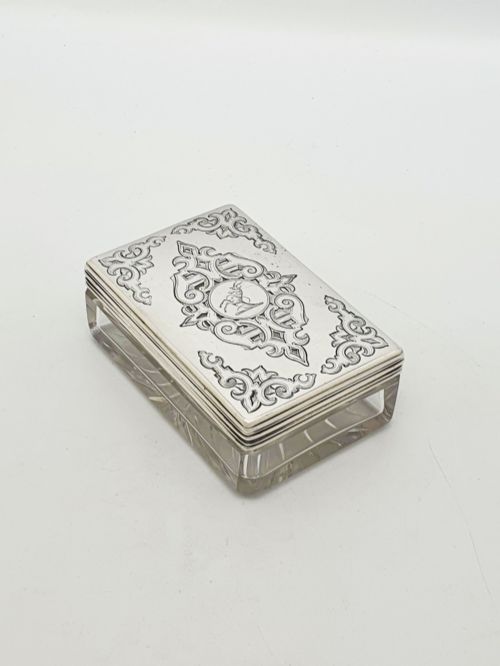
When you search for an antique vanity table bottle, you encounter small glass or crystal vessels designed to hold perfume, cologne, or salts on a dressing surface. The most common examples on this page date from the Victorian and Edwardian eras through the Art Deco period, combining functional glass bodies with precious metal mounts.
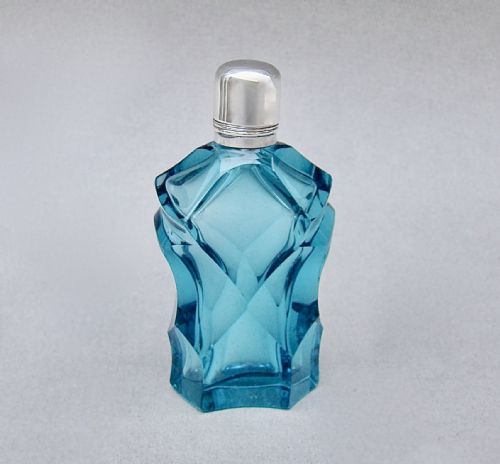
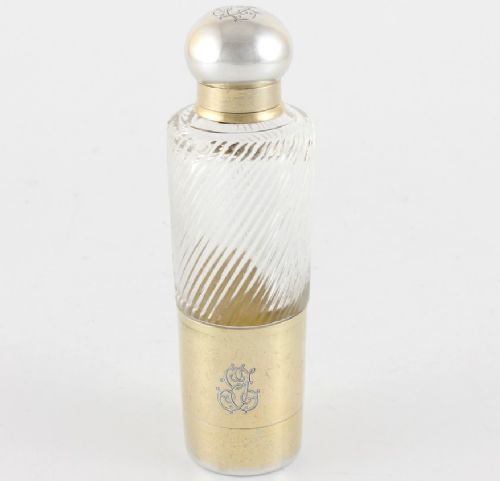
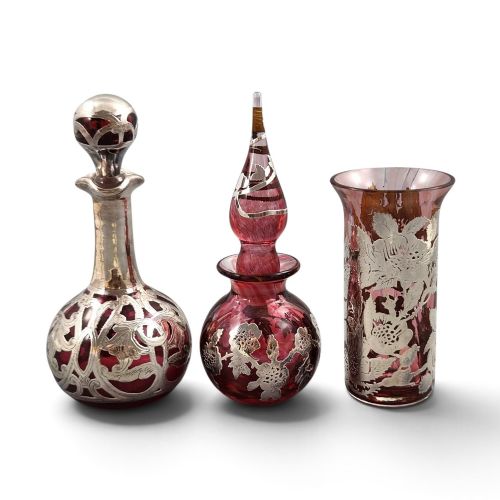
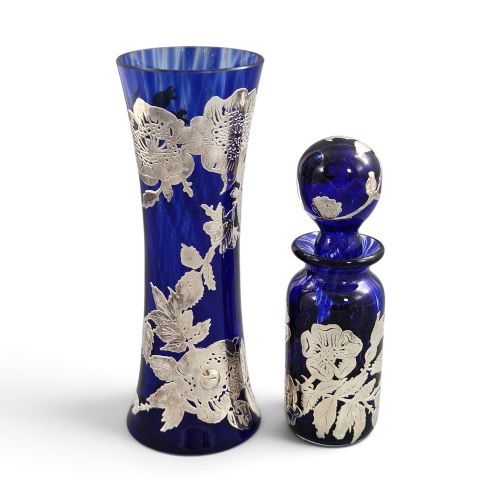
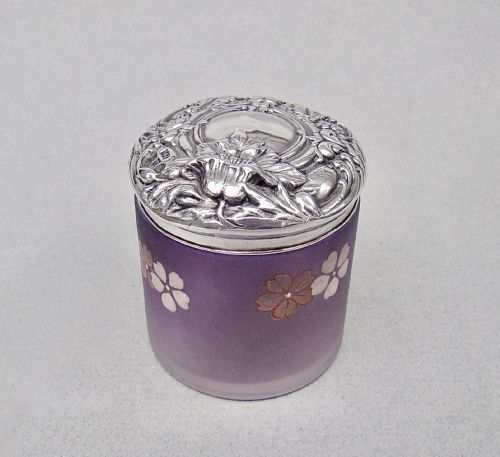
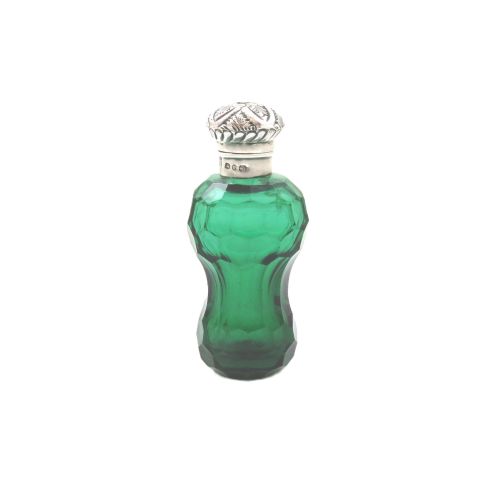
These pieces appear in various forms, including pocket-sized scent bottles with hinged silver caps, larger dressing table jars, and geometric atomisers. Makers utilised coloured glass such as teal, green, blue, and amethyst alongside clear cut crystal to catch the light on a mirrored tray.
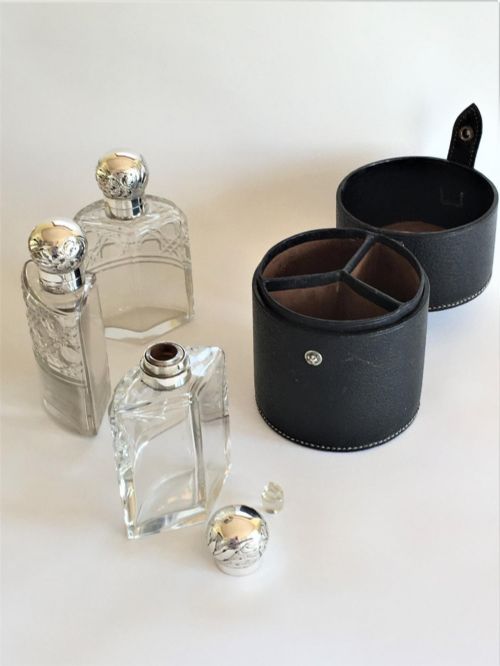
Many survivors retain their original stoppers, while others incorporate fitted travelling cases or matching trios intended for the vanity. The form bridges decorative art and personal grooming, reflecting the changing aesthetics of the nineteenth and early twentieth centuries.
Materials and technique
Makers produced the bodies of these vessels through glass-blowing, mould-pressing, and intricate hand-cutting. The glass was often layered, cased, or stained in vivid hues before technicians applied geometric incisions or frosted finishes.
Silversmiths and goldsmiths fashioned the caps, collars, and lids from sterling silver, silver gilt, or chrome, frequently embellishing them with enamel, tortoiseshell, or repoussé work. These metal mounts were secured directly to the glass neck to create an airtight seal for volatile perfumes.
Antique Vanity Table Bottle Retail Price Guide 2026
Typical asking prices for vanity table bottle among the pieces listed under this phrase on Sellingantiques today, from the lower quarter to the upper quarter. They describe what is for sale here now, not the wider market.
Some Edwardian travelling sets squeezed three distinct cologne bottles into a single fitted case, ensuring no gentleman ever lacked options.
Distinctions in quality
Quality rests upon the crispness of the glass cutting and the weight of the metal mount. Thickly cast crystal with deep, sharp facets distinguishes finer vessels from lighter, simpler press-moulded alternatives.
The integration of materials dictates distinction, visible in the precision of a silver-gilt hinge, the intact depth of guilloché enamel, or the presence of a fully matching, original glass stopper.
Karl Palda·Henry Perkins·Rene Lalique·Jacob Petit·Rudolf Hlousek
The Antique Vanity Table Bottle Glossary
- Sterling silver
- A silver alloy containing 92.5 percent pure silver by mass, widely utilised for the hinged lids and decorative collars of nineteenth and twentieth-century dressing table bottles.
- Atomiser
- A mechanical spray bottle fitted with a bulb or pump mechanism that disperses perfume in a fine mist, frequently produced in Art Deco geometric designs.
- Cut glass
- Glass decorated by grinding facets or patterns into the surface using a rotating wheel, creating reflective edges that catch the ambient light.
- Bristol green
- A deep, rich shade of green glass historically produced in English manufacturing centres and favoured for Victorian scent bottles.
- Guilloché
- A decorative technique where a precise, intricate pattern is mechanically engraved into a metal surface beneath a translucent layer of enamel.
Antique Vanity Table Bottle: Frequently Asked Questions
How were vanity bottles used?
These vessels held liquid perfume, smelling salts, or cologne for daily grooming rituals at the dressing table. Owners transferred scents from larger commercial containers into these decorative bottles for ease of use.
Many styles featured secure screw-caps or inner glass stoppers to prevent the precious contents from evaporating. Travel versions were often housed in fitted leather or velvet cases for safe carriage.
How do I date a scent bottle?
Hallmarks stamped on the silver mounts provide the most reliable dating evidence, indicating the assay office and year of manufacture. Stylistic markers also help, as heavy floral ornamentation points to the Victorian era while clean geometric lines suggest the Art Deco period.
Glass manufacturing techniques and colour preferences further assist in narrowing the decade of production. Examining the construction of the collar and the style of the stopper reveals clues about the period.
How do I clean an old bottle?
Gentle maintenance preserves the integrity of both the glass and the delicate metal components. Warm water and mild soap suffice for the interior, avoiding harsh scrubbing that might damage antique glass surfaces.
Silver mounts require careful polishing with a non-abrasive cloth to prevent polish residue from settling into engraved recesses or enamel work. Keeping moisture away from old cork linings protects the original fittings.