



Edwardian Sterling Silver Mirror
These edwardian sterling silver mirror pieces bring unmistakable dressing table elegance, combining bright precious metal with clear glass for daily use.

Edwardian Sterling Silver Mirror
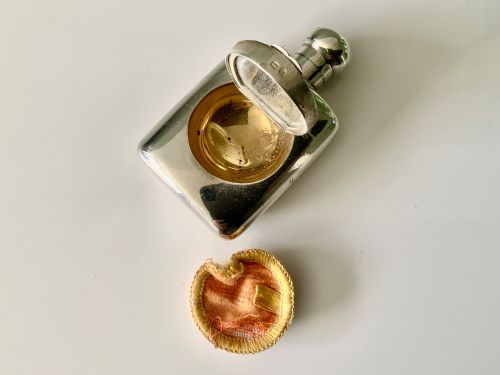
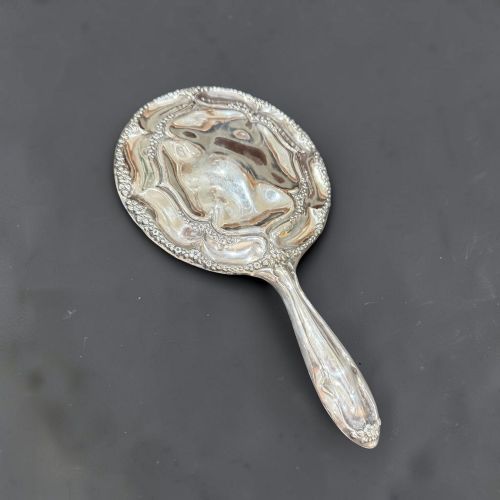
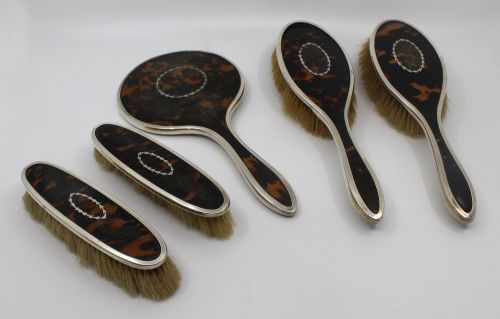
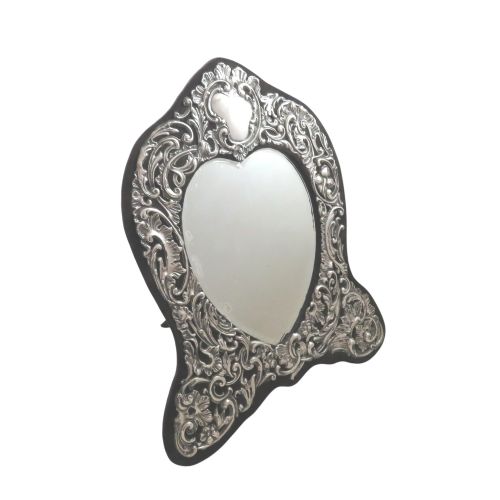
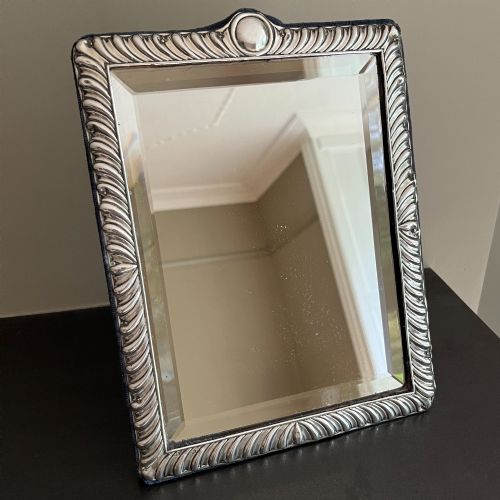
When you search for an edwardian sterling silver mirror, you encounter dressing table mirrors, hand mirrors, and strut mirrors designed for the vanity. These objects date predominantly from the early twentieth century alongside select late nineteenth century examples.
The pieces range from large tabletop and dressing table mirror forms measuring up to eighteen inches down to smaller hand mirrors and compacts. Many examples incorporate backing materials such as velvet, leather, and wood to support the sterling silver frames.
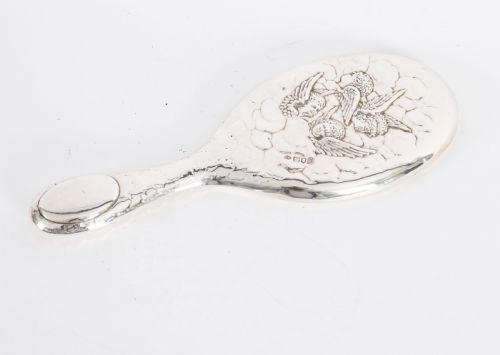
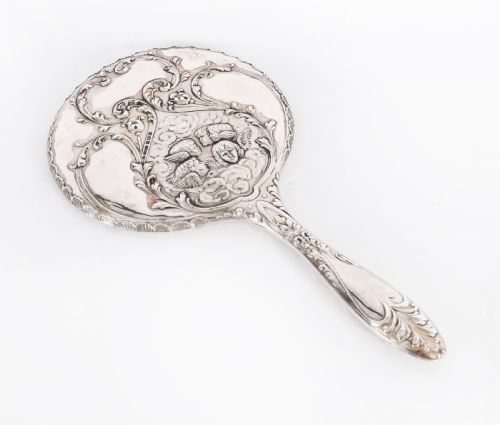
English workshops produced the vast majority of these items, with Birmingham and London assay offices stamping the sterling silver frames. You will also find figural motifs and embossed designs featuring cherubs or swing scenes across the surviving pieces.
Materials and construction methods
Makers constructed these mirrors using sterling silver frames mounted around bevelled mirror glass, often backed with fitted wood, velvet, or leather. The silver components were frequently embossed, chased, or paired with guilloche enamel to create decorative borders.
English silversmiths utilised hallmarking to stamp standard marks, date letters, and assay office symbols directly into the sterling silver mounts. Hand mirrors and dressing table mirrors relied on internal structural supports to secure the heavy glass panels within the metal frames.
Edwardian Sterling Silver Mirror Retail Price Guide 2026
Typical asking prices for edwardian sterling silver mirror among the pieces listed under this phrase on Sellingantiques today, from the lower quarter to the upper quarter. They describe what is for sale here now, not the wider market.
Object types include hand mirrors, dressing table mirrors, vanity mirrors, powder compacts, and jewellery boxes bearing English hallmarks.
Distinguishing quality in silver mirrors
Quality rests upon the crispness of the silver embossing and the depth of detail in figural elements such as cherubs or pastoral scenes. Heavier gauge sterling silver frames maintain their structural integrity far better than thin, easily dented alternatives.
The clarity and originality of the mirror glass, alongside the preservation of backing materials like leather and velvet, separate standard vanity items from finer workshop productions. Clear hallmarks from notable makers add substantial weight to an individual piece.
Charles Boyton·S Blanckensee and Son·Henry Matthews·William Comyns
The Edwardian Sterling Silver Mirror Glossary
- Sterling silver
- An alloy comprising ninety-two point five percent silver and seven point five percent other metals, typically copper. This standard composition provided the durable framework necessary for dressing table mirrors.
- Hallmark
- An official stamp applied by an assay office indicating the purity of the metal, the maker, and the year of production. These marks are essential for dating English silver.
- Guilloche enamel
- A decorative technique where intricate geometric patterns are machined into metal and coated with translucent enamel. This finish appears frequently on Edwardian compacts and vanity items.
- Strut mirror
- A portable mirror featuring a hinged support leg on the back for standing upright on a table. This form allowed users to adjust the viewing angle easily.
- Embossing
- A metalsmithing process where a design is raised from the reverse side of the silver using punches and hammers. It created the ornate borders seen on many period hand mirrors.
Edwardian Sterling Silver Mirror: Frequently Asked Questions
How do I clean an edwardian sterling silver mirror?
Use a soft microfibre cloth with a specialised silver polish, working gently around the embossed details and avoiding contact with the mirror glass or backing materials.
Store the piece in a dry environment to slow down tarnishing and protect any original velvet or leather supports on the reverse.
Are these mirrors heavy to hold?
Hand mirrors and smaller vanity pieces have substantial weight due to the thick sterling silver mounts and the heavy glass panels inside.
Larger dressing table mirrors rely on wooden struts or easel backs to remain stable when placed upright on a surface.
How can I tell if a mirror is Edwardian?
Examine the hallmarks stamped on the silver frame to identify the assay office symbols and specific date letters corresponding to the early twentieth century.
The distinct design aesthetics, ranging from floral embossing to early Art Deco geometric enamel, help distinguish the period from later reproductions.