
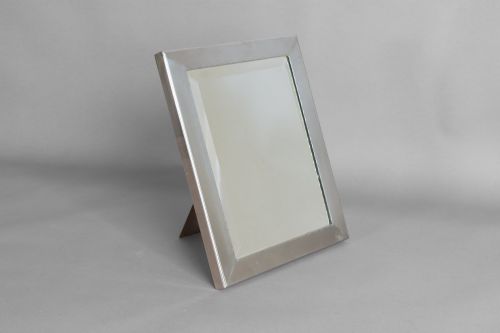


Bevelled Glass Silver Mirror
A bevelled glass silver mirror brings unmistakable depth to a room, catching the light across angled edges set within periods from Victorian to Art Deco.
Bevelled Glass Silver Mirror
A bevelled glass silver mirror combines reflective glass plates with angled borders that refract light distinctively. These pieces span wall mirrors, vanity designs, dressing table pieces, and overmantle formats.
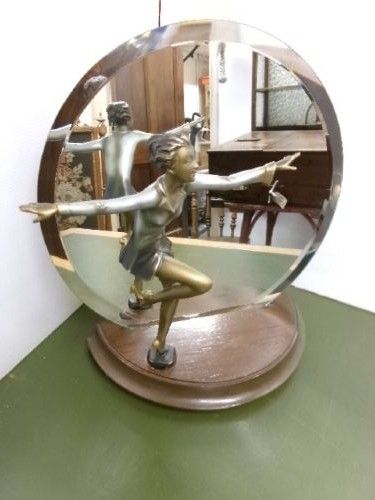
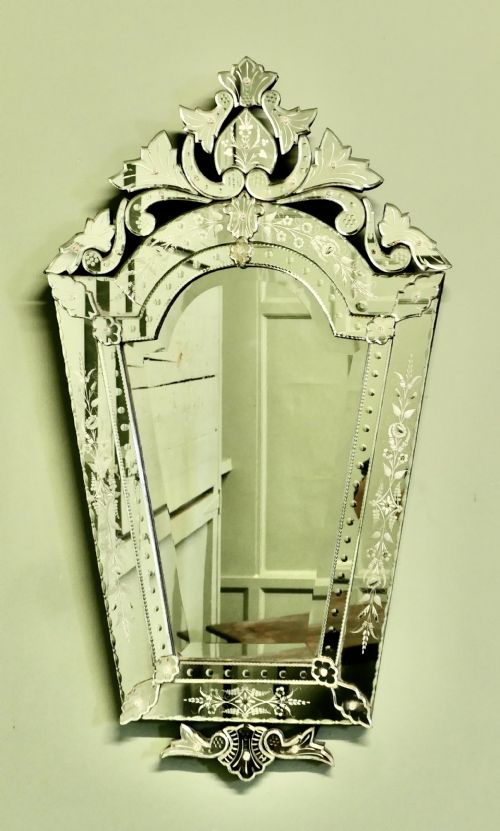
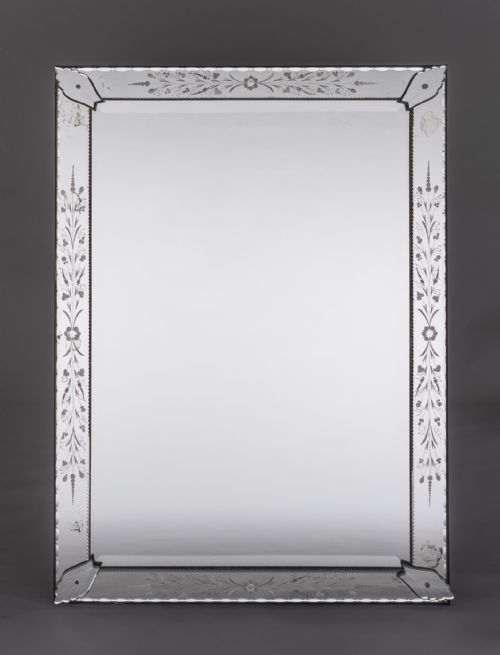
The selections encountered here stretch from late nineteenth century Victorian and Edwardian examples to twentieth century Art Deco and Venetian styles. Buyers find round wall mirrors, cushion mirrors, and easel vanity pieces among the various forms.
Origin points range from English workshops utilising sterling silver mounts to Italian Venetian makers producing engraved glass plates. This variety offers multiple interpretations of the form across different decades.
Materials and construction methods
Makers utilised glass, mirrored glass, and silvered glass plates alongside supportive frames of wood, brass, spelter, and silver plating. Plates received hand-cut bevels along their perimeter to create angled edges.
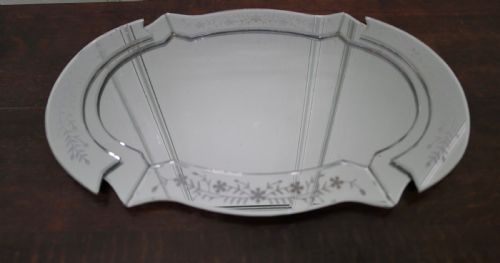
Venetian examples incorporated engraved glass sections and cushion plates secured with original fittings, whilst Edwardian and Victorian pieces often featured hallmarked sterling silver mounts and easel backs.
Several pieces combine utility with surprise, housing functional clocks or armed soldiers right inside the mirror frame.
Distinctions in quality
Superior examples display crisp hand-cut bevels on the glass plate and clear engraving without distortion. The integrity of the silver plating or the weight of the brass and wooden frames dictates the grade of the piece.
Original fittings and untouched foxing on antique plates distinguish better specimens from later replacements. The crispness of the etchings and the execution of applied figures reveal the artisan's skill.
HENRY MATTHEWS
The Bevelled Glass Silver Mirror Glossary
- Bevel
- An angled edge cut along the perimeter of a glass mirror plate. This technique refracts light and adds visual depth to the piece.
- Foxing
- Age-related spots and discoloration appearing within the silvered backing of a mirror. Collectors often appreciate this sign of genuine antique origin.
- Overmantle
- A large mirror designed to hang specifically above a fireplace mantel. These pieces frequently feature extended proportions and decorative frames.
- Easel mirror
- A portable mirror supported by a hinged rear leg for tabletop display. They appear frequently in dressing table and vanity configurations.
- Cushion mirror
- A mirror style featuring a raised, curved central plate surrounded by angled border panes. Venetian makers utilised this format extensively.
Bevelled Glass Silver Mirror: Frequently Asked Questions
How do I date a mirror?
Dating relies on examining the frame style, the method of glass bevelling, and any maker marks or hallmarks present on the metal components. Period characteristics from Victorian, Edwardian, and Art Deco eras provide clear chronological indicators.
Hardware such as original backing boards, screws, and easel fittings also help confirm the age of the piece.
What is foxed glass?
Foxing refers to the small spots and dark patches that develop in the reflective silver backing over decades of exposure to air and moisture. It is a natural ageing process rather than a manufactured effect.
Many collectors value foxing because it proves the authenticity of an antique mirror plate.
Where should I hang a wall mirror?
Wall mirrors suit positions where they can capture and reflect natural light from windows, effectively brightening darker corners of a room. Overmantle mirrors work best centred above a fireplace to anchor the surrounding decor.
Ensure the wall fixings match the weight and hanging mechanism of the specific frame.