


Vintage Silver Tabletop Mirror
These vintage silver tabletop mirror examples bring practical elegance to any dressing table, offering distinctive periods and craftsmanship.
Vintage Silver Tabletop Mirror
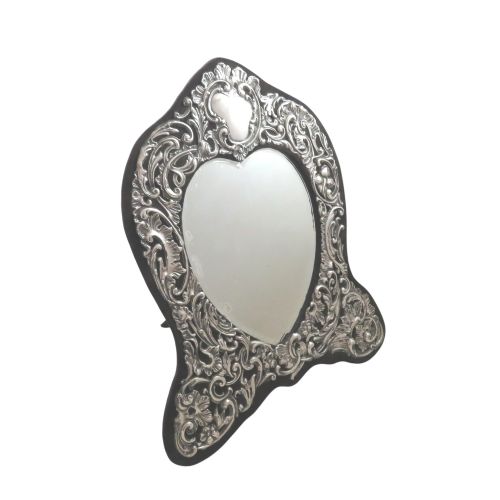
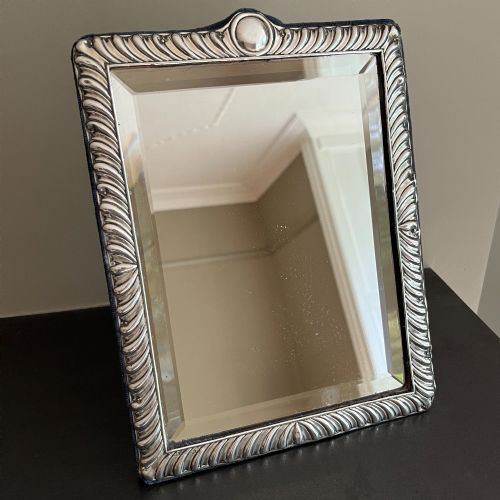
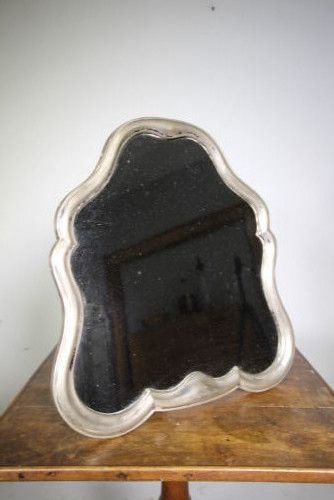
A vintage silver tabletop mirror serves as a decorative and functional accessory for dressing tables, combining reflective glass with precious or plated metal frames. Buyers seeking a vintage silver tabletop mirror encounter vanity pieces designed to sit on furniture surfaces rather than hang upon walls.
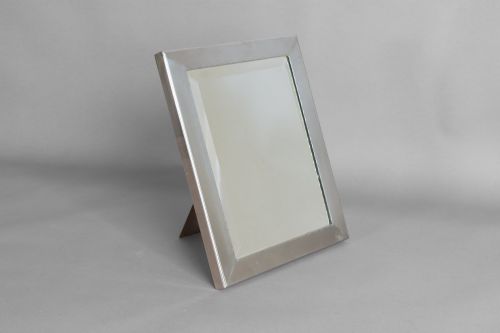
The selections span diverse historical eras, including the Victorian, Edwardian, and Art Deco periods, alongside 19th Century expressions. These objects take the form of strut mirrors, easel back mirrors, triptych designs, and vanity mirrors created for daily personal grooming.
Origins vary across English manufacture and continental workshops, incorporating supporting structures in wood, velvet, and chrome. Certain pieces present specialised formats like plateau mirrors or shaving mirrors intended for specific domestic routines.
How they were made
Makers utilised sterling silver and silver plate over supportive armatures, frequently combining glass panels with wooden backs and velvet linings. Metalworking techniques produced detailed frames shaped to historical styles, from Rococo Revival curves to clean geometric Art Deco lines.
Easel mechanisms and struts were engineered to support the weight of the mirror glass securely on flat surfaces. Additional materials such as silvered copper, chrome, and silver leaf appear across specific pieces from the turn of the twentieth century onward.
Honesty seed pods cast in silvered copper bring botanical seedpods straight to an Arts & Crafts tabletop mirror frame.
What varies in quality
The weight and thickness of the sterling silver or heavy silver plating distinguish superior examples from standard production. Substantial gauge metal provides rigidity to the frame and structural integrity to the easel support.
The clarity and preservation of the mirror glass itself determine the visual standard of the piece, alongside the finesse of hand-worked details. Maker marks, hallmarks, and integrated wooden or velvet backing components further indicate the original grade of manufacture.
WMF·Mirror Brot·Cadbury
The Vintage Silver Tabletop Mirror Glossary
- Sterling Silver
- A standard alloy consisting of ninety-two point five percent silver by mass. This material provides the primary metallic substance for high-grade antique frames.
- Strut Mirror
- A mirror featuring a hinged prop or leg attached to the back. This device allows the glass to stand inclined upon a table surface.
- Triptych Dressing Table Mirror
- A three-panel mirror construction with hinged side wings. This arrangement permits the user to adjust the angle of the side reflections.
- Easel Back Mirror
- A portable mirror supported by an angled prop resembling an artist easel. This design supports tabletop placement without wall mounting.
- Silver Plate
- A thin layer of silver applied to a base metal foundation. This method offered a bright metallic finish at a lower cost than solid silver.
- Plateau Mirror
- A low, tabletop mirrored plateau traditionally used as a centrepiece base for ornaments or display items. These objects reflect candlelight or decorative items placed upon them.
Vintage Silver Tabletop Mirror: Frequently Asked Questions
What is a strut mirror?
A strut mirror incorporates a hinged support arm on the reverse side. This mechanism props the frame upright at a convenient viewing angle on any flat surface.
Such designs proved essential for dressing tables before fitted wall mirrors became standard in domestic interiors. They remain practical for modern dressing areas requiring flexible positioning.
How do I identify Art Deco mirrors?
Art Deco mirrors display geometric shapes, streamlined forms, and clean lines typical of the 1920s and 1930s. Materials like chrome often accompany these designs alongside stylized motifs.
Earlier Victorian and Edwardian examples lean toward organic curves, floral embossing, or Rococo Revival ornamentation. Comparing the frame profile clarifies the period of manufacture.
Where were these mirrors used?
These mirrors found placement primarily on dressing tables, vanity units, and chest of drawers within bedrooms. They aided with personal grooming, hairstyling, and applying cosmetics.
Specialised formats like plateau mirrors also served on dining tables or sideboards to display decorative objects. Their portable nature allowed owners to move them toward natural window light.
How should I clean silver frames?
Sterling silver and silver-plated frames require gentle cleaning with specialised silver cloths to preserve the metal finish. Care must be taken to avoid abrasive contact with the mirror glass and backing materials.
Velvet linings and wooden structures should remain dry during maintenance. Regular, light dusting prevents tarnish accumulation without wearing away thin plating.