
Victorian Silver Handle
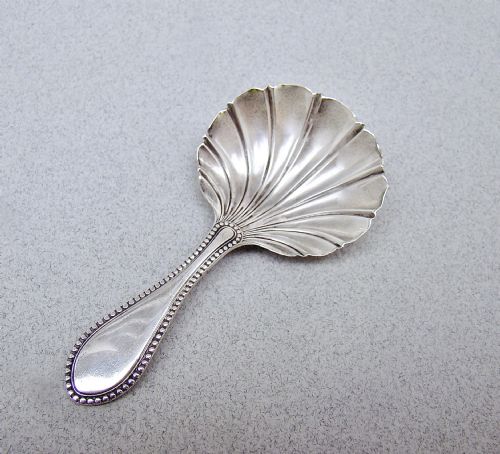
A victorian silver handle brings unmistakable character to walking sticks, cutlery, and desk accessories.
Victorian Silver Handle
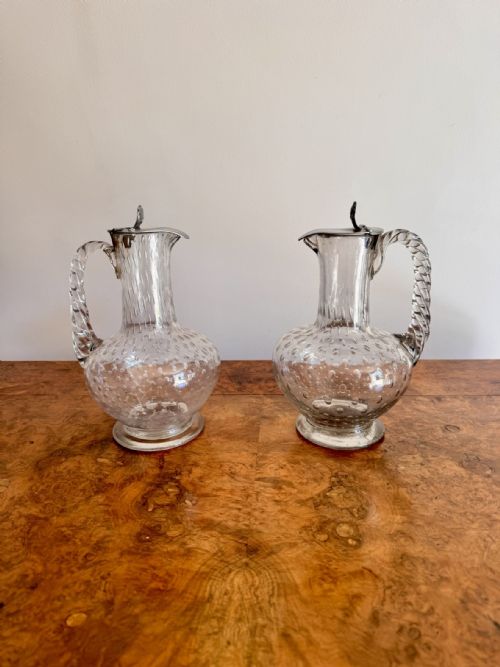
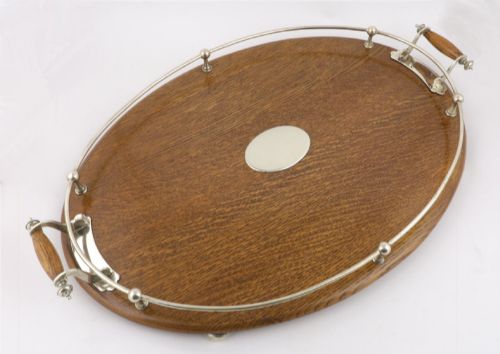
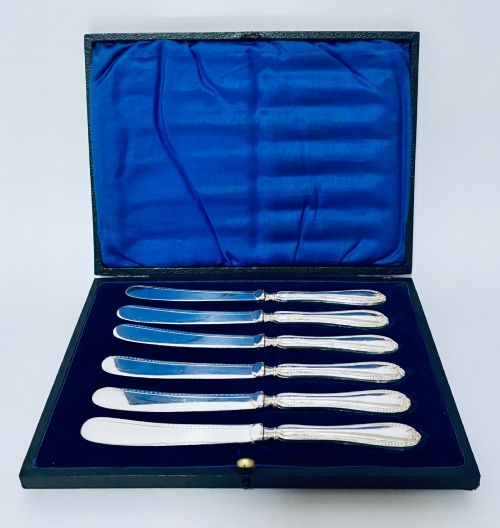
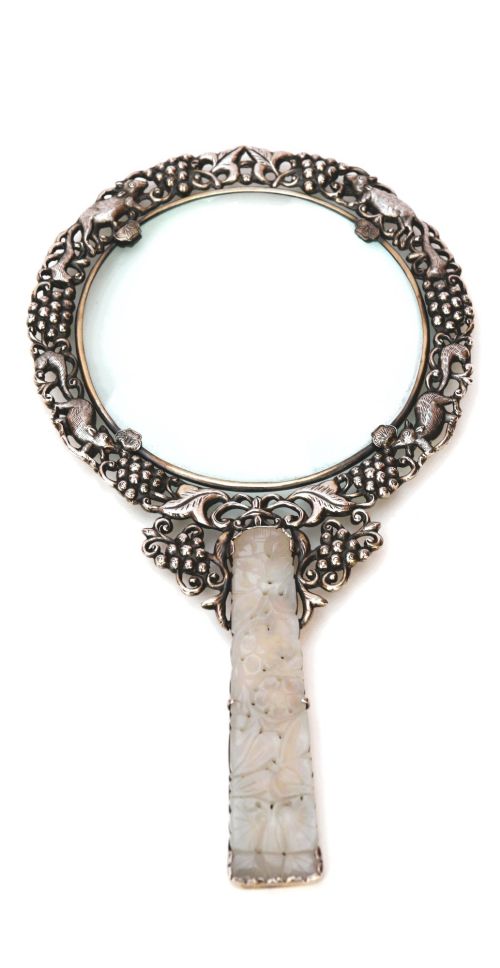
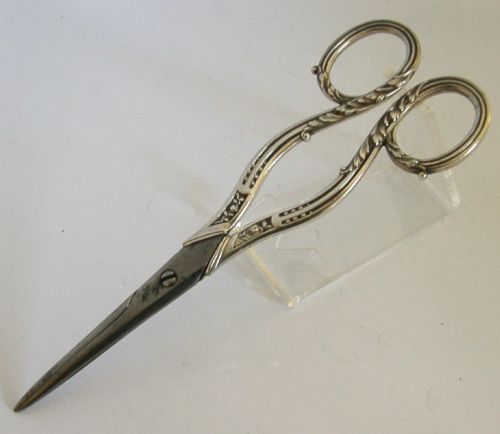
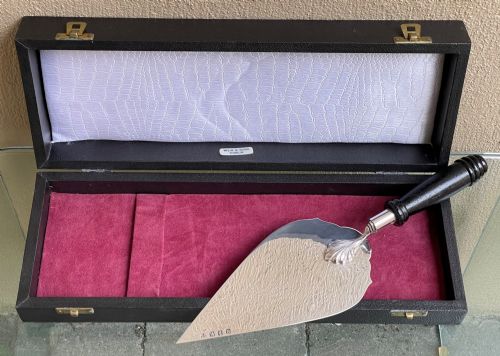
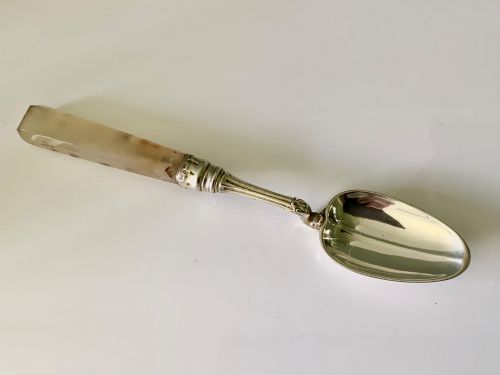
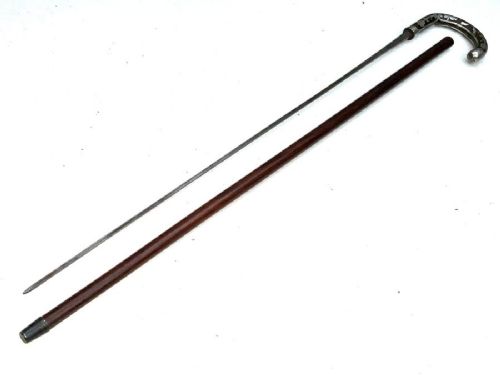
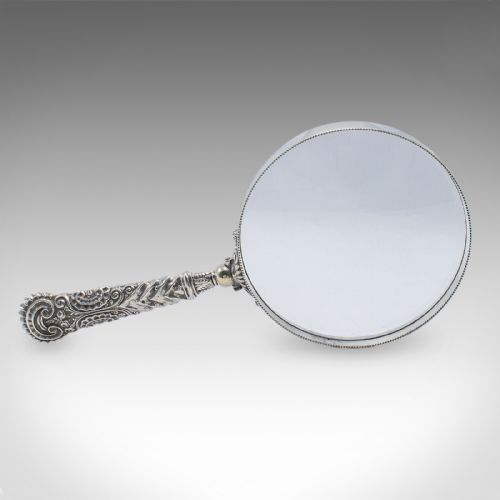
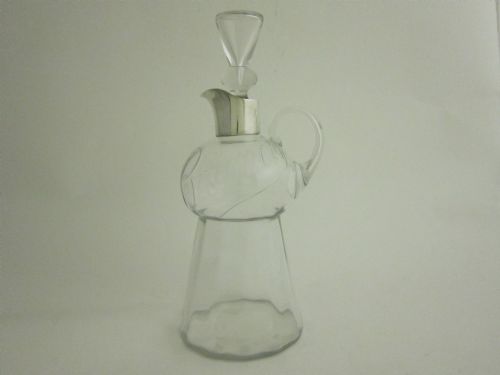
A victorian silver handle appears across a wide variety of functional and decorative objects from the nineteenth century. These pieces encompass walking sticks, canes, fruit knives, magnifying glasses, and desk items designed for daily utility or display.
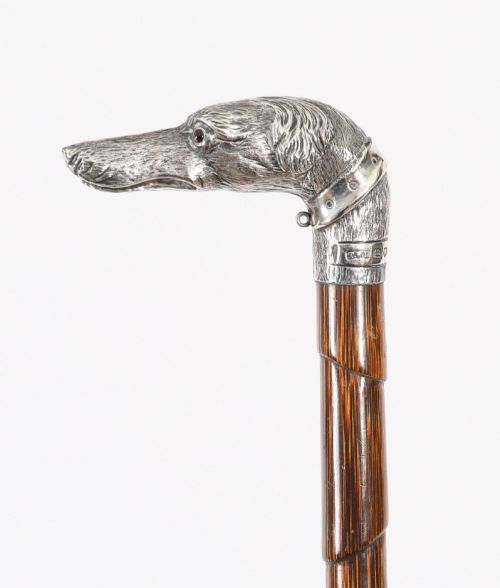
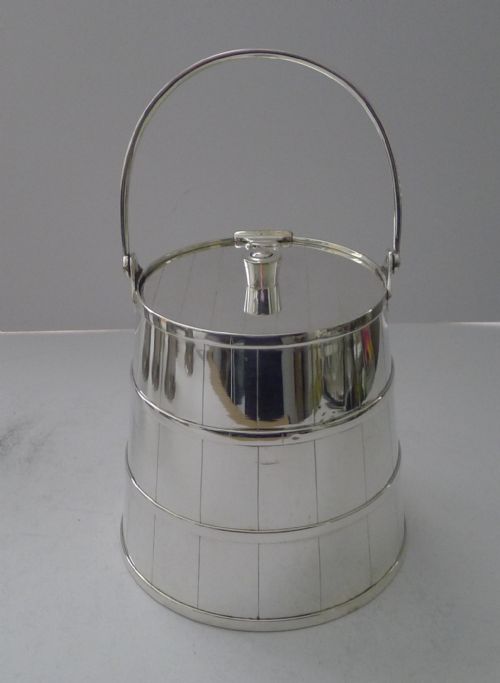
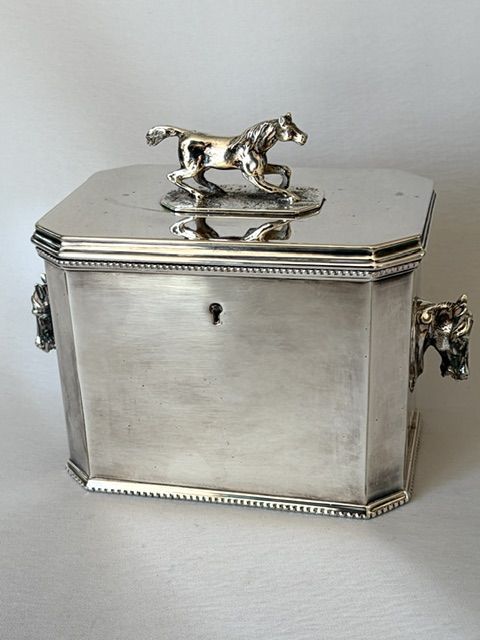
Walking sticks and canes frequently feature figural grips shaped as greyhounds, horses, or birds, cast in sterling silver or silver plate. Other common forms include swing handles on baskets, side handles on mugs, and decorative grips on presentation items.
Makers utilised solid sterling silver, silver gilt, and silver plate over base metals, often combining the metal grip with wood, steel, or mother-of-pearl shafts. These items span the Victorian, Edwardian, and late nineteenth-century periods, reflecting diverse stylistic influences from naturalism to neo-classicism.
How they were made
Silversmiths employed techniques such as casting, embossing, and engraving to shape the metal into complex figural designs, geometric patterns, or floral scrolls. Handles were then securely fitted to wooden shafts, glass decanters, or steel blades using adhesives, pins, or threaded mounts.
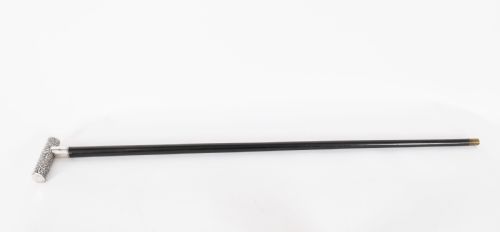
Silver plate and sterling silver formed the primary metal components, sometimes accented with gilding or filigree work. Natural materials like wood, ebonised wood, horn, agate, and mother-of-pearl provided contrasting shafts and grips for cutlery and walking sticks.
Listings feature items from the Victorian and Edwardian eras, spanning materials from sterling silver and silver plate to wood, steel, and agate.
What varies in quality
The definition and depth of the chased or cast detail separate standard production pieces from finer examples. Crisp rendering on figural handles, such as animal heads or foliate scrolls, indicates superior craftsmanship by skilled silversmiths.
The choice and integrity of the materials also dictate the standard of an item. Solid sterling silver components, substantial gauge metal, and tightly fitted natural materials like agate or mother-of-pearl represent higher standards of production compared to lighter plated alternatives.
Martin Hall & Co·Walker & Hall·George W Scott & Sons Ltd·Thomas Bradbury & Sons·G R Collis·Henry Matthews·Atkins Brothers·S W Silver & Co
The Victorian Silver Handle Glossary
- Sterling silver
- A silver alloy containing 92.5 percent pure silver and 7.5 percent other metals, usually copper, ensuring durability for functional items. This standard was widely marked on nineteenth-century British wares.
- Silver plate
- A layer of silver fused or electroplated onto a base metal such as copper, brass, or nickel silver. This technique allowed manufacturers to produce decorative items at a lower cost.
- Filigree
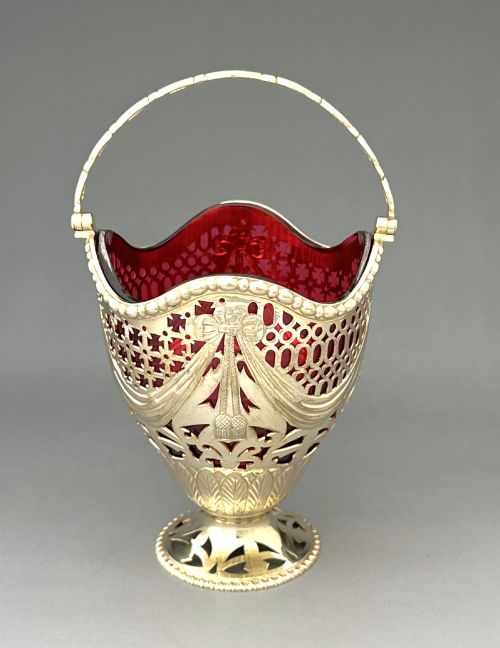
- Delicate openwork ornamentation formed from twisted silver threads soldered together into intricate patterns. It appears frequently on decorative baskets and small vessels.
- Silver gilt
- Silver that has been coated with a thin layer of gold on its surface. This finish provides a warm, rich tone often seen on presentation pieces and interior bowls.
Victorian Silver Handle: Frequently Asked Questions
How can I date a silver handle?
British hallmarked items feature date letters, maker's marks, and standard symbols that pinpoint the exact year of assay. Examining the stylistic clues, such as Victorian naturalism or neo-classical motifs, also helps narrow down the period of manufacture.
Items lacking assay marks rely on stylistic comparisons with dated pieces and the evolution of manufacturing techniques during the nineteenth century.
Were walking stick handles made for daily use?
Many walking sticks and canes served as fashionable accessories for gentlemen and gentlewomen during the Victorian era. They were built for regular promenading rather than heavy physical support.
Finer examples featured intricate figural silver grips representing animals or decorative heads, intended to display social standing.
What is the difference between solid silver and silver plate?
Solid silver pieces consist of sterling silver throughout the handle or object, offering enduring intrinsic value and longevity. Silver plate involves a thin layer of silver applied over a base metal like brass or copper.
Both materials were common in the nineteenth century, with plated items offering the aesthetic appeal of silver at a more accessible cost for larger serving trays and baskets.
How do I care for a silver handled item?
Maintenance involves gentle cleaning with a soft cloth and proprietary silver cleaner designed to remove tarnish without harming the metal. Avoid abrasive materials that can wear away thin plating or delicate hand-engraving.
Store pieces in a dry environment away from direct sunlight and damp conditions to preserve both the silver and any accompanying organic materials like wood or mother-of-pearl.