



Antique Wooden Glove Box
An antique wooden glove box is a practical domestic accessory used to store fine leather gloves, offering a glimpse into nineteenth-century daily habits.

Antique Wooden Glove Box
When you search for an antique wooden glove box, you encounter lidded containers made specifically to hold fitted gloves before the twentieth century. These boxes appear primarily from the Victorian and Edwardian periods, stretching from the middle of the nineteenth century into the early twentieth century.
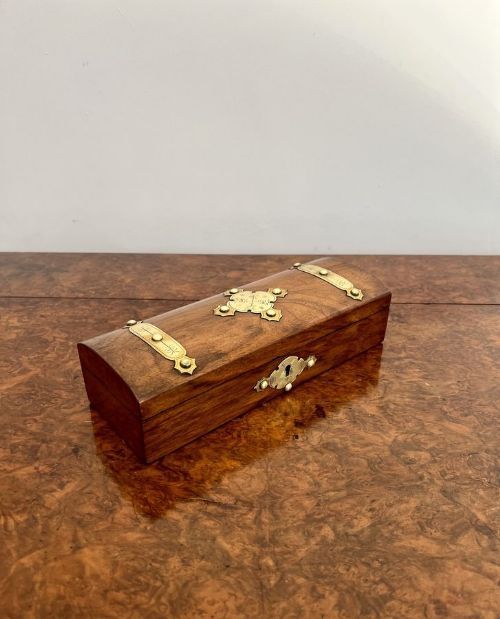
The specimens on this page include examples fashioned from rich timbers such as burr walnut, rosewood, and oak. Alongside standard rectangular caskets, the selection incorporates specific variations including domed lids and inlaid decorative containers.
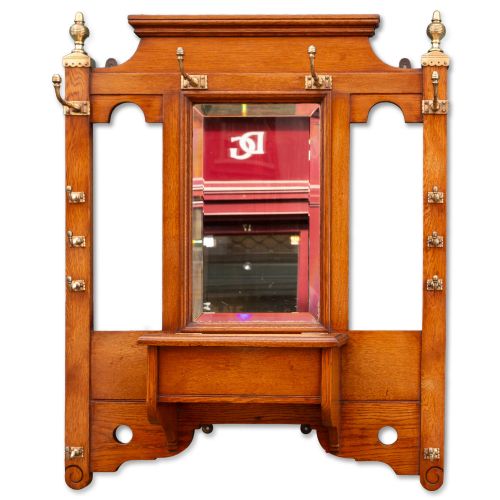
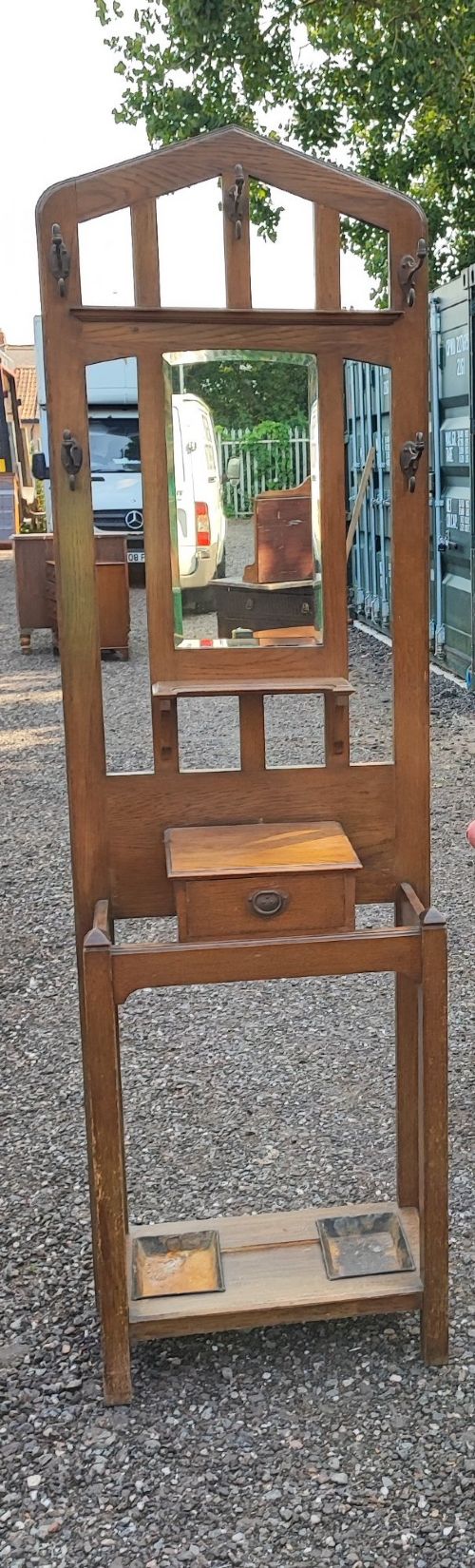
While the search term targets a dedicated glove receptacle, the broader evidence reveals related domestic items including larger hall stands and smaller trinket boxes. Buyers seeking the specific glove box will find pieces utilising brass mounts, glass details, and mother of pearl inlay.
Materials and construction
Cabinet makers utilised dense hardwoods such as oak, walnut, and rosewood to construct the rigid bodies of these containers. Burr walnut veneer provided a highly figured surface grain, whilst lighter oak served both solid construction and carved applications.
Decoration relied heavily on applied metalwork and precise surface inlay. Brass bounds and mounts reinforced corners and edges, while mother of pearl and mosaic Tunbridge Ware created intricate geometric patterns across the lids.
Victorian etiquette demanded gloves remain pristine, giving rise to specialised wooden caskets solely to prevent stray dust from reaching delicate kidskin.
Distinctions in quality
The grade of an antique wooden glove box rests upon the selection of timber and the precision of its surface ornamentation. Highly figured burr walnut and meticulous mosaic inlay mark out pieces created with greater labour and superior materials.
Hardware integration and interior preservation further divide standard production from finer examples. The crispness of carved detailing and the intact survival of internal linings indicate the original tier of manufacture.
The Antique Wooden Glove Box Glossary
- Burr walnut
- A timber harvested from the warted growths of walnut trees, yielding a swirling and highly decorative grain pattern. This material was frequently utilised for the outer veneer of luxury Victorian boxes.
- Tunbridge Ware
- Small wooden objects decorated with mosaic patterns built from thousands of tiny tinted wood blocks. These pictorial or geometric designs originated in Kent during the nineteenth century.
- Mother of pearl
- The iridescent inner layer of certain mollusc shells, sliced into thin sections for inlay work. It provides a luminous contrast against dark timbers like rosewood.
- Brass bound
- Furniture or boxes strengthened and decorated with strips or corners of brass fixed by small screws or pins. This technique added both structural durability and visual contrast.
Antique Wooden Glove Box: Frequently Asked Questions
What were antique wooden glove boxes used for?
These boxes provided a designated storage space to keep fine leather gloves clean and uncreased when not being worn outdoors.
In nineteenth-century households, maintaining the condition of formal gloves was a daily necessity, making these containers essential dressing table accessories.
How do I date an antique wooden glove box?
Dating relies on identifying the primary timber, decorative style, and construction methods characteristic of specific periods.
Victorian examples often feature rosewood with mother of pearl or Tunbridge Ware, whereas Edwardian and later pieces frequently employ light oak or incorporate oriental influences.
Are these boxes suitable for modern storage?
They function well today as secure containers for modern jewellery, letters, or small keepsakes on a desk or dressing table.
The velvet or silk-lined interiors, where preserved, protect delicate contemporary items from scratching.
What is the difference between walnut and burr walnut?
Standard walnut displays a relatively straight and uniform grain pattern derived from the trunk of the tree.
Burr walnut comes from a tree growth abnormality, producing a complex, swirling pattern that cabinet makers prized for luxury veneering.