
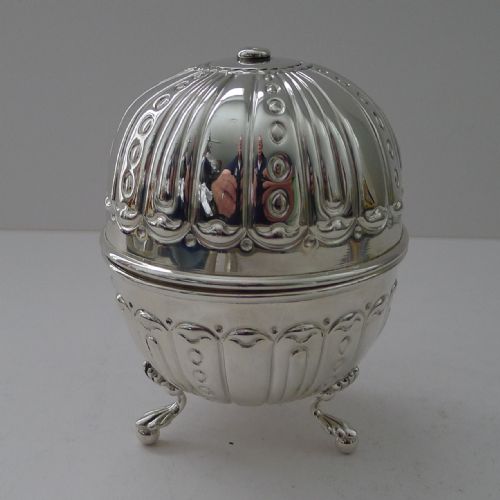
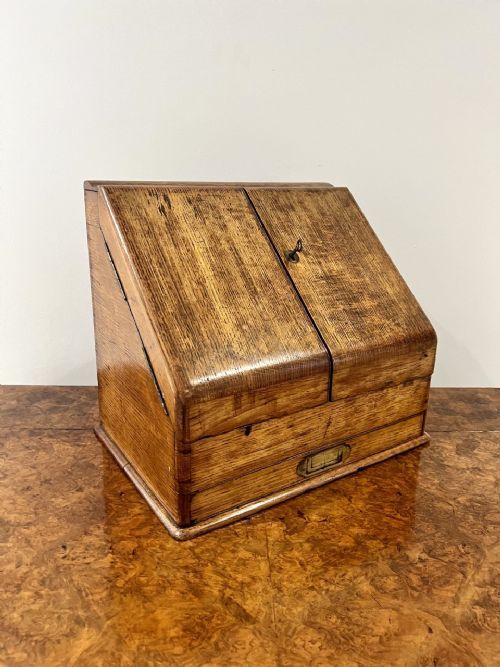

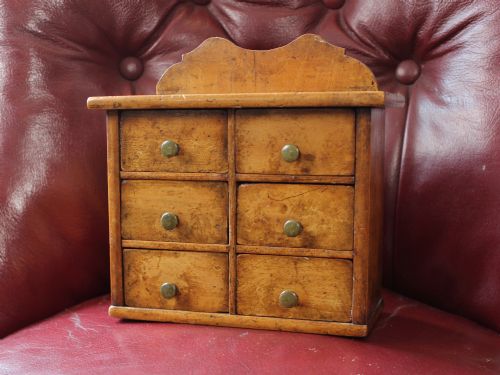
Victorian Desktop Box
A victorian desktop box organises correspondence and small treasures, bringing period craftsmanship directly to your writing table.
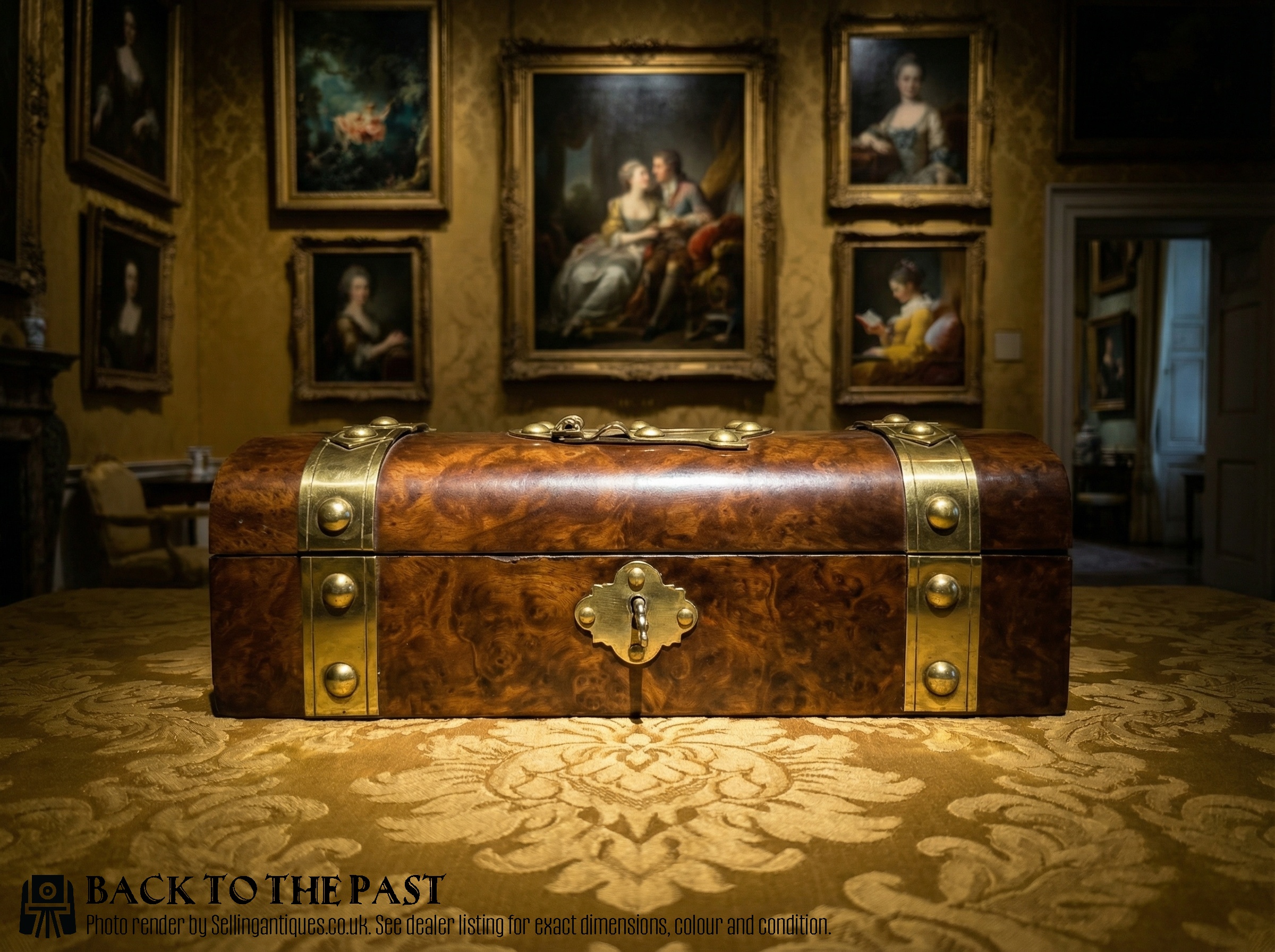
Victorian Desktop Box
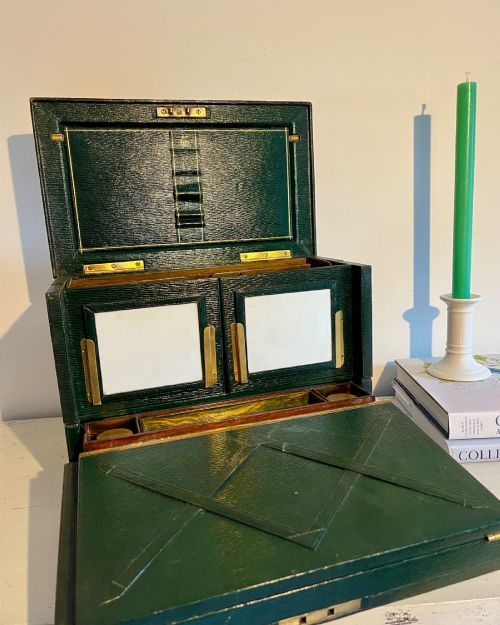
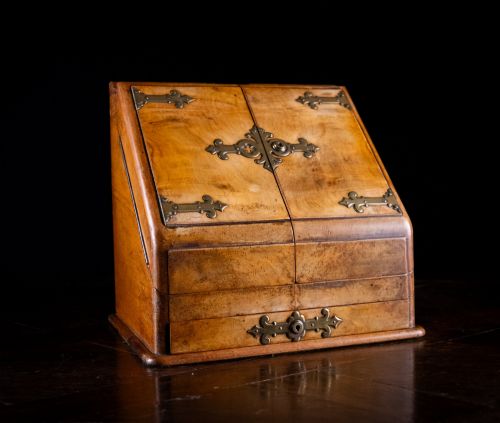
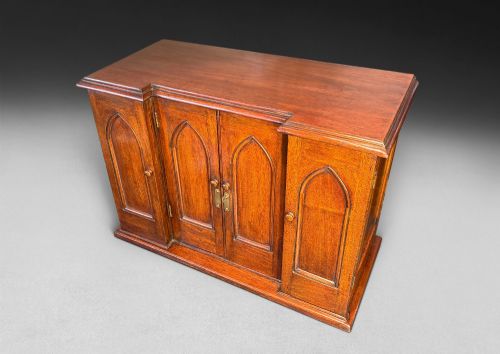
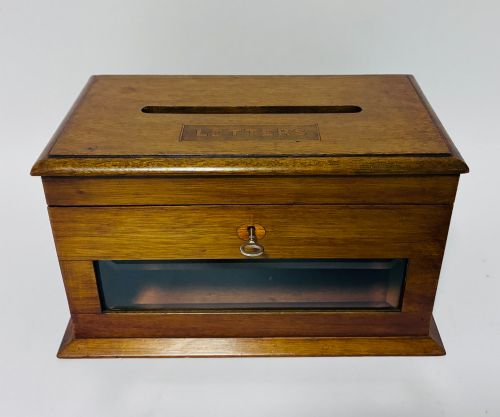
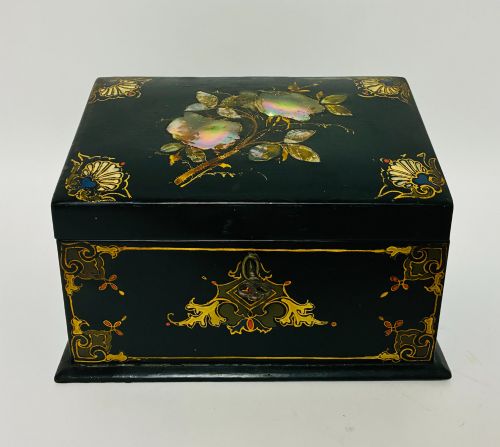
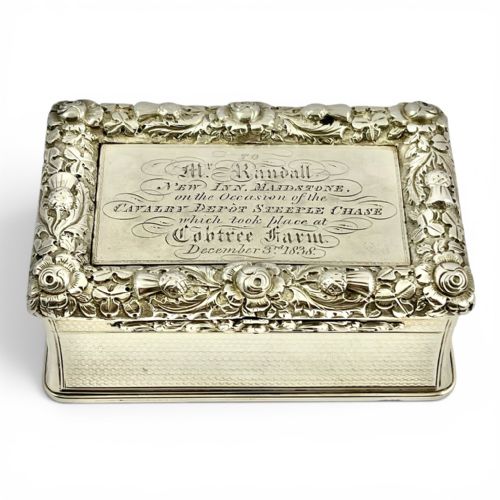
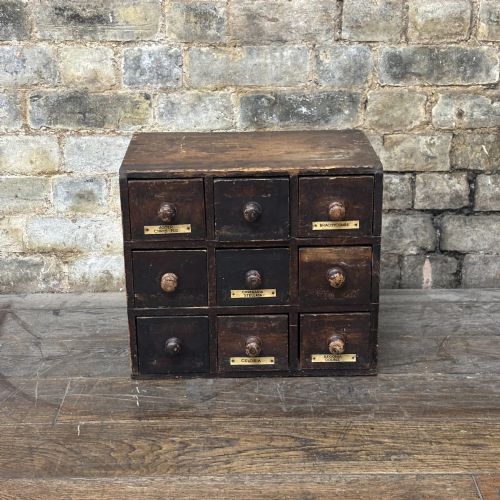
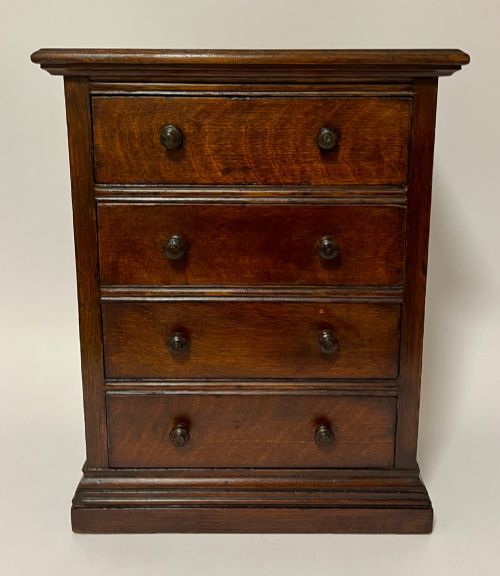
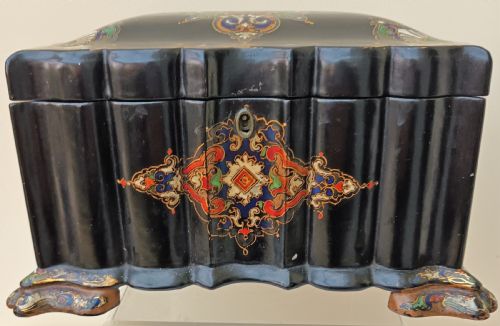
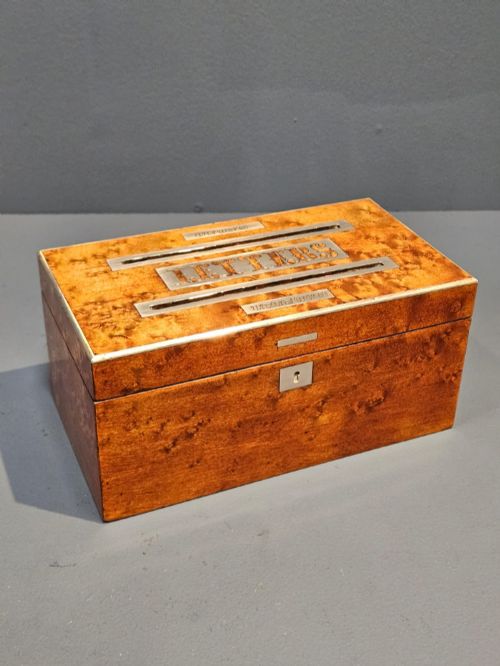
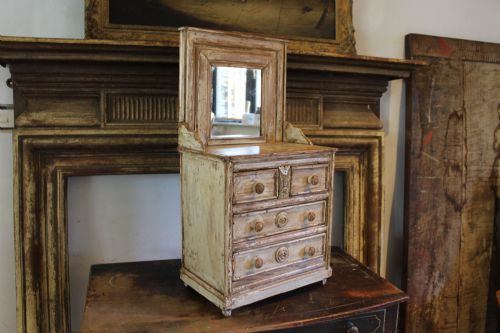
A victorian desktop box encompasses stationery cabinets, letter boxes, writing slopes, and miniature chests designed to keep correspondence and desk accessories in order. These pieces range from compact letter posts to large table cabinets fitted with internal compartments.
The most common examples encountered here are walnut and oak stationery boxes and writing slopes originating from the nineteenth century. These items reflect the era's focus on organised writing spaces and personal correspondence.
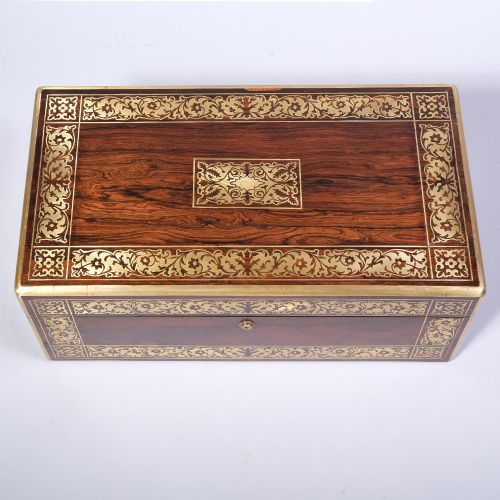
Makers produced these forms in various styles including Gothic Revival, Arts and Crafts, and standard Victorian designs, often incorporating brass mounts and fitted interiors. Such boxes served as functional ornaments in libraries, studies, and drawing rooms.
Distinguishing quality
The distinction between standard pieces and the finest examples rests on the choice of veneers and the precision of internal fittings. Superior items display meticulously matched burr walnut or figured mahogany, solid brass hardware, and well-executed secret drawers or locking mechanisms.
Construction methods also separate the ordinary from the exceptional, visible in tight dovetail joints, intact paper linings, and original glass components. The integration of specialised decorative techniques like Tunbridge ware or bone inlay elevates a piece from simple utility to high craftsmanship.
Victorian Desktop Box Retail Price Guide 2026
Typical asking prices for victorian desktop box among the pieces listed under this phrase on Sellingantiques today, from the lower quarter to the upper quarter. They describe what is for sale here now, not the wider market.
A travelling gentleman could lock away his cigars, tobacco, and correspondence in a single burr walnut desktop cabinet before catching the afternoon train.
The Victorian Desktop Box Glossary
- Stationery box
- A tabletop cabinet designed to hold writing paper, envelopes, and correspondence. These containers often feature tiered compartments inside a hinged or sloping lid.
- Writing slope
- A portable box that opens to form an angled writing surface lined with leather or velvet. The interior contains compartments for inkwells, pens, and stationery.
- Tunbridge ware
- A form of decorative woodworking using thousands of minute coloured wood blocks to form pictorial mosaics. It frequently decorates the lids of Victorian boxes and small cabinets.
- Mauchline ware
- Souvenir items made from sycamore wood featuring photographic transfers or tartan designs. These pieces often took the form of small desk accessories and thermometers.
- Brass bound
- Furniture or boxes reinforced with brass corners, straps, and escutcheons. This technique provided durability for travel as well as a decorative finish.
Victorian Desktop Box: Frequently Asked Questions
What is a Victorian desktop box used for?
These boxes stored stationery, letters, writing implements, and small valuables on household desks and library tables. They kept writing materials tidy and secure behind lockable wooden doors or lids.
Today, they serve a similar purpose for organising modern correspondence or as decorative storage on tabletops.
How do I identify a Victorian stationery box?
Look for period timber varieties such as walnut, mahogany, and oak, often accented with brass mounts or inlay work. The internal configuration typically includes tiered slots for envelopes and compartments for stamps and pens.
Dates generally span the nineteenth century, reflecting the high volume of handwritten correspondence during that era.
What is the difference between a writing slope and a stationery box?
A writing slope opens to reveal an angled surface designed for writing letters, with concealed storage beneath and behind the writing plane. A stationery box remains upright on the desk and functions primarily to store paper and envelopes in vertical slots.
Both forms belong to the broader category of desk accessories from the period.
How should I care for a wood desktop box?
Keep wooden boxes away from direct sunlight and extreme temperature fluctuations to prevent the timber and veneers from warping or cracking. Dust gently with a dry cloth and occasionally apply a neutral wax to maintain the finish of the wood.
Avoid using liquid cleaners or polishes that contain harsh chemicals.