




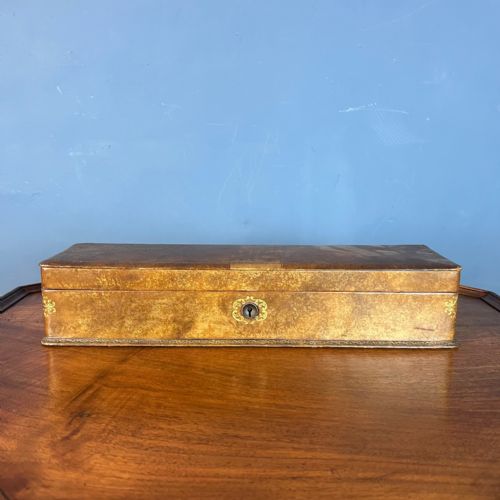


Edwardian Stationery Box
An Edwardian stationery box sits on a desk to hold letters, envelopes, and stamps in an orderly manner.
Edwardian Stationery Box
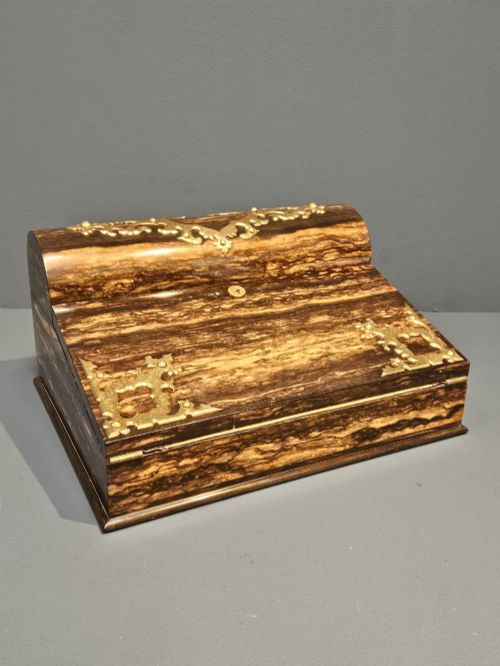
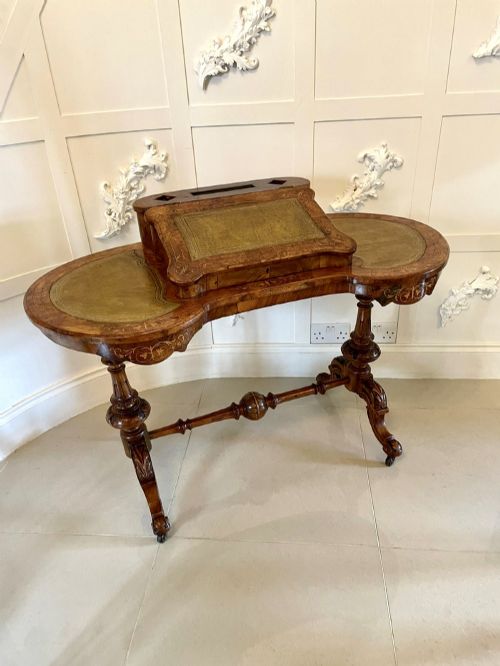
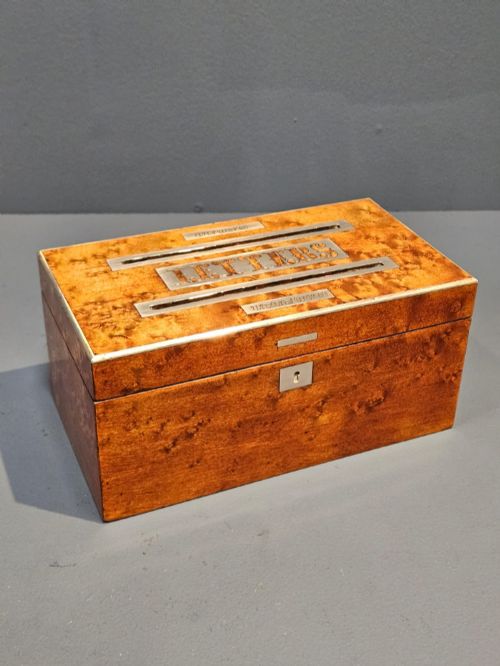
When you search for an edwardian stationery box, you encounter desk accessories designed to hold correspondence in an era before everyday digital messaging. The most common forms on this page include tabletop oak and mahogany cabinets with fall fronts or hinged lids, alongside rosewood and walnut boxes.
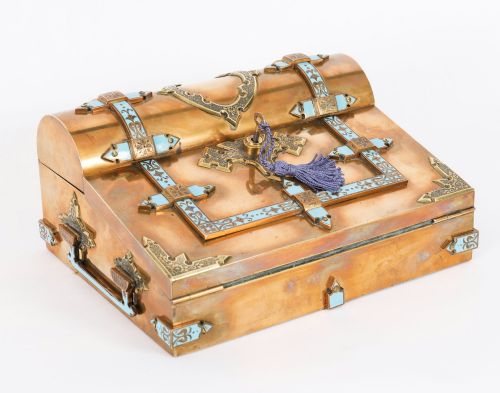
The materials reflect the tastes of the period, spanning golden oak, figured mahogany, and exotic woods like burr walnut and coromandel. Alongside standard desk versions, you also find country house letter boxes and Arts and Crafts designs utilising copper and brass mounts.
While many pieces date strictly from the Edwardian era and the early twentieth century, the selection also includes Victorian antecedents and later pieces up to the 1930s. These pieces functioned as practical desk tidies for country houses, offices, and drawing rooms alike.
Materials and construction
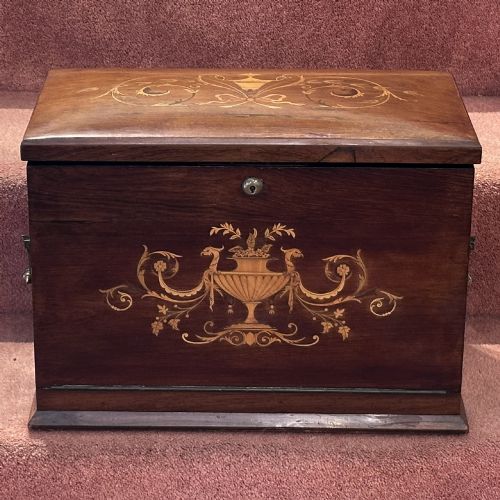
Cabinet makers built these boxes predominantly from solid and veneered timbers such as oak, mahogany, and rosewood, often pairing them with contrasting satinwood or marquetry inlays. Brass corners, hinges, handles, and lock escutcheons provided both structural reinforcement and decorative contrast against the dark wood grain.
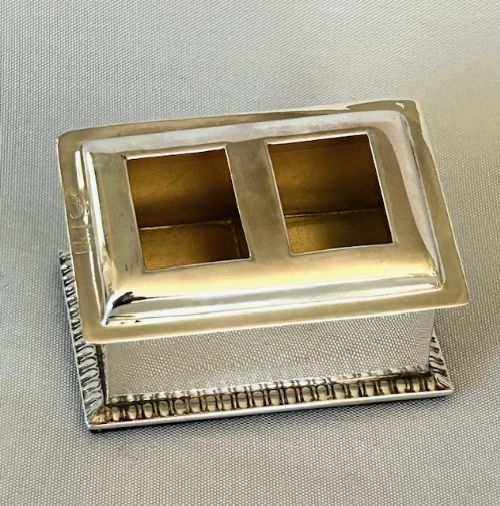
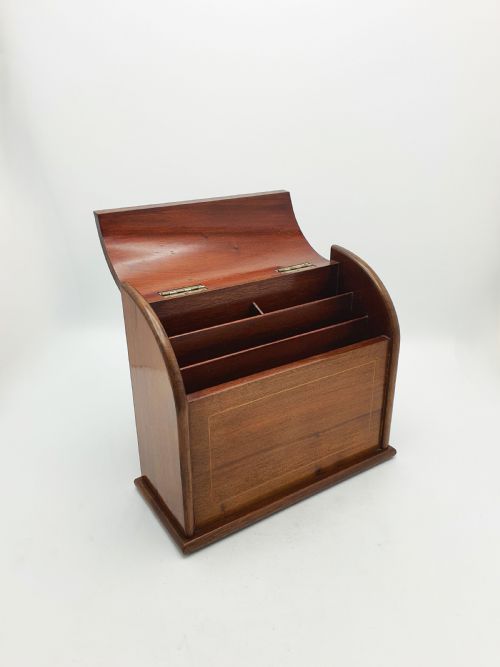
Interiors frequently incorporate fitted compartments, pigeon holes, and letter racks designed to hold specific stationery sizes and stamps. More elaborate examples utilise fall-front mechanisms, rotating writing compartments, or integrated glass inkwells and pen trays.
Edwardian Stationery Box Retail Price Guide 2026
Typical asking prices for edwardian stationery box among the pieces listed under this phrase on Sellingantiques today, from the lower quarter to the upper quarter. They describe what is for sale here now, not the wider market.
Listings feature oak, mahogany, rosewood, and burr walnut, alongside metals including brass and copper.
Judging quality
Quality separates standard utilitarian office boxes from pieces commissioned for the principal rooms of large country houses. Finer items display superior timber selection, such as figured walnut, burr yew, or intricate Sheraton-style marquetry inlay.
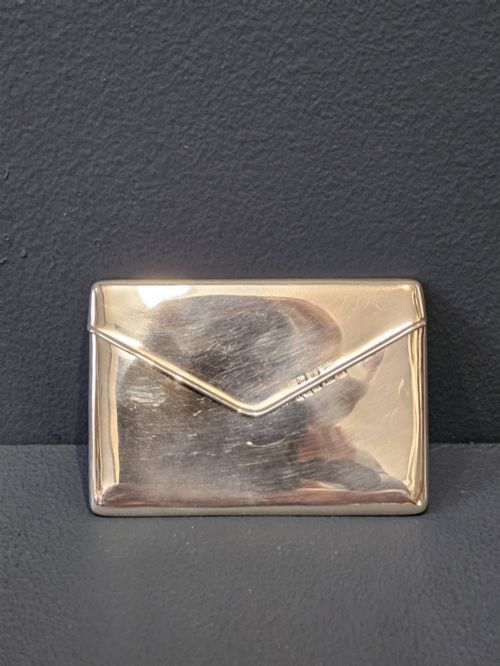
Construction details also dictate value, notably the thickness of the mahogany or oak, the weight of the brass mountings, and the complexity of internal writing slopes or metamorphic mechanisms. Maker attribution, such as signed silver work by William Comyns, further elevates a piece.
William Comyns
The Edwardian Stationery Box Glossary
- Stationery cabinet
- A tabletop box with a hinged lid or fall front designed to organise letters, paper, and envelopes. These often feature internal dividers and letter slots.
- Writing slope
- A box that opens to reveal an angled writing surface lined with leather or fabric, with storage compartments beneath for paper and ink.
- Desk tidy
- A multipurpose desktop accessory combining compartments for stationery, pens, and sometimes an adjustable date calendar.
- Marquetry
- Decorative woodwork where pieces of veneer are fitted into a ground material to form geometric or floral patterns.
- Escutcheon
- A protective plate surrounding a keyhole, frequently cast in brass on these boxes.
Edwardian Stationery Box: Frequently Asked Questions
What is an edwardian stationery box?
An edwardian stationery box is a desktop cabinet or lidded box made to store writing paper, envelopes, and correspondence. They were standard accessories on writing desks in homes and offices during the early twentieth century.
These boxes range from plain oak utility models to heavily inlaid mahogany and rosewood caskets designed for the drawing room.
How were stationery boxes used?
They kept loose paper, cards, and stamps organised and clean before the era of manufactured envelopes and digital mail. Users opened the hinged lid or dropped the fall front to access interior slots for sorting incoming and outgoing post.
Many examples include specific compartments for stamps, pen nibs, and inkwells, serving as complete desktop writing stations.
How do I tell an Edwardian box from a Victorian one?
Edwardian boxes often feature lighter timbers, simpler Arts and Crafts influences, or Sheraton-revival marquetry inlay. Victorian versions tend to be heavier, utilising dense rosewood, coromandel, or massive oak with robust brass binding.
Stylistic crossover is common, as cabinet makers continued using traditional forms across the turn of the twentieth century.
Can I use an antique stationery box today?
These boxes function well on modern desks for holding letters, notepads, or contemporary stationery supplies. Their internal compartments remain practical for organising small items.
Care should be taken to protect polished wood surfaces from moisture and direct heat.