

Vintage Stationery Box
A vintage stationery box organises correspondence with fitted compartments and durable timbers from the nineteenth and early twentieth centuries.
Vintage Stationery Box
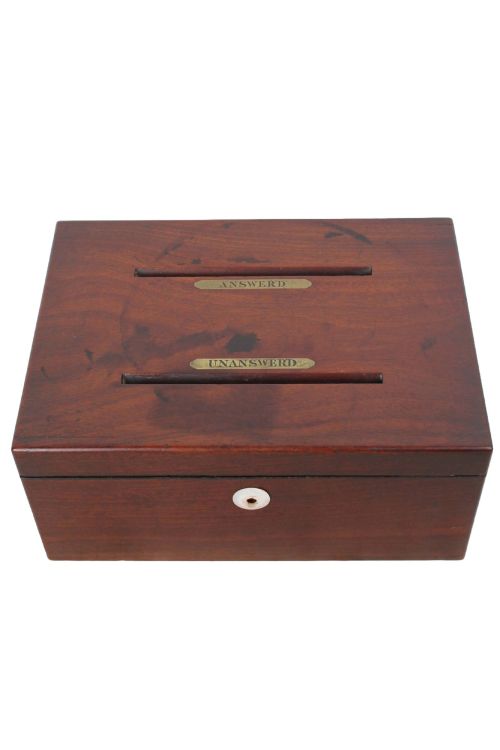
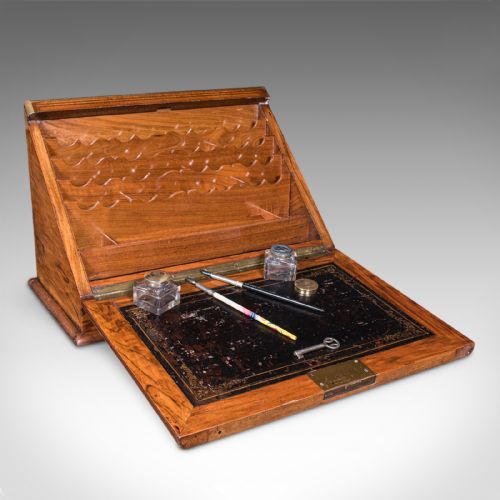
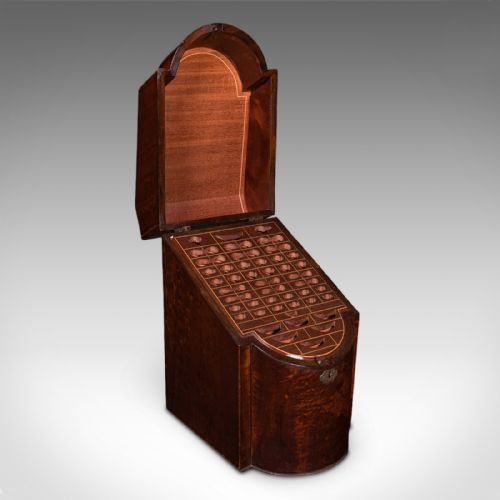
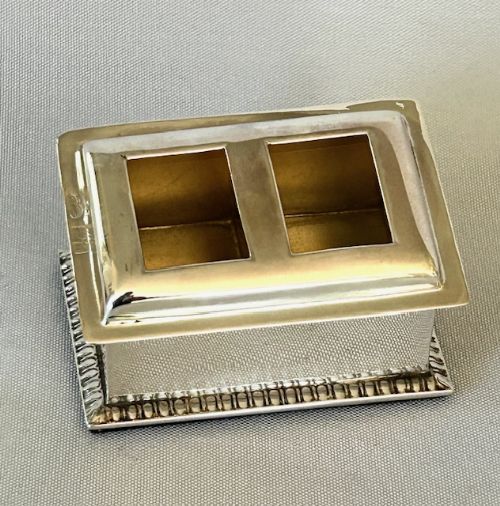
A vintage stationery box encompasses a variety of fitted containers designed for correspondence, desk accessories, and writing materials. The pieces visible on this page date predominantly from the Georgian, Victorian, and Edwardian periods, stretching from the early nineteenth century into the 1930s.
Originating largely from British workshops alongside Anglo-Indian and Chinese export examples, these containers reflect the domestic and professional writing habits of past eras. They serve today as functional desk organisers or decorative tabletop containers.
Materials and construction
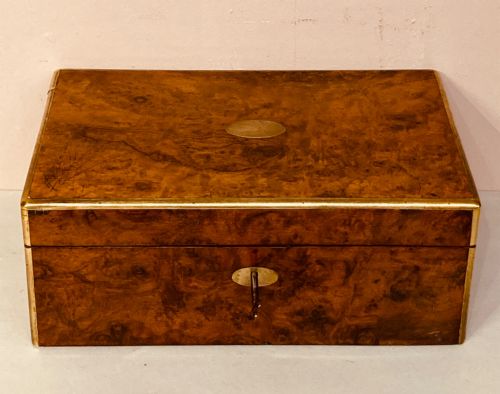
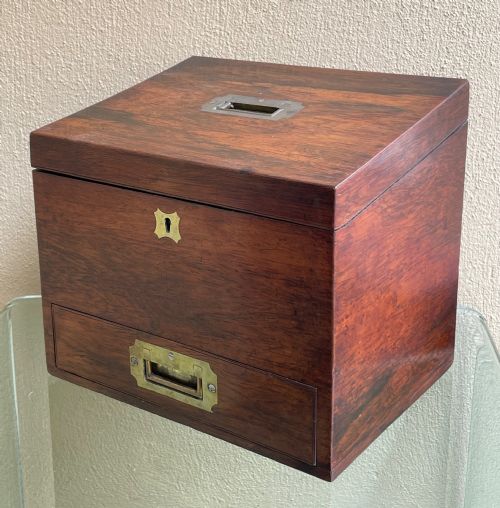
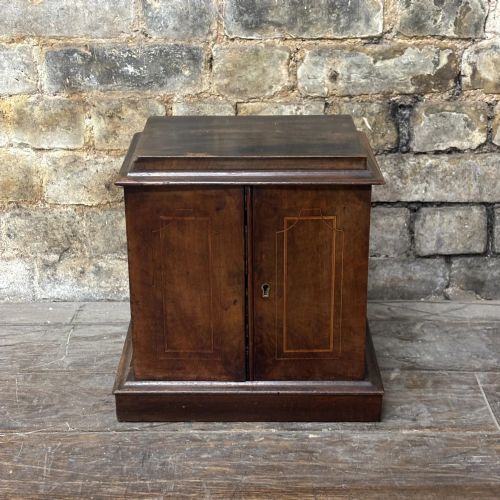
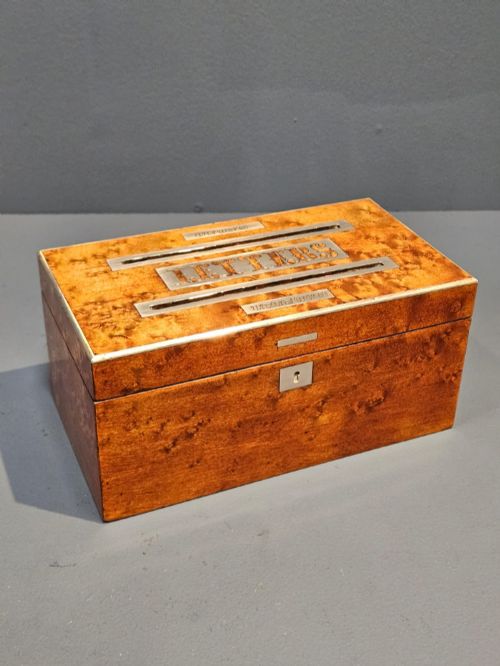
Cabinet makers utilised dense hardwoods such as mahogany, rosewood, oak, and walnut to build the primary carcass of a vintage stationery box. These timbers were frequently polished, veneered, or finished with burr walnut and satinwood grain patterns.
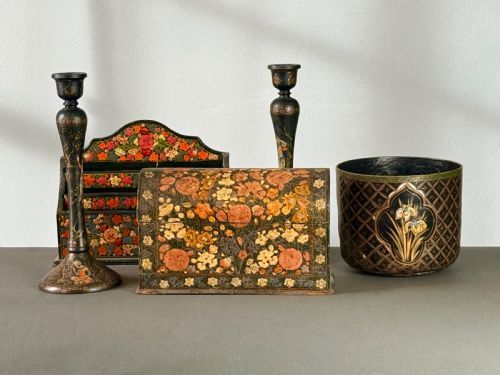
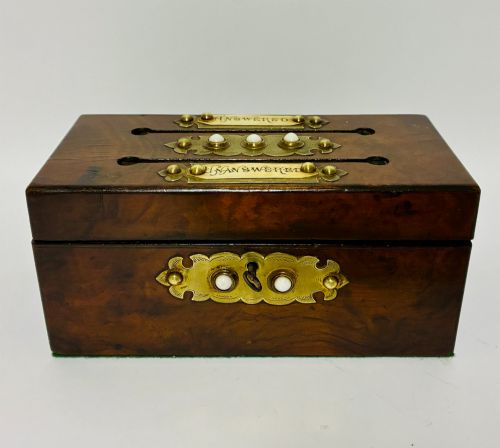
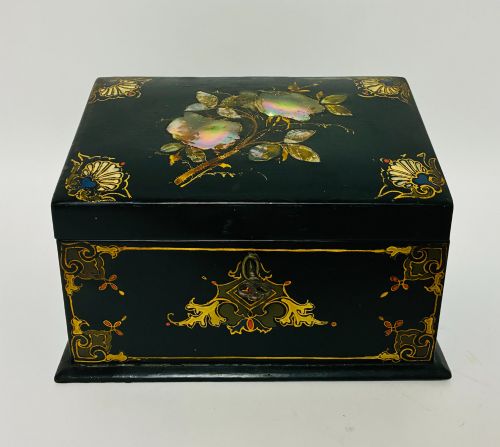
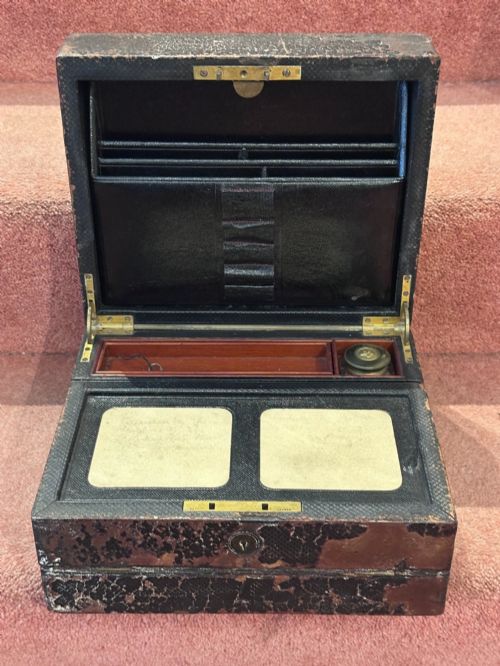
Metalwork played a structural and decorative role, with brass corner mounts, campaign straps, locks, and hinges reinforcing the wooden joints. Leather, glass inkwells, bone inlay, and papier-mâché lacquer further augmented the interiors and surfaces of writing slopes and letter boxes.
Vintage Stationery Box Retail Price Guide 2026
Typical asking prices for vintage stationery box among the pieces listed under this phrase on Sellingantiques today, from the lower quarter to the upper quarter. They describe what is for sale here now, not the wider market.
The selection spans Georgian, Victorian, Edwardian, and Regency periods, alongside Anglo-Indian and Chinese export styles.
Craftsmanship and interior fittings
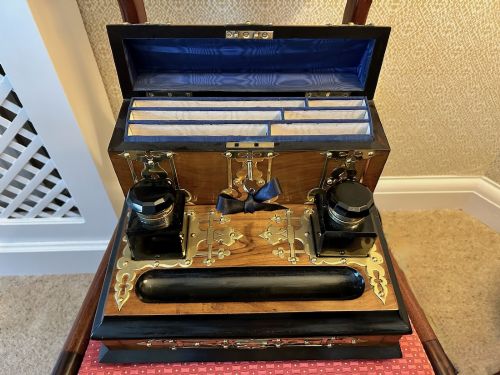
Quality in a vintage stationery box lies in the precision of the internal carpentry, the selection of figured wood veneers, and the integrity of the brass hardware. Superior examples feature secret drawers, smoothly operating fall-front mechanisms, and undamaged leather writing surfaces.
Fittings such as original glass inkwells, fitted pen trays, and well-preserved bone or inlaid details elevate a piece above standard utility boxes. The weight of the timber and the tightness of the mitred joints distinguish workshop-produced items from simpler containers.
The Vintage Stationery Box Glossary
- Writing slope
- A box with an angled, hinged lid that opens to reveal a sloping writing surface and internal compartments for stationery. These often include hidden compartments or secret drawers.
- Campaign box
- A portable desk or stationery container built for travel, typically reinforced with brass corners and recessed carrying handles. They originate from military and colonial contexts.
- Fall-front
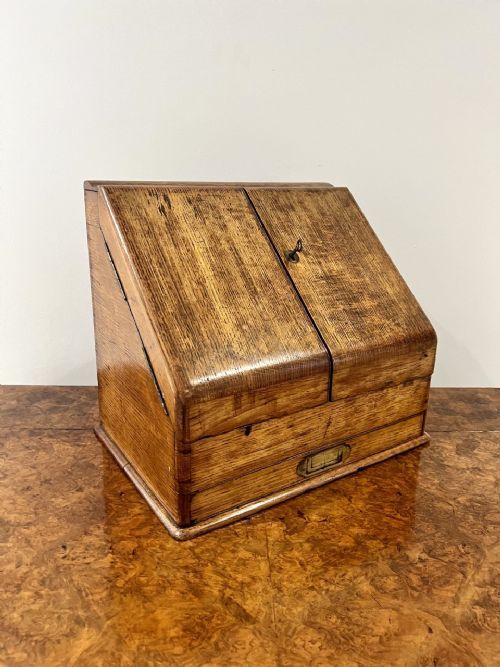
- A hinged front panel that drops downward to open a cabinet or desk tidy, exposing letter slots and small compartments. This mechanism allows access to documents without opening the main lid.
- Letter box
- A container specifically proportioned for receiving and storing incoming mail, frequently featuring a slotted top opening. Victorian country house examples are typical of this form.
- Papier-mâché
- A composite material made from paper pulp or layers of paper bound with glue, then lacquered and painted. It provided a smooth surface for nineteenth-century decorative boxes.
Vintage Stationery Box: Frequently Asked Questions
How were stationery boxes used?
These boxes held writing paper, envelopes, pens, and ink for daily correspondence before the ubiquity of modern postal systems. They kept writing implements organised on household and office desks.
Many designs doubled as portable writing surfaces, allowing users to write letters while travelling or away from a primary desk.
How do I date a stationery box?
Dating relies on timber choices, construction techniques, hardware styles, and prevailing design movements like Regency, Victorian, or Edwardian. Mahogany and rosewood are typical of earlier nineteenth-century pieces.
Later Edwardian items often incorporate lighter oak and simpler hardware, while Georgian boxes display distinct cabinet-making joinery and brass bail handles.
Can I use these boxes today?
Yes, many collectors utilise these pieces to store modern stationery, letters, or small desk accessories. The internal compartments remain well-suited for contemporary organisation.
Care should be taken with delicate finishes, antique leather, and paper linings when placing items inside humid or overly dry rooms.
What is a campaign stationery box?
A campaign box was built for travel, featuring robust brass corners and handles designed to withstand movement. These were utilised by officers and travellers.
They combine heavy timber construction with practical portability, making them durable examples of nineteenth-century design.