



Victorian Desk Organiser
A victorian desk organiser brings order to correspondence through fitted compartments, standing ready to hold letters, ink and nibs upon a writing surface.

Victorian Desk Organiser
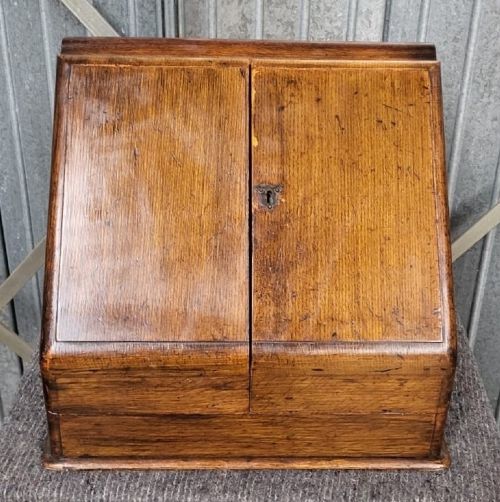
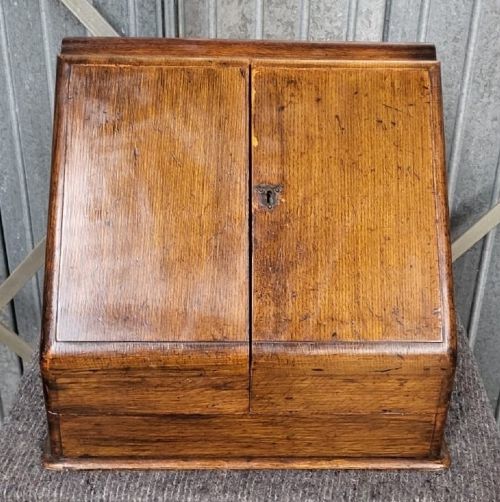
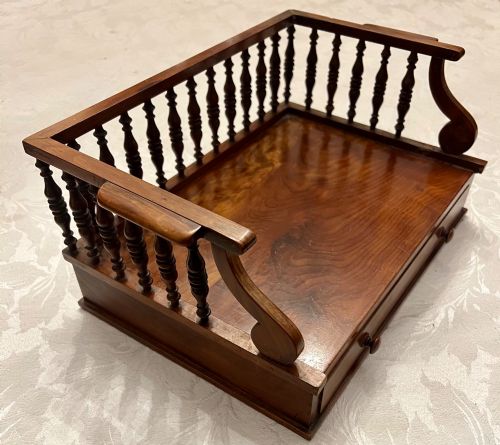
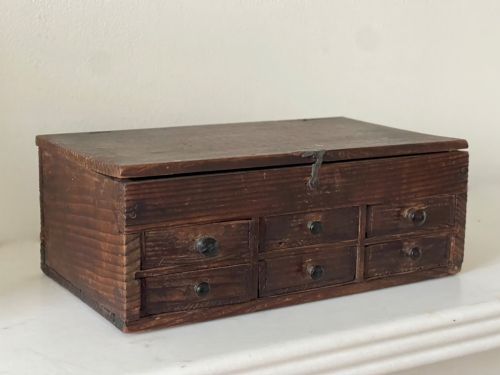
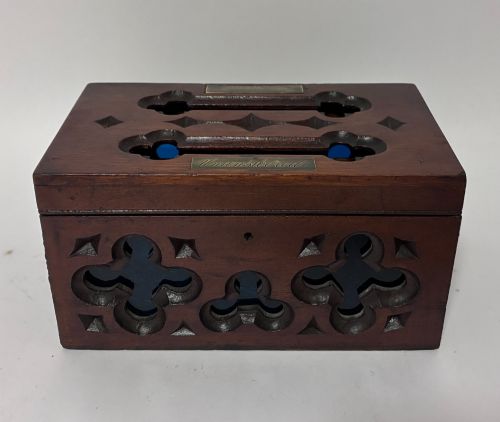
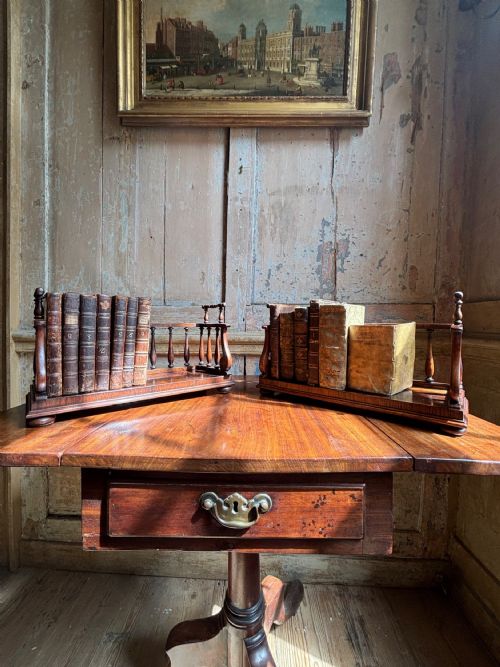
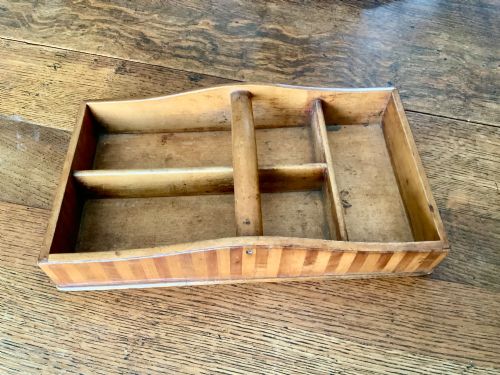
A victorian desk organiser takes many shapes on this page, appearing as stationery boxes, inkstands, letter racks, book slides and desktop pigeonholes. These accessories served nineteenth-century writing desks, keeping papers and writing tools sorted.
Oak, walnut, mahogany and rosewood form the main body of these pieces, alongside brass fittings and glass inkwells. The listings show items created across the nineteenth century and into the early twentieth century, spanning the Victorian and Edwardian periods.
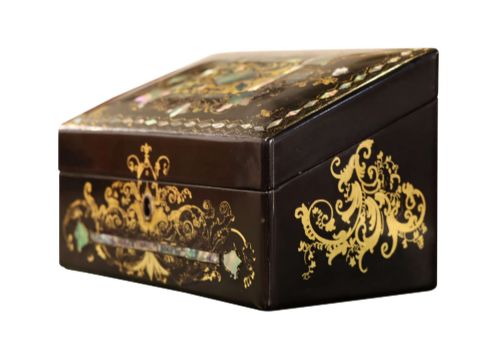
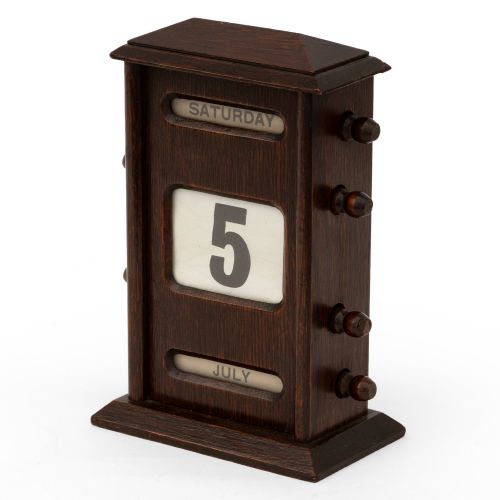
The selection includes specific regional items alongside revival styles such as Gothic Revival, Rococo Revival and Louis XV Revival. Pieces range from simple desk boxes to elaborate correspondence cabinets with integrated calendars and secret drawers.
Materials and Construction
Cabinetmakers utilised dense timbers like walnut, oak, mahogany and rosewood, often pairing them with contrasting veneers such as satinwood, coromandel or maple. These woods provided a sturdy housing for paper files and heavy glass inkwells.
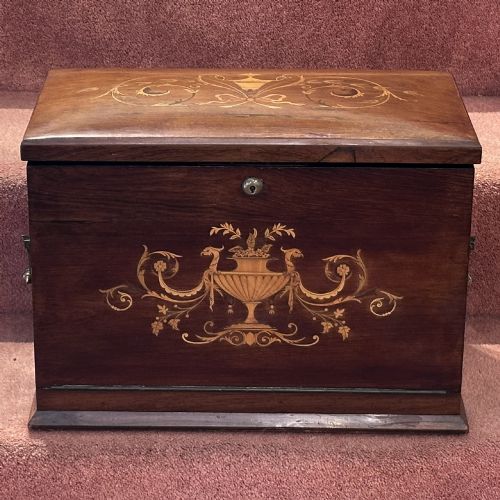
Brass mounts, hinges, handles and ormolu details reinforced the corners and edges of stationery boxes and inkstands. Decorative techniques included Tunbridge Ware inlay, mother of pearl detailing, tortoiseshell panels and carved oak surfaces.
Victorian Desk Organiser Retail Price Guide 2026
Typical asking prices for victorian desk organiser among the pieces listed under this phrase on Sellingantiques today, from the lower quarter to the upper quarter. They describe what is for sale here now, not the wider market.
Several items conceal secret drawers for hidden notes.
Craftsmanship and Detail
The standard of a victorian desk organiser rests upon the selection of timber veneers and the precision of the internal divisions. Superior pieces incorporate dovetailed joints, matched grain patterns and functional mechanical elements such as patent hinges or secret drawers.
Ornate metalwork, complete sets of matching glass inkwells and intricate marquetry distinguish finer items from simpler utilitarian boxes. Makers who employed specialised techniques like Tunbridge Ware or utilised heavy brass mountings produced work of greater complexity.
Elkington·Harrods·Edmund Nye·Betjemanns·Gillows
The Victorian Desk Organiser Glossary
- Stationery box
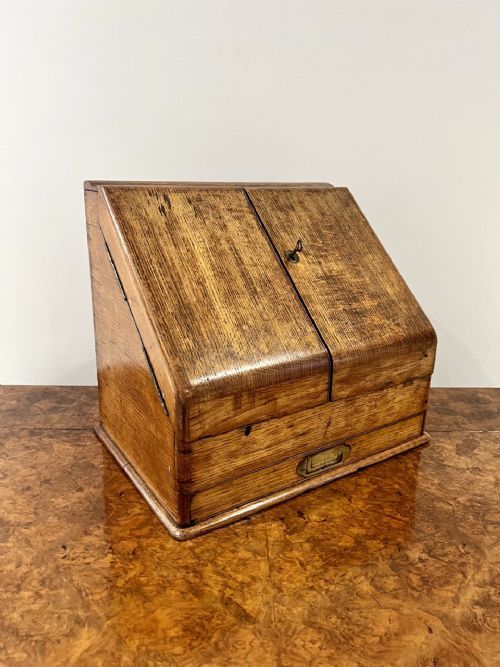
- A tabletop cabinet designed to hold writing paper and envelopes upright in tiered slots. These boxes often feature sloping lids or folding double doors.
- Inkstand
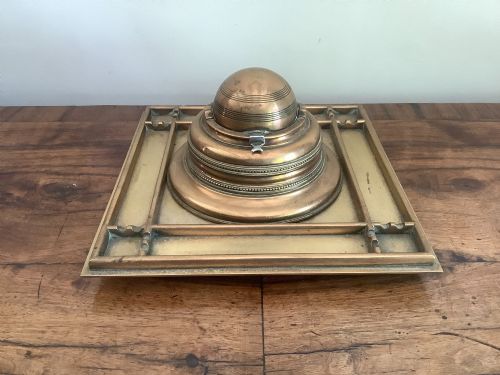
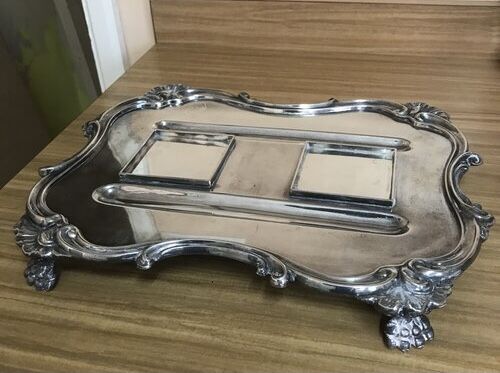
- A tray or stand holding one or more inkwells, frequently accompanied by pen rests and sometimes a sander or stamp box. They sit centrally on a desk.
- Cartonnier
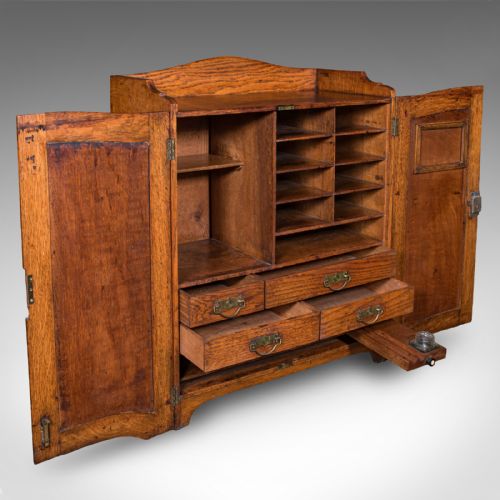
- A desktop cabinet containing a series of pigeonholes or drawers for sorting documents and papers. Examples on this page appear in fine woods with ormolu mounts.
- Book slide
- An adjustable rack designed to hold a small row of books upright on a desk or table. Some incorporate extending wooden actions with brass mountings.
- Tunbridge Ware
- Woodworking characterised by mosaic patterns made from tiny blocks of naturally coloured wood. This technique creates detailed pictorial or geometric designs on box lids.
- Ormolu
- Gilt bronze mounts applied to furniture and decorative objects for ornamentation. Found on revival pieces from the nineteenth century.
Victorian Desk Organiser: Frequently Asked Questions
What is a Victorian desk organiser?
A Victorian desk organiser is a tabletop accessory designed to hold writing materials, correspondence and ink. These items kept nineteenth-century desks tidy by providing dedicated slots for letters, pens and paper.
They appear as stationery boxes, inkstands, letter racks and book slides constructed from woods like walnut, oak and rosewood.
How were inkstands used?
Inkstands held glass inkwells and pens ready for daily letter writing. They sat upon the desk surface to prevent ink from spilling onto papers.
Many included integrated pen rests and small compartments for stamps or sealing wax.
How do I date a desk organiser?
Dating relies on the materials, revival styles and construction methods visible in the piece. Pieces from the Victorian era often utilise heavy brass mounts, coromandel or walnut.
Later items from the Edwardian period or the early twentieth century introduce different brasswork styles and alternative oak finishes.
Where should I place a desk organiser?
These pieces suit placement on top of writing desks, sideboards or bookcases. They function practically to hold modern letters, cards or notebooks.
Keeping them in dry rooms away from direct heat protects the wooden veneers and brass fittings.