





Antique Letter Cabinet
An antique letter cabinet organises correspondence and paperwork on a desk, combining timber craftsmanship with functional compartments for daily use.
Antique Letter Cabinet
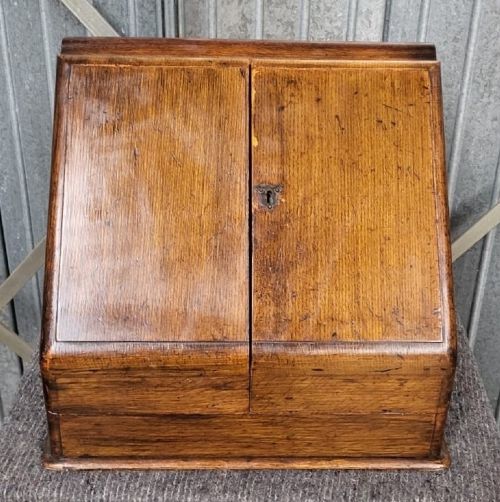
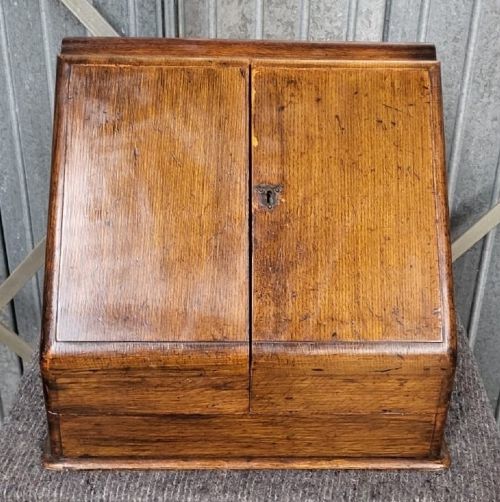
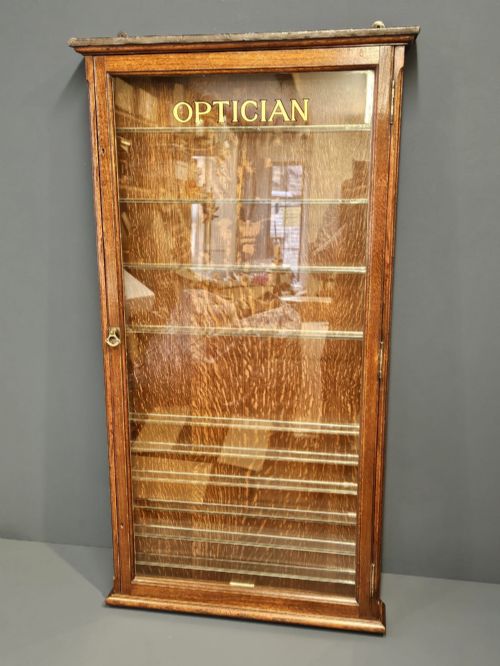
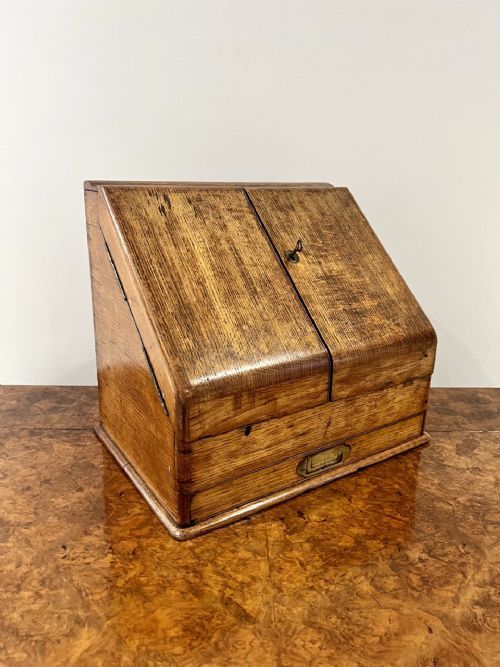
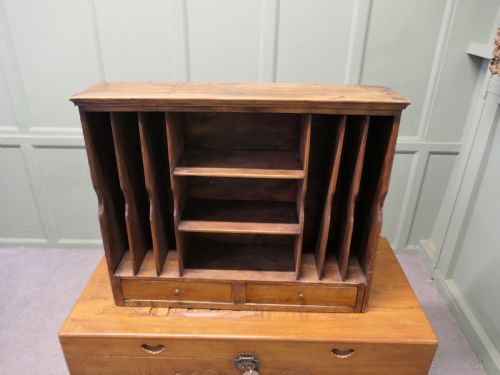
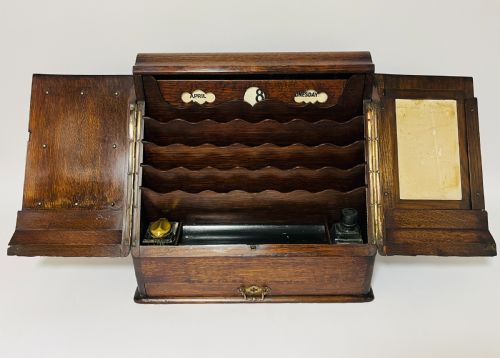
When you search for an antique letter cabinet, you encounter desk accessories, stationery boxes, and wall-mounted postboxes originating primarily from the Victorian and Edwardian periods. These pieces take the form of fall-front boxes, slope-front chests, and table-top compartments designed to hold letters, envelopes, and writing equipment.
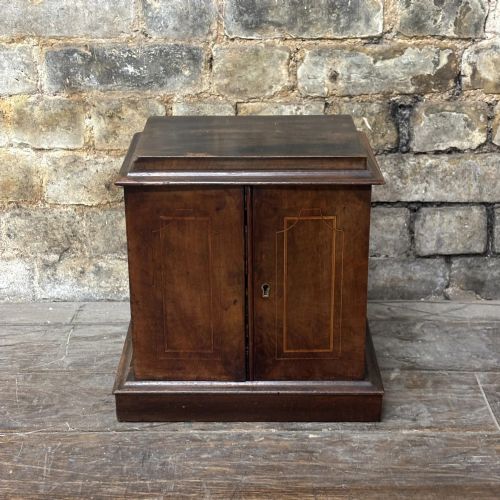
The most common versions on this page are oak and mahogany stationery boxes or desktop cabinets dating from the late nineteenth century to the early twentieth century. Alongside domestic items, institutional and commercial examples appear, such as modular letter files and country house postboxes.
Materials and Technique
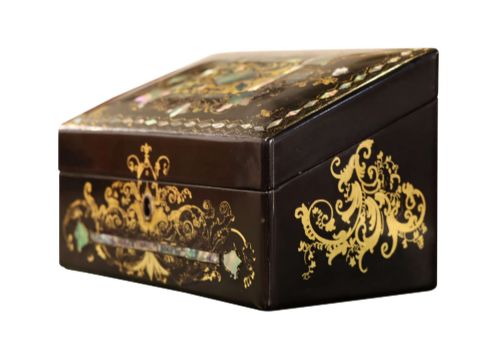
Cabinet makers utilised dense hardwoods like oak, mahogany, walnut, and coromandel, often constructing carcasses with dovetailed joints for durability. Surfaces were polished to highlight natural grain patterns, whilst finer examples incorporated decorative marquetry or brass hardware such as campaign handles and escutcheons.
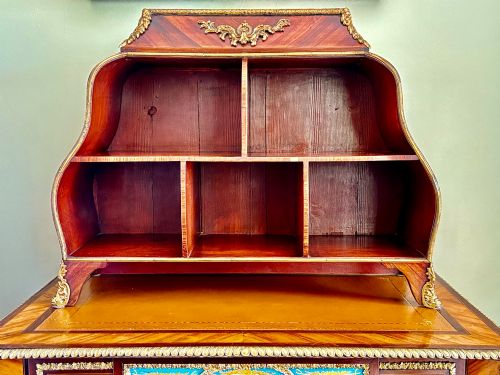
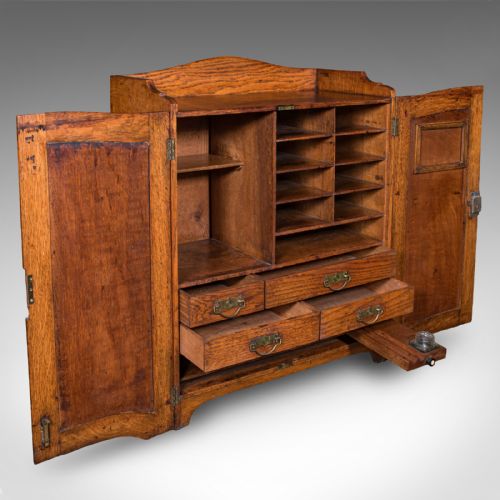
Internal layouts relied on precision joinery to create pigeonholes, pen trays, and slots for stationery. Glazed panels, fall-front mechanisms, and proprietary metal filing systems like Amberg's patent mechanisms integrated mechanical function directly into the woodwork.
Antique Letter Cabinet Retail Price Guide 2026
Typical asking prices for letter cabinet among the pieces listed under this phrase on Sellingantiques today, from the lower quarter to the upper quarter. They describe what is for sale here now, not the wider market.
Gamekeepers and clock repairers repurposed these sturdy desktop compartments into specialised workshop chests.
Craftsmanship and Materials
Quality separates pieces through the selection of timber and the precision of internal joinery. Dense, highly figured timbers like coromandel or quarter-sawn oak indicate superior workshop standards compared to plain pine or standard commercial grades.
The sophistication of the mechanism also marks the tier of a piece, from simple hinged lids and fixed pigeonholes to complex fall-front actions, integrated inkstands, and patent filing hardware.
Houghton and Gunn·Amberg
The Antique Letter Cabinet Glossary
- Stationery box
- A tabletop desk accessory with compartments designed to hold writing paper and envelopes. These boxes often feature sloping lids or vertical slots.
- Fall-front
- A hinged front panel that drops downward to reveal internal drawers, pigeonholes, or a writing surface. This mechanism allows access to documents while keeping the desktop tidy.
- Cartonnuer
- A desktop cabinet fitted with tiers of boxes or compartments for sorting papers and files. Originating in France, these pieces often incorporate decorative mounts.
- Pigeonhole
- A small, open compartment within a desk or cabinet used for sorting letters and documents. They form the primary internal organisation of nineteenth-century letter boxes.
Antique Letter Cabinet: Frequently Asked Questions
What is an antique letter cabinet?
An antique letter cabinet is a desktop or wall-mounted piece of furniture designed to hold correspondence, envelopes, and writing paper. They date predominantly from the Victorian and Edwardian eras and range from simple domestic boxes to complex institutional filing systems.
Inside, these cabinets contain pigeonholes, dividers, and sometimes inkwells or date mechanisms. Their purpose was to keep a desk organised before the widespread use of modern office furniture.
How were letter cabinets used?
These cabinets sat on library desks, hall tables, or writing desks to sort incoming and outgoing mail. Households and businesses used them to store stationery, stamps, and important papers securely.
Wall-mounted versions served as postboxes in country houses or institutions, allowing letters to be dropped inside for collection. Desk-top boxes kept working surfaces clear by vertical filing.
How do I date a letter cabinet?
Dating relies on timber choice, construction methods, and hardware styles. Victorian pieces frequently utilise solid oak, mahogany, or exotic veneers like coromandel with brass mounts and heavy dovetailing.
Edwardian examples often feature lighter marquetry inlay or simpler oak frames. Patent mechanisms, such as Amberg letter files stamped with specific nineteenth-century dates, provide exact chronological markers.
What woods were used for letter boxes?
Cabinet makers built letter boxes from native and exotic hardwoods available during the nineteenth century. Oak and mahogany are the most prevalent materials found across domestic and institutional pieces.
Finer examples employ walnut, rosewood, coromandel, and olivewood, sometimes enhanced with brass or ceramic insets. Secondary woods like pine appear on internal drawer linings and hidden structural elements.