
English Writing Cabinet
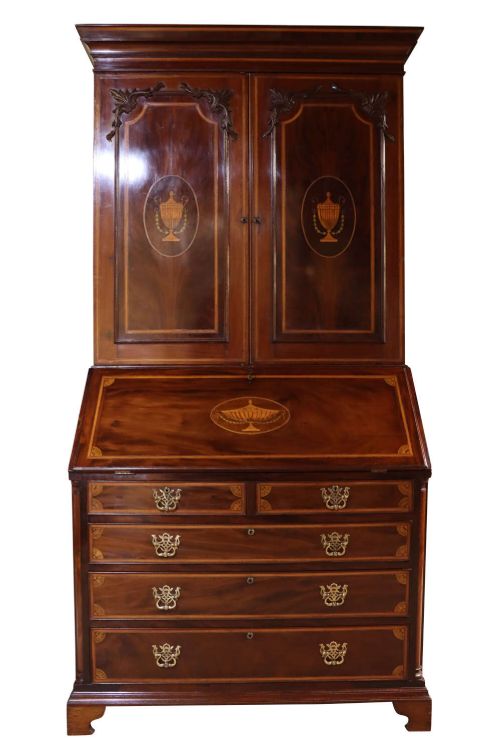
An english writing cabinet brings together centuries of fine cabinet-making, offering dedicated workspace and clever storage.
English Writing Cabinet
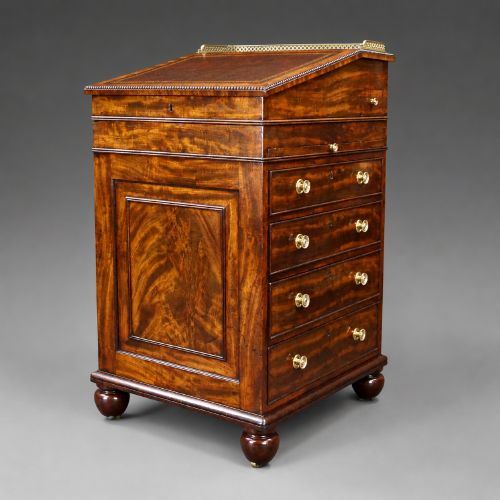
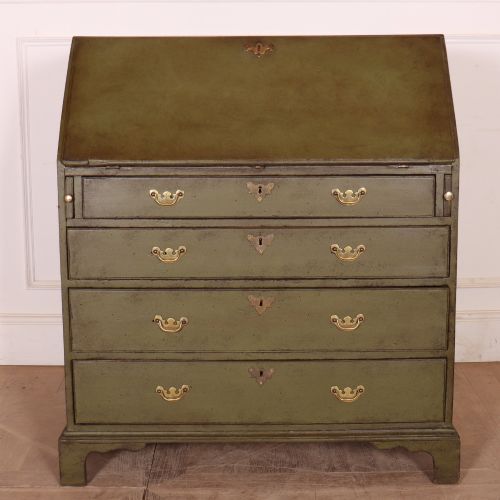
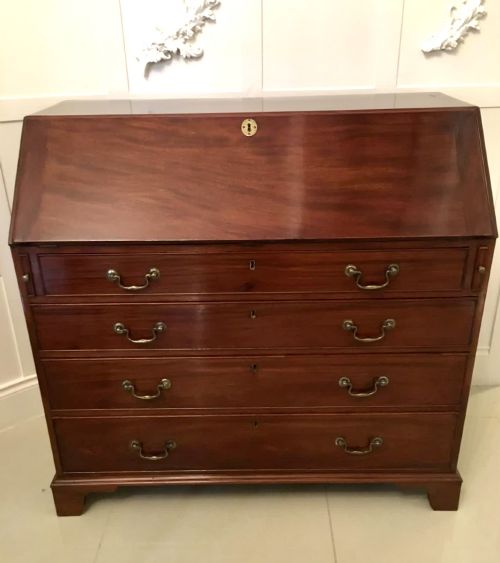
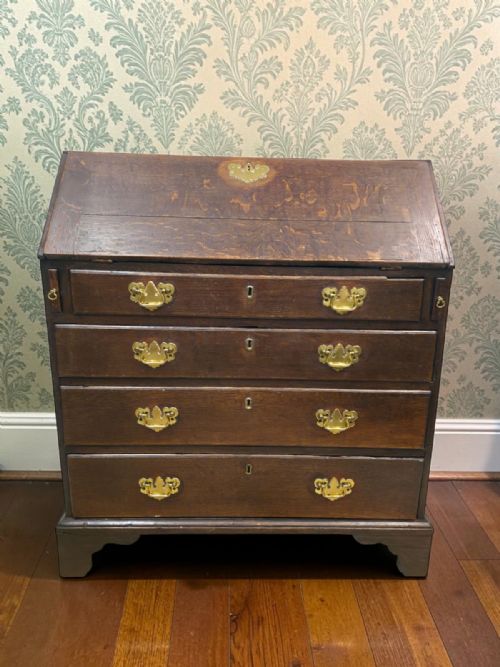
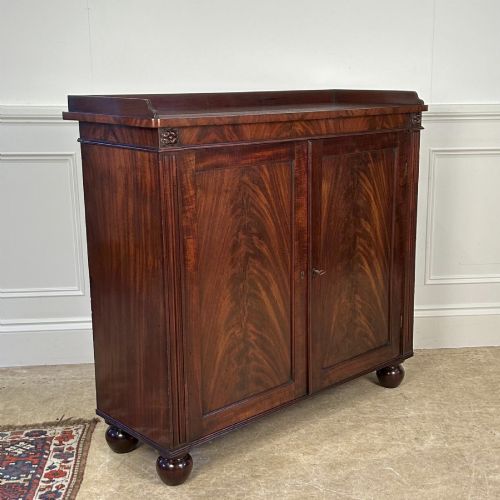
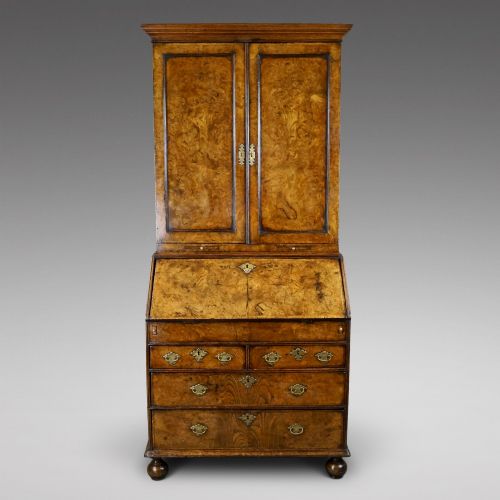
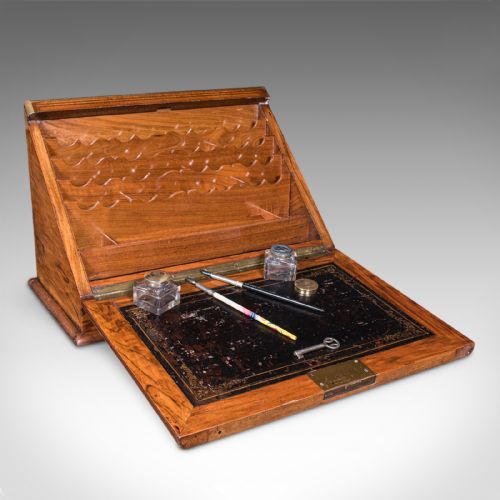
When searching for an english writing cabinet, buyers encounter a diverse selection ranging from grand bureau bookcases to compact stationery boxes and Davenport desks.
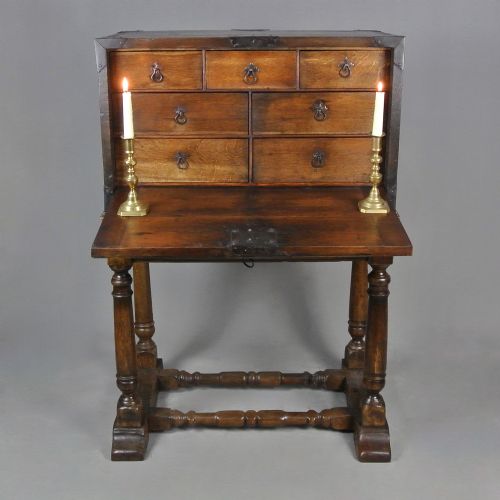
The pieces span multiple centuries, originating from the 17th century through the Georgian and Regency eras up to the 1930s, reflecting changing domestic habits.
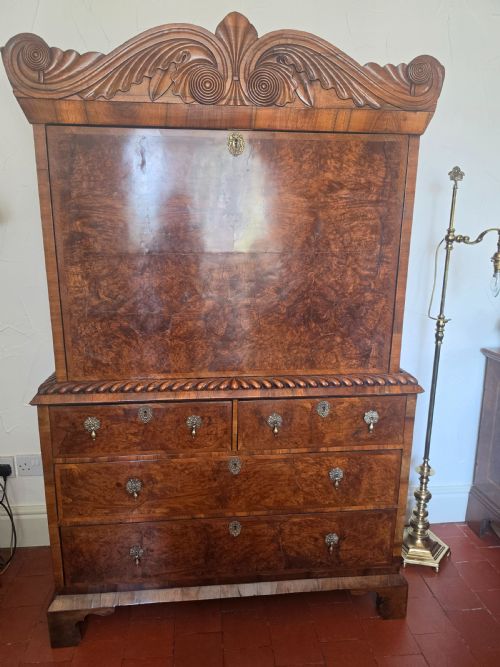
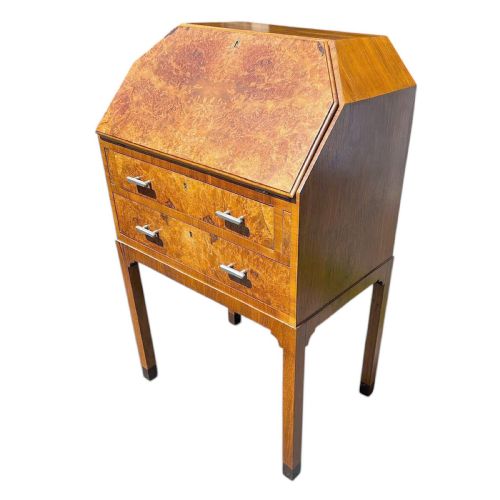
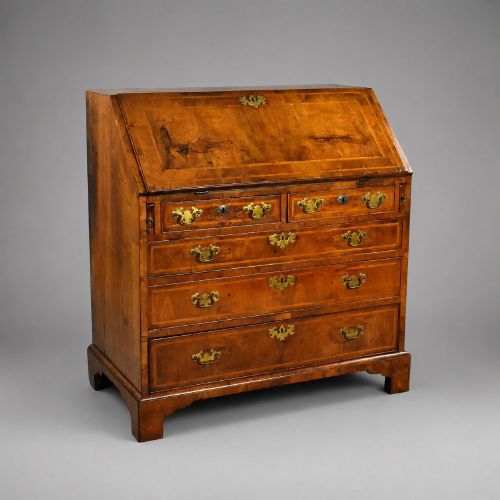
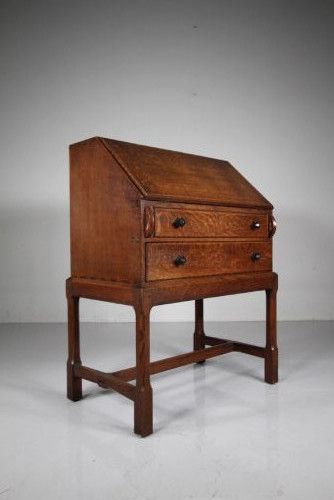
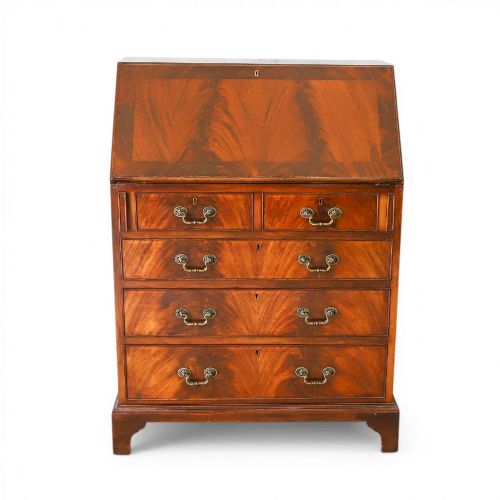
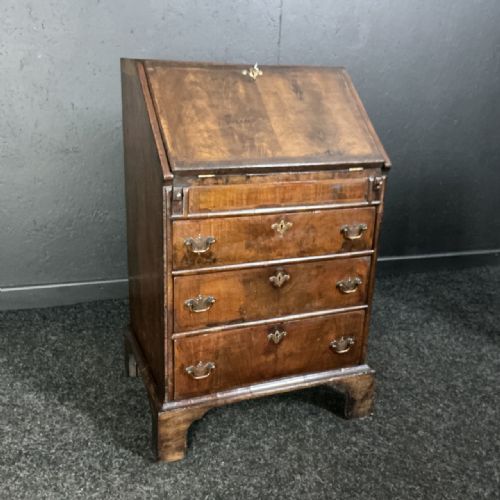
Bureau bookcases and fall-front writing cabinets dominate the offerings, built primarily in oak, walnut, and mahogany by skilled regional and London makers.
Distinguishing Quality
The calibre of an english writing cabinet rests upon the selection of timber veneers, the precision of the cabinet-making, and the integrity of the original interior layout.
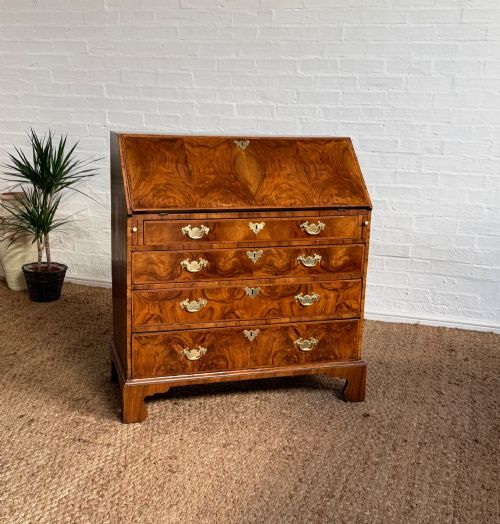
Examples featuring matched flame mahogany or figured burr walnut display superior aesthetic ambition, particularly when combined with original brass mounts and fitted stationery interiors.
Proportion, patination, and the retention of period drawer linings and handles separate standard utility pieces from masterworks produced by prominent workshops.
Apprentice cabinets appear in archive records, built by young learners to prove their mastery of dovetails and miniature joinery.
Gillows·Stanley Webb Davies·Robert Mouseman Thompson·Chapman
The English Writing Cabinet Glossary
- Bureau
- A writing desk featuring a sloping fall-front that opens to reveal a fitted interior of drawers and pigeonholes.
- Escritoire
- A tall writing cabinet or desk, originating in the 17th century, typically fitted with a fall-front writing flap.
- Secretaire
- A piece of furniture containing a drawer or compartment configured for writing, often disguised as a standard chest of drawers.
- Davenport
- A compact writing desk featuring a sloped, hinged writing surface above a pedestal of drawers.
- Burr walnut
- Timber taken from walnut tree growths, prized by cabinet-makers for its swirling, highly decorative grain patterns.
English Writing Cabinet: Frequently Asked Questions
What is an english writing cabinet?
An english writing cabinet is a piece of furniture designed specifically for correspondence and storage, encompassing forms such as bureau bookcases, Davenport desks, and stationery boxes.
These pieces integrate writing surfaces with specialised compartments for paper, ink, and letters, reflecting the domestic writing habits of past centuries.
How do I date an antique bureau?
Dating relies on observing construction methods, timber choices, and hardware styles across different historical periods like the Georgian era or the 17th century.
Early pieces often feature solid oak or walnut with hand-cut dovetails, while later Regency and Victorian examples introduce mahogany veneers and mass-produced brass fittings.
How were fall-front desks used?
The fall-front surface folds down to provide a stable wooden or leather-lined ledge for handwriting and reading letters.
When closed, the sloping or vertical panel conceals the clutter of correspondence, keeping private papers secure within internal pigeonholes and small drawers.
Where should I place a writing cabinet?
These cabinets suit studies, living rooms, and bedrooms where their compact footprints and decorative timber veneers can be appreciated.
Positioning them away from direct sunlight and heat sources protects the fragile mahogany and walnut veneers from drying and cracking over time.