



Gillows Writing Bureau
A gillows writing bureau brings refined Lancashire cabinet-making and functional slope-front writing surfaces straight into a study or drawing room.
Gillows Writing Bureau
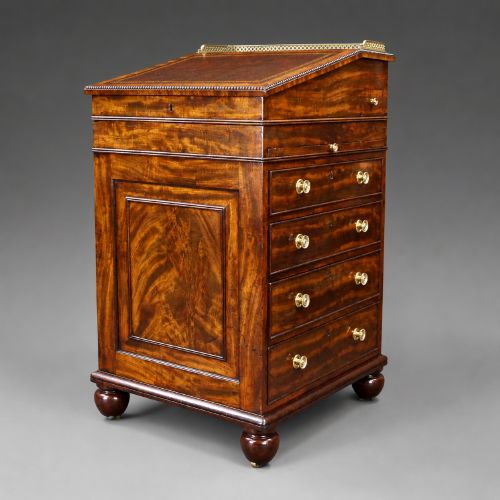
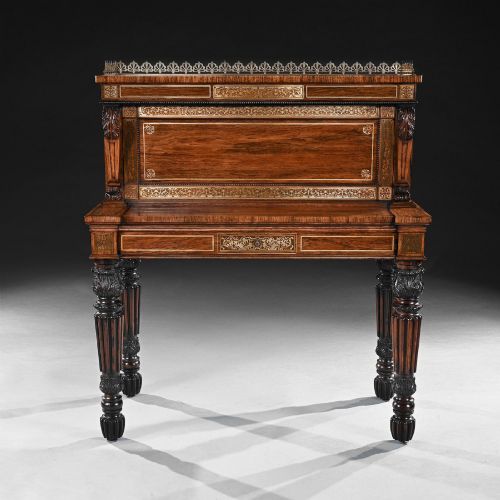
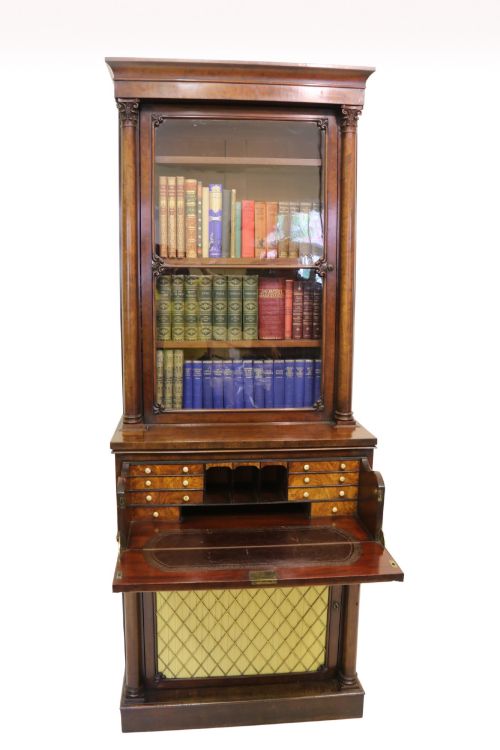
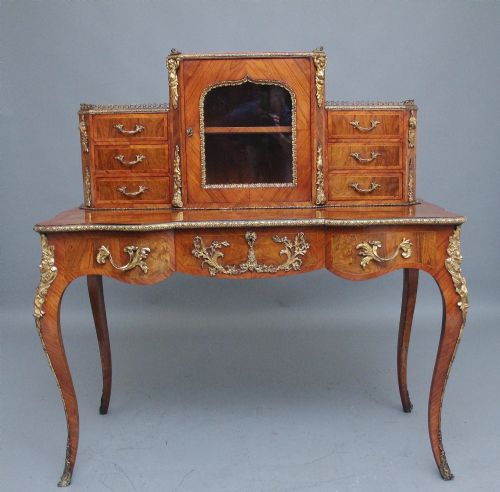
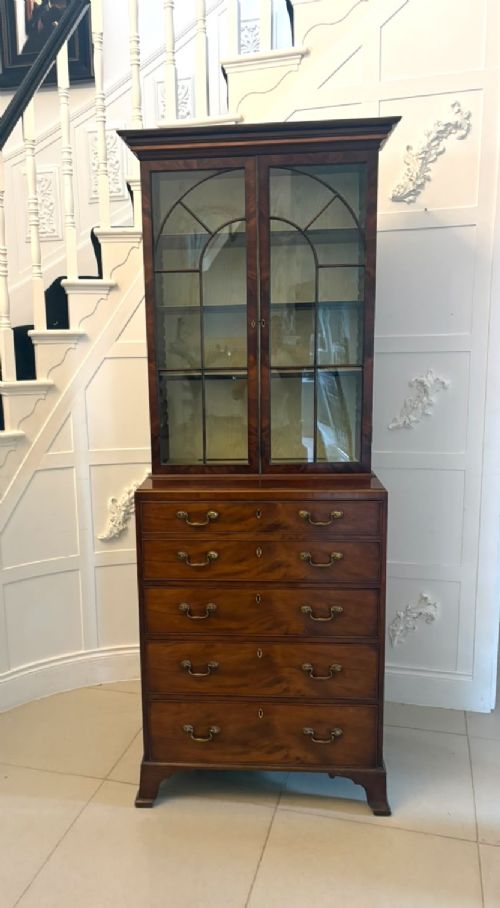
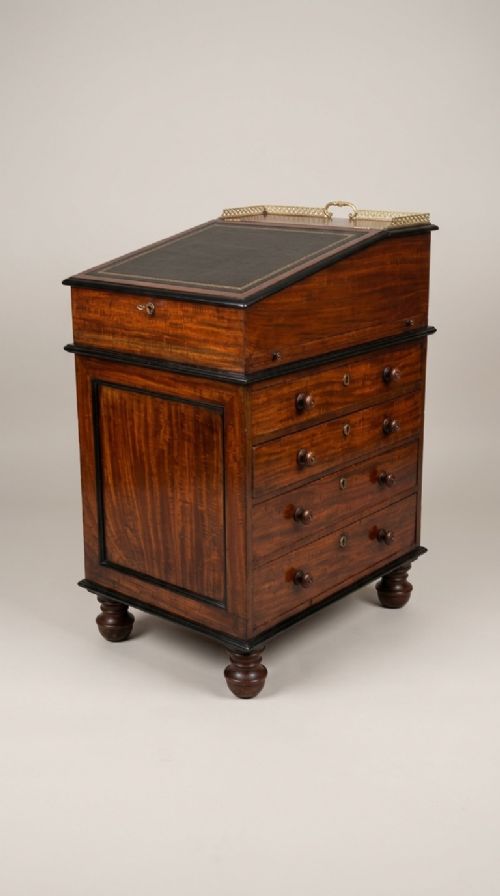
A gillows writing bureau encompasses compact Davenport desks, upright secretaire bookcases, and library writing tables produced by the renowned firm. Buyers encountering these pieces will frequently find mahogany, flame mahogany, or rosewood constructions spanning the Georgian, Regency, and Victorian periods.
The form often integrates fitted interior drawers, pigeonholes, and leather-lined writing slopes designed for correspondence and household administration. Cabinets and chests with drop-front writing sections represent the most prevalent format across the available selections.
Origins trace directly to workshops in Lancaster and London, where skilled craftsmen built durable, elegant furniture for elite domestic interiors. Pieces range from modest chamber writing tables to imposing secretaire bookcases fitted with astragal glazed doors.
Materials and Construction Methods
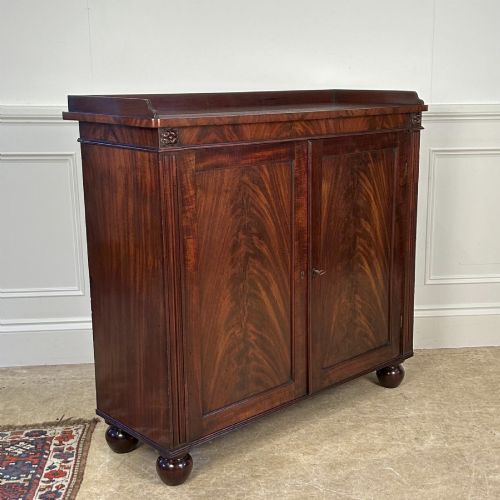
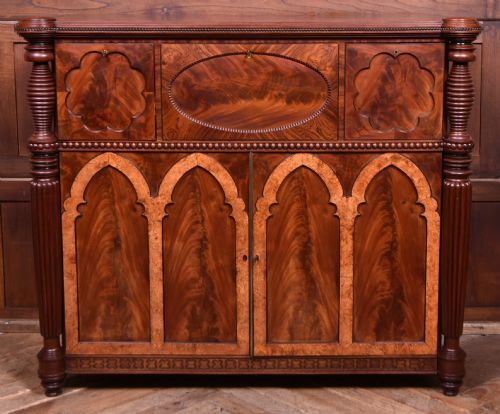
Cabinet-makers relied heavily on solid mahogany, flame mahogany veneer, and rosewood, frequently augmenting the timber with burr walnut, satinwood, and oak panelling. Brass inlay, ebonised details, and glass panes feature prominently in the decorative vocabulary of the workshops.
Secondary woods provide structural integrity to internal drawer linings and carcass frames, while finely tooled leather inserts define the writing surfaces. Construction techniques balance robust joinery with sophisticated veneering methods to highlight the natural grain of the timber.
Gillows Writing Bureau Retail Price Guide 2026
Typical asking prices for gillows writing bureau among the pieces listed under this phrase on Sellingantiques today, from the lower quarter to the upper quarter. They describe what is for sale here now, not the wider market.
The listings demonstrate a strong preference for mahogany and rosewood across Georgian and Regency bureau designs.
Assessing Craftsmanship and Proportion
Superior examples distinguish themselves through the meticulous selection of figured timbers, such as flame mahogany and burr walnut, matched symmetrically across drawer fronts and writing slopes. The crispness of carved details and the precise integration of brass inlay elevate certain pieces above standard utility furniture.
Proportion and scale dictate the desirability of smaller Davenport desks and dwarf secretaire cabinets intended for intimate parlour use. Well-preserved original leather writing surfaces and functional internal locking mechanisms further separate exceptional items from ordinary survivors.
Gillows of Lancaster·Waring and Gillow
The Gillows Writing Bureau Glossary
- Secretaire
- A cabinet or chest featuring a fitted pull-down writing drawer or drop-front desk compartment. This form conceals small drawers and pigeonholes behind a polished writing surface.
- Davenport
- A compact pedestal desk characterised by a sloping, leather-lined writing lid and drawers opening to the side. The design gained popularity during the Regency period for use in smaller drawing rooms.
- Astragal
- A moulding profile used to hold glass panes within bookcase doors. These slender wooden bars divide the upper cabinet glazing into decorative geometric patterns.
- Flame mahogany
- A tropical hardwood veneer exhibiting a distinctive flickering flame-like grain pattern. Cabinet-makers utilised this cut on primary display surfaces to achieve visual depth.
Gillows Writing Bureau: Frequently Asked Questions
How do I identify an authentic Gillows bureau?
Authentic pieces frequently display workshop stamps, signature brass locks, or distinctive cabinet-making traits associated with the Lancaster and London premises.
Examination of the secondary woods, internal drawer construction, and timber selection provides further confirmation of origin.
Where were these bureaus placed originally?
Wealthy patrons positioned these writing surfaces in libraries, private studies, or formal bedrooms for daily correspondence and estate management.
Compact Davenport models and chamber tables suited smaller private apartments and ladies' sitting rooms.
What is the difference between a bureau and a Davenport?
A traditional bureau typically incorporates a drop-front writing slope above a set of chest drawers, whereas a Davenport is a smaller pedestal desk with a slanted top.
Davenports feature side-opening drawers and a fixed writing slope, making them far more compact.
How should I care for the leather writing surface?
Preserving the leather requires gentle dusting and occasional conditioning with specialised leather balms to prevent cracking and drying.
Avoiding direct sunlight and excessive moisture protects both the delicate hide and the surrounding timber veneer.