


Victorian Brass Box
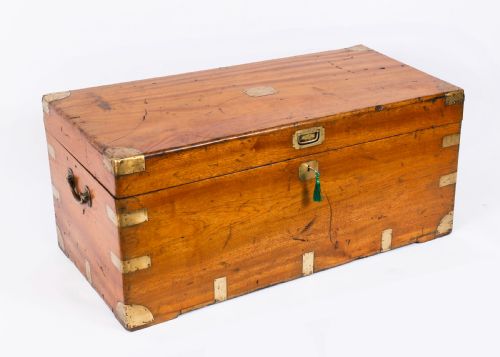
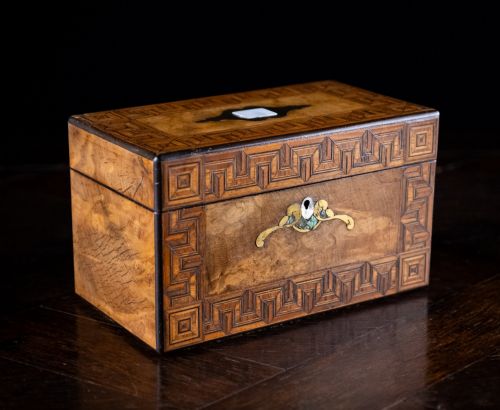
A victorian brass box combines solid timber with robust metal mounts, serving as a practical desk accessory or travelling chest.
Victorian Brass Box
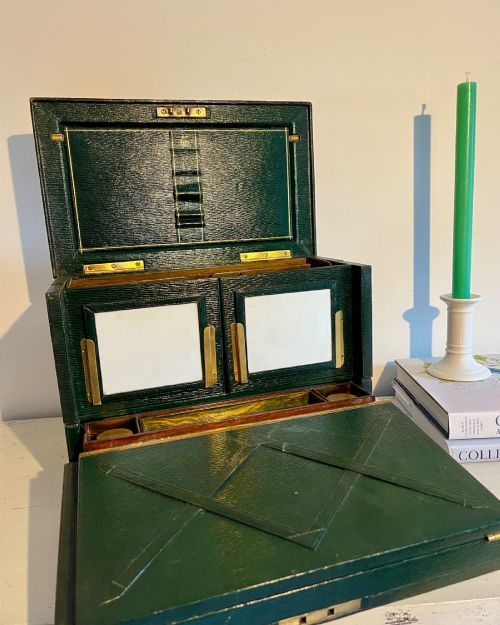
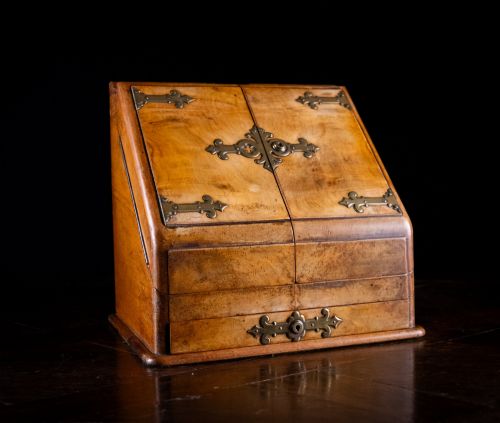
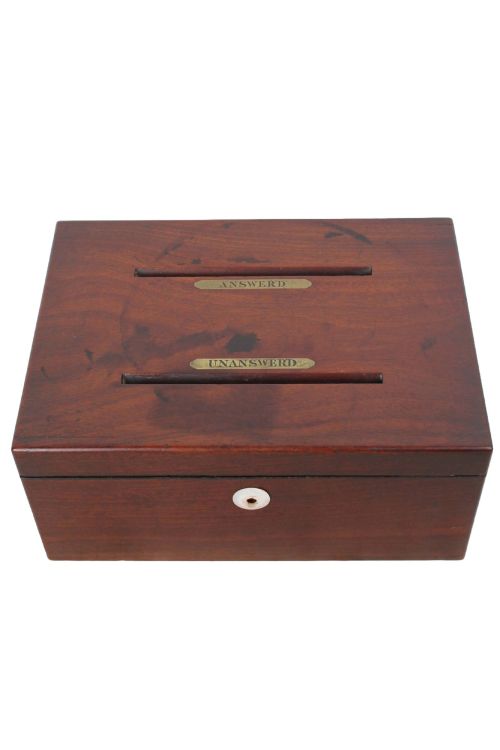
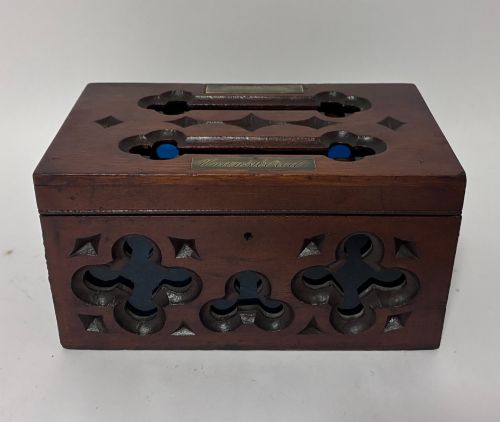
A victorian brass box encompasses a wide variety of functional containers designed for personal organisation and travel during the nineteenth century. Buyers frequently encounter robust campaign chests alongside refined walnut stationery boxes and fitted writing slopes.
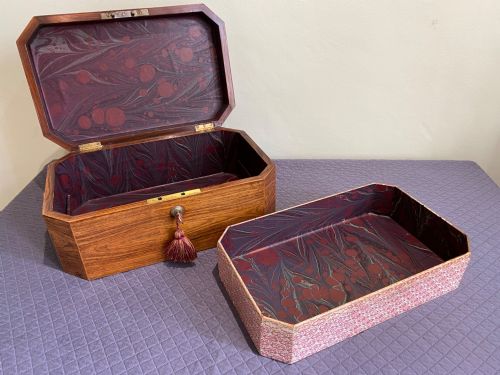
The domestic interior of the period relied on these containers for correspondence, jewellery, and games. Many examples feature compartmentalised interiors lined with leather or velvet to protect delicate objects during transport or daily desk use.
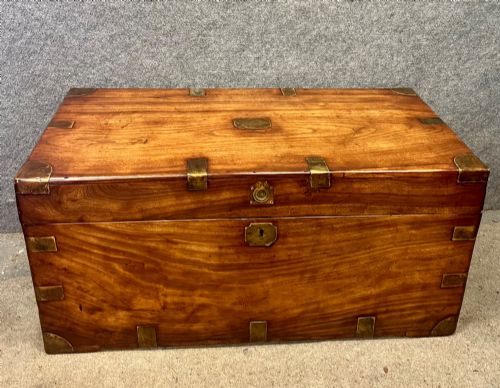
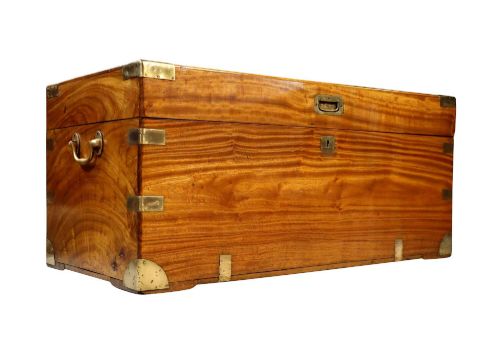
The selection ranges from utilitarian camphor wood trunks intended for military service to decorative tabletop caddies fashioned from exotic hardwoods. Each piece reflects the specific purpose for which it was constructed, whether for writing, storage, or collection.
Materials and Construction
Makers utilised dense timbers such as walnut, mahogany, rosewood, and camphor wood as the primary structural bodies. These woods provided the necessary durability for items subjected to heavy handling or long journeys.
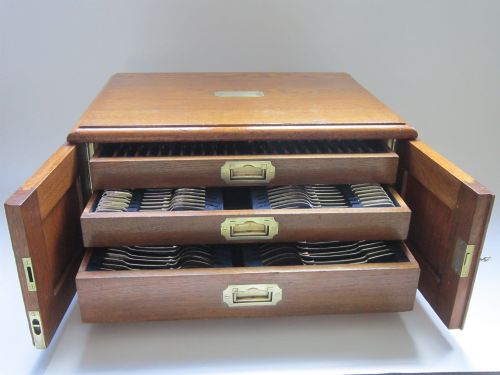
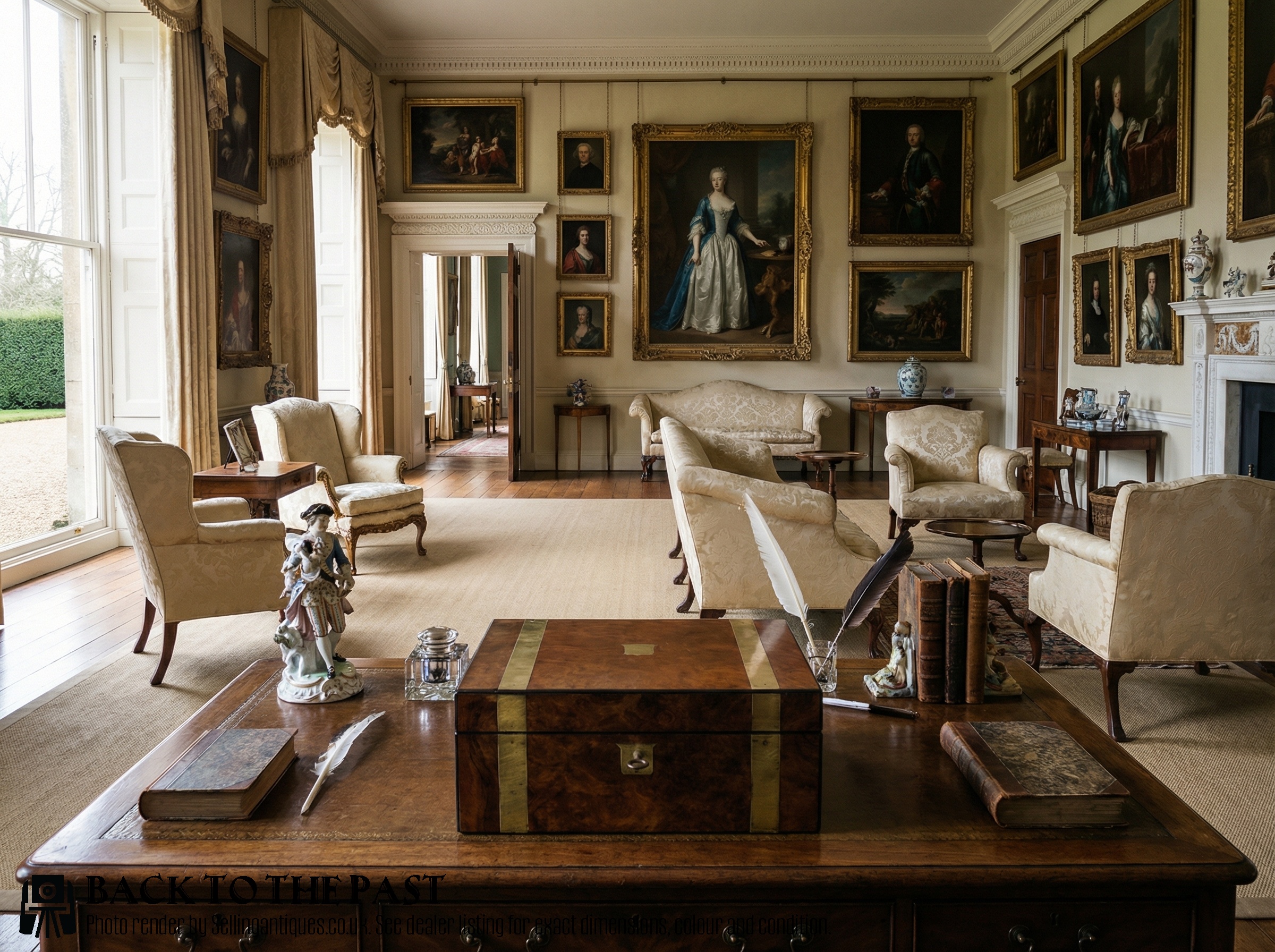
Brass formed the structural and decorative reinforcement, appearing as heavy corner straps, flush-fitting handles, and intricate escutcheons. Corner brackets and edge binding protected vulnerable joints from impact during transit.
Joinery techniques combined traditional dovetailing with precision housing for metal inlays and mounts. Screwed brass work secured the wooden panels firmly together, ensuring the structural integrity of campaign and desk pieces.
Victorian Brass Box Retail Price Guide 2026
Typical asking prices for victorian brass box among the pieces listed under this phrase on Sellingantiques today, from the lower quarter to the upper quarter. They describe what is for sale here now, not the wider market.
Some Victorian writing boxes conceal secret spring-loaded drawers behind false partitions for confidential letters.
Distinguishing Quality
The standard of timber selection heavily dictates the overall quality of a piece. Fine burr walnut, figured mahogany, and well-chosen camphor wood indicate a higher grade of manufacture intended for affluent Victorian households.
The execution of the brass work separates standard production items from superior examples. Finely cast or hand-engraved mounts, flush-fitting hinges, and well-secured corner brackets demonstrate superior craftsmanship and attention to detail.
Wm Insall of Bristol·Edwards and Roberts·James Bruce Glasgow·De Grave Short and Co·Howell and James London
The Victorian Brass Box Glossary
- Campaign box
- A portable container designed for military officers on active service. These pieces typically feature recessed brass handles and reinforced corners to withstand rough transport.
- Writing slope
- A desk accessory featuring a hinged lid that opens at an angle to provide a writing surface. The interior generally includes compartments for inkwells, pens, and stationery.
- Escutcheon
- A protective plate surrounding a keyhole. On these items, they are frequently fashioned from brass to match the corner mounts and strapwork.
- Stationery box
- A tabletop cabinet designed to hold writing paper and envelopes. They often incorporate tiered interior compartments and hinged doors or lids.
- Dovetail
- A type of joint used in the construction of the wooden carcase. Interlocking fingers of wood provide high tensile strength without relying solely on adhesives.
Victorian Brass Box: Frequently Asked Questions
How were campaign boxes used?
Campaign boxes served as portable desks, chests, and storage trunks for military personnel on deployment. Their design allowed them to be packed securely onto transport animals or wagons.
They often included hinged writing surfaces and fitted interior compartments to keep documents organised in temporary quarters.
What woods were used for these boxes?
Cabinetmakers employed durable timbers such as mahogany, walnut, rosewood, and exotic coromandel. Camphor wood was specifically chosen for trunks due to its natural insect-repellent properties.
These hardwoods were frequently finished with a polished surface to highlight the natural grain beneath the brass mounts.
How do I care for a brass and wood box?
Keep the wood nourished with appropriate wax polishes while avoiding excessive moisture that might damage the internal velvet or leather linings. Clean the brass elements gently without abrasive compounds to preserve the original metal finish.
Place the container away from direct heat sources and sunlight to prevent the timber from warping or splitting over time.