

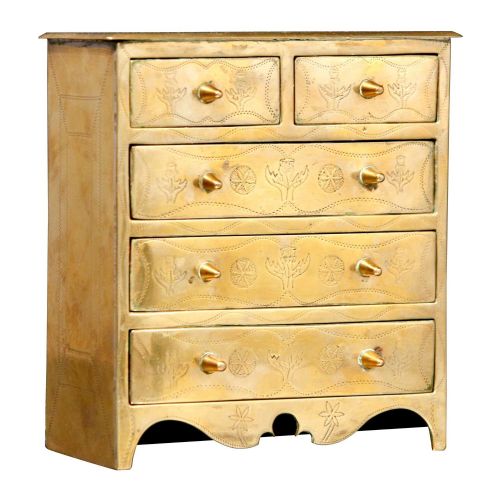


Engraved Brass Box
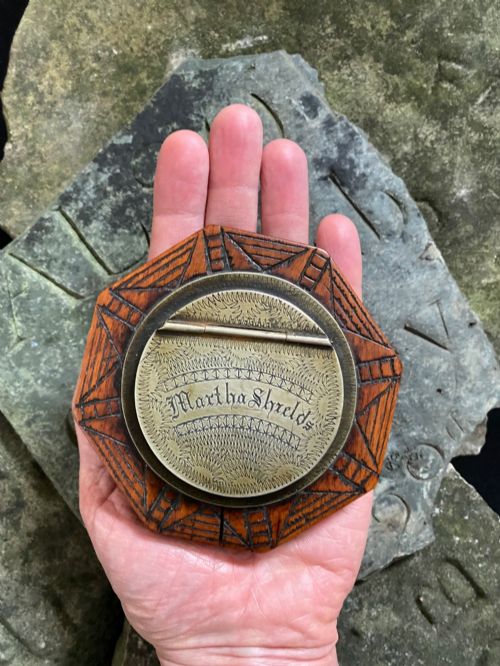
An engraved brass box carries personal names, dates, and trade details scratched or chased into its metal lid by hand.
Engraved Brass Box
When you search for an engraved brass box, you are looking at small personal containers used for tobacco, snuff, or sewing accessories across several centuries. The pieces on this page span the seventeenth, eighteenth, nineteenth, and early twentieth centuries, reflecting changing domestic habits.
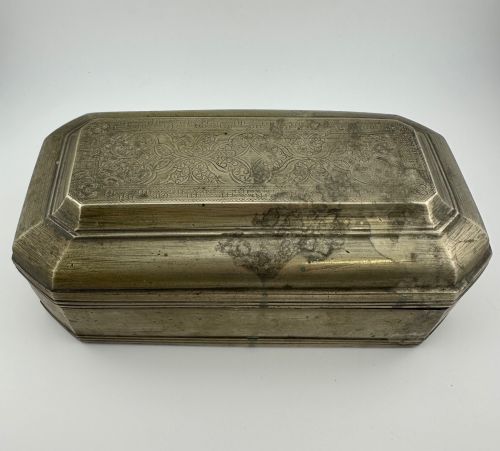
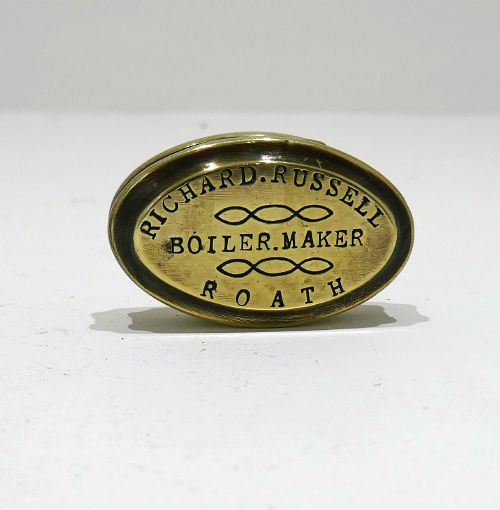
The most common form you will meet here is the pocket snuff box or tobacco box, often inscribed with the name of an owner, a trade such as a boiler maker, or a specific historical date. Alongside these lie sewing etuis, larger stationary boxes, and occasional examples incorporating fruitwood or olivewood.
Origins stretch across English, Dutch, German, and Welsh workshops, with Dutch tobacco boxes showing particularly distinct shaped and hand-wrought oval forms. Each container served a daily functional purpose before surviving as a tactile piece of social history.
Materials and construction
The primary material is sheet or cast brass, sometimes combined with copper or secondary woods like fruitwood and olivewood for structural bodies and fitted interiors. Metal components rely on hand-wrought shaping, folding, and pinned hinges to secure lids to bases.
Surface decoration depends entirely on manual engraving, utilising sharp gravers to cut names, dates, and commemorative inscriptions directly into the brass. Artisans also employed chasing and shaping techniques to create curved tobacco boxes and domed stationary boxes.
Engraved Brass Box Retail Price Guide 2026
Typical asking prices for engraved brass box among the pieces listed under this phrase on Sellingantiques today, from the lower quarter to the upper quarter. They describe what is for sale here now, not the wider market.
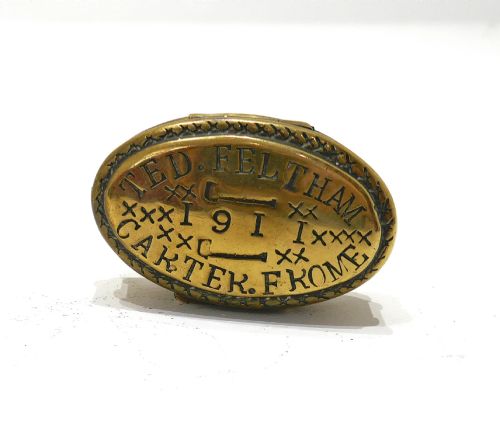
One box remembers an owner named Ted Feltham from Frome in 1911, immortalised in brass just years before history shifted.
Assessing quality
Quality in these containers rests on the crispness of the hand engraving and the precision of the metalwork joints rather than ornamental excess. Sharply cut lettering that names specific individuals or historical events elevates a piece above generic factory output.
The integrity of the hinge action and the snugness of the lid closure demonstrate the skill of the original metalworker. Superior examples maintain their structural form without excessive thinning of the brass sheet from enthusiastic polishing.
Betjemann and Sons
The Engraved Brass Box Glossary
- Snuff box
- A small pocket container designed to hold pulverized tobacco. These items frequently feature personalised engravings of names and dates.
- Tobacco box
- A larger container used to store smoking leaf. Eighteenth-century examples from Dutch and German workshops often display shaped profiles.
- Etui
- A compact case used for holding small sewing accessories or needlework tools. They appear in Victorian collections alongside brass-fitted wooden boxes.
- Miser snuff box
- A specific pocket container format associated with personal frugality or specific historic commemorations. They share the standard hinged brass construction of the period.
- Hand wrought
- Formed and shaped by manual hammering rather than industrial stamping. This technique marks earlier seventeenth and eighteenth-century production.
Engraved Brass Box: Frequently Asked Questions
What were brass snuff boxes used for?
These pocket containers held dry snuff for personal consumption during the eighteenth and nineteenth centuries.
Owners carried them daily, which explains why many bear initials, names, and significant dates of the people who used them.
How do I identify an eighteenth-century tobacco box?
Eighteenth-century examples often display hand-wrought oval or shaped brass construction with detailed commemorative inscriptions.
Dutch and German pieces from this era show distinct fabrication methods compared to later Victorian domestic items.
Are all engraved names contemporary to the box?
Most inscriptions, such as trade titles or specific dates like 1811 or 1914, were added when the piece was made or presented.
They record real individuals, including boiler makers and soldiers, tying the metal object directly to a specific person's life.
How should I care for antique brass boxes?
Keep the metal dry and avoid harsh chemical polishes that remove the historic surface patina and soften the engraved lines.
Gentle dusting preserves the original hand-cut details and the natural ageing of the brass and copper.