


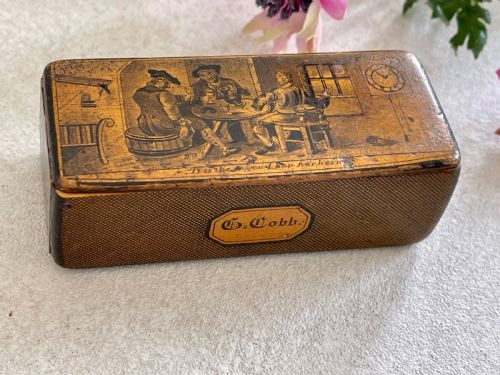


Folk Art Snuff Box
These folk art snuff box pieces are tactile personal containers carved from organic materials by hands that turned everyday utility into sculpture.
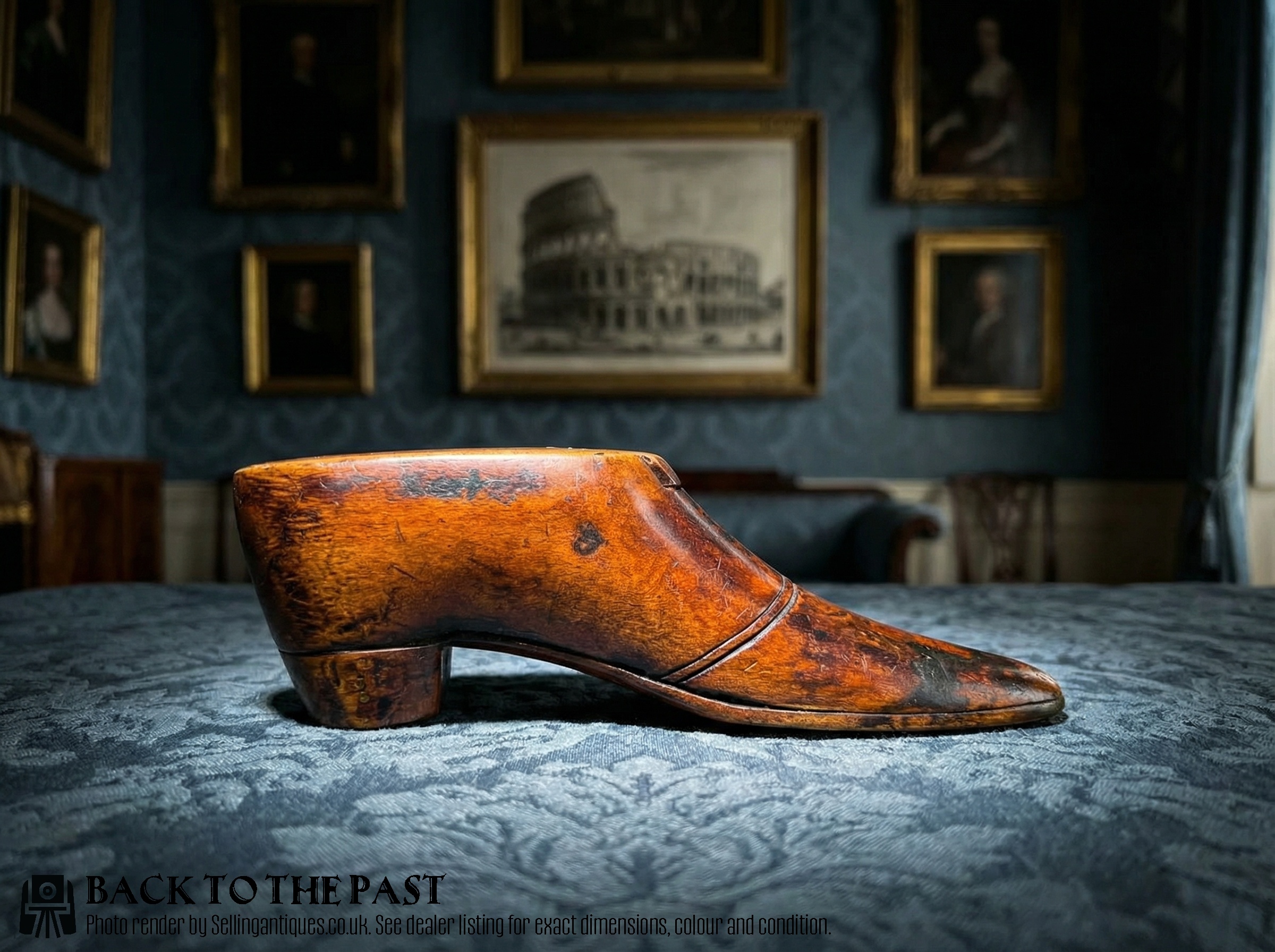
What They Are
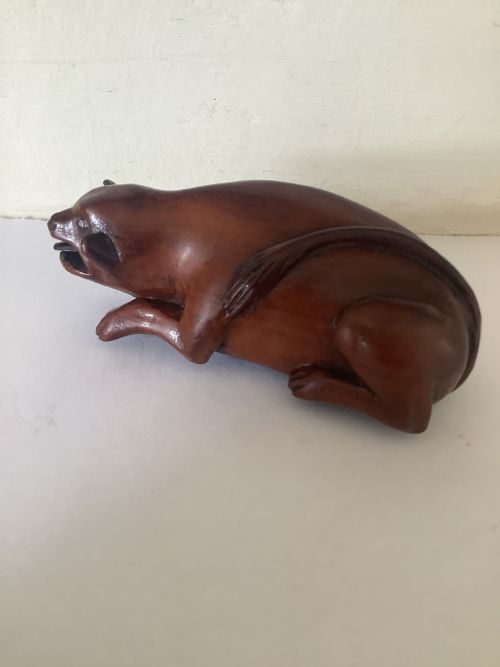
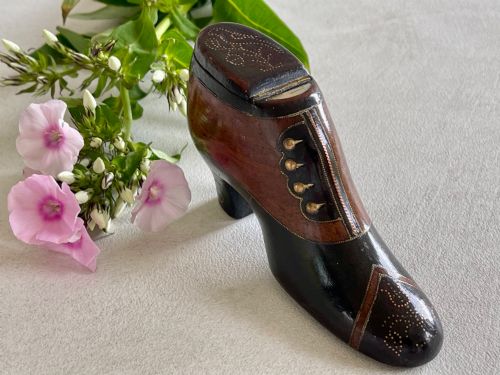
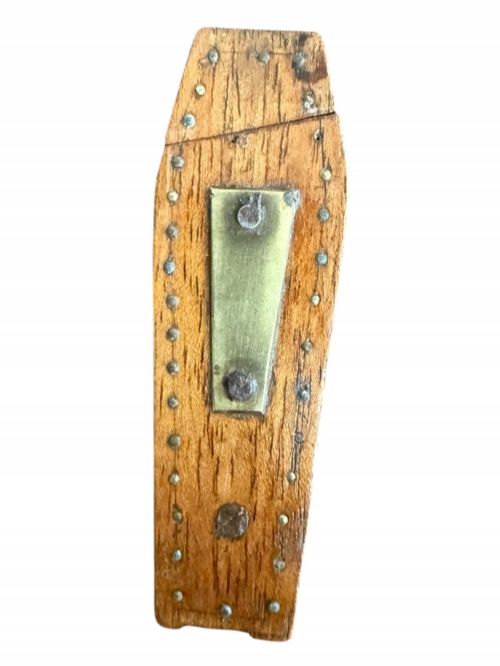
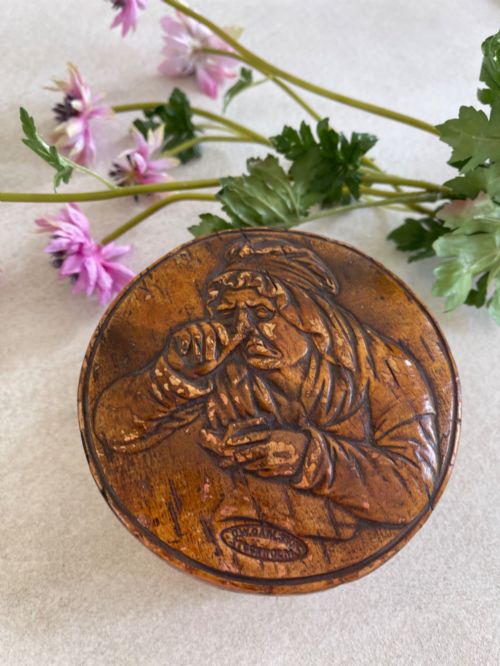
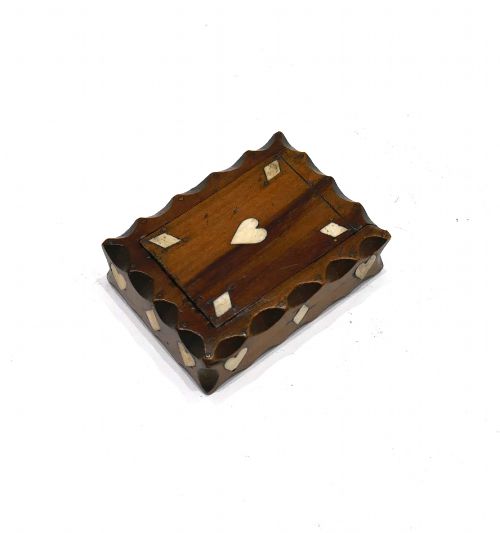
A folk art snuff box is a pocket-sized container fashioned to hold powdered tobacco, often taking the form of shoes, birds, hands, and nuts. These objects span the Georgian, 19th Century, Edwardian, and 1800 periods, reflecting generations of vernacular carving talent.
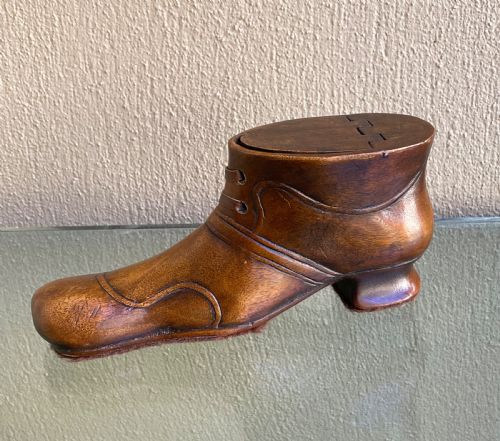
The versions you are most likely to meet on this page include treen shoes, carved birds, and hand-shaped receptacles rendered in wood and horn. Makers shaped these items for waistcoat pockets, creating miniature sculptures that served a daily social ritual.
How They Were Made
Carvers utilised organic media such as fruitwood, burr wood, coquilla nut, boxwood, and horn, shaping the raw material with gouges, knives, and small saws. Metal and brass components frequently form the hinges, pins, and mounts that secure the lids.
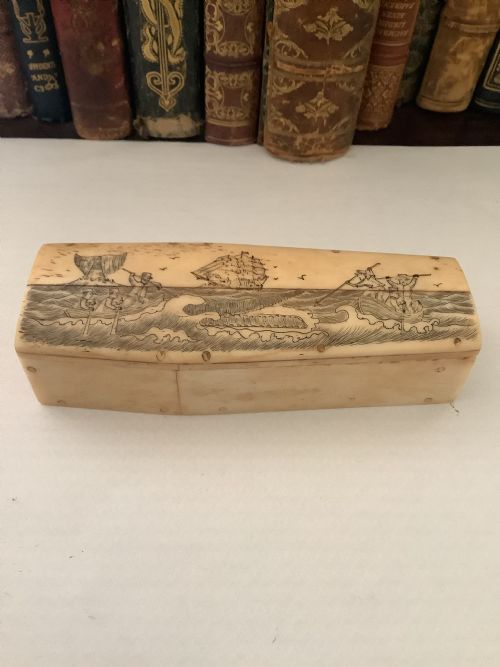
Fine surface work involved engraving lines into horn and smoothing hard wood to a tactile finish. Artisans selected materials like coquilla nut and burr wood for their natural grain patterns, which added texture to birds and shoes.
Retail Price Guide 2026
Typical UK retail prices for folk art snuff box, calculated from the Sellingantiques database of over a million retail prices indexed since 2003. This retail price guide relies exclusively on Sellingantiques data; no external sources or auction records are used, so the figures do not describe the wider market.
Materials documented across the pieces include metal, wood, glass, brass, fruitwood, coquilla nut, burr wood, and horn.
What Varies in Quality
Depth of carving and anatomical definition separate standard boxes from superior examples. A hand holding a pinch of snuff or a bird with detailed feather work shows an artisan with a strong grasp of form.
The integrity of the material and the crispness of the original surface patina dictate the standing of a piece. Boxes that retain their working brass hinges and unpolished wooden warmth sit at the higher end of the range.
The Folk Art Snuff Box Glossary
- Treen
- Small handmade wooden objects for domestic use. This term covers carved shoes, birds, and containers made from local timbers.
- Coquilla nut
- The hard, mottled seed of the South American palm tree. Carvers prized it for fine detail work because it polishes to a rich sheen.
- Burr wood
- Wood taken from a tree growth where the grain has grown in a deformed manner. It provides intricate, swirling patterns across small container surfaces.
- Waistcoat pocket
- A small garment pocket designed to hold personal items. Snuff boxes were sized specifically to slide into these spaces.
Frequently Asked Questions
What were folk art snuff boxes used for?
These containers held dry powdered tobacco, known as snuff, which users would pinch and inhale. They were carried in pockets for easy access during social gatherings.
Because snuff taking was a common daily habit, the containers needed to be robust yet small enough for personal carriage.
How do I date a wooden snuff box?
Dating relies on stylistic clues, the type of wood, and the construction of the hinges. Georgian examples often display different carving depths compared to Edwardian pieces.
Examining the wear patterns on the material helps connect the box to periods like the eighteenth or nineteenth century.
Why are some boxes shaped like shoes?
Shoe-shaped containers were a popular motif in vernacular carving during the Georgian and nineteenth centuries. The shape lent itself well to being hollowed out for dry goods.
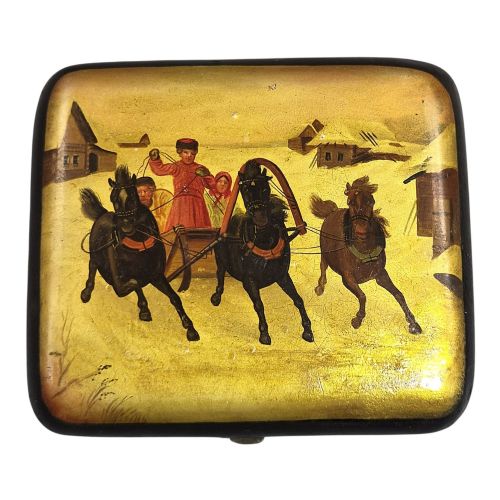
Some shoe boxes even incorporated painted pictures under sliding lids or open-toed designs.
What materials appear most often?
Wood is the primary medium, with specific timbers like fruitwood and boxwood appearing alongside exotic seeds like coquilla nut. Horn and metal also feature in the historical record.
Makers chose these dense organic materials because they withstood frequent handling and friction in pockets.