





Walnut Lap Desk
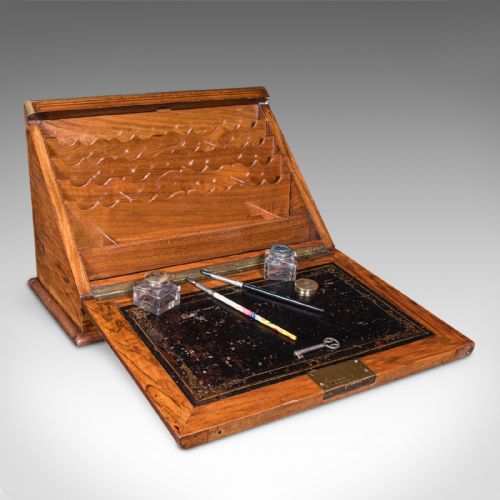
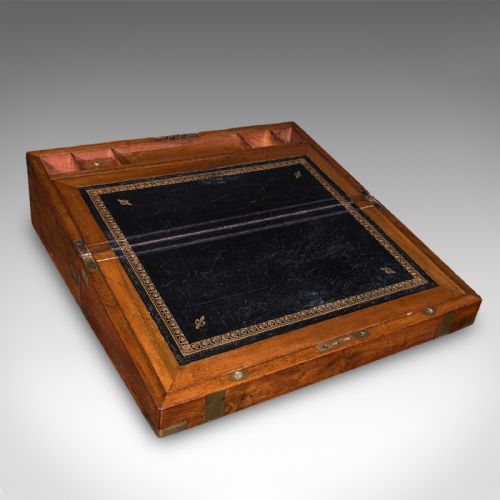
Walnut lap desk pieces are portable writing boxes hinged to open onto a sloping surface, designed for correspondence during the Georgian and Victorian eras.
Walnut Lap Desk
A walnut lap desk is a portable writing box designed to fold open into a sloping writing surface, housing compartments for paper, ink and pens. These pieces span the Georgian, Regency and Victorian periods, taking forms such as campaign boxes, correspondence cases and fitted stationery boxes.
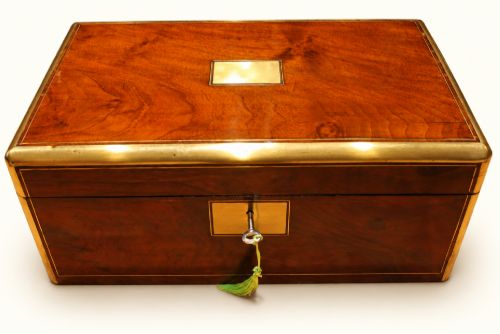
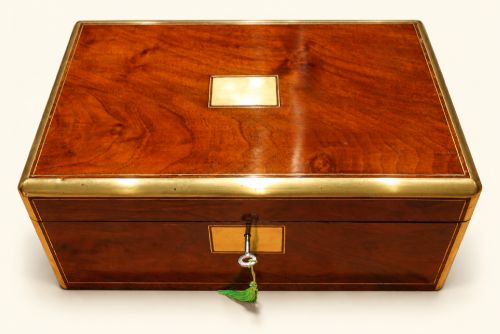
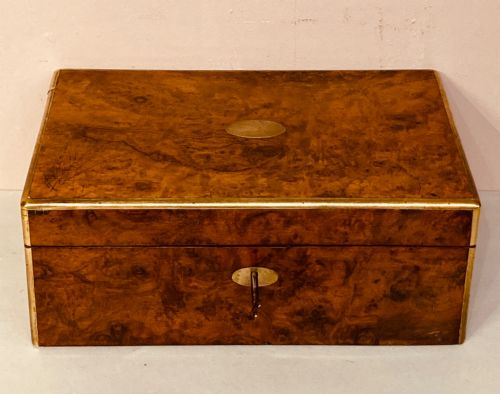
The version most commonly encountered on this page is the Victorian walnut lap desk, frequently detailed with figured or burr veneers and brass corner mounts. Many of these examples open to reveal velvet or leather-lined writing surfaces alongside secret drawers and internal inkwell compartments.
How They Were Made
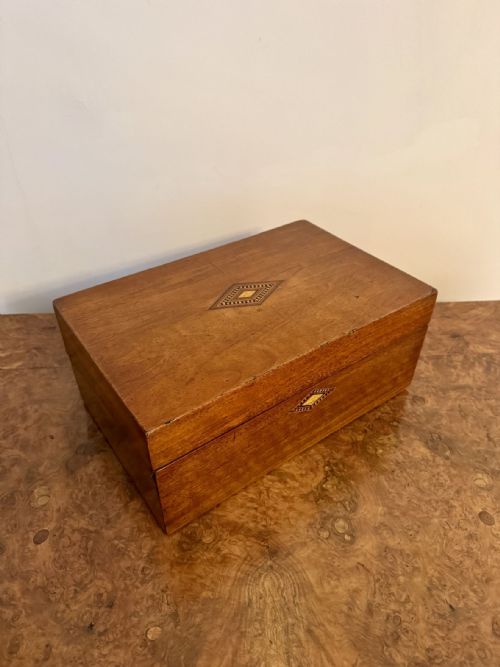
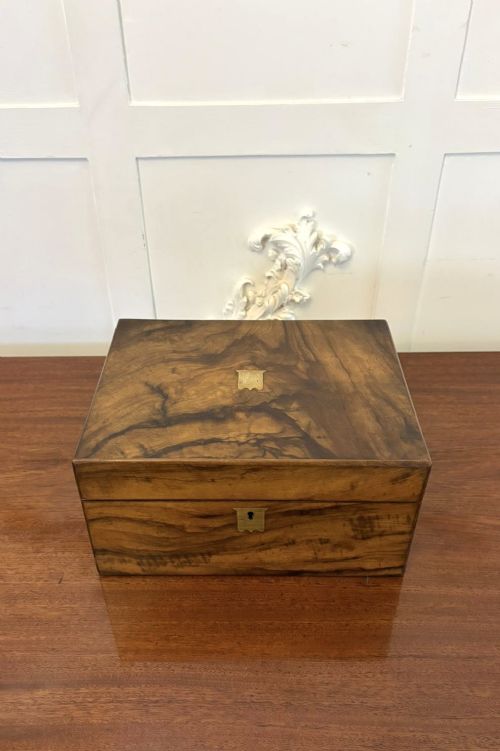
Cabinetmakers utilised solid walnut and decorative veneers like burr walnut and figured walnut over secondary timbers, often embellishing the exteriors with brass banding, corner mounts and flush inset handles. Intricate decorative touches include mother-of-pearl inlay, boxwood stringing and geometric parquetry patterns.
Interiors were constructed with precision to house specialised stationery fittings, secret compartments and robust locking mechanisms such as Bramah locks. Tunbridge ware mosaic inlays also appear, demonstrating meticulous woodworking techniques applied to small surfaces.
Walnut Lap Desk Retail Price Guide 2026
Typical asking prices for walnut lap desk among the pieces listed under this phrase on Sellingantiques today, from the lower quarter to the upper quarter. They describe what is for sale here now, not the wider market.
Listings feature walnut lap desks spanning Georgian, Regency, William IV and Victorian periods, incorporating materials such as brass, glass and leather.
What Varies in Quality
The distinction between standard utility boxes and finer specimens lies in the selection of timber veneers and the intricacy of internal cabinetry. Richly figured burr walnut, complex parquetry and substantial brass reinforcement separate standard pieces from exceptional examples.
The sophistication of the internal mechanism also dictates distinction, with integrated secret drawers, Bramah locks and maker signatures indicating higher tiers of nineteenth-century craftsmanship.
William Austin·Mappin & Webb·Sampson Mordan & Co·George Austin
The Walnut Lap Desk Glossary
- Burr walnut
- A highly prized timber grain obtained from the irregular growth walnut burl, creating swirling and mottled patterns on the exterior surface.
- Bramah lock
- A high-security cylindrical lock patented by Joseph Bramah in the late eighteenth century, commonly fitted to superior nineteenth-century boxes.
- Secret drawers
- Concealed small drawers hidden behind removable partitions or false bottoms within the writing slope interior.
- Campaign style
- Portable furniture constructed with recessed brass mounts and folding elements designed for military travel.
- Tunbridge ware
- Miniature mosaic woodwork created by gluing thousands of tiny coloured wood blocks together to form geometric or pictorial surface patterns.
Walnut Lap Desk: Frequently Asked Questions
What is a walnut lap desk?
A walnut lap desk is a portable wooden box designed to hold writing materials and open into an inclined surface for writing letters away from a stationary desk.
These pieces were widely used during the Georgian and Victorian periods by travellers, gentlemen and households managing correspondence before the widespread availability of modern postal systems and stationery cabinets.
How do you open the secret drawers?
Secret drawers in these writing boxes are typically concealed behind false panels, pen trays or under internal floorboards that slide or lift out when specific internal catches are manipulated.
Cabinetmakers engineered these hidden compartments to secure private papers, valuables or extra keys away from casual observation.
What is the difference between burr walnut and figured walnut?
Burr walnut derives from a tree growth abnormality that produces dense, swirling clusters of knots and eyes, whereas figured walnut refers to general decorative grain patterns that display natural waves and ripples.
Both finishes were selected by nineteenth-century makers to create visually striking surfaces on portable writing furniture.
Were these desks used for travel?
Many examples, particularly brass-bound campaign variants, were built with sturdy timber construction and secure locking systems specifically to withstand the rigours of nineteenth-century travel.
They allowed owners to maintain a private writing station while moving between residences or travelling on business.