



Secret Drawer Slope
Secret drawer slope pieces are traditional writing boxes concealing hidden compartments, offering a tactile connection to the past that collectors prize.
Secret Drawer Slope
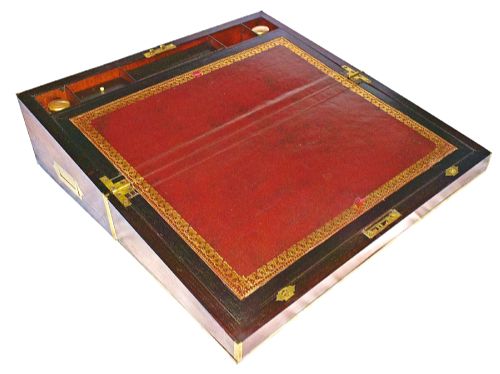
A secret drawer slope is a portable writing box designed with internal compartments and hidden storage accessed through clever mechanical panels or false partitions. Buyers searching for this phrase encounter portable writing desks and larger stationary boxes from the Georgian, Regency, and Victorian eras.
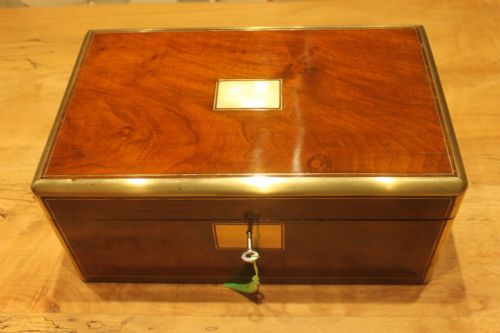
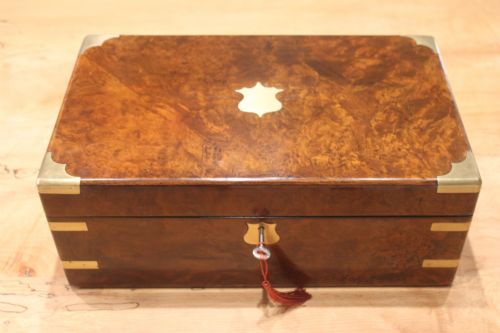
The version met most frequently on this page is the Victorian walnut or figured walnut writing slope, heavily reinforced with brass binding and fitted with internal stationery compartments. These pieces span from the late eighteenth century through to the nineteenth century, including campaign styles and larger domestic desks.
Originating as practical writing furniture for travel and home use, these boxes bring traditional craftsmanship into modern interiors. The integration of concealed drawers beneath standard stationery fittings demonstrates the clever engineering typical of nineteenth-century cabinet making.
Materials and Construction
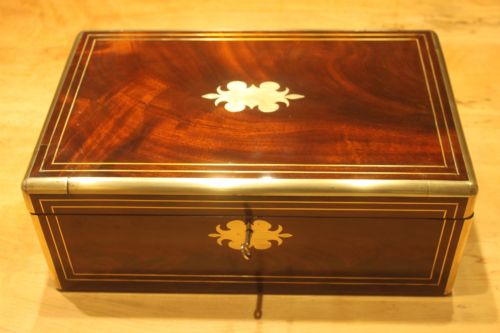
Cabinet makers utilised dense hardwoods such as mahogany, rosewood, walnut, and coromandel to construct the carcass of each slope. Figured and burr veneers were selected for their intricate grain patterns, often accented with brass binding, brass inlay, and corner plates to protect the edges during travel.
Internal components relied on precision joinery to create sliding panels and false floors that concealed the secret drawers. High-security brass locks, notably those by Bramah, were integrated into the design to secure the primary compartment and safeguard the hidden storage within.
Secret Drawer Slope Retail Price Guide 2026
Typical asking prices for secret drawer slope among the pieces listed under this phrase on Sellingantiques today, from the lower quarter to the upper quarter. They describe what is for sale here now, not the wider market.
Listings feature eighteenth-century oak bureaus alongside nineteenth-century walnut and coromandel campaign boxes.
Judging Quality and Execution
Quality rests in the subtlety of the mechanism and the precision with which the hidden drawers fit into their housings. Superior examples operate smoothly without sticking, whereas lesser pieces show uneven gaps and coarser timber matching.
The choice of exterior timber and secondary woods dictates the standing of a slope, with dense coromandel and heavily figured burr walnut marking the upper tier. Original hardware, intact keys, and branded locks elevate a piece far above standard utilitarian boxes.
George Austin of Dublin
The Secret Drawer Slope Glossary
- Bramah lock
- A patented high-security cylindrical lock mechanism invented in the late eighteenth century. These locks were fitted to better quality nineteenth-century writing slopes and boxes.
- Figured walnut
- Timber cut from specific parts of the walnut tree showing complex, attractive grain patterns. It was frequently used for the exterior veneer of Victorian writing slopes.
- Campaign style
- Portable furniture designed for military officers on active service. These pieces typically feature brass corners and recessed handles for durability during transport.
- Bi-fold slope
- A writing box design featuring a folding writing surface that opens out flat. This configuration reveals additional storage compartments and interior partitions.
- Crossbanded
- A method of bordering a panel of wood with a narrow strip of veneer laid across the grain. This decorative technique appears on eighteenth-century and Georgian pieces.
Secret Drawer Slope: Frequently Asked Questions
How do I find the secret drawers?
Hidden compartments are typically accessed by removing the inkwells, sliding out the pen tray floor, or pressing concealed spring-loaded catches within the stationery partition.
Once the primary internal fittings are lifted or shifted, false panels slide away to reveal the small drawers tucked beneath the writing bed.
What were writing slopes used for?
These portable desks served as personal writing stations for correspondence, document storage, and the safe-keeping of valuables before the widespread use of fitted study furniture.
Travellers and home users alike relied on them to keep ink, quills, paper, and letters organised in a single lockable box.
How do I date a slope?
Dating relies on timber choices, construction techniques, and hardware styles, such as the transition from plain mahogany in Georgian pieces to figured walnut in Victorian examples.
Brass inlay styles and lock types also provide clear chronological markers for narrowing down the decade of manufacture.
Can I use it as a desk?
These boxes function well on tabletops or desks as compact writing surfaces or secure storage for modern stationery and personal items.
The sloping writing bed provides a comfortable angle for writing letters, while the internal compartments accommodate contemporary pens and paper.