



Figured Walnut Slope
These figured walnut slope examples bring tactile warmth to any room, offering traditional desk space housed in richly grained wood.
Figured Walnut Slope
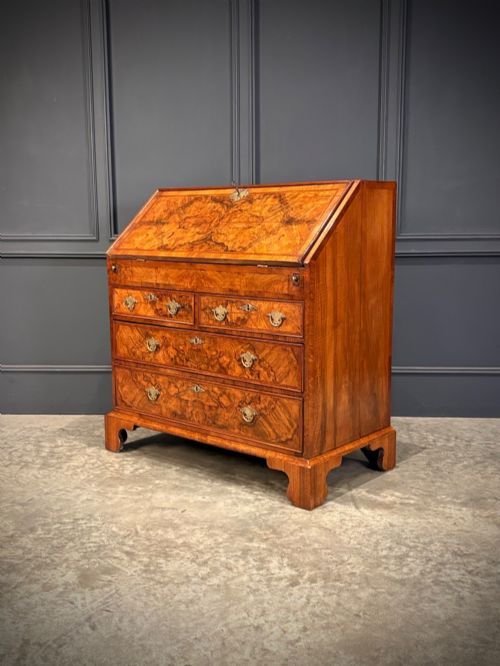
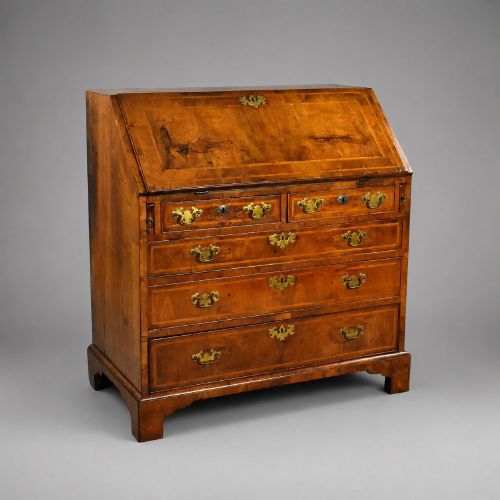
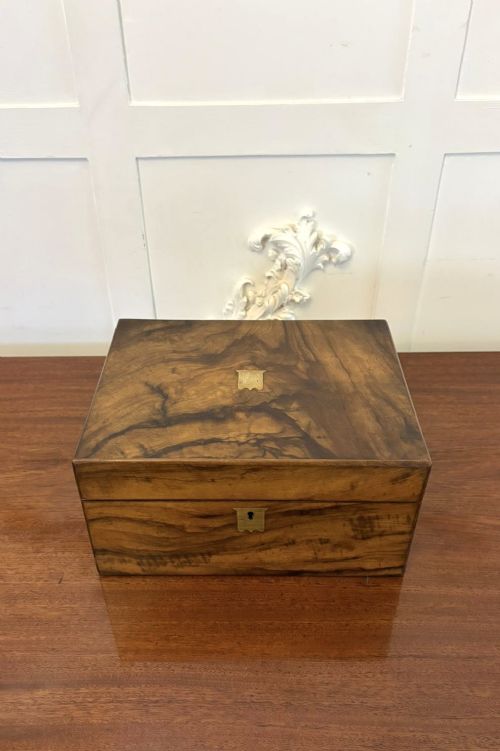
A figured walnut slope provides a compact writing surface, often taking the form of a portable lap desk or a freestanding bureau with storage compartments. Buyers searching for a figured walnut slope typically encounter Victorian portable boxes alongside Georgian and 18th-century bureaux.
The objects span multiple periods, ranging from 17th-century William and Mary pieces up to Edwardian and 20th-century reproductions. Victorian examples frequently feature brass binding and fitted interiors, whereas earlier iterations tend toward drop-front cabinetry.
Forming the core of these listings, writing slopes and bureaux combine practical stationery storage with decorative timber surfaces. The prevalence of Victorian and Georgian specimens shapes the selection available to collectors.
How they were made
Cabinet makers utilised figured and burr walnut veneers applied over solid secondary timbers like oak, creating rich patterns across the fall-fronts and box lids. These wooden surfaces received polished finishes to highlight the natural swirls and grain variations of the walnut.
Metalwork played a structural and decorative role, with brass corners, straps and bound edges protecting the vulnerable corners of portable writing boxes. Specialised locking mechanisms, including Bramah locks, secured the internal compartments and secret drawers.
Interiors incorporated leather writing surfaces alongside pigeonholes and hidden drawers, demanding precise carpentry in miniature. Secondary woods provided stable internal framing for the complex stationary fittings.
Figured Walnut Slope Retail Price Guide 2026
Typical asking prices for figured walnut slope among the pieces listed under this phrase on Sellingantiques today, from the lower quarter to the upper quarter. They describe what is for sale here now, not the wider market.
Several Victorian slopes include hidden secret drawers, designed to outsmart prying eyes.
What varies in quality
The visual impact of the timber grain dictates much of the distinction between pieces, with deeply figured or burr walnut veneers commanding greater presence. Symmetry in the book-matched veneer panels reflects the skill of the original cabinet maker.
Hardware integrity and the complexity of the interior fittings separate standard examples from finer works. The inclusion of working Bramah locks, intact secret drawers, and substantial brass binding elevates the construction standard.
The Figured Walnut Slope Glossary
- Figured walnut
- Timber exhibiting highly decorative, swirling grain patterns used for decorative veneer work on high-status furniture. It is selected specifically for its visual appeal.
- Writing slope
- A portable box with a slanted lid that opens to reveal a desk surface and stationery compartments. These boxes were designed for travel or desktop use.
- Bureau
- A desk featuring a sloping lid that drops down to form a writing surface above a set of drawers. They often incorporate numerous internal pigeonholes.
- Secret drawer
- A concealed compartment built into a desk or slope behind removable panels or false bottoms. These were used for storing valuables or sensitive documents.
- Bramah lock
- A high-security cylindrical lock patented in the late 18th century and frequently fitted to quality Victorian boxes. They required a specialised barrel key to operate.
Figured Walnut Slope: Frequently Asked Questions
What is a figured walnut slope?
A figured walnut slope is a compact writing desk or portable box finished with decorative walnut veneer. These pieces range from Victorian lap desks with brass bindings to larger Georgian bureaux.
Inside, they typically contain fitted compartments, leather writing surfaces, and secret drawers designed to hold stationery and valuables.
How do I use a writing slope?
Writing slopes open to reveal a slanted writing surface, often lined with leather, designed for comfortable letter writing. Portable versions sit on top of tables, while larger bureaux stand independently on legs or drawer units.
Internal compartments organise inkwells, pens, and paper, keeping writing materials contained when the box is shut.
How do I date a walnut slope?
Dating these pieces involves examining the construction methods, hardware, and overall cabinet style. Victorian examples often feature heavy brass corners and fitted interiors, while 18th-century pieces show different drawer linings and leg styles.
Locks and hinges also provide clues, as patented mechanisms like Bramah locks emerged around the late 18th century and remained popular through the Victorian era.
What is the difference between a slope and a bureau?
A slope is traditionally a portable box placed on a table or lap, featuring a single angled lid. A bureau is a larger, freestanding piece of furniture that includes a drop-front desk combined with functional drawers below.
Both serve the same primary purpose of providing an angled writing surface, but bureaux offer significantly more permanent storage space.