





Antique Lockable Jewellery Box
An antique lockable jewellery box gathers keepsakes within timber and brass, offering secure storage rooted in Victorian and Georgian craftsmanship.
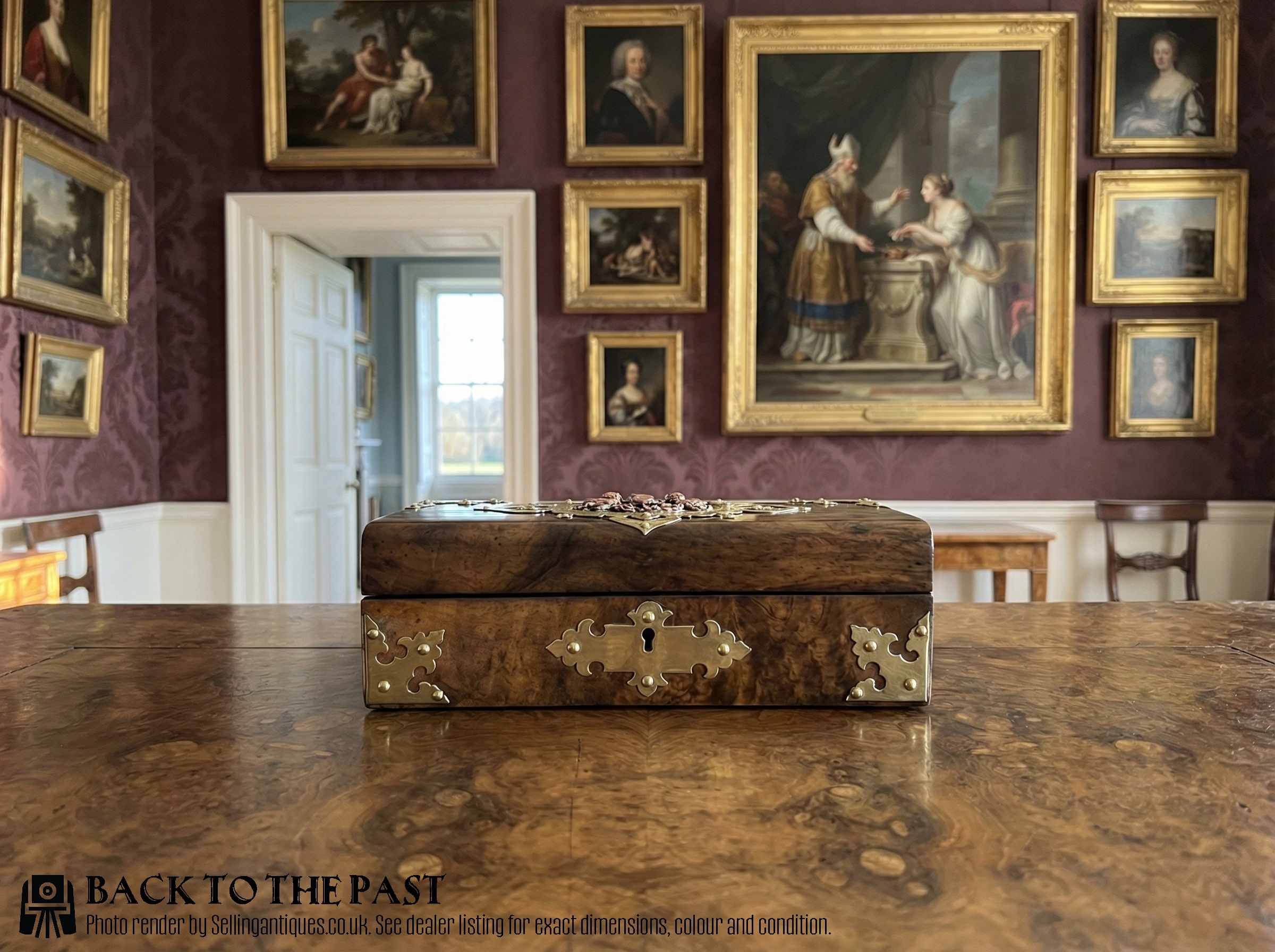
Antique Lockable Jewellery Box
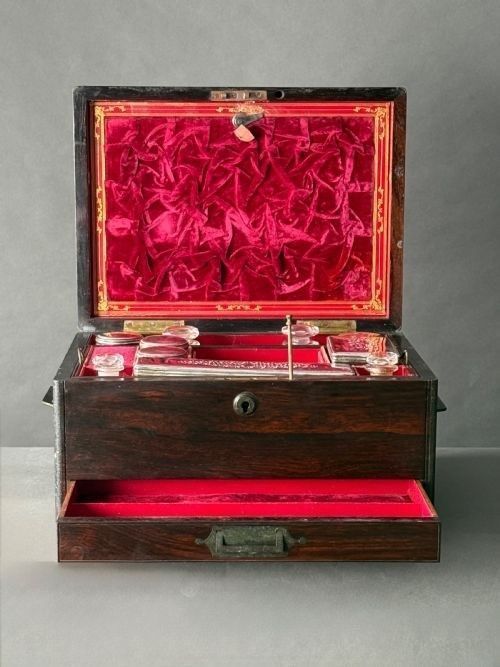
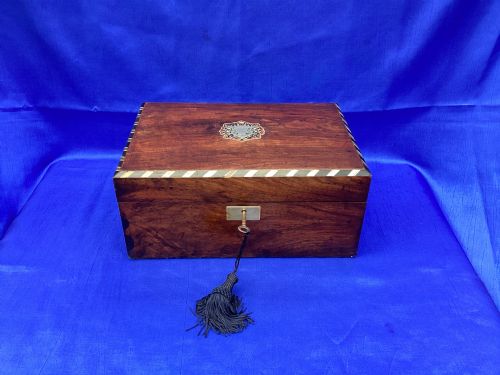
Every antique lockable jewellery box serves to safeguard personal trinkets behind a working key and hinged lid. The pieces appearing here span centuries from the Georgian and Regency eras through the Victorian period up to the 1920s.
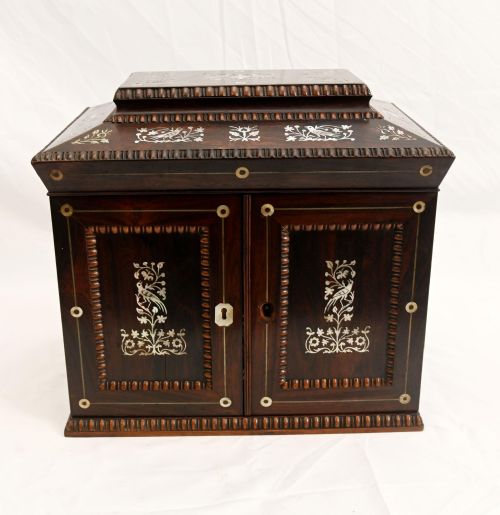
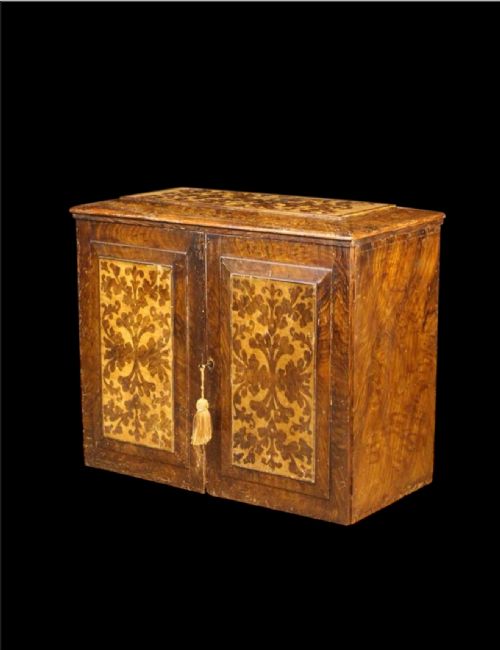
Most examples emerge in rosewood, mahogany, walnut, or burr walnut, taking forms that range from simple trinket keepsakes to fully fitted dressing cases. Collectors frequently encounter variations including collectors cabinets, tea caddies utilised for storage, and leather-bound caskets.
Origins stretch across English workshops, Italian grand tour Sorrento production, and French provincial design. Each piece reflects the domestic habits of past households, built to house rings, watches, and precious mementos on a dressing table.

Materials and Construction
Cabinet makers constructed these boxes using solid timbers and decorative veneers such as rosewood and burr walnut over secondary woods. Surfaces often received brass stringing, mother of pearl inlay, or leather bindings to elevate their visual weight.
Internal spaces relied on velvet linings, fitted trays, and mirrors to organise small items safely. Functional hardware, including brass locks and hinges, secured the contents while adding structural contrast to the polished timber exteriors.
Antique Lockable Jewellery Box Retail Price Guide 2026
Typical asking prices for lockable jewellery box among the pieces listed under this phrase on Sellingantiques today, from the lower quarter to the upper quarter. They describe what is for sale here now, not the wider market.
Secret drawers hidden beneath false bottoms gave owners a private place to stash love letters away from prying eyes.
Distinctions in Execution
Quality rests upon the precision of the cabinet work, from the tight fit of inlaid brass to the seamless integration of mother of pearl panels. Superior examples exhibit deliberate selection of wood grain, particularly in burr walnut and rosewood veneers.
Internal fittings dictate the grade of a piece, separating basic storage boxes from fully equipped dressing cases with original velvet interiors and working locks. The complexity of the joinery and the survival of the key mark the upper tier of the range.
The Antique Lockable Jewellery Box Glossary
- Burr walnut
- Timber harvested from the warted excrescences of walnut trees, prized for its swirling, highly figured grain patterns. Cabinet makers selected these veneers for high-status boxes.
- Sorrento marquetry
- Wood inlay technique originating from the Italian town of Sorrento, depicting architectural or pictorial motifs using varied timber veneers. These appear on mid-nineteenth-century tour pieces.
- Writing slope
- A portable desk designed with an angled writing surface that opens to reveal compartments for stationery and ink, often sharing mechanisms with jewellery chests.
- Tea caddy
- A container built to store loose tea leaves, frequently adapted over time to function as a trinket or jewellery box due to similar compartment layouts.
- Brass stringing
- Fine inlay work using thin strips of brass inserted into channels cut into the wood surface. Regency and Victorian makers utilised this technique to outline box lids.
Antique Lockable Jewellery Box: Frequently Asked Questions
How do I secure my box?
Many antique lockable jewellery box examples retain their original functional locks and keys, operating with a quarter-turn mechanism.
For pieces missing a key, a local locksmith can often cut a replacement to fit the existing lever lock without altering the interior.
Can I store modern rings inside?
The velvet trays and compartments scale well for contemporary rings, earrings, and small necklaces.
Take care with older velvet linings, which may grow fragile after a century of use and benefit from gentle handling.
How do I date a box?
Dating relies on timber choices, such as Regency rosewood with cut brass inlay or Victorian burr walnut with fitted mirrors.
Hardware styles, construction methods, and secondary woods offer further clues to narrow down the decade of manufacture.
Where should I place it?
These boxes suit dressing tables, desk tops, and cabinet shelves where their polished timber and inlay catch the light.
Keep them away from direct sunlight and radiators to prevent the wood veneers from drying out or cracking.