
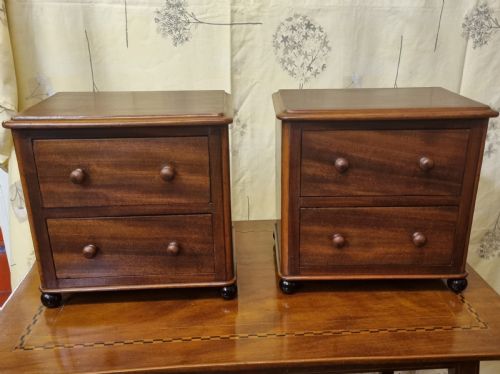
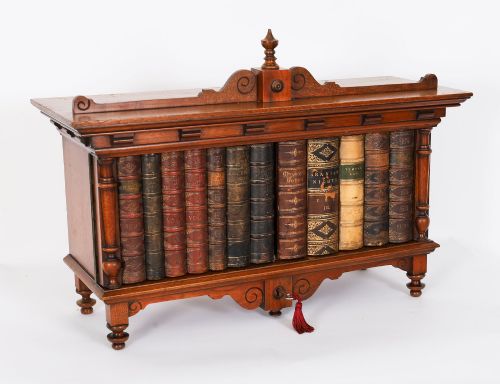
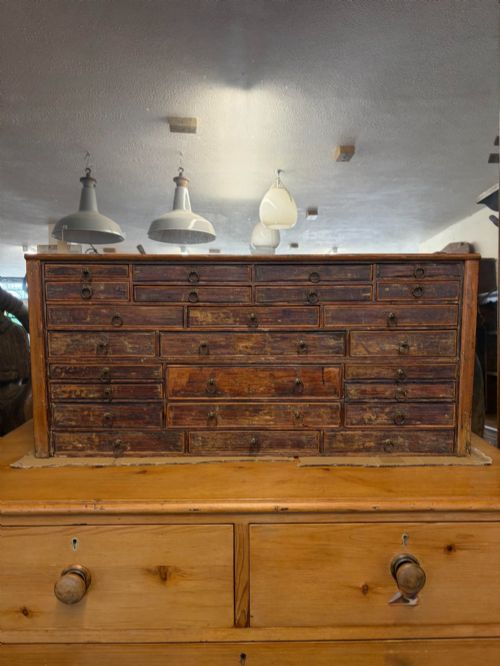
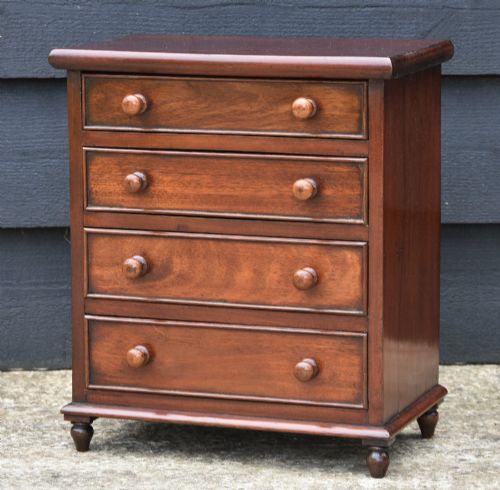
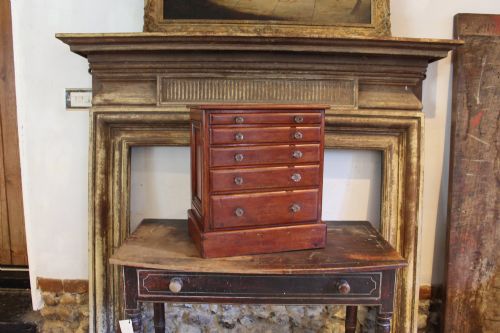
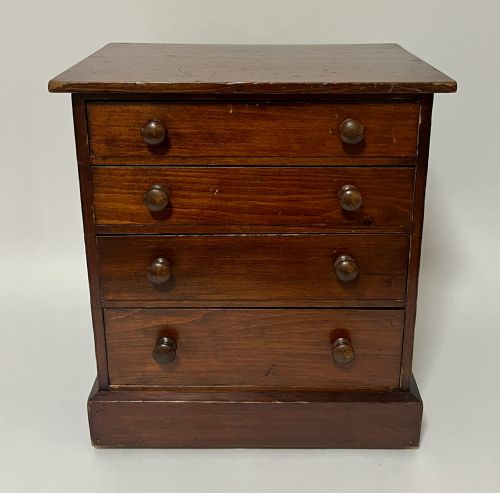
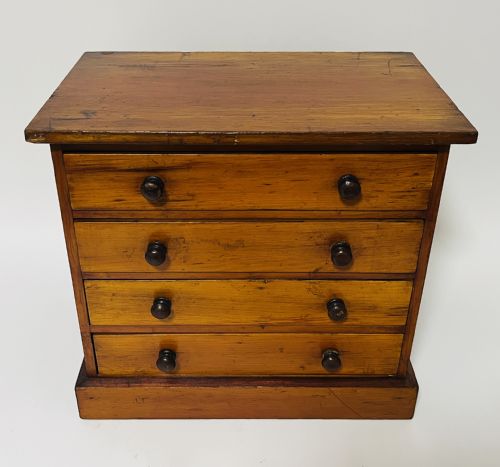
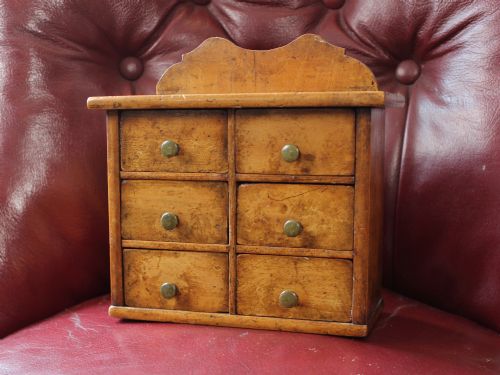
Victorian Tabletop Cabinet
A Victorian tabletop cabinet offers a neat way to store small treasures on a desk or chest.

What a Victorian tabletop cabinet is
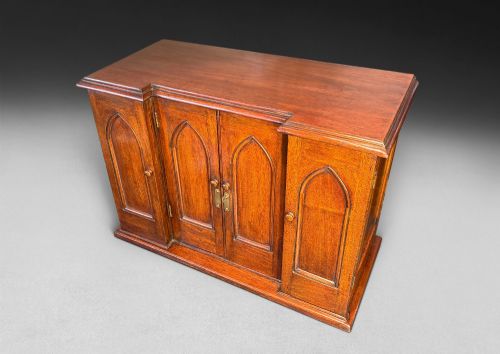
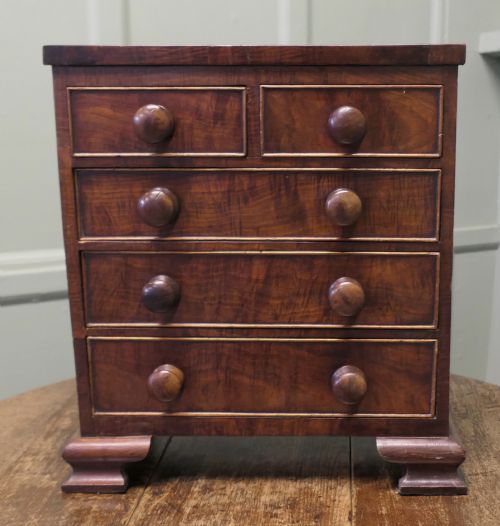
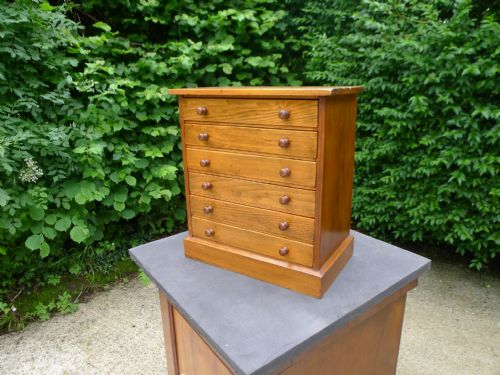
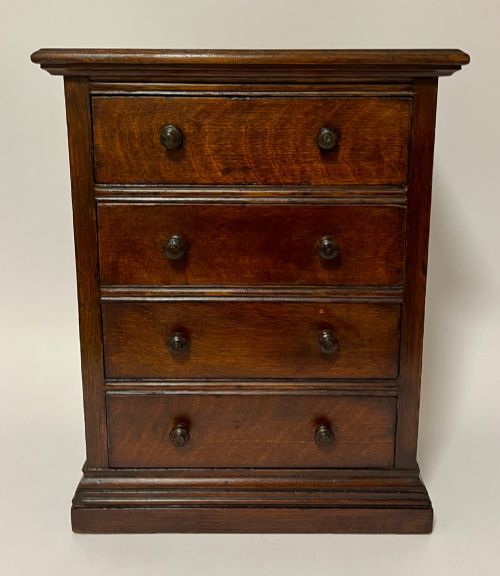
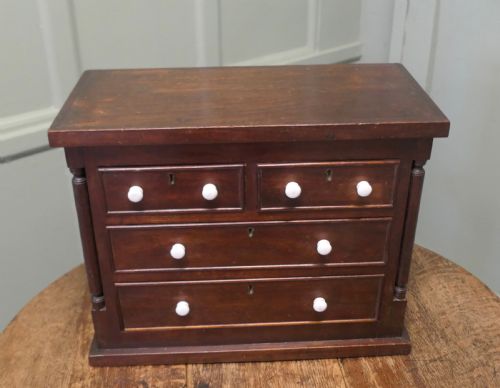
When you search for a Victorian tabletop cabinet, you are looking at compact pieces built to sit on furniture rather than stand on the floor. These items appear across the nineteenth century, including specific dates such as 1860, 1880, and around 1840.
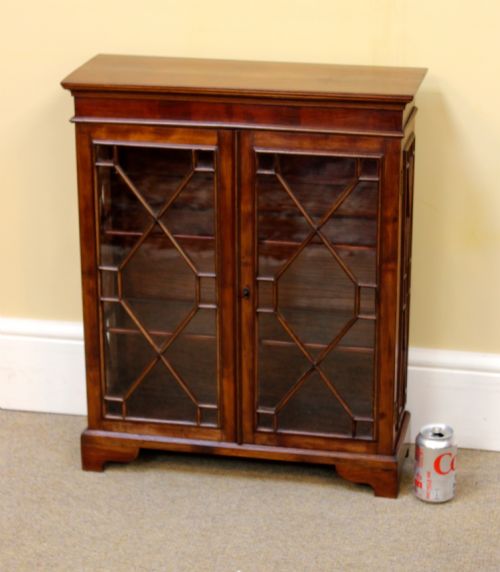
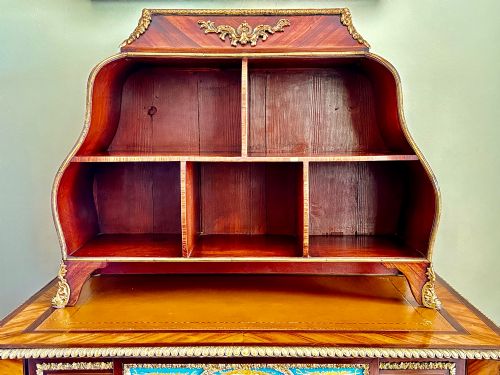
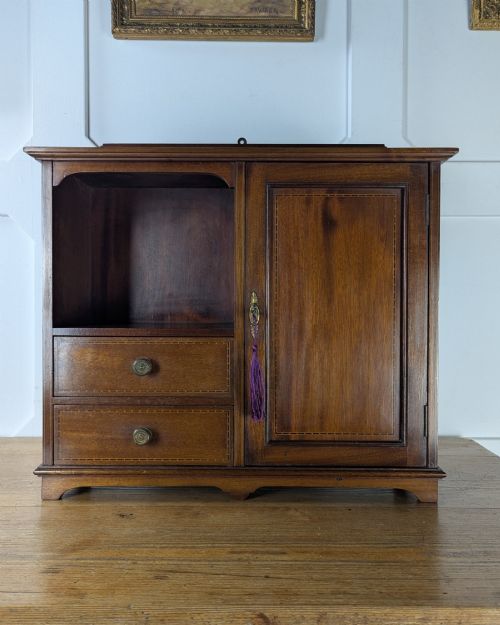
The versions you are most likely to meet on this page take forms such as jewellery cabinets, display cabinets, and collectors cabinets. They arrive in styles spanning the Victorian era and Victorian Dutch designs.
Makers shaped these small chests to hold trinkets, natural specimens, or personal valuables in domestic and study settings. Their origins connect directly to nineteenth-century cabinet makers working in wood and glass.
How they were made
Carpenters constructed these pieces using woods such as mahogany, walnut, burr walnut, and oak. They frequently incorporated brass fittings for handles, hinges, and locks.
Glazing provided visibility for display items, while leather often lined interior surfaces or drawers. Some examples also utilised papier mache techniques, decorated with subjects like dogs around 1860.
Retail Price Guide 2026
Typical UK retail prices for victorian tabletop cabinet, calculated from the Sellingantiques database of over a million retail prices indexed since 2003. This retail price guide relies exclusively on Sellingantiques data; no external sources or auction records are used, so the figures do not describe the wider market.
What varies in quality
The distinction between standard examples and the finest pieces rests in the selection of timbers like burr walnut and the precision of the joinery. Cabinet makers who invested care in campaign-style brass work or intricate drawer divisions achieved a higher grade of manufacture.
Surface finish and the preservation of original glass and leather linings separate everyday containers from superior collector pieces. The presence of specialised internal fittings dictates how well a piece fulfilled its original purpose.
The Victorian Tabletop Cabinet Glossary
- Collectors cabinet
- A piece featuring multiple shallow drawers designed to hold specimens, coins, or small objects. These internal banks of drawers often use mahogany.
- Table cabinet
- A portable small-scale case built to rest on a table or desk. They provide secure storage without taking up floor space.
- Burr walnut
- A highly figured wood veneer harvested from tree growths, prized for its swirling grain patterns. Cabinet makers applied it to the outer faces of high-end Victorian pieces.
- Campaign style
- A design approach incorporating flush brass handles and reinforced corners for portability. This method nods to military travel equipment.
Frequently Asked Questions
What did people store in a tabletop cabinet?
Owners kept personal jewellery, small valuables, and precious trinkets inside these compartments.
Collectors also utilised the shallow drawers for natural history specimens and coins.
Where should I place a tabletop cabinet?
These pieces sit securely on desks, chests of drawers, or sturdy side tables where their details remain visible.
Keep them away from direct sunlight and strong heat sources to protect the wood and leather.
How do I identify a Victorian piece?
Look for timber choices like mahogany and walnut paired with period brass hardware.
Construction methods and drawer linings typically reflect nineteenth-century workshop practices.
Are these cabinets heavy to move?
Most tabletop cabinets remain portable enough to lift between rooms by one person.
Heavier examples feature fitted campaign handles to assist with shifting their position.