



Walnut Collectors Cabinet
A walnut collectors cabinet offers small, secure drawers designed to hold specimens, coins, and curios safely.

Walnut Collectors Cabinet
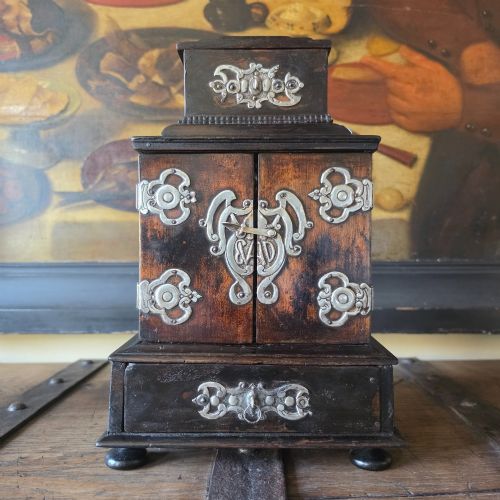
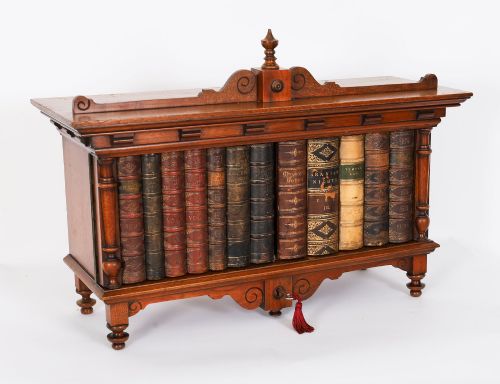
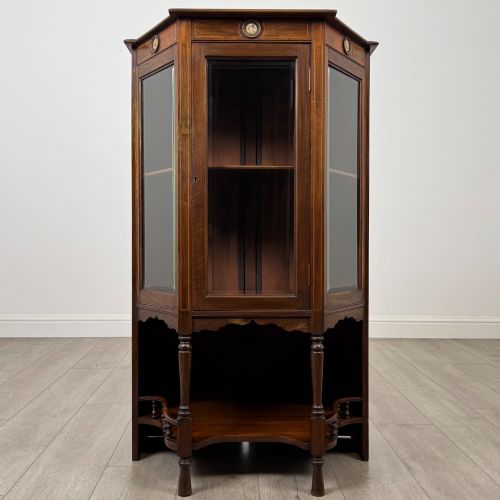
A walnut collectors cabinet brings together fine cabinet-making and the preservation of small, valued objects. These pieces range from compact table chests to large multi-drawer floor cabinets designed for natural history specimens, coins, and jewellery.
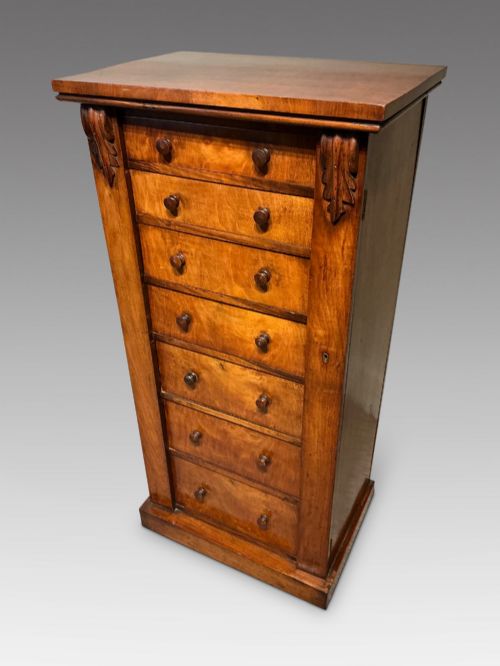
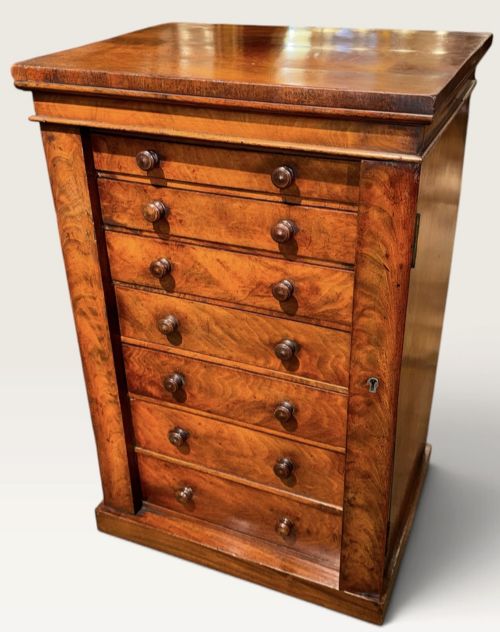
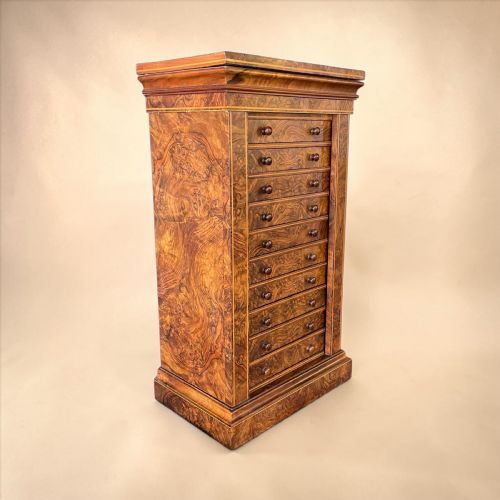
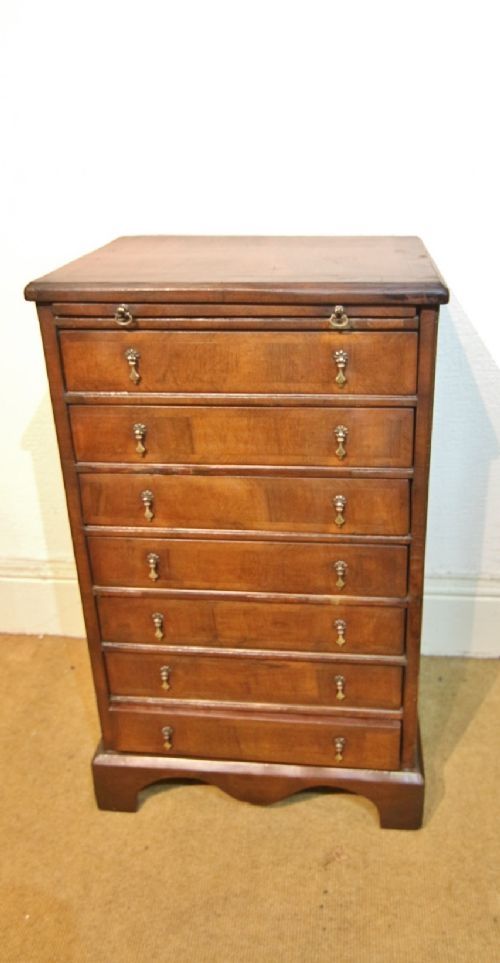
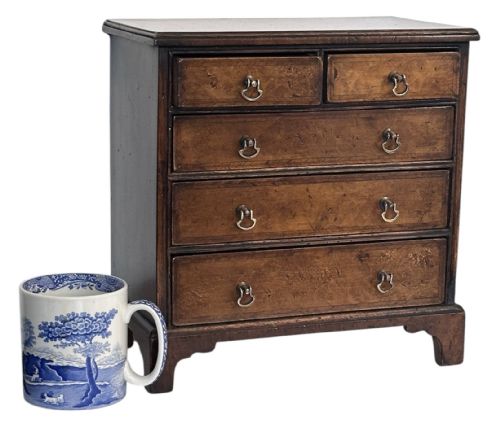
The versions most commonly met on this page include Victorian burr walnut tabletop chests, tall Wellington chests adapted for specimen storage, and multi-drawer cabinets originating from late nineteenth and early twentieth-century makers.
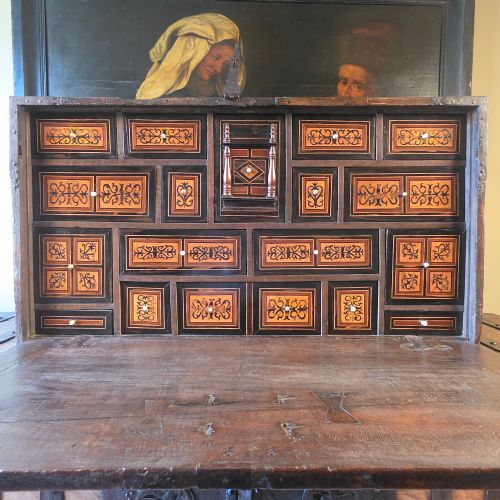
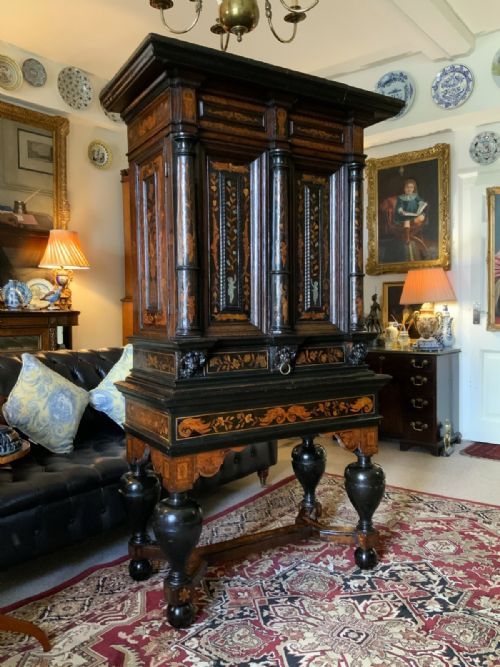
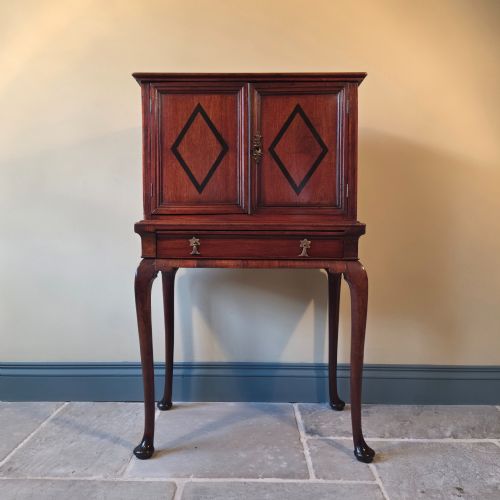
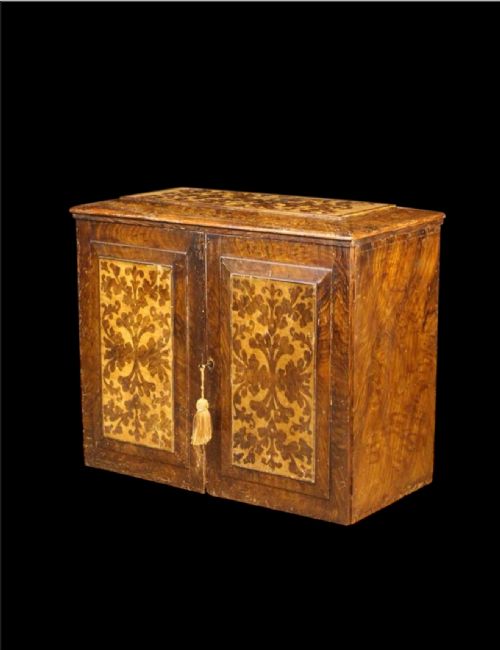
Earlier examples span from seventeenth-century Dutch and continental cabinets on stands to eighteenth-century designs featuring oyster veneers and intricate marquetry. These forms reflect centuries of demand for secure, organised storage of fragile and precious items.
How They Were Made
The construction relies on solid timbers like oak, deal, or mahogany as a structural carcase, overlaid with carefully selected walnut veneers and figured burr walnut to create striking exterior patterns. Internal drawer construction frequently utilises secondary woods such as satin walnut, cedar, or fruitwood.
Surface decoration incorporates marquetry, pewter inlay, and oyster veneering, where branches are sliced across the grain to form concentric circular motifs. Brass handles, locking mechanisms, and glazed doors provide both functional security and aesthetic contrast.
Walnut Collectors Cabinet Retail Price Guide 2026
Typical asking prices for walnut collectors cabinet among the pieces listed under this phrase on Sellingantiques today, from the lower quarter to the upper quarter. They describe what is for sale here now, not the wider market.
Listings feature walnut collectors cabinets spanning from the seventeenth century through the Edwardian period, utilising solid walnut, burr walnut, and satin walnut.
What Varies in Quality
The distinction between standard utility storage and exceptional pieces lies primarily in the selection of the wood veneers, such as richly figured burr walnut or symmetrical oyster cuts. Greater care in matching these grains across multiple drawers elevates the visual impact.
Internal engineering also dictates quality, seen in the smooth operation of graduated cedar-lined drawers, robust locking stile mechanisms on Wellington chests, and specialist compartment layouts designed for entomological pins or coin trays.
Whytock & Reid of Edinburgh·Watkins & Doncaster
The Walnut Collectors Cabinet Glossary
- Oyster veneer
- Slices cut transversely from small branches to produce circular or oval patterns resembling oyster shells. This technique gained prominence during the seventeenth century.
- Wellington chest
- A tall, narrow chest of drawers secured by a locking hinged side flap that fastens over the drawer edges. It became popular during the Victorian period.
- Marquetry
- The art of applying decorative pieces of veneer to a structural structure to form pictorial or geometric designs. It often incorporates exotic woods and metal inlays.
- Specimen cabinet
- A specialised piece of furniture featuring numerous shallow drawers built to house natural history items like insects, eggs, or minerals. These often bear maker stamps from firms such as Watkins & Doncaster.
- Table cabinet
- A compact, portable chest designed to sit upon a desk or table, frequently fitted with carrying handles and multiple small drawers for jewellery or coins.
Walnut Collectors Cabinet: Frequently Asked Questions
What were walnut collectors cabinets originally used for?
These cabinets served to store and protect delicate items such as butterfly specimens, bird eggs, coins, and mineral samples. Collectors needed dust-proof, organised drawers to maintain fragile scientific and historical objects.
Over time, similar multi-drawer chests found use for jewellery, dental equipment, and personal trinkets, adapting the internal configurations to suit smaller domestic valuables.
How do I identify a Victorian walnut cabinet?
Victorian examples frequently display richly figured burr walnut veneers, heavier proportions, and functional locking mechanisms like the side stile found on Wellington chests. Brass drop handles and escutcheons are also characteristic of this era.
Later Victorian and Edwardian pieces often incorporate numerous shallow interior drawers intended for specific natural history collections, frequently utilising satin walnut internally.
What is a cabinet on stand?
A cabinet on stand consists of a self-contained tabletop chest raised upon a separate supporting frame with legs, often joined by stretchers. This form dates back to the seventeenth and eighteenth centuries, providing elevated access to the drawers.
Early versions from the Baroque and William and Mary periods emphasise elaborate stands featuring turned legs and intricate marquetry or oyster veneer decoration.
How should I care for a walnut surface?
Walnut timber and delicate veneers benefit from stable indoor humidity away from direct sunlight and heat sources, which can cause wood to split or warp. Regular dusting with a soft, dry cloth preserves the polished finish.
Avoid using silicone-based polishes or harsh chemical cleaners, as these can penetrate old finishes and degrade the historic surface sheen over time.