
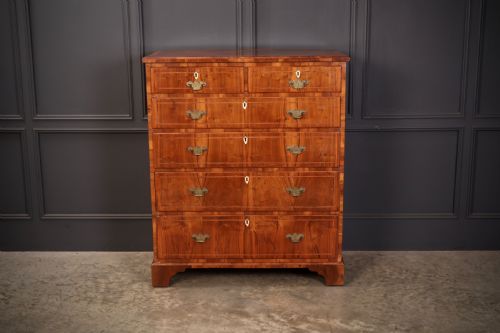


Walnut Drawer Unit
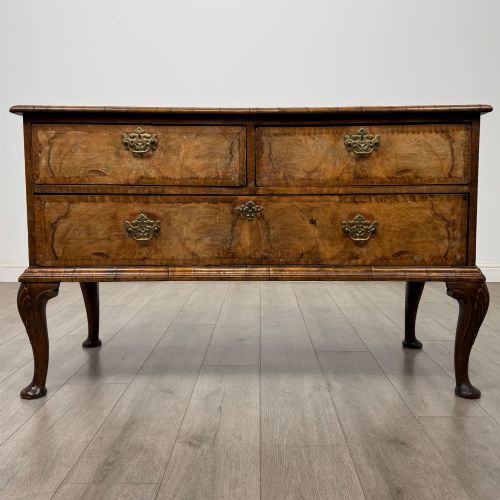
These walnut drawer units bring figured timber and practical storage into a room, spanning periods from the seventeenth century through to the twentieth.
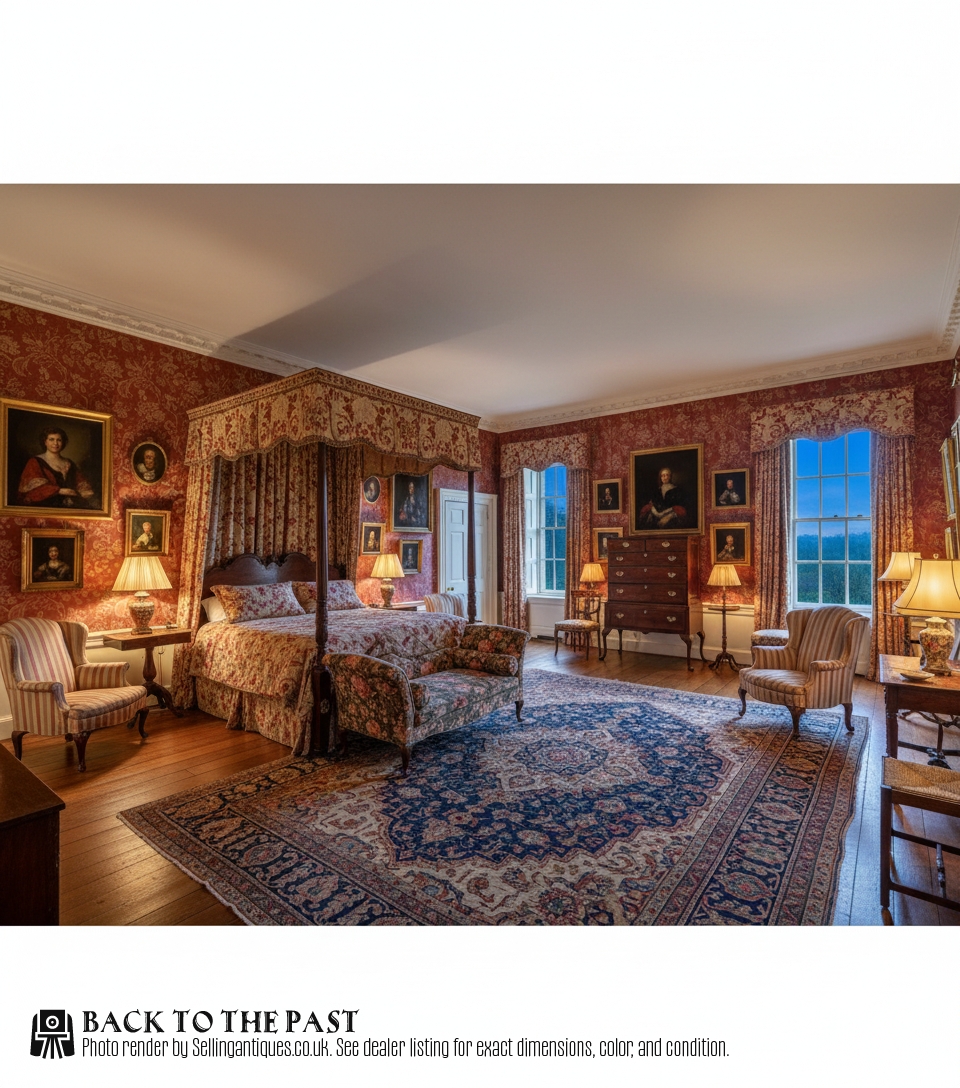
Walnut Drawer Unit
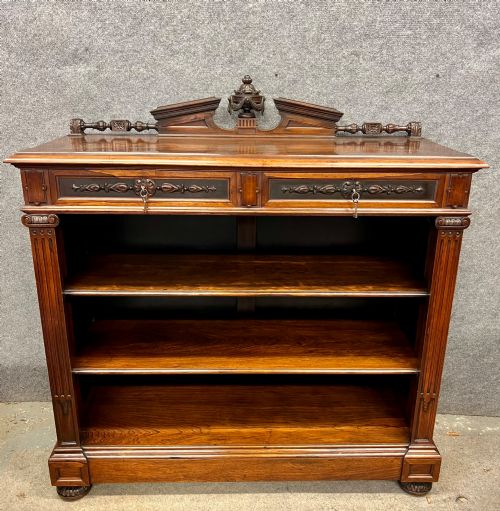
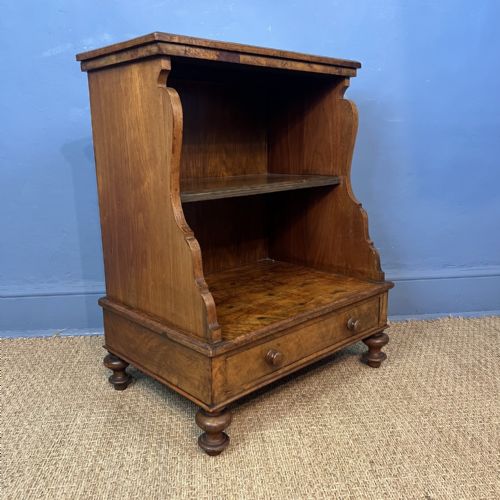
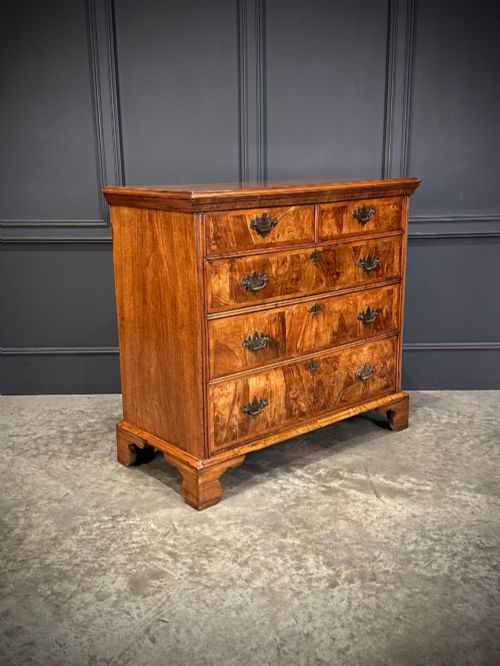
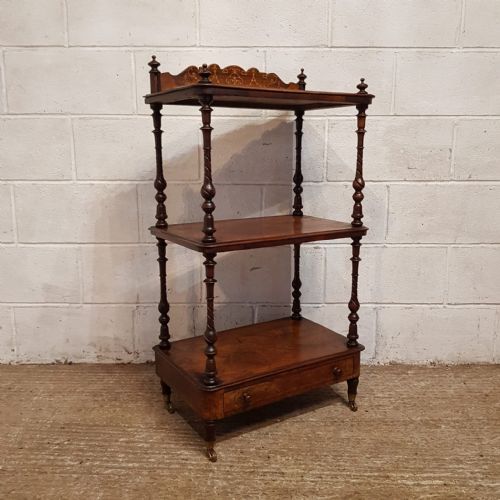
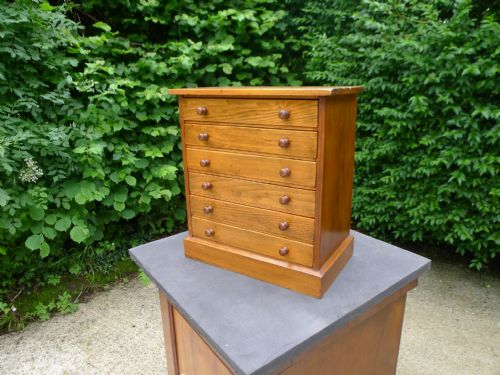
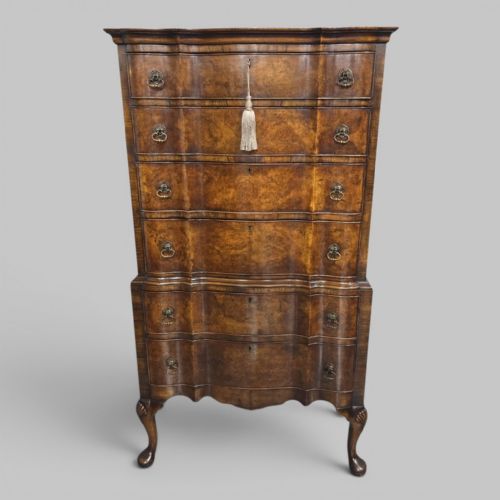
A walnut drawer unit encompasses forms such as chests of drawers, collector cabinets, dressing tables, and bookcases with integrated drawers. These pieces appear across periods including the Georgian and Victorian eras, as well as later twentieth-century revivals.
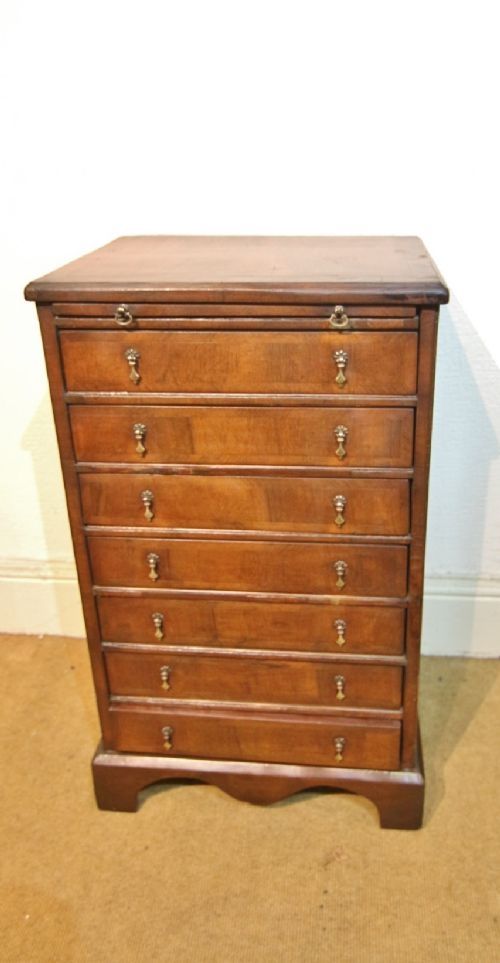
Buyers seeking this phrase frequently encounter traditional chests of drawers alongside smaller table cabinets, shop chests, and narrow filing units. The selection ranges from early seventeenth-century William and Mary examples to Edwardian and later interpretations.
Construction formats vary from simple low chests to elaborate pieces on stands, incorporating secondary timbers like oak alongside the primary walnut surfaces.
Distinctions in Quality
The standard of a walnut drawer unit rests upon the choice of veneer, particularly where burr or figured walnut displays complex grain symmetry across drawer fronts and top panels. Cabinet makers who carefully matched these veneers achieved a cohesive visual harmony that elevates the piece.
Structural integrity and secondary wood selection also define the tier of craftsmanship, where tight drawer tolerances and traditional joinery separate standard utility items from finer bespoke furniture.
Walnut Drawer Unit Retail Price Guide 2026
Typical asking prices for walnut drawer unit among the pieces listed under this phrase on Sellingantiques today, from the lower quarter to the upper quarter. They describe what is for sale here now, not the wider market.
One solid walnut shop cabinet carries a later sign written specifically for use in a fishing supplies shop.
The Walnut Drawer Unit Glossary
- Burr Walnut
- A timber harvested from the abnormal growth or burl of a walnut tree, yielding highly swirled and mottled grain patterns. Cabinet makers prized this material for decorative veneer panels on high-status furniture.
- Chests of Drawers
- A primary item of case furniture designed with horizontal storage drawers stacked vertically. These units frequently feature graduated drawer depths and bracket or plinth feet.
- Dressing Table
- A low table fitted with drawers and a mirror, used for personal grooming. Examples in walnut often incorporate swing mirrors and smaller accessory compartments.
- Collector Cabinet
- A specialist small-scale drawer unit built to house items such as coins, shells, or specimens. They often contain multiple shallow drawers behind a secure locking door.
- Wellington Chest
- A tall, narrow chest of drawers secured by a hinged locking side bar that fastens over the drawer edges. This specific vertical format originated in the nineteenth century for efficient document storage.
Walnut Drawer Unit: Frequently Asked Questions
How do I date a walnut chest?
Dating relies on examining construction methods, timber thickness, and hardware styles alongside the overarching design period, such as Georgian or Victorian.
Secondary woods like oak inside drawer linings and the presence of hand-cut dovetails offer further clues to the decade of manufacture.
What is burr walnut?
Burr walnut comes from a tree growth deformity that creates intricate, swirling grain patterns rather than straight lines.
Cabinet makers sliced this wood into thin veneers to adorn the prominent surfaces of high-end drawer units.
Are these units suitable for modern bedrooms?
These pieces provide substantial storage capacity while introducing rich timber tones and historic character to contemporary interiors.
Their varied proportions mean smaller bedside cabinets or narrow tall chests fit easily into restricted floor plans.
How should I care for walnut furniture?
Maintenance requires keeping timber away from direct heat sources and strong sunlight to prevent the veneer from drying or fading.
Regular dusting with a dry cloth and occasional application of traditional wax helps preserve the polished finish.