


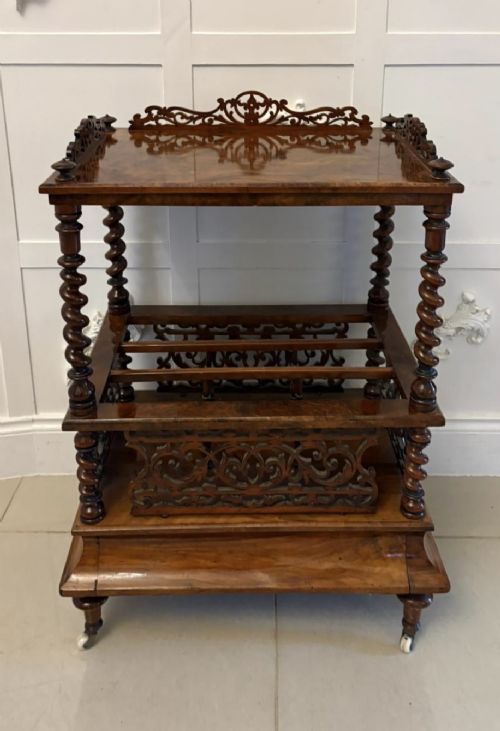
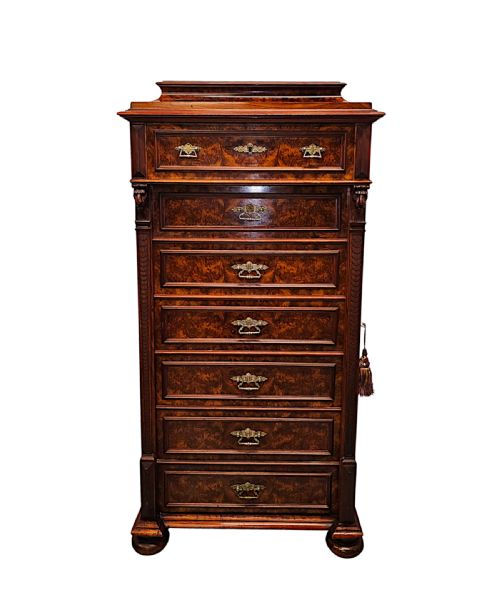
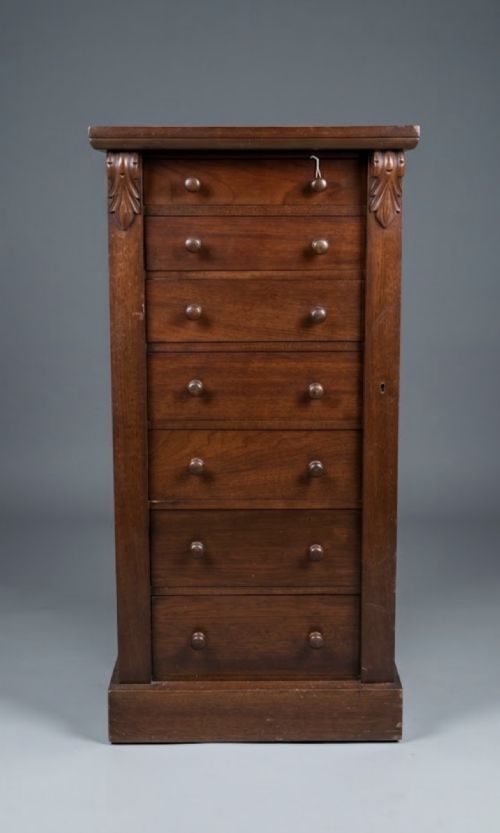
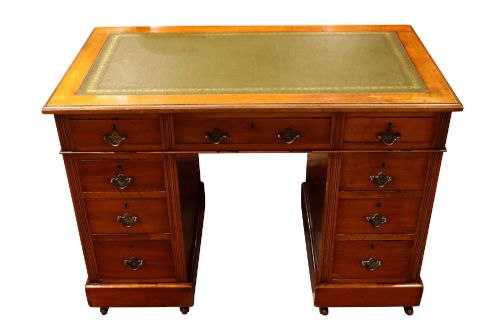
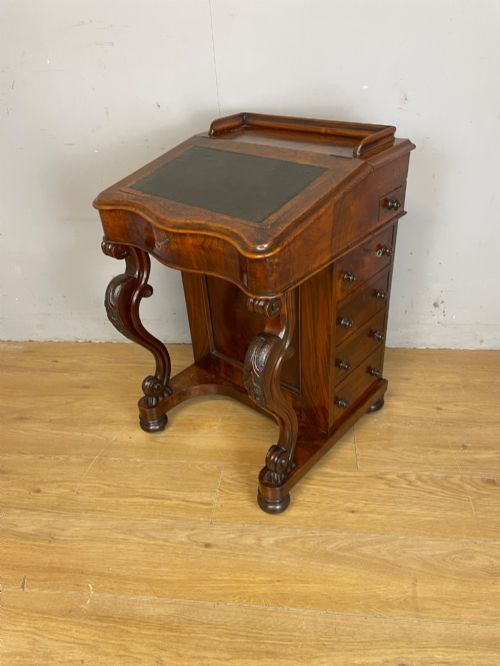
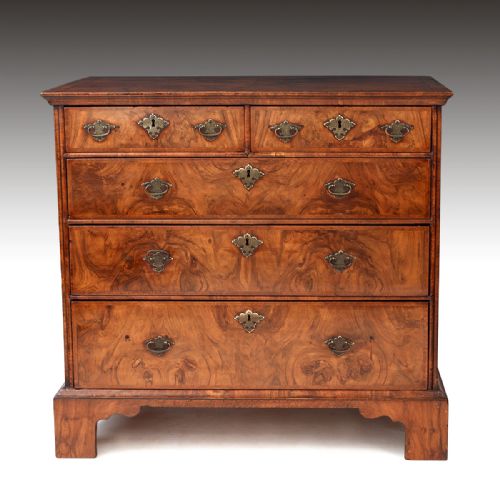
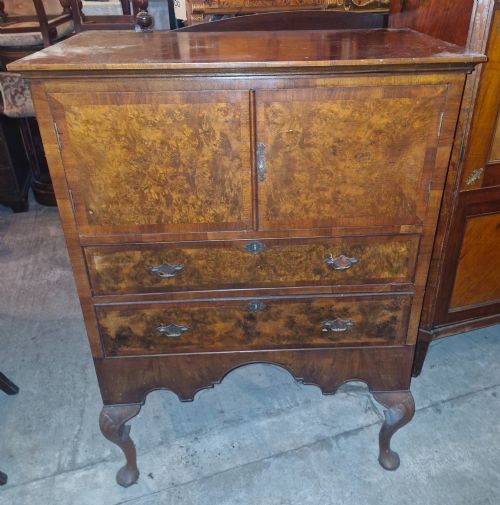
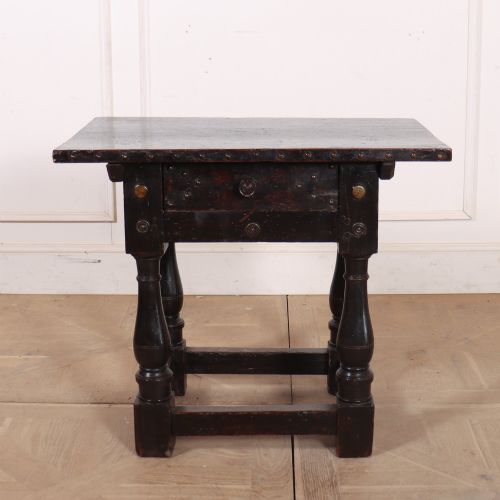
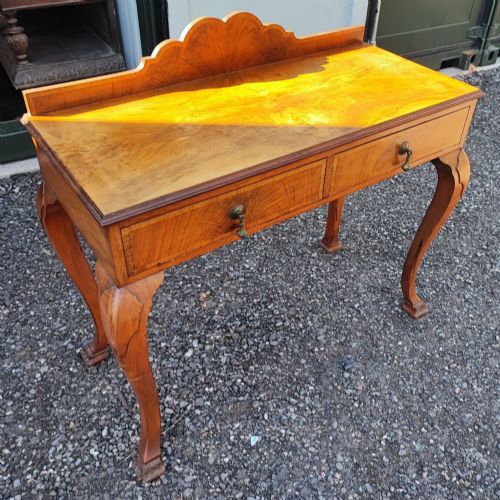
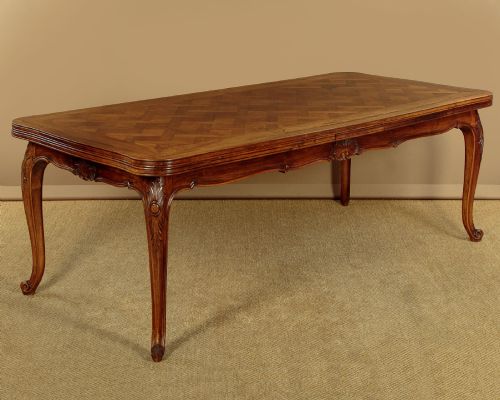
Carved Walnut Drawers
These carved walnut drawers bring rich timber grain and period presence to a room, offering both character and storage.
What these pieces are
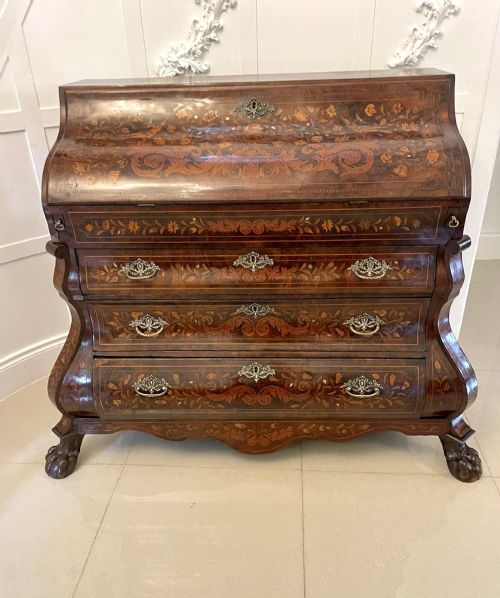
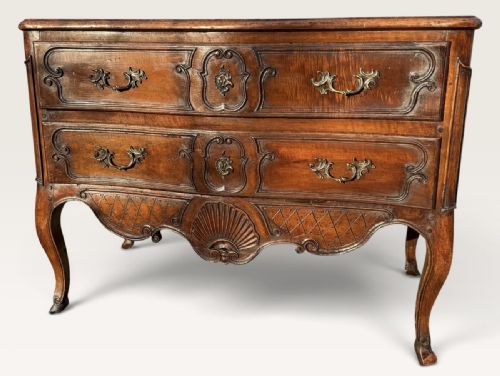
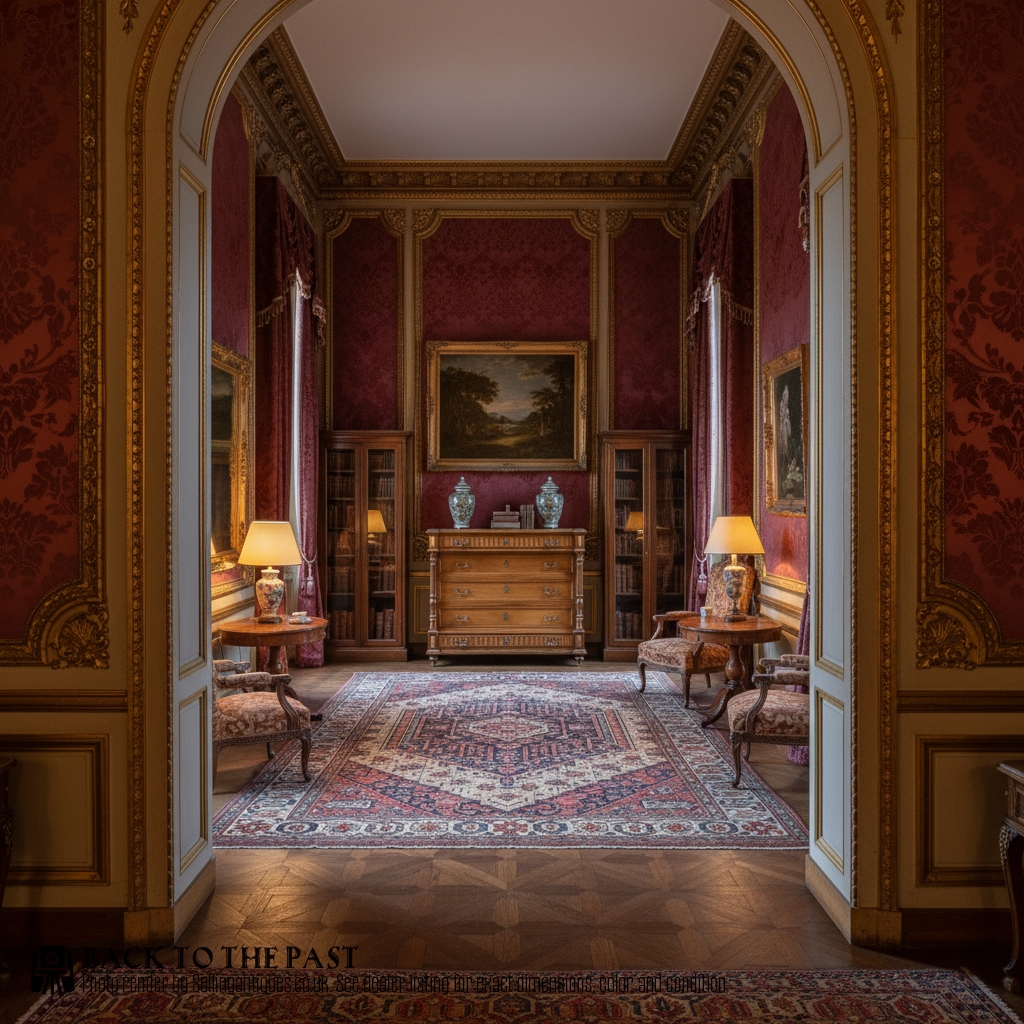
When you search for carved walnut drawers, you encounter substantial chests of drawers, tallboys and commodes built from dense, figured wood. These pieces span the eighteenth century, the Victorian era and the Edwardian period, ranging from English workshop designs to French provincial styles.
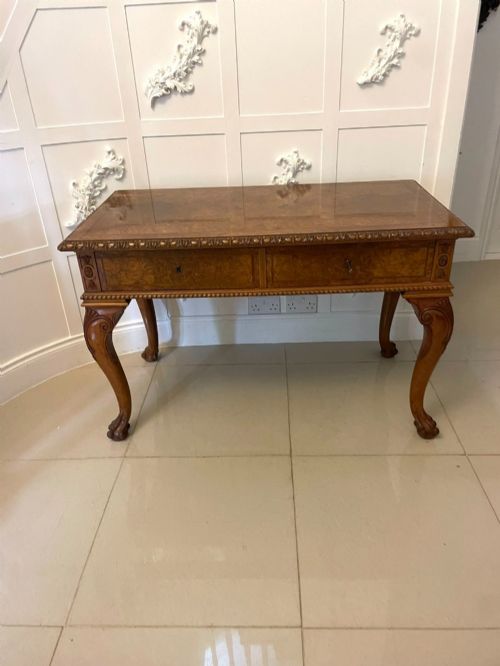
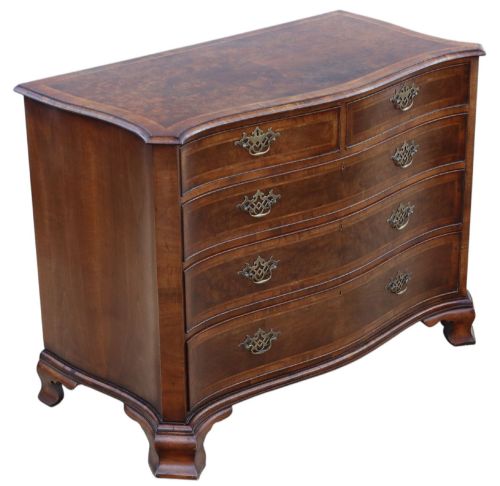
You meet both solid timber and burr walnut veneer surfaces, often accompanied by brass or metal hardware. The forms include serpentine commodes, marble top examples and large gentleman's tallboys.
Victorian and eighteenth-century examples dominate the selection, showing carved detailing that defines the aesthetic of each period.
How they were made
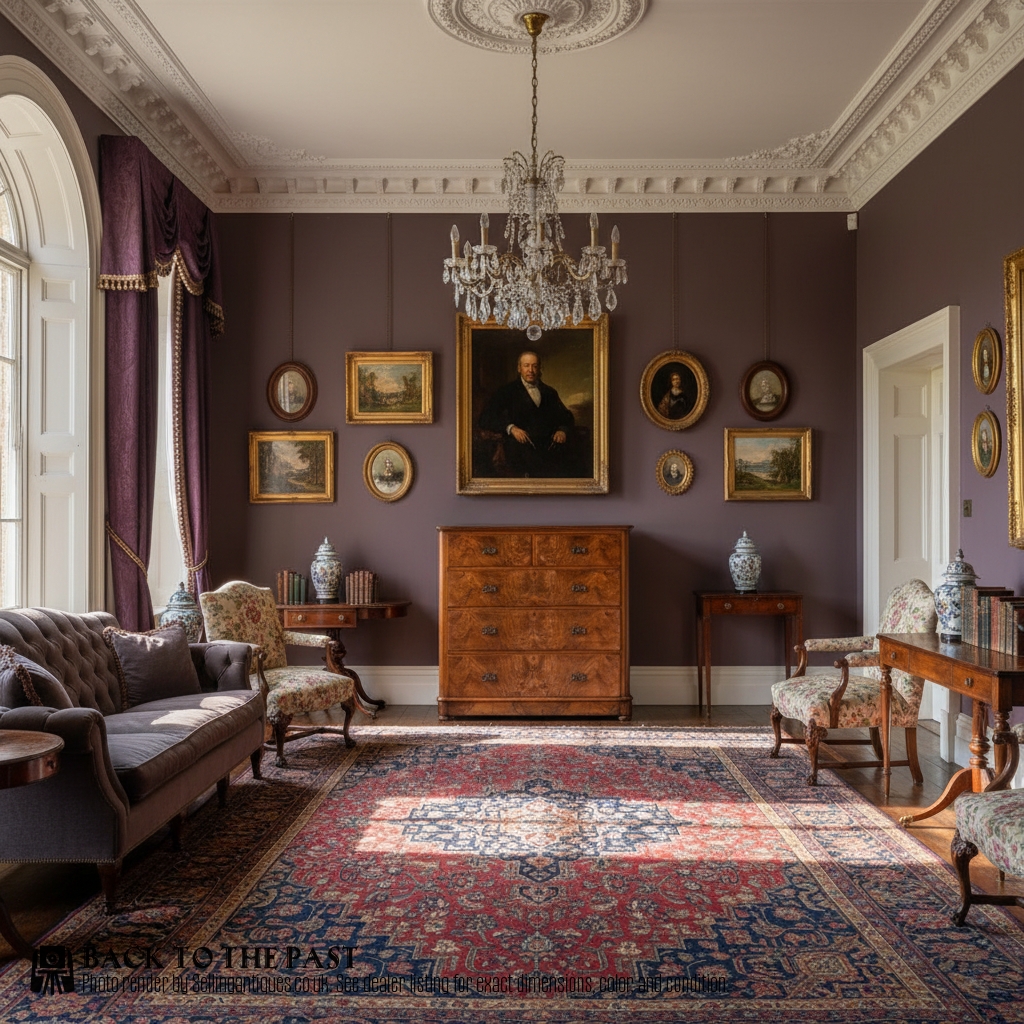
Cabinet makers utilised walnut and burr walnut veneer over secondary timbers, shaping the wood into robust chest of drawers forms. Surface enrichment relied on hand carving directly into the timber or applying figured burr veneers to drawer fronts.
Hardware such as brass and metal handles, escutcheons and pulls were fitted to secure and operate the drawers. French and English makers applied distinct regional styles, from neoclassical lines to rococo curves and provincial framing.
Retail Price Guide 2026
Typical UK retail prices for carved walnut drawers, calculated from the Sellingantiques database of over a million retail prices indexed since 2003. This retail price guide relies exclusively on Sellingantiques data; no external sources or auction records are used, so the figures do not describe the wider market.
Early cabinet makers occasionally hid secret compartments inside tallboys for stashing love letters and coin purses.
What varies in quality
The standard of a carved walnut chest of drawers rests upon the choice of timber and the depth of the carving. Finely figured burr walnut veneer and crisp, hand-chiselled ornamentation separate superior pieces from simpler utilitarian storage.
Construction integrity, including the dovetailing of drawers and the preservation of original brass hardware, dictates the lasting merit of the furniture. Eighteenth-century commodes and formal Victorian tallboys often display more ambitious joinery and sophisticated proportion than standard production items.
WC Burt
The Carved Walnut Drawers Glossary
- Burr walnut
- A wood harvested from the wart-like growths on walnut trees, yielding complex swirling grain patterns. Cabinet makers prized this timber for high-status veneer work.
- Commode
- A low French chest of drawers standing on legs, popular in eighteenth-century and revival interiors. These pieces frequently feature serpentine fronts and marble tops.
- Tallboy
- A tall chest of drawers, often comprising a smaller chest stacked atop a larger base. The gentleman's tallboy variant typically includes hanging space or specialised internal compartments.
- Serpentine
- A furniture front curving inward centrally and outward at the sides in an undulating line. This contour requires precise woodworking skill.
- Dovetail
- A joint formed by interlocking wedge-shaped fingers, used to join drawer sides to drawer fronts. Hand-cut dovetails indicate traditional period craftsmanship.
Frequently Asked Questions
What is a carved walnut chest of drawers?
A carved walnut chest of drawers is a storage unit built from walnut timber featuring decorative hand-carved elements. These pieces range from eighteenth-century commodes to Victorian tallboys.
They serve as functional bedroom or living room furniture while adding traditional texture and warm wood tones to an interior.
How do I date a walnut chest of drawers?
Dating relies on observing construction methods, hardware styles, and overall design motifs. Eighteenth-century pieces often show serpentine profiles and commode proportions, whereas Victorian examples tend to be heavier and more upright.
Makers' marks, timber selection, and dovetail construction further help narrow down the period of manufacture.
Where should I place a tallboy in my home?
A tallboy suits bedrooms, dressing rooms, or spacious hallways where vertical storage is required without occupying excessive floor area. Because these pieces have significant height and visual weight, they anchor a room effectively.
Keep them away from direct heat sources and strong sunlight to protect the walnut timber and any burr veneers.
What is the difference between solid walnut and burr walnut?
Solid walnut uses regular timber planking milled directly from the trunk of the tree. Burr walnut utilises sliced veneer from tree growths, creating intricate, swirling patterns.
Veneered surfaces were applied over stable secondary woods to showcase dramatic grain formations on drawer fronts and top surfaces.