


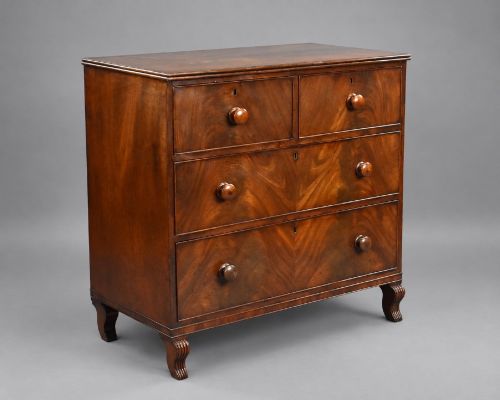
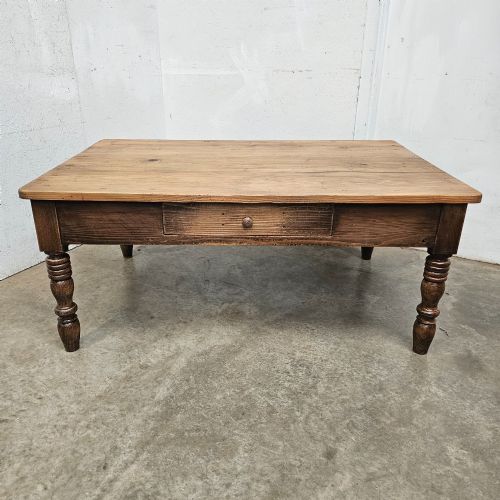
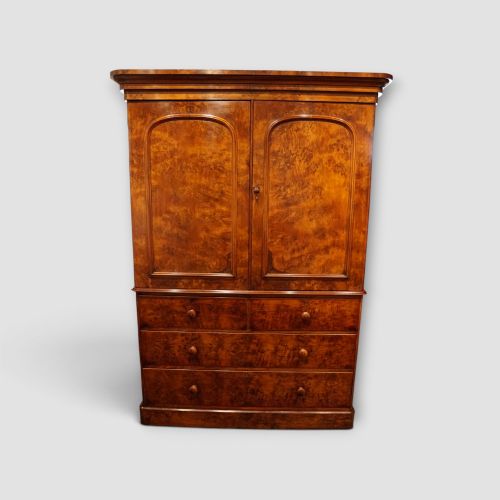
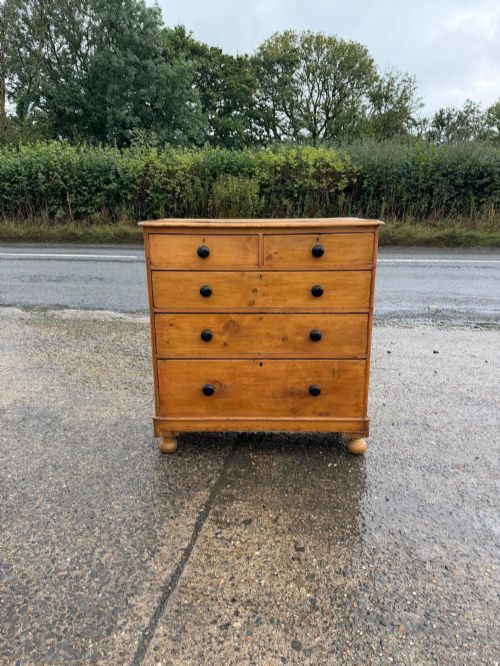
Traditional Wooden Drawers
Traditional wooden drawers offer practical storage built from mahogany, oak, pine, and walnut across Georgian, Victorian, and Edwardian periods.
Traditional Wooden Drawers
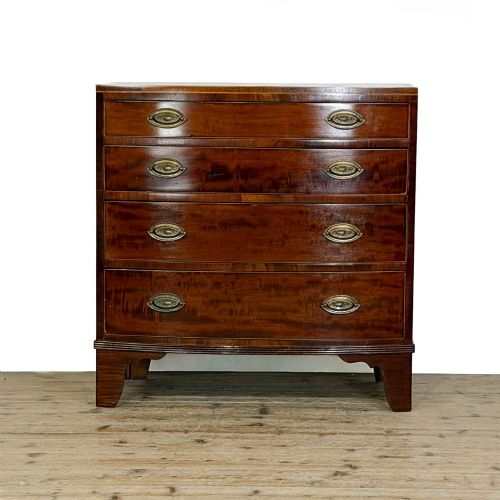
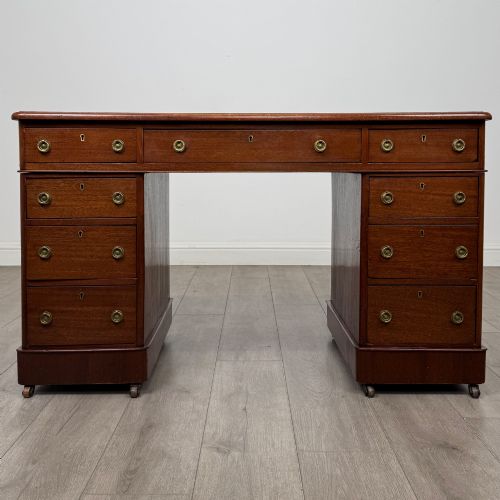
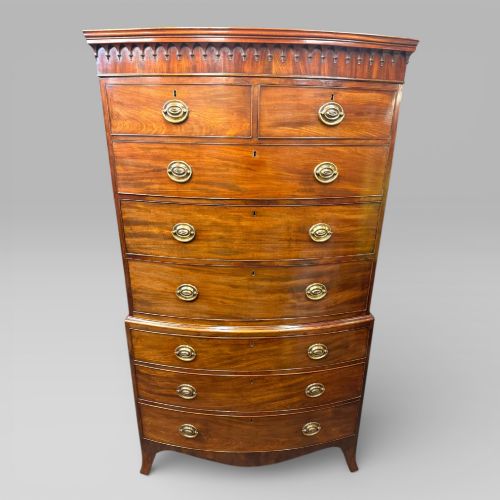
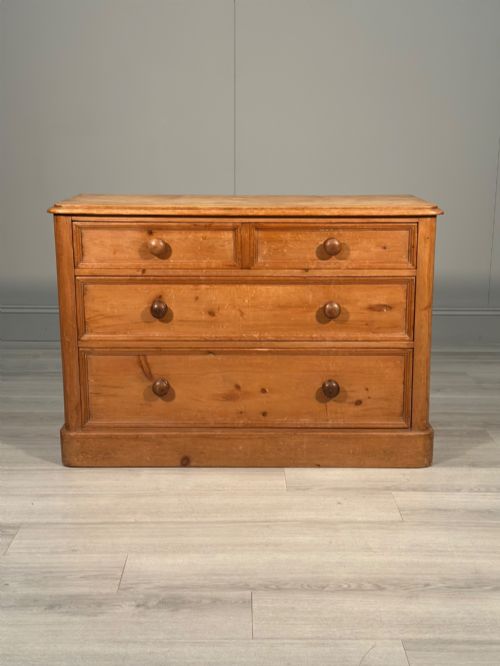
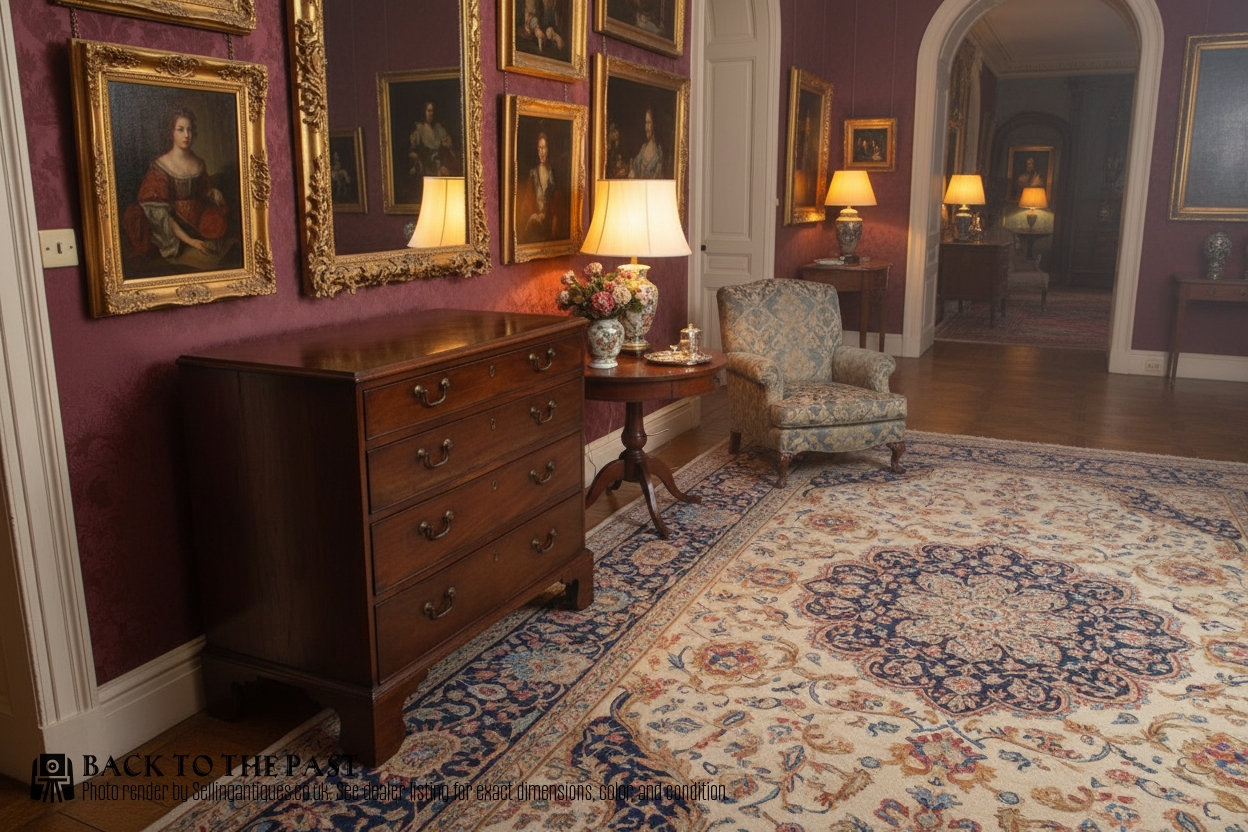
Traditional wooden drawers encompass storage furniture designed for domestic use across multiple centuries. These pieces range from compact bedside chests to large linen presses and tall chests of drawers.
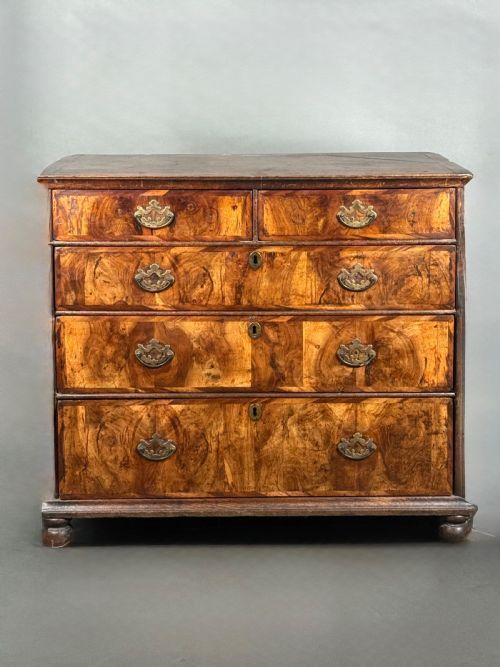
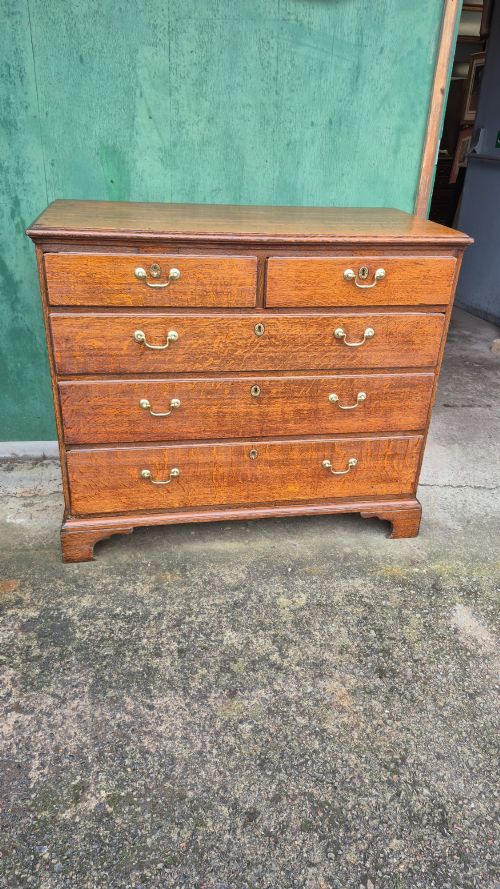
The selections on this page feature predominantly mahogany, oak, and pine constructions. Pieces originate from periods including the eighteenth century, the Victorian era, and the Edwardian period.
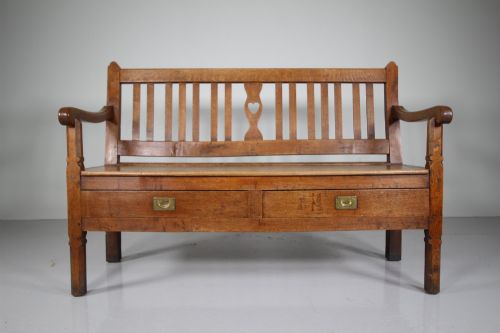
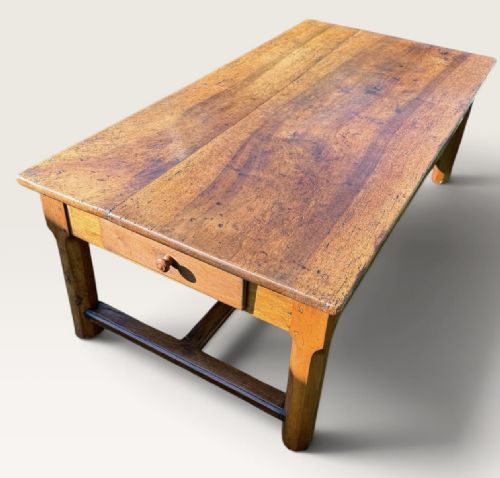
Buyers will frequently encounter chest of drawers formats alongside desks, coffee tables, and wardrobes incorporating drawer storage. Styles span from Georgian formality to rustic farmhouse and Victorian country designs.
How they were made
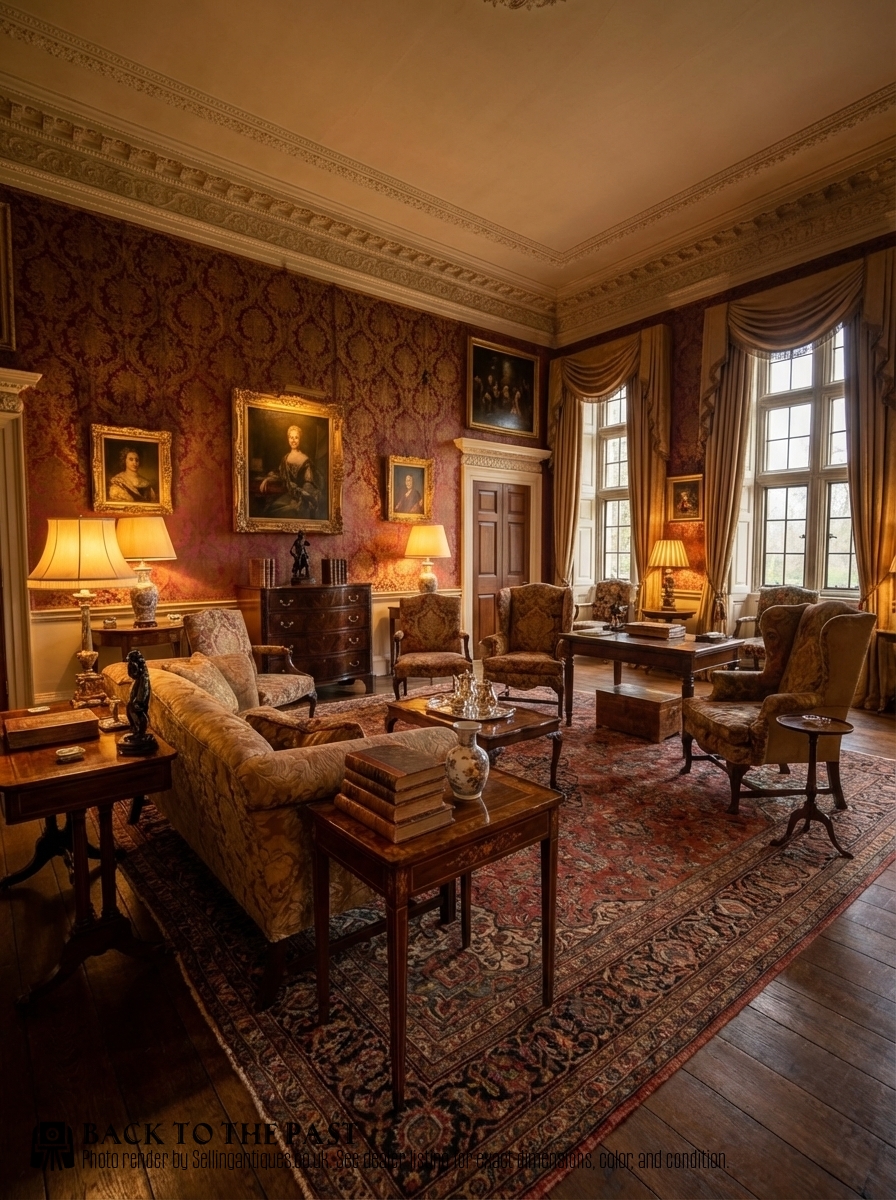
Cabinet makers utilised solid timbers including mahogany, oak, pine, walnut, and yew wood for the primary structures. Drawer construction often employed secondary softwoods with hand-cut dovetail joints securing the corners.
Surfaces received decorative treatments such as flame mahogany veneers, burr walnut figuring, and painted finishes. Brass handles, drop pulls, and key escutcheons completed the hardware requirements on finer pieces.
Traditional Wooden Drawers Retail Price Guide 2026
Typical asking prices for traditional wooden drawers among the pieces listed under this phrase on Sellingantiques today, from the lower quarter to the upper quarter. They describe what is for sale here now, not the wider market.
Formats span from bedside chests and compactum wardrobes to writing bureaux and linen presses.
What varies in quality
Quality differences emerge in the selection of timber veneers and the precision of the joinery. Figured walnut and flame mahogany exhibit superior grain patterns compared to standard utility timbers.
The weight and finish of original brass hardware indicate the original tier of manufacture. Integrated dust boards between drawer tiers and secondary wood selection distinguish superior workshops from standard production.
Heals of London·Jas Shoolbred
The Traditional Wooden Drawers Glossary
- Dovetail
- A joint used in drawer construction formed by interlocking wedge-shaped fingers. This method provides strong tensile resistance for daily pulling.
- Bow-front
- A curved cabinet front that swells outward in the centre. This configuration appears frequently on nineteenth-century mahogany chests.
- Linen press
- A tall storage cabinet featuring upper sliding trays or shelves above a lower bank of drawers. These pieces served to store household textiles.
- Wellington chest
- A tall, narrow chest of drawers secured by a hinged side locking bar. This design originated in the nineteenth century for efficient security.
Traditional Wooden Drawers: Frequently Asked Questions
How do I date a wooden chest of drawers?
Examine the secondary woods inside the drawers and the construction of the joints. Hand-cut dovetails and timber species often indicate Georgian or Victorian origins.
Style shifts also help separate periods, such as the curved lines of Regency pieces compared to Edwardian proportions.
Are pine chests antique or rustic?
Pine chests span both categories, appearing in Victorian country homes and farmhouses as practical storage. They often feature painted surfaces or simple waxed finishes.
Their construction utilises softwood planks rather than the dense hardwoods found in formal parlour furniture.
How should I care for antique drawers?
Keep wooden drawers away from direct heat sources and dramatic humidity changes to prevent timber splitting. Apply traditional beeswax periodically to nourish the surface.
Avoid synthetic cleaning sprays that can damage historic polishes and veneers over time.